Genres
Artists
Albums
Make Music
Sign in
Sign in
Artists
Latin
Artists
Latin
ROSALÍA
2017–2025
·
5 albums
Listen
5
/5
Genres
Neoperreo
Neoperreo is a 2010s, internet-native reboot of reggaeton’s perreo culture, spearheaded by a DIY, club-oriented scene that embraces queer, feminist, and body-positive values. It keeps the genre’s dembow backbone while pushing sound design into heavier 808s, crisp digital percussion, and glossy autotuned vocals. Aesthetically, it borrows from global/experimental club currents, moombahton’s mid-tempo thump, and hyperpop’s online sensibility, yielding tracks that are minimal yet hard-hitting, hooky but adventurous. Neoperreo thrives in parties, YouTube/SoundCloud ecosystems, and pop-up scenes across Latin America, Spain, and the diaspora—designed first and foremost for the dancefloor and for perreo.
Discover
Listen
Electro Latino
Electro latino (often stylized as electrolatino) is a club-oriented fusion that blends the four-on-the-floor energy of European EDM and electro house with Spanish/Latin pop songwriting and Caribbean rhythmic accents. It typically features bright supersaw or pluck synth leads, sidechained pads, and festival-style drops, combined with Latin percussion (congas, güira, timbales) and chantable Spanish hooks. Lyrical themes favor summer romance, parties, and coastal imagery, mirroring the genre’s warm, feel-good sonic identity. The style crystallized in Spain in the early 2010s and rapidly spread across European and Latin markets through high-rotation radio singles and compilation series, normalizing Spanish-language vocals and Latin rhythms on mainstream EDM platforms.
Discover
Listen
Candy Pop
Candy pop is a super-bright, hook-forward branch of contemporary pop that emphasizes sweetness in both sound and theme. It blends bubblegum-style melodies with modern, glossy production, favoring catchy toplines, clean harmonies, and playful textures. Arrangements lean on glittery synths, claps, hand-percussion, and buoyant four-on-the-floor or bouncy half-time beats. Lyrics typically revolve around crushes, friendship, first love, and carefree fun, delivered with enthusiastic, youthful vocals. Compared with classic bubblegum pop, candy pop adopts current pop techniques (EDM builds, post-chorus hooks, subtle trap-lite percussion) and borrows visual and melodic cues from J-pop and K-pop’s “kawaii” aesthetics.
Discover
Listen
Experimental Club Music
Experimental club music (often called post-club or deconstructed club) is a hybrid, avant‑garde approach to club production and performance that treats the dancefloor as a laboratory. It uses the grammar of contemporary club forms—heavy sub‑bass, kick patterns, samples, MC or chopped vocals—as raw material to be cut apart, collaged, and reassembled. Instead of four‑to‑the‑floor regularity, it favors asymmetry, abrupt contrasts, negative space, and extreme sound design drawn from noise, industrial, grime, ballroom/vogue, reggaeton, and internet culture. The result ranges from skeletal, percussive workouts to dense, cinematic soundscapes that can be as confrontational as they are cathartic. Just as importantly, the scene has been a site of diasporic, queer, and trans expression, where identity and politics are embedded in sonic choices and performance practice.
Discover
Listen
Flamenco Urbano
Flamenco urbano is a contemporary Spanish fusion that blends core elements of flamenco—cante jondo vocal timbre, palmas handclaps, rasgueado and picado guitar, cajón, and the Andalusian cadence—with modern urban production such as reggaeton dembow, trap 808s, hip‑hop sampling, and R&B toplines. Compared with the earlier nuevo flamenco, which often merged flamenco with jazz, rock, and pop, flamenco urbano is explicitly grounded in post-2010s urban idioms and streaming-era aesthetics. It often features autotuned melisma, loop-based harmonies, processed claps, sparse bass-forward beats, and lyrics that pivot between street realism, romance, pride, and cultural identity. The result is music that can be club-ready and rhythmically infectious while retaining the emotive intensity and ornamentation of flamenco.
Discover
Listen
Latin Afrobeat
Latin Afrobeat is a contemporary fusion style that welds the polyrhythmic engine of West African Afrobeat with Latin American and Caribbean grooves. It often marries Afrobeat’s interlocking drum kit, shekere, and highlife‑style guitars with salsa/cumbia percussion sections, montuno piano figures, and bold horn arrangements. The result is a dance‑forward, big‑ensemble sound: long vamps, call‑and‑response vocals (frequently in Spanish or Portuguese), syncopated bass ostinati, and brass stabs—recorded with a warm, live, analog aesthetic. While it honors Fela Kuti’s Afrobeat blueprint, it colors that framework with Afro‑Cuban jazz harmony, salsa horn voicings, and coastal Colombia/Brazilian percussion idioms.
Discover
Listen
Melancholia
Melancholia is an internet-era microgenre centered on soft-focus, sorrow-tinged pop and indie songs that foreground intimacy, space, and emotional candor. Tracks are typically slow to mid‑tempo, sung in a close, almost confessional register, and framed by sparse, reverb‑soaked textures. Sonically it lives between dream pop, bedroom pop, and slowcore: shimmering guitars or wistful synth pads drift over understated beats; piano, acoustic guitar, and low‑key electronic drums carry muted, pulsing grooves. Harmonies often favor minor keys, suspended chords, and gentle extensions (7ths/9ths) that heighten a bittersweet glow. Lyrically, melancholia lingers on solitude, late‑night self‑reflection, breakups, and fragile hope. The genre coalesced through streaming playlists and social media, where its hush, negative space, and diaristic tone translate into a cohesive, instantly recognizable mood.
Discover
Listen
Reggaeton Chileno
Reggaeton chileno is the Chilean iteration of urbano built on the classic dembow pulse, but colored by local slang, DIY internet aesthetics, and frequent crossover with Latin trap and pop. The style keeps reggaeton’s dance‑floor focus while alternating between glossy, melodic hooks and grittier street energy. Chilean artists often rap‑sing with heavy autotune over minimal, sub‑driven beats, blending romantic themes with barrio pride and club culture. From neoperreo’s avant‑club experiments to radio‑ready hits, the scene is both online‑native and chart‑minded, reflecting Chile’s vibrant, collaborative urbano ecosystem.
Discover
Listen
Reparto
Reparto is a contemporary Cuban urban dance genre that grew out of Havana’s neighborhood (“el reparto”) party circuits. It is built for high-energy street dancing, emphasizing syncopated, loop-based rhythms, shouted hooks, and a raw, percussive low-end that often feels closer to club-ready reggaeton than to traditional Cuban pop. A distinctive trait is the incorporation of Cuban music elements—especially salsa-derived rhythmic language and, in many productions, salsa-like guitar picking patterns that add a bright, montuno-adjacent drive over modern drum programming. Vocals typically alternate between rap-style delivery, call-and-response chants, and catchy repeated slogans designed for crowd participation.
Discover
Listen
Trap Soul
Trap soul is a fusion of contemporary R&B singing and songwriting with the sonic palette and rhythmic feel of trap. It features moody, minor‑key harmonies; airy pads and Rhodes/piano textures; deep 808 sub‑bass with glides; and skittering hi‑hat rolls and halftime drum patterns. Vocals often blend crooning and rapping, with intimate, confessional lyrics about love, heartbreak, desire, ambition, and late‑night introspection. The production is typically spacious and minimal, prioritizing atmosphere and groove over density. Subtle Auto‑Tune, layered ad‑libs, and lush reverbs/delays are common, giving tracks a nocturnal, cinematic feel.
Discover
Listen
Tulum
Tulum is a contemporary electronic dance music sound that crystallized around the boutique party scene in Tulum, Mexico, during the 2010s. It blends deep, organic house grooves with downtempo sensibilities, hand-played percussion, and "world"-leaning timbres such as oud, bansuri, handpan, and Latin guitar. The style favors warm, analog textures; modal, minor-key harmonies (often Dorian or Phrygian); long, reverb-washed atmospheres; and subtle, mantra-like vocals or chants. Tempos usually sit between 112–120 BPM, with earthy polyrhythms and shuffling, Afro- and Latin-influenced percussion propelling a hypnotic four-on-the-floor. Aesthetically, the Tulum sound is associated with sunrise/sunset beach settings, bohemian design, and a wellness-forward, festival-adjacent culture. Musically it overlaps with the broader “organic house/downtempo” movement while retaining a distinctly tropical, ritualistic character.
Discover
Listen
Uk Alternative Pop
UK alternative pop is a strand of British pop that blends hook-forward songwriting with left‑field production, indie sensibilities, and art‑pop flair. It often merges glossy synth textures, clean guitar shimmer, and club‑informed rhythms with diaristic, distinctly British lyricism about nightlife, digital romance, and modern identity. Compared with mainstream pop, it’s more adventurous in arrangement and sound design—embracing experimental vocal processing, dynamic contrasts between sparse verses and explosive choruses, and a hybrid of organic and electronic instrumentation. Streaming culture, internet micro‑scenes, and the legacy of UK electronic and indie music all play central roles in its sound and aesthetics.
Discover
Listen
Reggaeton
Reggaeton is a contemporary urban dance music that blends the dembow rhythm of Jamaican dancehall with hip hop’s MC culture and Caribbean–Latin melodic sensibilities. Its hallmark is the propulsive, syncopated “dembow” drum pattern, typically around 85–100 BPM (often felt in half-time), which powers energetic verses and catchy, sung hooks. Lyrically, reggaeton is most often in Spanish or Spanglish and centers on dance, nightlife, flirtation, romance, and street life, with a performance style that alternates between rapped bars and melodic chorus lines. Production emphasizes tight, punchy drums, rolling 808 sub-bass, percussive plucks or stabs, and bright, hook-forward toplines—crafted for the club and tailored for crowd participation and perreo.
Discover
Listen
Classical Crossover
Classical crossover blends elements of Western classical music with popular styles to create accessible, cinematic, and vocally forward repertoire. It typically keeps classical vocal technique or orchestral timbres while adopting pop song structures, contemporary production, and ear‑catching hooks. Arrangements often feature lush strings, piano, and choir, with dramatic dynamic arcs and key changes. Repertoire may include pop-influenced originals, classical themes with new lyrics, and reinterpretations of opera arias or film melodies, frequently sung in English, Italian, or Latin. The genre is designed for broad appeal without abandoning the polish and gravitas of classical performance, bridging concert hall aesthetics and mainstream listening contexts.
Discover
Listen
Latin Pop
Latin pop is mainstream pop music performed primarily in Spanish (and sometimes Portuguese) that blends contemporary pop songwriting with Latin American and Iberian rhythms, harmonies, and vocal stylings. It typically features verse–pre-chorus–chorus forms, catchy hooks, polished production, and a balance between rhythmic drive and romantic lyric themes. Classic Latin pop often leans on bolero- and ballad-informed melodies and soft-rock textures, while modern Latin pop readily incorporates dance-pop, electronic, and urbano elements (such as reggaeton-influenced grooves) without losing its sing-along pop core.
Discover
Listen
Nuevo Flamenco
Nuevo flamenco is a modernized, crossover evolution of traditional Andalusian flamenco that integrates pop, rock, and jazz aesthetics while preserving core flamenco compás (rhythmic cycles), guitar techniques, and cante (vocal) expression. It is marked by the use of flamenco guitar alongside bass, cajón, handclaps (palmas), saxophone or flute, keyboards, and drum kit, yielding a more contemporary, often radio-friendly sound. Harmonically, it blends Phrygian/Phrygian dominant colors and modal cadences with jazz-inspired extensions and pop progressions. Rhythmically, nuevo flamenco favors accessible palos like rumba (and tangos), while still drawing energy from bulerías and other 12-beat cycles. Its production commonly embraces studio polish, global grooves, and melodic hooks, making it a gateway for international audiences into the flamenco tradition.
Discover
Listen
Flamenco Pop
Flamenco pop is a Spanish popular music style that blends the vocal melismas, guitar techniques, and rhythmic clapping (palmas) of flamenco with the song forms, hooks, and studio polish of mainstream pop. It keeps the emotive core of flamenco—often drawing on the Andalusian cadence and Phrygian color—while adopting verse–chorus structures, drum kits, bass guitar, keyboards, and radio-friendly arrangements. Groove-wise it frequently favors 4/4 feels (rumba/tangos-derived) over the traditional 12-beat palos to fit contemporary pop sensibilities. The result is an accessible, danceable sound that can be tender or intense, equally at home on festival stages and commercial airwaves.
Discover
Listen
Art Pop
Art pop is a strand of pop music that treats the pop song as a canvas for high-concept ideas, experimental techniques, and cross-media aesthetics. It marries accessible melodies and hooks with the visual culture of art schools, the conceptual rigor of the avant-garde, and the studio-as-instrument ethos. Sonically, art pop favors eclectic instrumentation (synths, orchestral timbres, guitars, found sounds), unusual song forms, and sophisticated harmony. It often employs collage, musique concrète–like textures, and theatrical vocal delivery while still keeping a pop-facing surface. Beyond sound, art pop is deeply visual and conceptual: albums are framed as coherent artworks, stagecraft and video are integral, and lyrics tend toward intertextuality, character work, irony, and social commentary. The result is pop that is both immediate and idea-driven.
Discover
Listen
Avant-Folk
Avant-folk is a strand of folk music that applies avant-garde, experimental, and modernist techniques to traditional song forms, instrumental vocabularies, and storytelling. It retains acoustic timbres and folk modalities while embracing unusual tunings, extended techniques, drones, free improvisation, tape collage, and nonstandard song structures. The result is music that sounds rooted and ancient yet exploratory and boundary-pushing, often intimate in texture but radical in form.
Discover
Listen
Contemporary Folk
Contemporary folk is a modern evolution of traditional folk aesthetics centered on intimate storytelling, clear melodies, and largely acoustic instrumentation. It favors voice-forward production, fingerpicked or gently strummed guitars, and arrangements that leave space for lyrics to resonate. While rooted in older folk ballad traditions, contemporary folk embraces current themes, production values, and song forms. Artists often blend guitar, banjo, mandolin, fiddle, upright or electric bass, light percussion, and close vocal harmonies, creating a warm, organic sound. The genre frequently addresses personal reflection, social issues, place, memory, and identity, balancing timeless simplicity with contemporary sensibilities.
Discover
Listen
Pop
Pop is a broad, hook-driven style of popular music designed for wide appeal. It emphasizes memorable melodies, concise song structures, polished vocals, and production intended for radio, charts, and mass media. While pop continually absorbs elements from other styles, its core remains singable choruses, accessible harmonies, and rhythmic clarity. Typical forms include verse–pre-chorus–chorus, frequent use of bridges and middle-eights, and ear-catching intros and outros. Pop is not defined by a single instrumentation. It flexibly incorporates acoustic and electric instruments, drum machines, synthesizers, and increasingly digital production techniques, always in service of the song and the hook.
Discover
Listen
Latin
Latin (as a genre label) is a broad umbrella used by the recording industry to categorize popular music rooted in Latin America, the Caribbean, and the Iberian world, often characterized by syncopated Afro-diasporic rhythms, dance-forward grooves, and lyrics primarily in Spanish or Portuguese. As a marketplace category that took shape in the mid-20th century United States, it gathers diverse traditions—Afro-Cuban, Brazilian, Mexican, and Caribbean styles—into a shared space. In practice, "Latin" spans everything from big-band mambo and bolero ballads to contemporary pop, rock, hip hop, and dance fusions produced by artists of Latin American heritage.
Discover
Listen
Flamenco
Flamenco is a highly expressive musical and dance tradition from Andalusia that combines cante (song), toque (guitar), baile (dance), palmas (handclaps), and jaleo (shouts of encouragement). It is characterized by intricate rhythmic cycles called compás, intense vocal melismas with ornamental micro-inflections, and guitar techniques such as rasgueado, picado, alzapúa, golpe, and tremolo. Harmonically it often centers on the Phrygian mode and the Andalusian cadence (iv–III–II–I), creating a dramatic tension that complements the emotional depth of the lyrics, which frequently explore themes of love, loss, pride, and fate. Flamenco is organized into palos (forms) such as soleá, bulería, alegrías, seguiriyas, tientos/tangos, fandangos, tarantas, and rumba, each defined by its compás, mood, and traditional melodic/harmonic vocabulary.
Discover
Listen
Spanish Music
Spanish music is an umbrella term for the diverse musical traditions and popular styles that originate in Spain. It spans folkloric and regional idioms (such as flamenco, sevillanas, jota, and Galician, Basque, and Catalan song), urban popular genres (copla, pasodoble, pop, rock), and a rich classical tradition (zarzuela and concert music) shaped by Iberian history. Its sound world is marked by the legacy of Al‑Andalus and the Mediterranean: modal melodies (especially the Phrygian/"Andalusian" color), melismatic singing, intricate clapping (palmas), expressive guitar techniques, castanets, and dance-driven rhythms. At the same time, Spain’s sacred and courtly repertoires (medieval chant, Renaissance and Baroque polyphony) underpin a broader art‑music lineage that culminates in national classical styles of the 19th and 20th centuries. Today the term covers both heritage practices (flamenco cante jondo, regional dances) and contemporary fusions (flamenco pop/urbano, indie, and rock), reflecting Spain’s multilingual cultures and ongoing dialogue with Europe, the Mediterranean, and Latin America.
Discover
Listen
Show all 24 genres
Albums
2025
5
/5
LUX
ROSALÍA
Latin
Pop
Art Pop
2022
4
/5
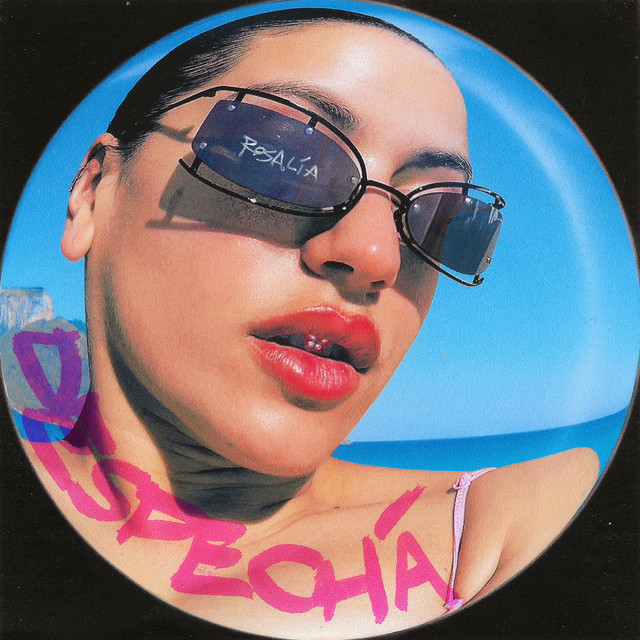
DESPECHÁ
ROSALÍA
Latin
Electro Latino
Latin Pop
2022
4
/5
Motomami
Rosalía
Neoperreo
Reggaeton
Flamenco
2018
4
/5
El mal querer
Rosalía
Flamenco Pop
Nuevo Flamenco
Flamenco
2017
3
/5
Los ángeles
Rosalía
Nuevo Flamenco
Flamenco
Spanish Music
Similar artists
5
/5
Sebastian Yatra
Latin Pop
Colombian Pop
Latin
5
/5
Rauw Alejandro
Reggaeton
Trap Latino
Latin
5
/5
Manuel Turizo
Colombian Pop
Latin
Latin Pop
4
/5
Becky G
Latin Rap
Latin Viral Pop
Latin
4
/5
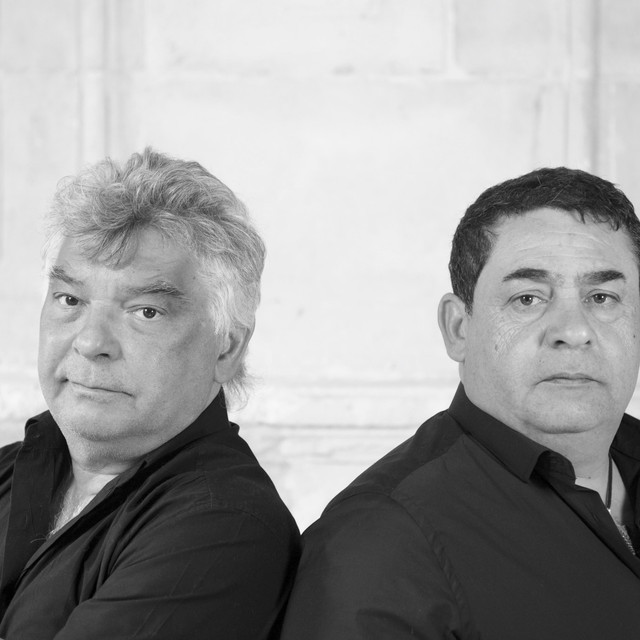
Gipsy Kings
Rumba Catalana
Flamenco
Rumba Flamenca
5
/5
Maluma
Latin
Reggaeton
Urbano Latino
5
/5
Bad Bunny
Latin
Reggaeton
Trap Latino
5
/5
KAROL G
Reggaeton
Latin
Trap Latino
5
/5
Ozuna
Reggaeton
Latin
Trap Boricua
5
/5
J Balvin
Reggaeton
Latin
Trap Latino
Download our mobile app
Get the Melodigging app and start digging for new genres on the go
Download on the App Store
Get it on Google Play
© 2026 Melodigging
Give feedback
Legal
Melodding was created as a tribute to
Every Noise at Once
, which inspired us to help curious minds keep digging into music's ever-evolving genres.