Your digging level

For this genre
0/8
🏆
Sign in, then listen to this genre to level up

Description

New MPB (Nova Música Popular Brasileira in English usage) is a 2010s–2020s wave that refreshes classic MPB’s songwriting craft with indie, R&B, hip‑hop, and electronic production. It keeps the genre’s hallmark: sophisticated harmony, intimate vocals, and poetry‑forward lyrics in Portuguese.

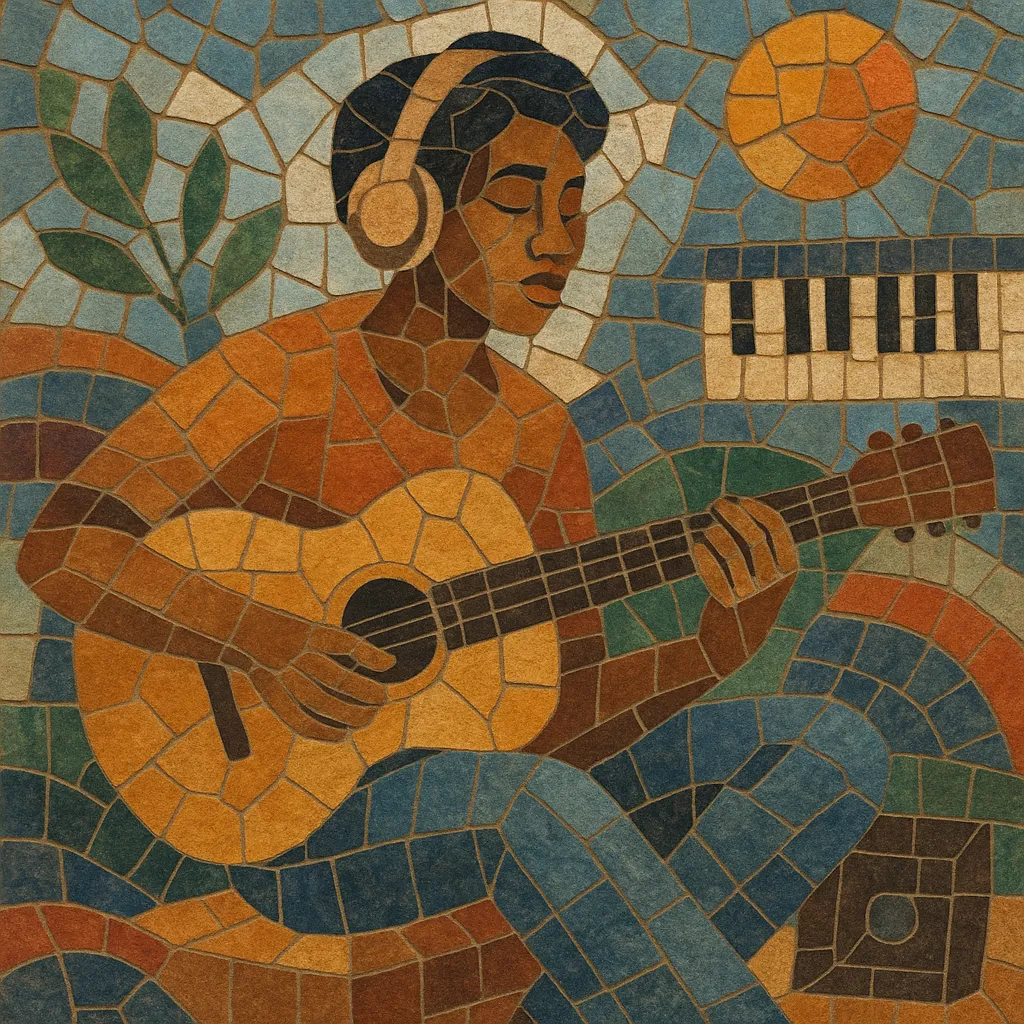
Sonically, you’ll hear nylon‑string guitars and Rhodes pianos beside drum machines, 808s, and warm synths. Rhythms nod to samba, bossa nova, baião, and funk carioca while embracing modern pop swing and hip‑hop backbeats. The result is stylish, urban, and contemporary—romantic and reflective, yet danceable and groove‑savvy.


Sources: Spotify, Wikipedia, Discogs, Rate Your Music, MusicBrainz, and other online sources

History

Origins and context

New MPB emerges in the 2010s as a continuation of Brazil’s MPB lineage. The classic era’s emphasis on lyrical refinement, extended harmonies, and Afro‑Brazilian rhythmic DNA remains, but younger artists fold in indie pop, neo‑soul, hip‑hop, and bedroom‑electronic aesthetics. Streaming culture, affordable home studios, and a vibrant independent circuit let these artists blend tradition and modernity without major‑label gatekeeping.

2010s: Consolidation of a sound

Across the mid‑to‑late 2010s, singer‑songwriters and bands modernize MPB’s palette: nylon‑string guitars and Rhodes coexist with soft synth pads, side‑chained keys, and minimalist drum programming. Production draws from lo‑fi warmth and hi‑fi pop polish, while rhythms borrow from samba and bossa nova alongside funk carioca bounce and hip‑hop grooves. The scene thrives via festivals, YouTube/streaming premieres, and collaborative features that cross regional lines (São Paulo, Rio, Bahia, Pernambuco).

2020s: Cross‑pollination and visibility

In the 2020s, New MPB broadens internationally and at home. It interfaces with Brazilian R&B/soul, alt‑pop, and indie electronica, and its lyrical voice ranges from romantic introspection to social commentary. The sound becomes a template for emerging artists—particularly LGBTQ+ and indie R&B scenes—who value expressive vocals, nuanced harmony, and rhythmically Brazilian yet globally current production.


Aesthetic traits that persist
•   Harmony: lush chords (maj7, add9, altered dominants), modal mixture, and colorful voice‑leading. •   Rhythm: samba/bossa swing under modern pop/hip‑hop backbeats; occasional baião and funk carioca syncopations. •   Production: warm, intimate, groove‑led; analog/digital hybrids with tasteful space and texture.

How to make a track in this genre

Core palette
•   Instruments: nylon‑string or semi‑hollow guitar, Rhodes/Wurlitzer, electric bass, light percussion (pandeiro, shakers), drum machine/808s, and soft synth pads. Add horns/strings sparingly for color. •   Tempo/Groove: mid‑tempo (70–110 BPM). Start with a gentle bossa or samba sway and layer a modern pop/hip‑hop backbeat. For danceable cuts, hint at funk carioca syncopation.
Harmony and melody
•   Chords: lean on maj7, m7, add9, 6/9, and tasteful alterations. Use modal mixture (borrowed iv or bVII), secondary dominants, and chromatic approach chords to keep motion smooth. •   Progressions: explore circular movement (e.g., ii–V–I variants) with color tones; voice‑lead inner notes for subtle sophistication. •   Melody: intimate, conversational phrasing. Favor stepwise motion with occasional leaps; leave space for the lyric to breathe.
Rhythm and arrangement
•   Rhythm: interlock soft acoustic strums with off‑beat percussion and a pocketed kick/snare. Ghost notes on hats/shakers create motion without crowding the vocal. •   Arrangement: keep verses sparse; introduce pads, countermelodies, and percussion layers in choruses. Use breakdowns to spotlight lyrics.
Lyrics and production
•   Lyrics: poetic, urban, and personal—romance, memory, identity, and everyday Brazilian life. Mix tenderness with subtle social insight. •   Production: warm, intimate mix; gentle saturation on keys/bass; side‑chain pads subtly to the kick. Double‑track or softly harmonize vocals in choruses; preserve natural sibilance and breath for closeness.

Top tracks

Locked
Share your favorite track to unlock other users’ top tracks
Influenced by
Has influenced
Challenges
Digger Battle
Let's see who can find the best track in this genre
© 2026 Melodigging
Melodding was created as a tribute to Every Noise at Once, which inspired us to help curious minds keep digging into music's ever-evolving genres.
Buy me a coffee for Melodigging