Your digging level
Description
Música Popular Mineira (MPM) is the popular music of Minas Gerais, Brazil, crystallized in the late 1960s and 1970s around the Belo Horizonte scene. It blends the songwriter focus of MPB with jazz harmony, folk lyricism, soft rock textures, and the contemplative spirit associated with the mountainous landscapes of Minas.
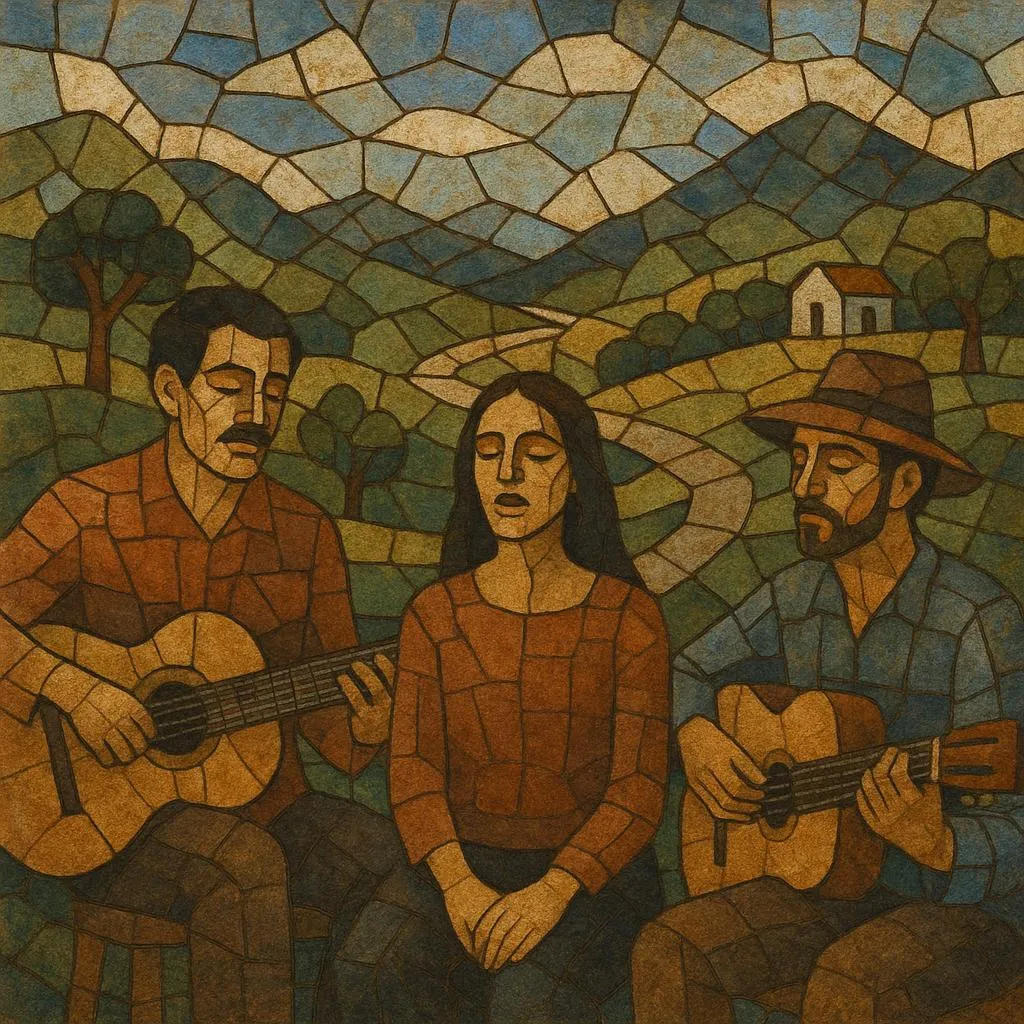
The style is marked by richly voiced guitars (often with extended chords), luminous vocal harmonies, lyrical melodies, and a gentle rhythmic sway that can move between Brazilian waltzes, baião-derived pulses, and understated pop-rock grooves. Themes of saudade, nature, spirituality, trains and roads, and intimate self-reflection are recurring, resulting in music that feels at once dreamy and grounded in place.
History
Música Popular Mineira coalesced in Belo Horizonte as local songwriters and players drew on the national wave of MPB and bossa nova while absorbing jazz harmony and rock lyricism. Minas Gerais’ choral traditions, modinha lineage, and a reflective regional poetics gave the music a distinct identity—intimate, harmonic-rich, and nature-attentive.
A key catalyst was the Clube da Esquina circle in the Santa Tereza neighborhood. Musicians collaborated intensely, forging a sound that married MPB songwriting to jazz-informed guitar voicings, complex yet singable melodies, and soft psychedelic/progressive rock colors. This period defined the harmonic and textural DNA of MPM and projected the Minas voice onto the national stage.
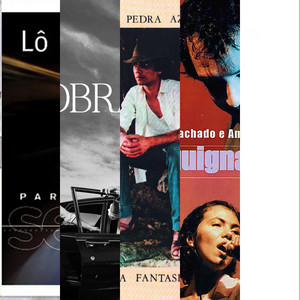
Alumni and associates took the Minas approach into broader pop/rock formats without abandoning the lyrical depth and sophisticated harmonies. Bands and solo artists spread the aesthetic across Brazil’s airwaves, cementing the image of Minas music as melodically generous, harmonically luminous, and poetically inward.
From singer‑songwriters to pop/rock groups and indie circles in Belo Horizonte and beyond, later generations have reinterpreted MPM’s core: warm analog timbres, jazz‑tinged chords, layered vocals, and Minas‑centric imagery. In the 2000s–2020s, independent scenes and the broader “new MPB” revived and modernized these traits—folding in contemporary production while preserving the genre’s contemplative soul.