Genres
Artists
Albums
Make Music
Sign in
Sign in
Artists
Breakcore
Artists
Breakcore
lexycat
2023–2025
·
4 albums
Listen
3
/5
Genres
Dariacore
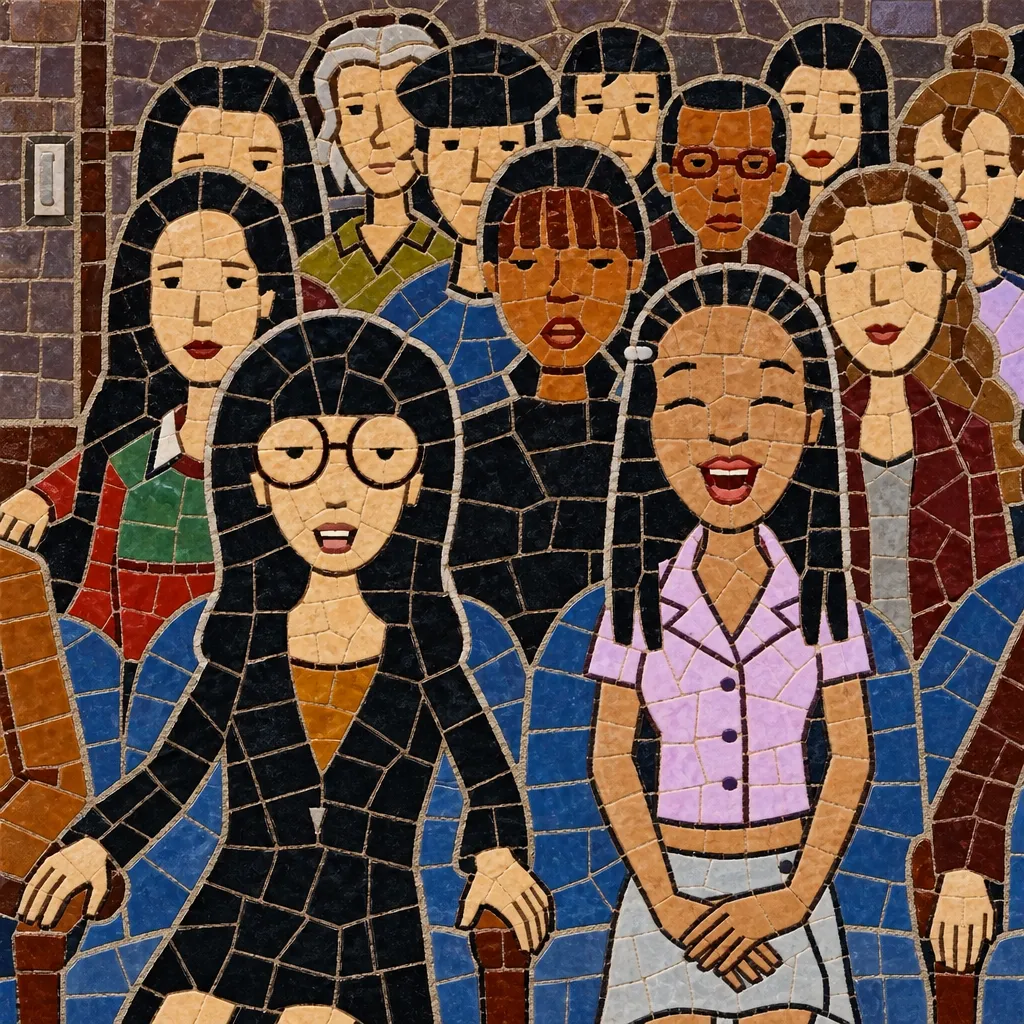
Dariacore is a hyperactive, sample-forward microgenre that emerged on SoundCloud in the early 2020s. It is characterized by frenetic cut‑ups of recognizable pop hooks, TV/anime snippets, and internet ephemera, smashed together at high tempos with breakbeats, club triplets, and hard sidechain compression. Aesthetically, it sits between hyperpop/digicore maximalism and plunderphonics/mashcore collage. Producers frequently pitch up (nightcore-style), hard-clip, and brickwall-limit the mix, embrace abrupt key/tempo shifts, and use meme-y drops or fake-outs for shock value. Tracks are usually short (often 1–2 minutes), hook-dense, and deliberately chaotic, with tongue-in-cheek 90s/00s net-culture visuals (the name references MTV’s Daria).
Discover
Listen
Sigilkore
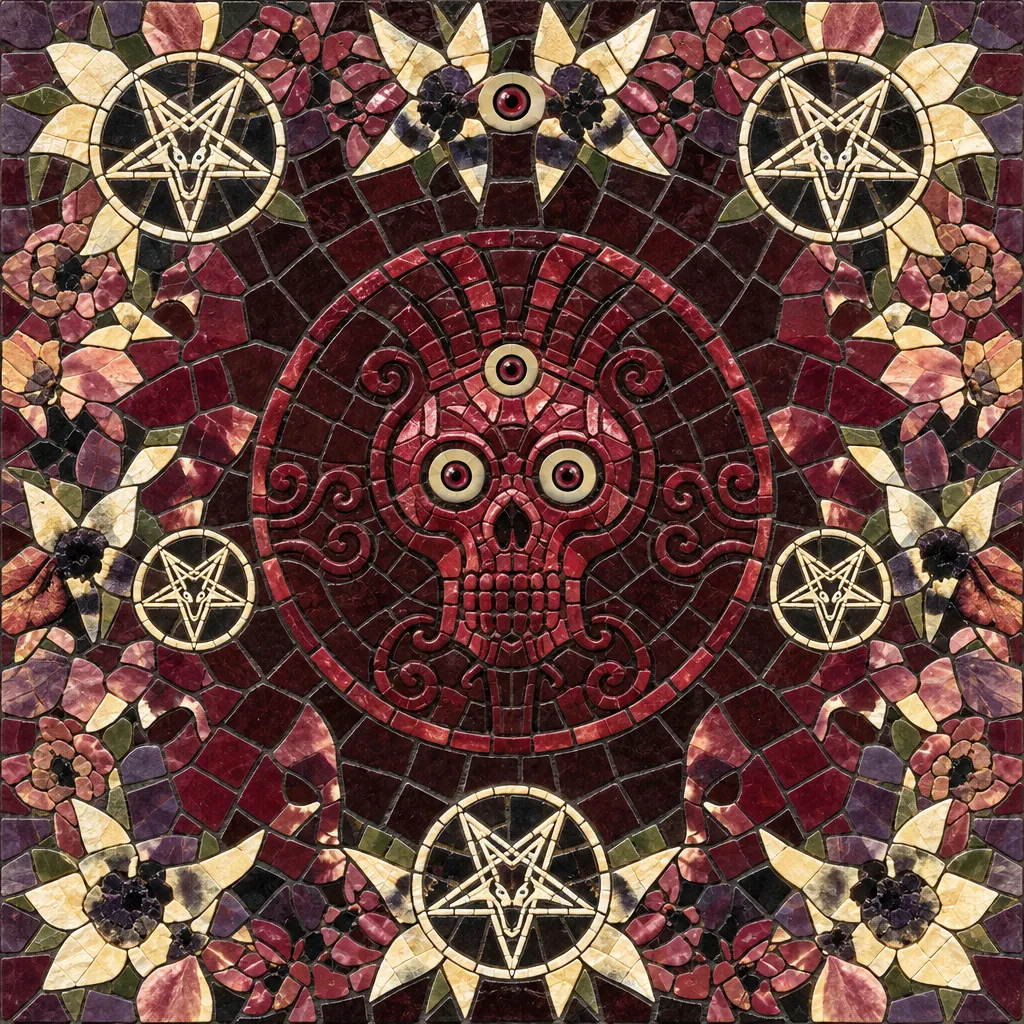
Sigilkore is an internet-born microgenre that merges the ominous atmospheres of witch house with the bounce and drum programming of trap, the tape-warped grit of Memphis rap, and the granular, reverb-heavy haze of dark ambient. Defined as much by its occult visual language as its sound, the style favors heavy 808 subs, skittering hi-hats, detuned pads, bell and choir timbres, pitched-down or formant-shifted vocals, and lo‑fi processing reminiscent of chopped-and-screwed techniques. Tracks often feel ritualistic and hypnotic, with minor-mode motifs, phrygian inflections, and long reverb tails that blur bar lines. Emerging across SoundCloud, Discord communities, and small collectives, sigilkore thrives on DIY anonymity, esoteric cover art (sigils, runes, glyphs), and a mood that’s simultaneously bleak, ethereal, and aggressive.
Discover
Listen
Digicore
Digicore is a Gen Z–native, internet-bred pop-rap microgenre that emerged from SoundCloud and Discord communities. It blends hyperpop’s maximalist sound design with emo rap’s confessional songwriting, trap drum programming, and nightcore-style pitch-shifting. Songs are typically short and hook-forward, with heavily processed, Auto-Tuned vocals, clipped or bitcrushed textures, stutter edits, and glossy but intentionally digital artifacts. The palette often includes bright synth bells, plugg/pluggnb-inspired 808 patterns, widescreen OTT compression, and glitchy micro-cuts that highlight the music’s online, DIY origin. Lyrically, it leans into adolescent angst, online identity, relationships, and self-reflection, mirroring the hyper-connected culture that birthed it.
Discover
Listen
Dream Plugg
Dream plugg is an airy, ethereal offshoot of the plugg/pluggnb branch of trap that emphasizes soft pads, bell-like plucks, gentle 808s, and chorus-washed synths. It retains the swingy hi-hats and minimal drum programming of classic plugg beats, but coats them in a hazy, dreamlike atmosphere. Vocals in dream plugg tend to be melodic and reverb-kissed, often autotuned and understated rather than aggressive. The result sits between cloud rap’s weightless vibe and pluggnb’s sleek, R&B-tinted bounce—music that feels nostalgic, floating, and emotive while remaining rhythmically light on its feet.
Discover
Listen
Hypertrance
Hypertrance is an internet-native fusion of modern trance and the maximalist, ultra-glossy aesthetics of the hyperpop ecosystem. It emphasizes euphoric supersaw leads, soaring pads, huge risers, and hard side‑chained kick–bass grooves, while borrowing hyperpop’s pitch‑shifted vocals, clipped loudness, and playful, self‑aware sound design. Typical tempos sit around 140–160 BPM with a 4/4 pulse, bright major‑key hooks, and breakdowns that explode into short, high‑impact drops. Producers frequently combine trance signifiers (gated pads, anthemic builds, arpeggios, 303/acid flourishes) with internet-era techniques (OTT compression, aggressive clipping, formant play, nightcore‑style vocal edits). The result feels at once nostalgic and futuristic: a rave ecstasy updated for the post‑SoundCloud, post‑PC Music generation.
Discover
Listen
Jerk
Jerk is a microgenre of hip‑hop that took shape in New York City in the early 2020s. It borrows the name and some rhythmic cues from the earlier "jerk rap"/jerkin' movement connected to West Coast street dance, but reimagines them through the aesthetics of contemporary underground rap. Sonically, jerk favors sparse, snare‑forward drum programming with very light or even absent kicks, dry percussion, and short looping motifs. The production often draws on the airy pads, glassy bells, and minimalist melodies of Plugg and PluggnB, but strips arrangements down further to leave lots of negative space for tightly phrased, talk‑like rap flows. The result is bouncy yet understated, intimate yet danceable.
Discover
Listen
Hexd
HexD is a net-native microgenre of hip‑hop and electronic music defined by extreme bitcrushing, aggressive down/upsampling, hard clipping, and compression applied to beats and especially to vocals. Tracks often feature sped‑up and pitched‑up (sometimes formant‑shifted) vocal edits over trap‑leaning drums or breakbeat fragments, creating a distorted, digital, hazy, and psychedelic texture. Many releases are edits or reworks of existing material from rap, emo rap, and digicore/hyperpop, treated as raw sound to be “hexxed” with digital artifacts. Aesthetically, the scene is tightly tied to online platforms and DIY collectives, embracing early‑web, anime, and lo‑fi internet visuals while prioritizing mood, texture, and immediacy over fidelity.
Discover
Listen
Experimental Club Music
Experimental club music (often called post-club or deconstructed club) is a hybrid, avant‑garde approach to club production and performance that treats the dancefloor as a laboratory. It uses the grammar of contemporary club forms—heavy sub‑bass, kick patterns, samples, MC or chopped vocals—as raw material to be cut apart, collaged, and reassembled. Instead of four‑to‑the‑floor regularity, it favors asymmetry, abrupt contrasts, negative space, and extreme sound design drawn from noise, industrial, grime, ballroom/vogue, reggaeton, and internet culture. The result ranges from skeletal, percussive workouts to dense, cinematic soundscapes that can be as confrontational as they are cathartic. Just as importantly, the scene has been a site of diasporic, queer, and trans expression, where identity and politics are embedded in sonic choices and performance practice.
Discover
Listen
Gaming Edm
Gaming EDM is a bright, hook‑driven branch of electronic dance music tailored for online gaming, streaming, and creator culture. It blends festival‑ready drops and sidechained supersaws with melodic, video‑game–friendly timbres (arpeggiated leads, chip/8‑bit flourishes) and clean royalty-friendly production that sits well under voice chat or commentary. The songs are typically concise, high‑energy, and instantly catchy, engineered to loop well on streams and to sync to highlight reels and esports content.
Discover
Listen
Utopian Virtual
Utopian virtual is an online-born microgenre that recreates the glossy optimism of late‑20th‑century futurism and corporate media. Instead of relying on chopped samples like much vaporwave, producers write original cues that sound like in‑house ‘90s corporate BGM, software demos, tech‑expo reels, and promotional VHS soundtracks. The palette leans deliberately "tacky": General MIDI and ROMpler presets, glassy digital bells, airy synth brass, smooth-jazz pads, and bright slap or fretless bass. The result is a clean, hyper-synthetic sheen that suggests a frictionless corporate future—equal parts sincere nostalgia and gently uncanny pastiche.
Discover
Listen
Jirai Kei
Jirai kei is a recent Japanese internet-born pop micro‑genre and aesthetic that blends cute, sugary sounds with darker, obsessive and self‑destructive themes. The term comes from a fashion/aesthetic scene associated with yamikawaii and menhera culture, and in music it describes songs that sound soft and adorable on the surface but conceal lyrics about toxic love, dependency, jealousy, and emotional volatility. Sonically, jirai kei draws from J‑pop and Vocaloid traditions (denpa/picopop brightness, catchy hooks) while adopting modern hyperpop gloss, trap/EDM percussion, and highly edited, youthful vocals. The contrast between childlike, pastel timbres and intense, confessional writing is central to the style, making it both immediately hooky and emotionally sharp—an audio embodiment of “cute but dangerous.”
Discover
Listen
Otacore
Otacore is a fan-driven, internet-native umbrella for music centered on anime, manga, gaming, and broader otaku culture. Rather than a single strict musical style, it describes a cluster of scenes where pop, electronic, rock, and rap intersect with anime aesthetics, story tropes, and character/fandom references. Typical otacore repertoires include Vocaloid productions, anisong-style pop/rock, high-energy EDM with kawaii sound design, nightcore-style edits, game-inspired chiptune flourishes, and cover cultures (English/Japanese) tied to anime and game franchises. Distribution and discovery are powered by platforms such as Nico Nico Douga, YouTube, SoundCloud, streaming playlists, and later TikTok, where memeability, fan videos (AMVs), and vtuber performances help songs spread globally.
Discover
Listen
Flint Sound
Flint sound is a contemporary Michigan rap style centered in Flint, United States. It is characterized by fast, minimal, piano- or organ-led beats, dry and upfront vocals, and bar-by-bar “punch‑in” delivery that often rides slightly ahead of or behind the grid for a conversational, off‑kilter feel. The production typically favors bright piano loops, staccato 808 slides, crisp claps or rimshots, and sparse percussion, leaving plenty of space for relentless punchlines, gritty street reportage, and mischievous humor. While hard-edged and streetwise, the style frequently leans into charismatic personality and wit, making it both aggressive and infectious for dancing.
Discover
Listen
Glitchcore
Glitchcore is an internet-born microgenre that fuses pop-forward songwriting with hyperactive, digitally mangled sound design. It is characterized by bitcrushed and over-distorted synths, stuttered edits, sudden beat-switches, and heavily pitch-shifted, Auto-Tuned vocals. Arrangements tend to be short, hook-centric, and maximalist, often compressing multiple sections and textures into tracks that last 90–150 seconds. The genre borrows the emotive directness of emo rap and bedroom pop, the rhythmic backbone of trap, and the candy-coated sheen of hyperpop and bubblegum bass, while leaning into deliberate digital artifacts—glitches, dropouts, resampling, and hard clip distortion—as expressive tools. Culturally, glitchcore is inseparable from online communities (Discord, SoundCloud, TikTok), where rapid iteration, meme literacy, and DIY production workflows shaped its sound and aesthetics.
Discover
Listen
Diy Emo
DIY emo is a grassroots, home-recorded and community-driven branch of contemporary emo that blends twinkly Midwest-emo guitar work, confessional lyricism, and pop-punk urgency with a distinctly lo‑fi, self-produced aesthetic. It foregrounds the ethics of the do‑it‑yourself underground: basement shows, tape or Bandcamp releases, collective touring, and a preference for intimacy over polish. Sonically, it leans on clean, chiming guitars, melodic basslines, dynamic drumming, and unvarnished vocals that veer from soft-spoken to cathartic sing-alongs. Rather than chasing radio gloss, DIY emo embraces rawness and vulnerability—often capturing the feel of a crowded living room show—while channeling themes of friendship, mental health, hometowns, and the bittersweet transitions of early adulthood.
Discover
Listen
Future Funk
Future funk is an internet-born dance microgenre that fuses the sample-heavy ethos of vaporwave with the upbeat grooves of disco, funk, and Japanese city pop. Producers typically chop and pitch up catchy hooks from late-1970s and 1980s records, loop them over four-on-the-floor drums, and apply filter sweeps and sidechain compression in the spirit of French house. The result is a sparkling, high-energy sound that feels both retro and forward-looking. Visually and culturally, the scene leans into neon-soaked, anime-tinged aesthetics and nostalgic party energy, turning classic pop and boogie flavors into compact, danceable edits tailored for the web era.
Discover
Listen
Glitchbreak
Glitchbreak is a late‑2010s, internet‑native microgenre that blends atmospheric drum‑and‑bass and jungle breakbeats with the abrasive, error‑as‑a‑texture ethos of glitch. Tracks typically deploy chopped Amen/Think breaks, granular or buffer‑stutter edits, bitcrushing, and timestretch artifacts under moody pads and wistful melodies. Compared with classic breakcore, the tempo and editing are often less manic, leaning toward a melancholic, introspective vibe tied to anime/Y2K net‑aesthetics and glitch art.
Discover
Listen
Electronicore
Electronicore is a fusion of post-hardcore/metalcore and electronic dance music. It blends down-tuned, chugging guitars, double-kick breakdowns, and screamed/clean call-and-response vocals with club-ready synths, sidechained pads, risers, and drop-centric song structures. Typical tracks juxtapose verses rooted in metalcore energy with EDM-style builds and explosive drops that can reference trance, electro house, or dubstep. Production is as central as performance: sequenced arpeggios, supersaws, wobble/growl basses, and glitch edits are arranged alongside live drums or tight sample-reinforced kits. Lyrically, electronicore keeps the emotive intensity of post-hardcore—introspection, catharsis, and youth-culture themes—while adopting EDM’s hook-forward choruses and festival scale.
Discover
Listen
Nightcore
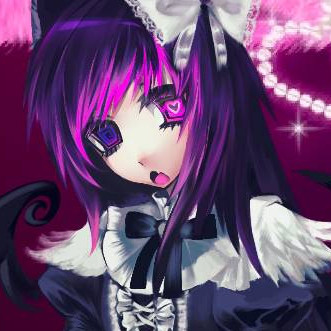
Nightcore is an internet-born editing style that speeds up and pitch‑raises existing songs—typically by around a third in speed—so the vocals become brighter and more youthful and the groove turns more urgent. Practically, a classic nightcore edit accelerates a pop, Eurodance, or trance source by roughly 20–35% (the canonical meme is ~35%), which also lifts the pitch by about five and a half semitones—similar to playing a 33⅓‑rpm record at 45 rpm. The result is euphoric, hook‑forward, and highly kinetic, and it is often presented with anime or fan‑art visuals that emphasize its internet‑native identity.
Discover
Listen
Breakcore
Breakcore is a high-intensity electronic music genre built around hyper-edited breakbeats, extreme dynamics, and a deliberately transgressive, collage-like approach to sampling. It prioritizes rhythmic complexity, abrupt structural shifts, and heavy sound design over smooth continuity. Typical tempos range from 160 to 220 BPM (and beyond), with the Amen break, Think break, and other classic breakbeats chopped into micro-fragments, re-sequenced, and processed with distortion, compression, and glitch edits. The palette freely fuses elements from jungle and drum and bass with gabber kicks, industrial noise, classical or choral snippets, ragga vocals, metal guitar samples, and odd-meter patterns. More than a single “sound,” breakcore is a methodology: confrontational energy, maximalist editing, and anti-formalist structures that often subvert dance-music expectations. It thrives in DIY scenes, warehouse parties, and netlabel cultures, where forward-pushing experimentation and boundary-blurring sampling are central values.
Discover
Listen
Drum And Bass
Drum and bass (DnB) is a fast, rhythmically intricate form of electronic dance music centered on breakbeats at roughly 160–180 BPM and powerful, sub‑heavy basslines. It grew out of the UK’s early ’90s rave and jungle scenes, combining chopped funk breaks (most famously the Amen break), dub and reggae sound‑system aesthetics, hip‑hop sampling, and techno’s futurist sound design. Across its many substyles—liquid funk’s soulful harmonies, techstep and neurofunk’s cold, machine‑like bass engineering, jump‑up’s hooky bass riffs, atmospheric DnB’s pads and space—drum and bass remains a DJ‑oriented, dancefloor‑driven genre that prizes tight drum programming, deep low end, and precise arrangement for mixing.
Discover
Listen
Emo
Emo is a rock subgenre that emerged from the mid-1980s Washington, D.C. hardcore punk scene as “emotional hardcore” (often shortened to emocore). It retains punk’s urgency but foregrounds confessional, vulnerable lyrics and dramatic dynamic shifts. Across its eras, emo has encompassed several distinct sounds: the intense, cathartic D.C. style; the melodic, guitar‑intricate “Midwest emo” of the 1990s; and the 2000s mainstream wave that blended emo’s lyrical candor with pop‑punk hooks (often called “emo pop”). Common musical traits include intertwining clean and overdriven guitars, intricate arpeggios and counter‑melodies, elastic song structures, and vocals that range from intimate murmurs to raw, impassioned shouts.
Discover
Listen
Electronic
Electronic is a broad umbrella genre defined by the primary use of electronically generated or electronically processed sound. It encompasses music made with synthesizers, drum machines, samplers, computers, and studio/tape techniques, as well as electroacoustic manipulation of recorded or synthetic sources. The genre ranges from academic and experimental traditions to popular and dance-oriented forms. While its sonic palette is rooted in electricity and circuitry, its aesthetics span minimal and textural explorations, structured song forms, and beat-driven club permutations. Electronic emphasizes sound design, timbre, and studio-as-instrument practices as much as melody and harmony.
Discover
Listen
Show all 23 genres
Albums
2025
3
/5
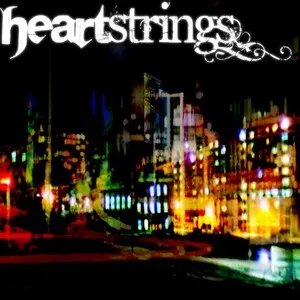
Heartstrings
lexycat
Electronicore
Electronic
Emo
2024
4
/5
glitter ✩‧₊˚
lexycat
Breakcore
Nightcore
2023
1
/5
flowerfield
lexycat
Hexd
2023
1
/5
Angelicide
lexycat
Hexd
Breakcore
Drum And Bass
Similar artists
3
/5
Vertigoaway
Breakcore
Jungle
Hexd
4
/5
Machine Girl
Digital Hardcore
Breakcore
Jungle
3
/5
Exodia
Hexd
Glitchbreak
Speedcore
2
/5
c678924
Hexd
Breakcore
Jungle
2
/5
Anthony1
Hexd
Breakcore
Freeform Hardcore
3
/5
Nuvfr
Sigilkore
Breakcore
Digital Horror
4
/5
Toby Fox
Indie Game Soundtrack
Soundtrack
Video Game Music
4
/5
George Clanton
Chillwave
Plunderphonics
Vaporwave
4
/5
Cult Member
Dreampunk
Outsider House
Lo-Fi House
2
/5
Dj Technorch
Mashcore
Breakcore
Experimental Club Music
Download our mobile app
Get the Melodigging app and start digging for new genres on the go
Download on the App Store
Get it on Google Play
© 2026 Melodigging
Give feedback
Legal
Melodding was created as a tribute to
Every Noise at Once
, which inspired us to help curious minds keep digging into music's ever-evolving genres.