Your digging level
Description
Glitchbreak is a late‑2010s, internet‑native microgenre that blends atmospheric drum‑and‑bass and jungle breakbeats with the abrasive, error‑as‑a‑texture ethos of glitch.
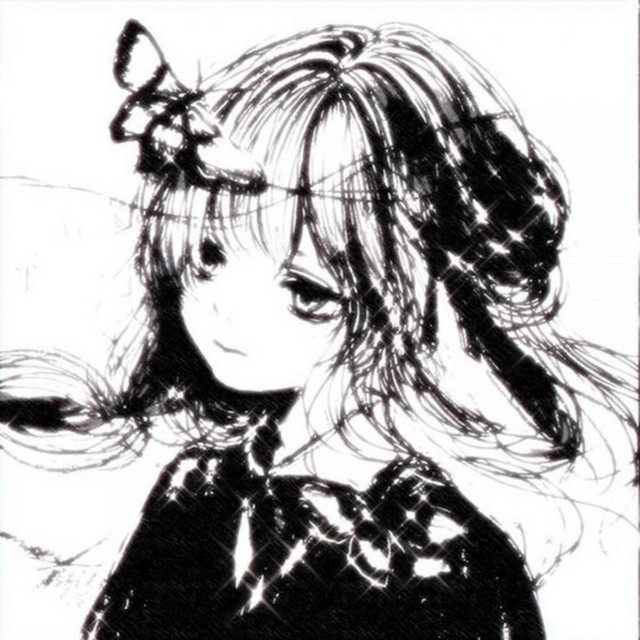
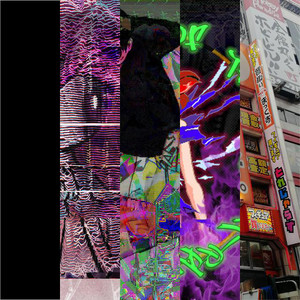
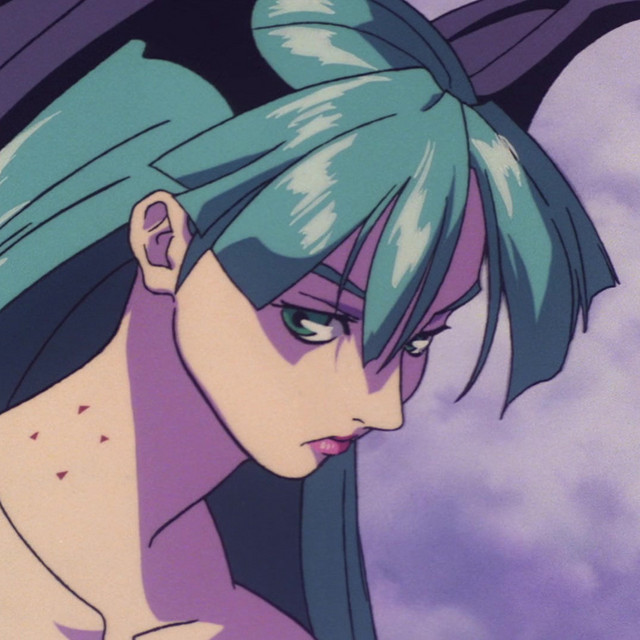
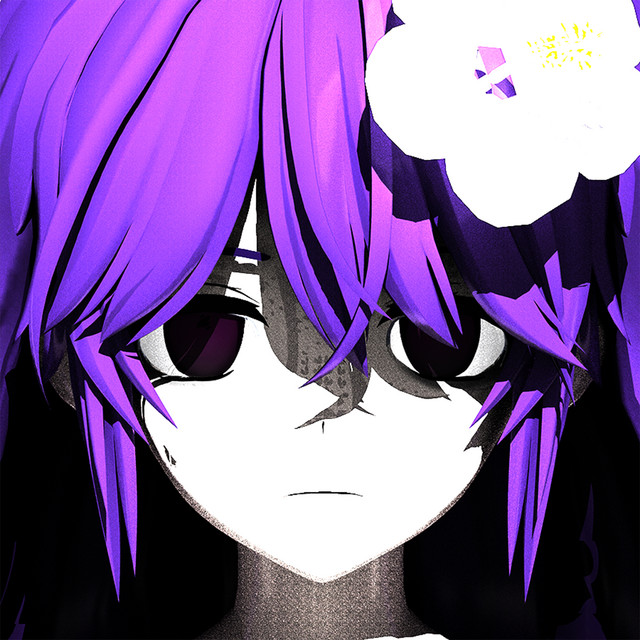
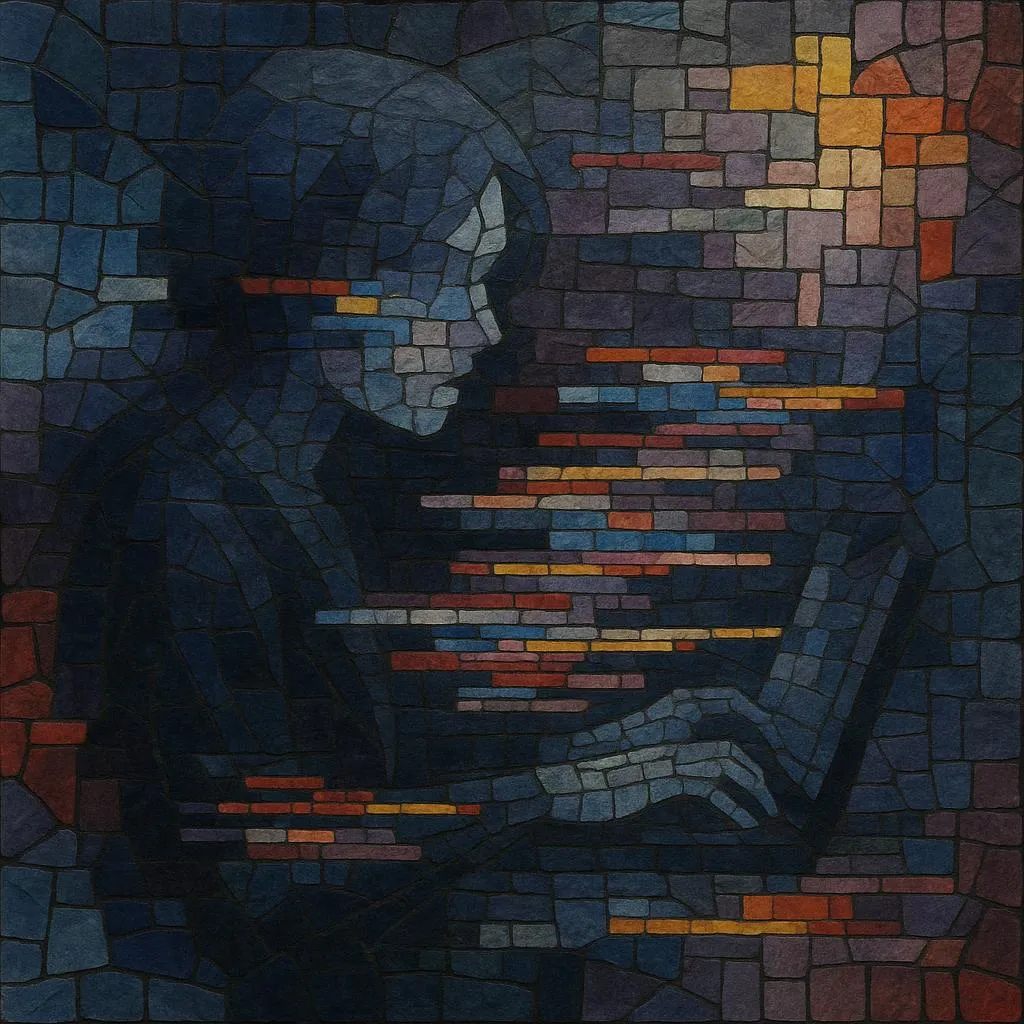
Tracks typically deploy chopped Amen/Think breaks, granular or buffer‑stutter edits, bitcrushing, and timestretch artifacts under moody pads and wistful melodies. Compared with classic breakcore, the tempo and editing are often less manic, leaning toward a melancholic, introspective vibe tied to anime/Y2K net‑aesthetics and glitch art.
History
Glitchbreak emerged online in the late 2010s as producers on SoundCloud/Spotify/TikTok fused atmospheric drum‑and‑bass/jungle breakbeats with overt glitch processing and a distinctly net‑native, anime‑tinged visual culture. The label “glitchbreak” circulated to differentiate this moodier, pad‑heavy sound from classic, hyper‑edited breakcore.
The tag consolidated across streaming platforms and social channels as listeners and artists sought a home distinct from breakcore forums, where debates about mislabeling were common. A separate community orbit—subreddits and playlists—helped formalize shared aesthetics (Amen edits, crushed textures, Y2K glitch art) and a somber, introspective tone.
Musically, the style keeps the DNA of 1990s jungle/DnB (syncopated breaks, sub‑bass) but spotlights glitch techniques—buffer repeats, granular smears, digital clipping—as musical foreground rather than incidental error. Tempos commonly range from the mid‑160s to high‑180s BPM, with arrangements that are more atmospheric than the whiplash intensity typical of classic breakcore.
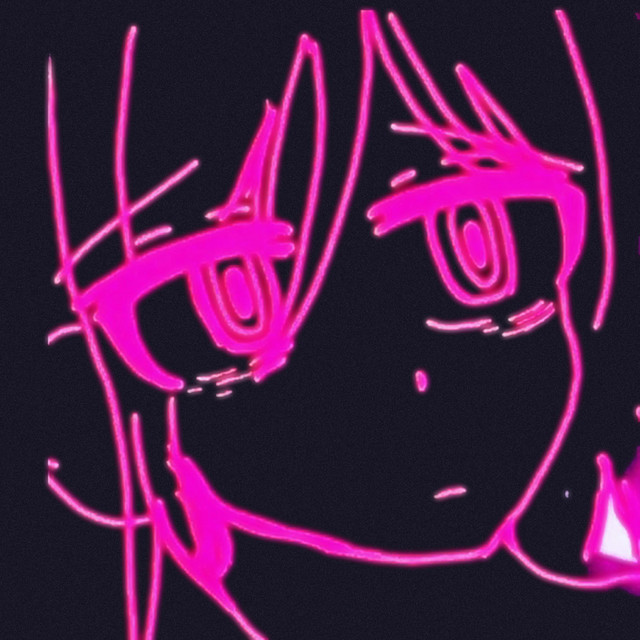
In the early–mid 2020s the sound spread through TikTok edits and Spotify playlists, codifying visual tropes (glitch art, muted neon palettes, anime references) alongside a melancholic affect. While adjacent to breakcore and lolicore fandoms, practitioners emphasize its slower pace, ambient harmonic beds, and emotive focus.