Genres
Artists
Albums
Make Music
Sign in
Sign in
Artists
Historic Classical Performance
Artists
Historic Classical Performance
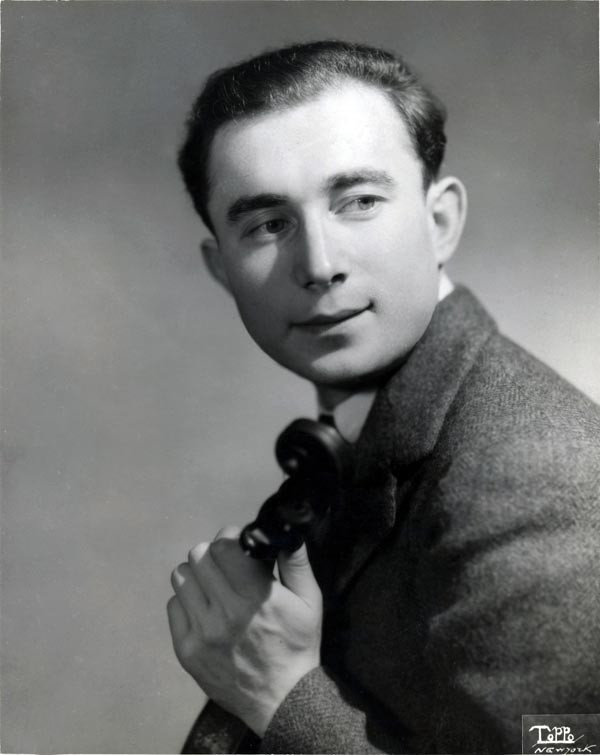
Kolisch Quartet
2011
·
1 album
Listen
1
/5
Genres
Historic Classical Performance
Historic classical performance (often aligned with the historically informed performance movement) is an approach to playing Western art music using the instruments, techniques, tunings, ensemble sizes, and stylistic conventions of the period in which the music was written. Rather than treating the score as a fixed, modern object, it treats it as a set of historically situated instructions, illuminated by treatises, original instruments, performance traditions, and the acoustics and rhetorical aims of past eras—from Medieval and Renaissance repertories through Baroque, Classical, and early Romantic music. The result emphasizes clarity of texture, speech‑like articulation, dance rhythms, improvised embellishment, and timbral colors native to gut strings, natural brass, wooden flutes, historical keyboards, and other period forces.
Discover
Listen
Historic String Quartet
Historic string quartet refers to early recorded and documented performance practice of string quartet playing—roughly from the dawn of commercial recording through the mid‑20th century. It captures ensembles whose style preserves 19th‑century traditions: a leader‑forward balance, flexible rubato, expressive portamento slides, selective (often non‑continuous) vibrato, and intimate chamber acoustics. These characteristics are heard on acoustic and early electrical discs and in concert accounts of trailblazing quartets that bridged the late‑Romantic ethos and the modern recording age. Rather than a repertoire category, it is a performance‑practice lens on canonical works (Haydn, Mozart, Beethoven, Schubert, Brahms, etc.) as realized by seminal quartets whose recordings and reviews shaped how later groups approached phrasing, articulation, seating, and ensemble blend.
Discover
Listen
Streichquartett
Streichquartett (string quartet) denotes both an ensemble of two violins, viola, and cello, and the repertory written for that combination. It is the central genre of chamber music in the Western classical tradition. The idiom is defined by a conversational texture among four independent yet interlocking voices. Classical-era works typically unfold in clear forms (especially sonata form), elegant phrase structures, and transparent counterpoint. Across the 19th and 20th centuries the quartet became a crucible for harmonic innovation, structural experimentation, and extended string techniques, while retaining its intimate scale and emphasis on musical dialogue. Because every part is exposed, the medium prizes balance, clarity, and economy of material: a few motives can generate entire movements through imitation, variation, and development.
Discover
Listen
Albums
2011
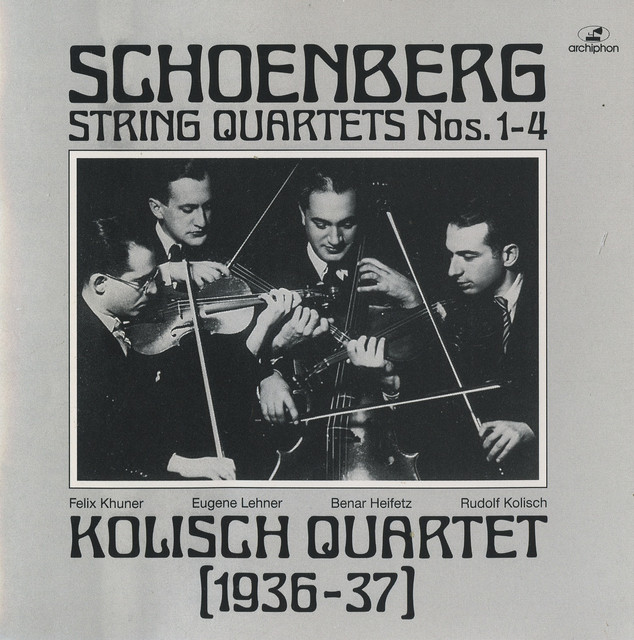
Schoenberg: String Quartets Nos. 1-4
Arnold Schoenberg, Kolisch Quartet
Historic String Quartet
Historic Classical Performance
Streichquartett
Similar artists
4
/5
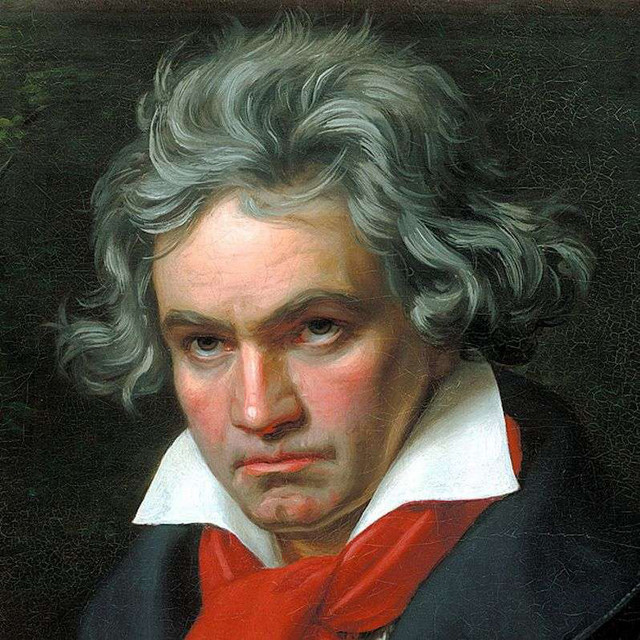
Ludwig van Beethoven
Classical
Classical Period
Romantic Classical
3
/5
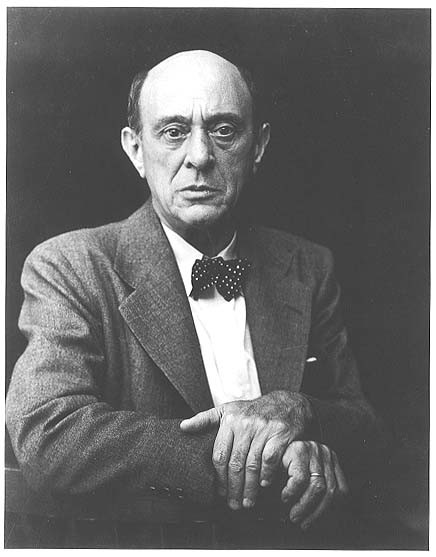
Arnold Schoenberg
Expressionism
Second Viennese School
Serialism
4
/5
Johann Sebastian Bach
Baroque
Classical
Baroque Suite
4
/5
Wolfgang Amadeus Mozart
Classical
Requiem
Classical Period
4
/5
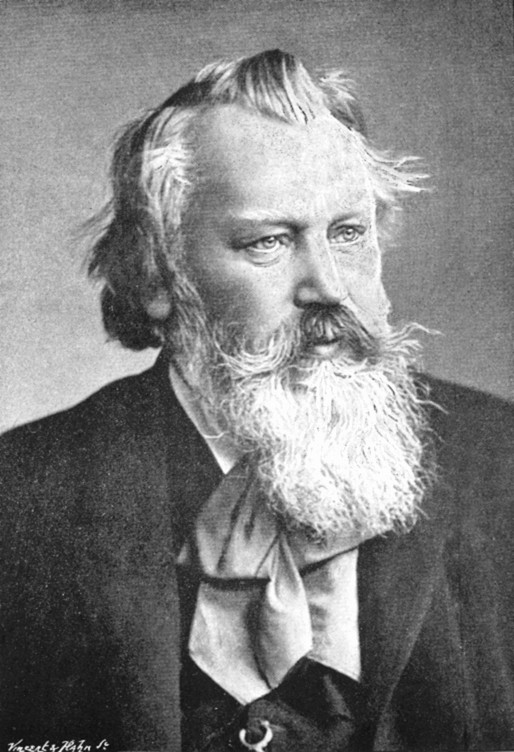
Johannes Brahms
Classical Clarinet
Classical Piano Quartet
Concerto
4
/5
Franz Schubert
Impromptu
Lied
Art Song
3
/5
Joseph Haydn
Classical
Classical Period
Classical Piano Trio
3
/5
Samuel Barber
Classical
American Classical Piano
Chamber Choir
2
/5
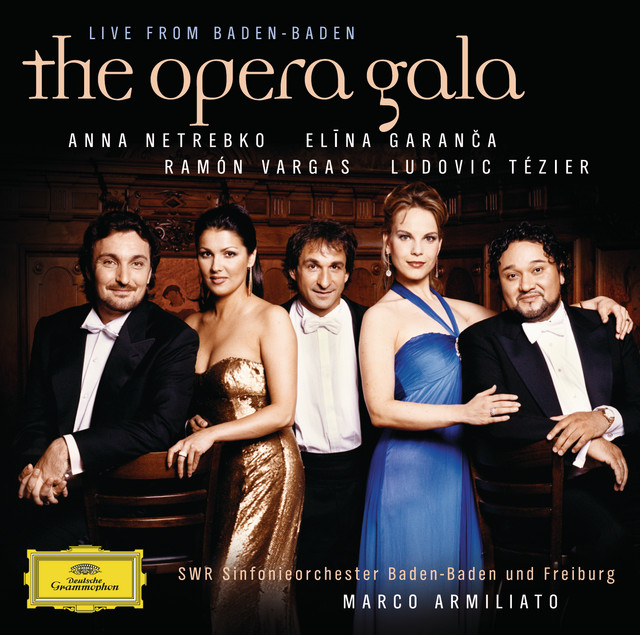
SWR Symphony Orchestra
Classical
Musique Concrète
Opera
2
/5
Paul Hindemith
Neoclassicism
Classical
Classical Piano
Download our mobile app
Get the Melodigging app and start digging for new genres on the go
Download on the App Store
Get it on Google Play
© 2026 Melodigging
Give feedback
Legal
Melodding was created as a tribute to
Every Noise at Once
, which inspired us to help curious minds keep digging into music's ever-evolving genres.