





Genres
Artists
Albums
Make Music
Sign in
Sign in
Artists
Classical
Artists
Classical
Samuel Barber
1951–2016
·
81 albums
Listen
3
/5
Genres
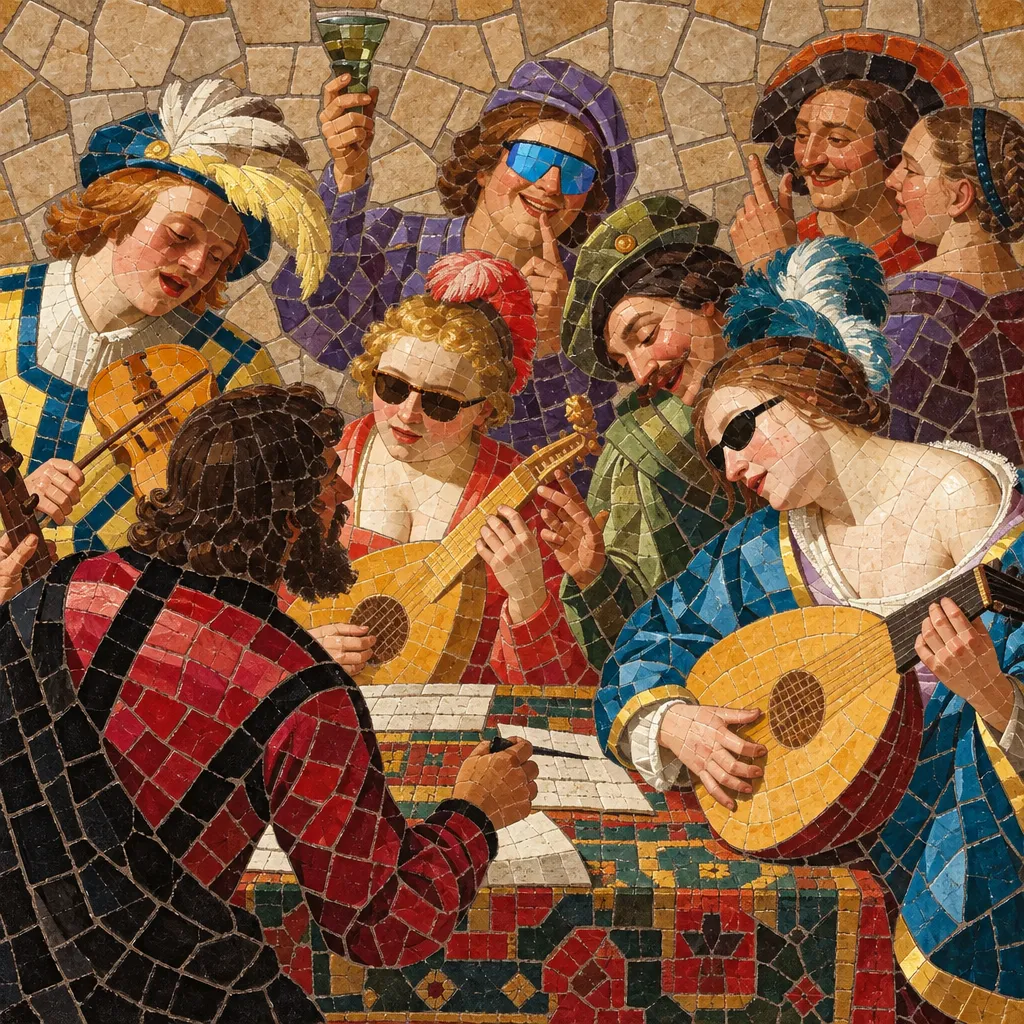
Bardcore
Bardcore is an internet-born microgenre in which contemporary pop, hip hop, and rock songs are reimagined as if performed by medieval or early Renaissance minstrels. Arrangements typically substitute modern instrumentation with lutes, harps, recorders, hurdy-gurdies, rebecs, shawms, hand drums, and choir-like vocals, while adapting melodies and harmonies to modal idioms (Dorian, Aeolian, Mixolydian). Lyrics are often translated into faux Middle English or archaic diction, and mixes are treated with intimate, stone-room reverbs to evoke a historical ambience. The result is a playful blend of historical pastiche and modern earworms that embraces both meme culture and early-music aesthetics.
Discover
Listen
Modern Classical
Modern classical is a contemporary strand of instrumental music that applies classical composition techniques to intimate, cinematic settings. It typically foregrounds piano and strings, is sparsely orchestrated, and embraces ambience, repetition, and timbral detail. Rather than the academic modernism of the early 20th century, modern classical as used today refers to accessible, mood-driven works that sit between classical, ambient, and film music. Felt pianos, close‑miked string quartets, tape hiss, drones, soft electronics, and minimal harmonic movement are common, producing a contemplative, emotionally direct sound that translates well to headphones, streaming playlists, and screen media.
Discover
Listen
Historic Classical Performance
Historic classical performance (often aligned with the historically informed performance movement) is an approach to playing Western art music using the instruments, techniques, tunings, ensemble sizes, and stylistic conventions of the period in which the music was written. Rather than treating the score as a fixed, modern object, it treats it as a set of historically situated instructions, illuminated by treatises, original instruments, performance traditions, and the acoustics and rhetorical aims of past eras—from Medieval and Renaissance repertories through Baroque, Classical, and early Romantic music. The result emphasizes clarity of texture, speech‑like articulation, dance rhythms, improvised embellishment, and timbral colors native to gut strings, natural brass, wooden flutes, historical keyboards, and other period forces.
Discover
Listen
Contemporary Classical
Contemporary classical is the broad field of Western art music created after World War II. It embraces an array of aesthetics—from serialism and indeterminacy to minimalism, spectralism, electroacoustic practices, and post‑tonal lyricism—while retaining a concern for notated composition and timbral innovation. Unlike the unified styles of earlier eras, contemporary classical is pluralistic. Composers freely mix acoustic and electronic sound, expand instrumental techniques, adopt non‑Western tuning and rhythm, and explore new forms, from process-based structures to open and graphic scores. The result is a music that can be rigorously complex or radically simple, technologically experimental or intimately acoustic, yet consistently focused on extending how musical time, timbre, and form can be shaped.
Discover
Listen
Chamber Choir
A chamber choir is a small, highly flexible choral ensemble—typically 12 to 40 voices—designed for intimate spaces and precision ensemble singing. The balance is often "one to a part" or light divisi within the SATB (soprano–alto–tenor–bass) framework, enabling remarkable clarity, blend, and contrapuntal transparency. Repertoire spans Renaissance polyphony and Baroque motets through Romantic part-songs and contemporary choral works. Performances are frequently a cappella, though chamber choirs also collaborate with organ, piano, period ensembles, or small chamber orchestras. Hallmarks include refined intonation (often favoring pure intervals), detailed text declamation, wide dynamic control, and a strong focus on timbral blend and diction.
Discover
Listen
Historic String Quartet
Historic string quartet refers to early recorded and documented performance practice of string quartet playing—roughly from the dawn of commercial recording through the mid‑20th century. It captures ensembles whose style preserves 19th‑century traditions: a leader‑forward balance, flexible rubato, expressive portamento slides, selective (often non‑continuous) vibrato, and intimate chamber acoustics. These characteristics are heard on acoustic and early electrical discs and in concert accounts of trailblazing quartets that bridged the late‑Romantic ethos and the modern recording age. Rather than a repertoire category, it is a performance‑practice lens on canonical works (Haydn, Mozart, Beethoven, Schubert, Brahms, etc.) as realized by seminal quartets whose recordings and reviews shaped how later groups approached phrasing, articulation, seating, and ensemble blend.
Discover
Listen
American Classical Piano
American classical piano refers to piano works written by composers from the United States and the distinctive performance traditions that grew around them. Blending European classical foundations with quintessentially American idioms (ragtime, jazz, blues, folk hymnody, spirituals), the repertoire stretches from 19th‑century virtuoso salon pieces through radical 20th‑century experimentation (tone clusters, prepared piano, player‑piano studies) to post‑minimal and post‑classical writing. Its language ranges from Romantic lyricism to modernist abstraction and from gospel‑tinged harmonies to rhythmically propulsive, jazz‑inflected textures. Because the piano served as a household, concert, and experimental laboratory instrument in the U.S., the genre is both cosmopolitan and vernacular: equally at home in the recital hall and in cross‑genre dialogues with Broadway, film, and popular music.
Discover
Listen
Symphony
A symphony is a large-scale composition for orchestra, typically cast in multiple movements that contrast in tempo, key, and character. In the Classical era, the most common layout was four movements: a fast opening movement (often in sonata form), a slow movement, a dance-like movement (minuet or later scherzo), and a fast finale. Over time, the symphony evolved from compact works of the mid-18th century into expansive, architecturally ambitious statements in the 19th and 20th centuries. Composers increasingly treated the symphony as a vehicle for thematic development, cyclical unity, and dramatic narrative—sometimes programmatic, sometimes abstract—using the full coloristic range of the modern orchestra. While rooted in Classical balance and clarity, symphonies incorporate a wide spectrum of harmonic languages and orchestral techniques. From Haydn’s wit and structural innovation to Beethoven’s heroic scope, Mahler’s cosmic breadth, and Shostakovich’s modern intensity, the symphony has remained a central pillar of Western concert music.
Discover
Listen
Classical Cello
Classical cello refers to the body of Western art-music repertoire, performance practices, and techniques centered on the violoncello from the Baroque era to the present. It encompasses solo works (unaccompanied suites, caprices), concertos with orchestra, sonatas with keyboard, chamber music (trios, quartets, quintets), and orchestral parts. The style prizes nuanced bow control, cantabile phrasing, and a wide dynamic palette, exploiting the instrument’s baritone-to-tenor range and vocal expressivity.
Discover
Listen
Concerto
A concerto is a large-scale composition that sets one or more solo instruments in dynamic dialogue with an orchestra. Its core idea is contrast—between soloist and tutti—and the dramatic negotiation of power, color, and thematic responsibility. While Baroque concertos often relied on ritornello form, the Classical era standardized a three-movement plan (fast–slow–fast) with sonata principles in the opening movement. The Romantic period emphasized virtuosity and expressive foregrounding of the soloist, and the 20th–21st centuries broadened the palette with new instruments, harmonies, and formats. Across eras, the concerto remains a showcase for instrumental character, technical brilliance, and the art of orchestral conversation.
Discover
Listen
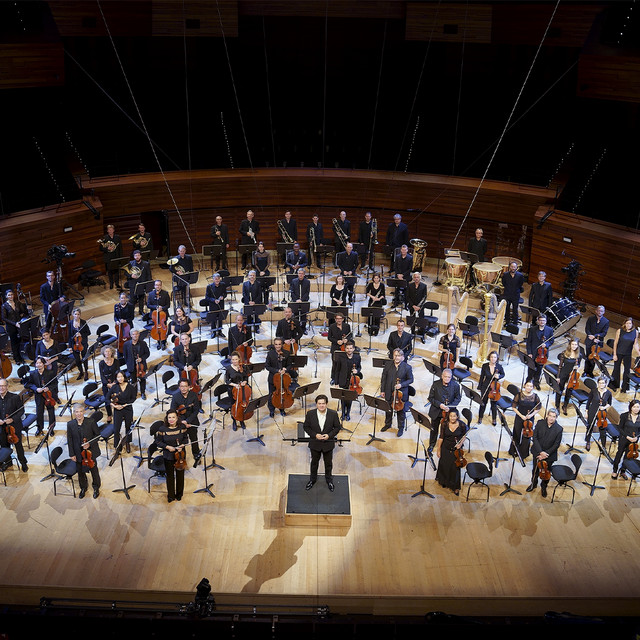
Orchestral
Orchestral music refers to compositions written for an orchestra—a large ensemble typically built around a string section (violins, violas, cellos, double basses), complemented by woodwinds, brass, percussion, and often harp, keyboard, or other auxiliary instruments. A conductor coordinates the ensemble, shaping balance, phrasing, and expression. The style emphasizes coloristic timbre combinations, dynamic range from the softest pianissimo to explosive tuttis, and textures that can shift seamlessly between transparent chamber-like writing and monumental masses of sound. Orchestral writing underpins concert genres such as symphonies, overtures, and tone poems, as well as opera, ballet, and modern film and game scores. While orchestral writing evolved across centuries, its core craft centers on melody, counterpoint, harmony, register, and orchestration—the art of assigning musical ideas to instruments to achieve clarity, contrast, and narrative impact.
Discover
Listen
Ballet
Ballet (as a musical genre) refers to orchestral music written to accompany choreographed dance on stage. It prioritizes clear tempi, strongly articulated rhythms, and memorable leitmotifs to support narrative, character, and movement. While rooted in court entertainment, ballet music evolved into a sophisticated, self-sufficient concert art: many ballets yield popular orchestral suites that are performed independently. Typical numbers include adagios, variations, codas, divertissements, character dances, and large ensemble scenes that mirror the dramatic arc of the choreography. Stylistically, ballet spans Baroque courtly idioms, Classical clarity, Romantic lyricism, and 20th‑century modernism and neoclassicism. It is predominantly instrumental (full orchestra), but can occasionally include choral or vocal parts when dramaturgy requires it.
Discover
Listen
Baroque
Baroque is a period and style of Western art music spanning roughly 1600–1750. It is characterized by the birth of functional tonality, the widespread use of basso continuo (figured bass), and a love of contrast—between soloist and ensemble, loud and soft, and different timbres. Hallmark genres and forms of the era include opera, cantata, oratorio, concerto (especially the concerto grosso), dance suite, sonata, and fugue. Textures range from expressive monody to intricate counterpoint, and melodies are richly ornamented with trills, mordents, and appoggiaturas. Baroque music flourished in churches, courts, and theaters across Europe, with regional styles (Italian, French, German, English) shaping distinctive approaches to rhythm, dance, harmony, and ornamentation.
Discover
Listen
Opera
Opera is a large-scale theatrical genre that combines music, drama, and visual spectacle, in which the story is primarily conveyed through singing accompanied by an orchestra. It unites solo voices, ensembles, and chorus with staging, costumes, and often dance to create a total artwork. Emerging in late Renaissance Italy and flourishing in the Baroque era, opera developed signature forms such as recitative (speech-like singing that advances the plot) and aria (lyrical numbers that explore character and emotion). Over the centuries it evolved diverse national styles—Italian bel canto, French grand opéra, German music drama—while continually experimenting with orchestration, harmony, narrative structure, and stagecraft.
Discover
Listen
Classical
Classical music is the notated art-music tradition of Europe and its global descendants, characterized by durable forms, carefully codified harmony and counterpoint, and a literate score-based practice. The term “classical” can refer broadly to the entire Western art-music lineage from the Medieval era to today, not just the Classical period (c. 1750s–1820s). It privileges long-form structures (such as symphonies, sonatas, concertos, masses, and operas), functional or modal harmony, thematic development, and timbral nuance across ensembles ranging from solo instruments to full orchestras and choirs. Across centuries, the style evolved from chant and modal polyphony to tonal harmony, and later to post-tonal idioms, while maintaining a shared emphasis on written notation, performance practice, and craft.
Discover
Listen
Show all 15 genres
Albums
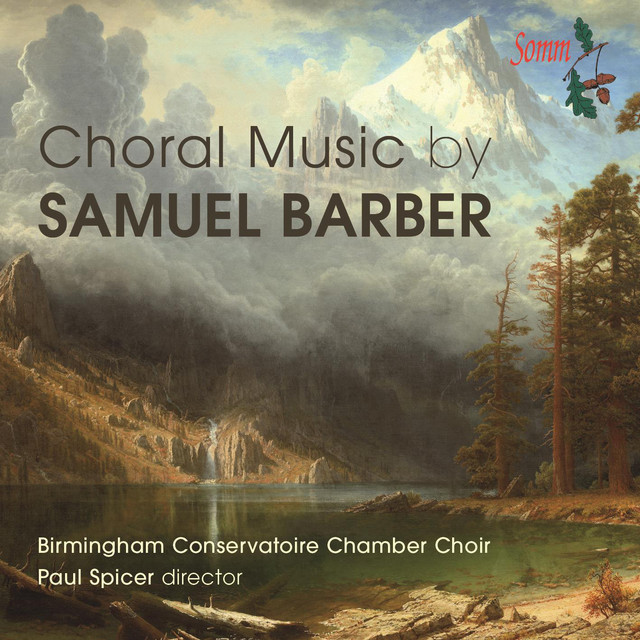
2016
Barber: Choral Music
Samuel Barber, Birmingham Conservatoire Chamber Choir, Paul Spicer
Chamber Choir
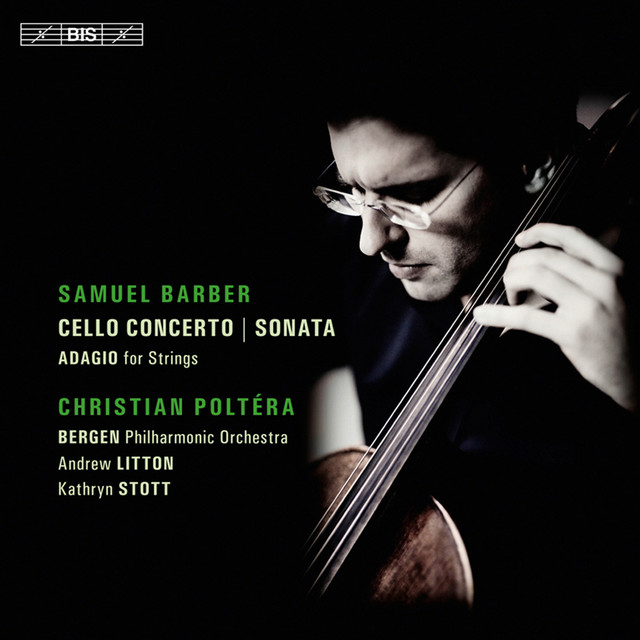
2013
Barber: Cello Concerto and Sonata
Samuel Barber, Christian Poltéra
Classical Cello
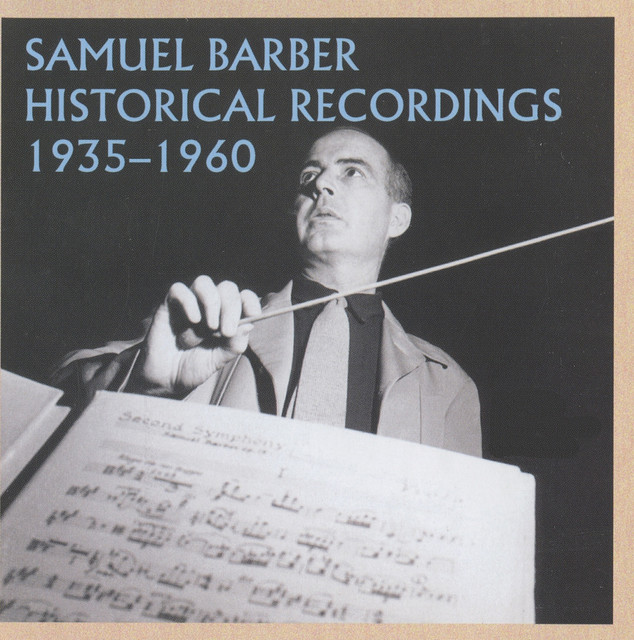
2011
Samuel Barber Historical Recordings (1935-1960)
Samuel Barber
Historic String Quartet
Historic Classical Performance
2002
Piano Concerto / Medea’s Meditation and Dance of Vengeance
Samuel Barber; Stephen Prutsman, Royal Scottish National Orchestra, Marin Alsop
American Classical Piano
Historic Classical Performance
Historic String Quartet
2002
American Works for Organ and Orchestra
Barber, Piston, Sowerby, Colgrass; David Schrader, Grant Park Orchestra, Carlos…
American Classical Piano
Historic Classical Performance
Historic String Quartet
2001
Adagio for Strings / Violin Concerto / Orchestral & Chamber Works
Barber; St Louis Symphony Orchestra, Leonard Slatkin, Elmar Oliveira
American Classical Piano
Historic Classical Performance
Historic String Quartet
2001
Orchestral Works, Volume 2: Cello Concerto / Medea / Adagio for Strings
Samuel Barber; Royal Scottish National Orchestra, Marin Alsop, Wendy Warner
Classical
2001
Violin concerto op. 14 / Cello concerto op. 22 / Piano concerto op. 38
Samuel Barber
American Classical Piano
Historic Classical Performance
Historic String Quartet
2001
Violin Concerto / Music for a Scene From Shelley / Souvenirs (Ballet Suite)
Samuel Barber; James Buswell, Royal Scottish National Orchestra, Marin Alsop
American Classical Piano
Historic Classical Performance
Historic String Quartet
2000
Orchestral Works, Volume 1: Symphonies nos. 1 and 2
Samuel Barber; Royal Scottish National Orchestra, Marin Alsop
Classical
Symphony
2000
Violin Concertos
Barber, Meyer; Hilary Hahn, Saint Paul Chamber Orchestra, Hugh Wolff
Classical
2000
20th Century Wind Quintets
Hindemith, Barber, Lars-Larsson, Janáček; Michael Thompson Wind Quintet
American Classical Piano
Historic Classical Performance
Historic String Quartet
1999
The Beauty of Barber
Samuel Barber
American Classical Piano
Historic Classical Performance
Historic String Quartet
1999
Solo Piano Music
Samuel Barber; Daniel Pollack
American Classical Piano
Historic Classical Performance
Historic String Quartet
1998
Barber / Copland / Ginastera
Barber, Copland, Ginastera; Karin Dornbusch Musica Vitae, Peter Csaba
American Classical Piano
Historic Classical Performance
Historic String Quartet
1998
Symphonies 1 & 2 / Overture: The School for Scandal / Adagio for Strings
Samuel Barber; Detroit Symphony Orchestra, Neeme Järvi
American Classical Piano
Historic Classical Performance
Historic String Quartet
1998
Strauss / Debussy / Barber
Strauss, Debussy, Barber; Shauna Rolston, Bernadene Blaha
Baroque
1997
Samuel Barber
Samuel Barber; New York Philharmonic, Thomas Schippers
American Classical Piano
Historic Classical Performance
Historic String Quartet
1997
Barber: Violin Concerto / Walton: Violin Concerto / Bloch: Baal Shem
Barber, Walton, Bloch; Joshua Bell, Baltimore Symphony Orchestra, David Zinman
Classical
1997
Music for Solo Piano
Barber; Leon McCawley
American Classical Piano
Historic Classical Performance
Historic String Quartet
1997
Violin Concerto, op. 14 / Piano Concerto, op. 38
Barber; Robert McDuffie, Jon Kimura Parker, Yoel Levi, Atlanta Symphony Orchest…
American Classical Piano
Historic Classical Performance
Historic String Quartet
1996
Choral Music
Samuel Barber, William Schuman; The Joyful Company of Singers, Peter Broadbent
Classical
1996
Violin Concerto / Cello Concerto / Capricorn Concerto
Barber; Saint Louis Symphony Orchestra, Leonard Slatkin, Kyoko Takezawa, Steven…
Classical
1995
Cathedral Classics
Martin, Barber, Allegri, Howells; The Dale Warland Singers
American Classical Piano
Historic Classical Performance
Historic String Quartet
1995
Strauss / Barber / Dvorák
Bruno Walter; Richard Strauss; Samuel Barber; Antonín Dvořák
American Classical Piano
Historic Classical Performance
Historic String Quartet
1995
Metamorphosis
Barber, Elgar, Strauss
American Classical Piano
Historic Classical Performance
Historic String Quartet
1995
Barber: Knoxville: Summer of 1915 / Copland: Eight Poems of Emily Dickinson
Copland, Barber; London Symphony Orchestra, Michael Tilson Thomas, Barbara Hend…
American Classical Piano
Historic Classical Performance
Historic String Quartet
1995
The Perlman Edition: The American Album
Bernstein, Barber, Foss; Perlman, Ozawa
Classical
1995
Chamber Music
Barber; Soloists of the New York Philharmonic Orchestra
Classical
1995
Fern Hill
Corigliano, Belmont, Barber; Kansas City Chorale, Charles Bruffy
Classical
1994
Barber: Violin Concerto / Korngold: Violin Concerto / Much Ado About Nothing - Suite
Barber, Korngold; Gil Shaham, London Symphony Orchestra, André Previn
Classical
Concerto
1994
Chadwick: Symphony no. 3 / Barber: Two Orchestral Excerpts from "Vanessa" / Music for a Scene from Shelley / Medea's Me…
George Chadwick, Samuel Barber; Detroit Symphony Orchestra, Neeme Järvi
Classical
Orchestral
Symphony
1994
Dover Beach / Songs / String Quartet / Serenade
Samuel Barber; Allen, Endellion String Quartet, Roger Vignoles
American Classical Piano
Historic Classical Performance
Historic String Quartet
1993
Barber: Symphony no. 2 / Adagio for Strings / Bristow: Symphony in F-sharp minor
Samuel Barber, George Frederick Bristow; Detroit Symphony Orchestra, Neeme Järvi
Classical
1993
Barber: Summer Music / Beach: Pastorale / Other American works
Samuel Barber, Amy Beach; Reykjavík Wind Quintet
American Classical Piano
Historic Classical Performance
Historic String Quartet
1993
Serenades
Tchaikovsky, Wolf, Barber, Elgar; Berliner Philharmoniker, Semyon Bychkov
American Classical Piano
Historic Classical Performance
Historic String Quartet
1993
Barber / Dvořák / Glass
Barber, Dvořák, Glass; The Duke Quartet
Classical
Contemporary Classical
1993
Ginastera / Gerswin / Villa-Lobos / Barber / Ives
Ginastera, Gershwin, Villa‐Lobos, Barber, Ives; Örebro Chamber Orchestra, Göran…
American Classical Piano
Historic Classical Performance
Historic String Quartet
1993
Complete Works for Solo Piano
Barber; Eric Parkin
American Classical Piano
Historic Classical Performance
Historic String Quartet
1993
The Complete Solo Piano Music
Samuel Barber; John Browning
Classical
1992
John Corigliano: Clarinet Concerto / Samuel Barber: Third Essay for Orchestra
John Corigliano, Samuel Barber; New York Philharmonic, Zubin Mehta, Stanley Dru…
American Classical Piano
Historic Classical Performance
Historic String Quartet
1992
Adagio for Strings / Symphony no. 1 / The School for Scandal
Samuel Barber; Baltimore Symphony Orchestra, David Zinman
Classical
1992
An American in Paris / Grand Canyon Suite / Adagio
Gershwin, Grove, Barber; Arturo Toscanini, NBC Symphony Orchestra
Classical
1992
American Miniatures
Barber, Copland, Thomson
American Classical Piano
Historic Classical Performance
Historic String Quartet
1992
Music of Samuel Barber
Barber; Atlanta Symphony Orchestra, Sylvia McNair, Yoel Levi
Classical
Orchestral
1992
Ives: Symphony no. 1 / Barber: Three Essays for Orchestra
Charles Ives, Samuel Barber; Detroit Symphony Orchestra, Neeme Järvi
Classical
1992
Kreutzer Sonata for Strings / Adagio for Strings / Sonata for Strings
Janáček, Barber, Walton; Australian Chamber Orchestra, Richard Tognetti
American Classical Piano
Historic Classical Performance
Historic String Quartet
1992
Ligeti / Villa-Lobos / Barber / Hindemith / Stockhausen
Ligeti, Villa‐Lobos, Barber, Hindemith, Stockhausen; Quintette Moraguès
American Classical Piano
Historic Classical Performance
Historic String Quartet
1992
American Music for Strings
Samuel Barber, Irving Fine, Elliott Carter, David Diamond; Los Angeles Chamber…
Classical
1992
Barber: Violin Concerto / Shostakovich: Violin Concerto no. 1 in A minor, op. 99
Barber, Shostakovich; Nadja Salerno-Sonnenberg, London Symphony Orchestra, Maxi…
Classical
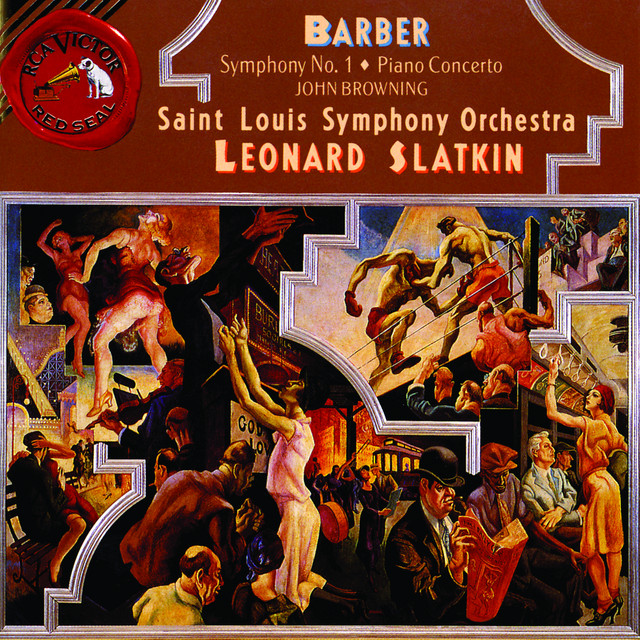
1991
Barber: Symphony No. 1 & Piano Concerto & Souvenirs
Samuel Barber, Leonard Slatkin, St. Louis Symphony, John Browning
American Classical Piano
1991
Symphony no. 1 / Piano Concerto / Souvenirs
Barber; Saint Louis Symphony Orchestra, Leonard Slatkin
American Classical Piano
Historic Classical Performance
Historic String Quartet
1991
Piano Concerto
Gershwin, Copland, Barber; Peter Jablonski, Royal Philharmonic Orchestra, Vladi…
Classical
1991
Violin Concertos
Barber, Bruch; Anne Akiko Meyers, Royal Philharmonic Orchestra, Christopher Sea…
Classical
1991
Barber: Symphony no. 1 / The School for Scandal Overture / Beach: Symphony in E minor (Gaelic)
Samuel Barber, Amy Beach; Detroit Symphony Orchestra, Neeme Järvi
Classical
1990
Mozart: Sonata K. 330 / Barber: Sonata / Debussy: Estampes, Études, Images, Préludes
Mozart, Debussy, Barber; Van Cliburn
Classical
1990
Vanessa
Barber; Eleanor Steber, Nicolai Gedda, Rosalind Elias, Giorgio Tozzi, Regina Re…
Classical
Opera
1990
Wolf-Ferrari / Strauss / Vaughan Williams / Barber
Wolf‐Ferrari, Strauss, Ralph Vaughan Williams, Barber; Humbert Lucarelli, The L…
Classical
1989
Music of Samuel Barber
Barber; Saint Louis Symphony Orchestra, Leonard Slatkin
Classical
1989
Rhapsody in Blue / Appalachian Spring / Quiet City / Knoxville / Adagio
Barber, Copland, Gershwin; City of London Sinfonia, Richard Hickox
Ballet
Classical
Orchestral
Similar artists
3
/5
Academy of Ancient Music
Classical
Concerto
Baroque
3
/5
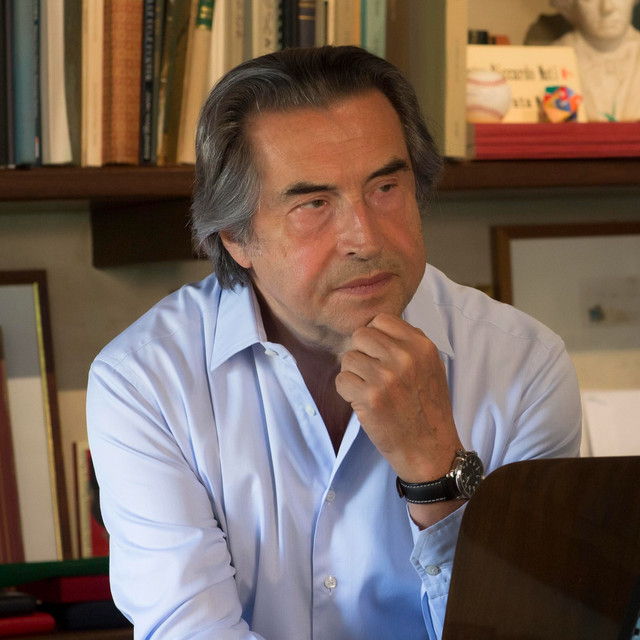
Riccardo Muti
Classical
Opera
Symphony
3
/5
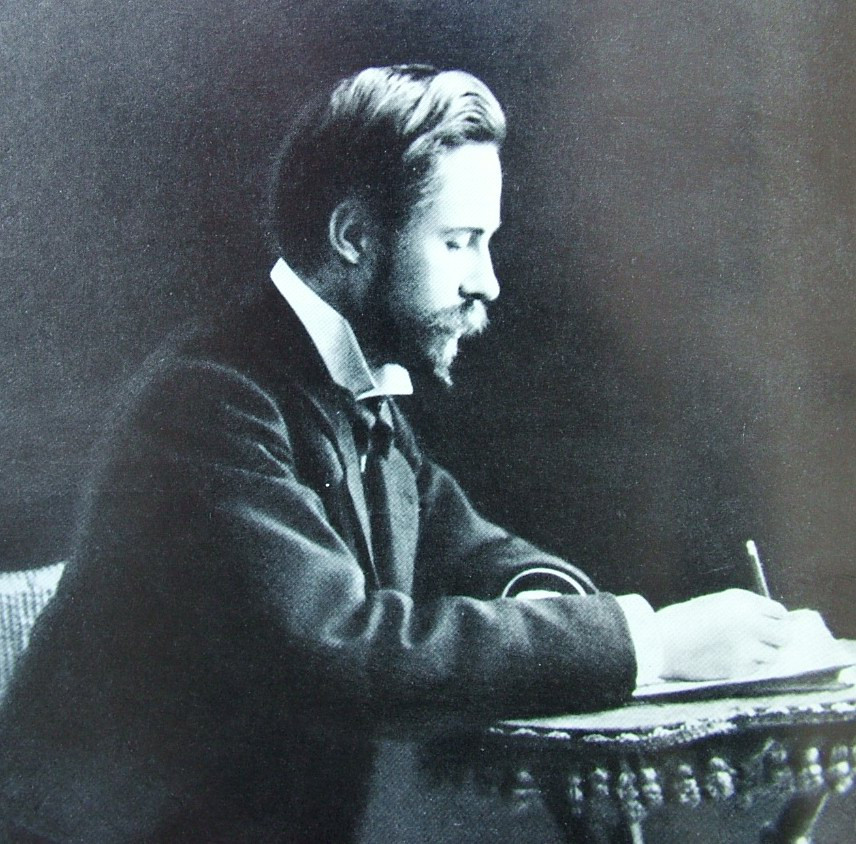
Alexander Scriabin
Classical
Mazurka
Symphony
4
/5
Philharmonia Orchestra
Classical
Opera
Historic Orchestral Performance
3
/5
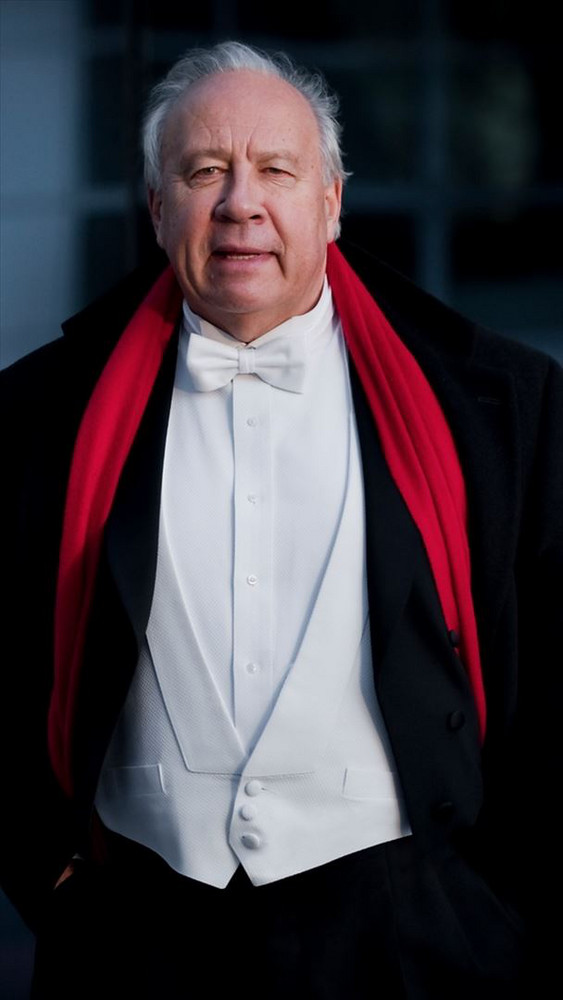
Neeme Järvi
Classical
Orchestral
Symphony
3
/5
Orchestre national de France
Classical
Opera
Concerto
3
/5
Osmo Vänskä
Classical
Orchestral
Concerto
4
/5
Herbert von Karajan
Classical
Symphonic Poem
Symphony
3
/5
Deutsches Symphonie-Orchester Berlin
Classical
Opera
Concerto
4
/5
Berliner Philharmoniker
Classical
Symphony
Romantic Classical
Download our mobile app
Get the Melodigging app and start digging for new genres on the go
Download on the App Store
Get it on Google Play
© 2026 Melodigging
Give feedback
Legal
Melodding was created as a tribute to
Every Noise at Once
, which inspired us to help curious minds keep digging into music's ever-evolving genres.