Genres
Artists
Albums
Make Music
Sign in
Sign in
Artists
Classical
Artists
Classical
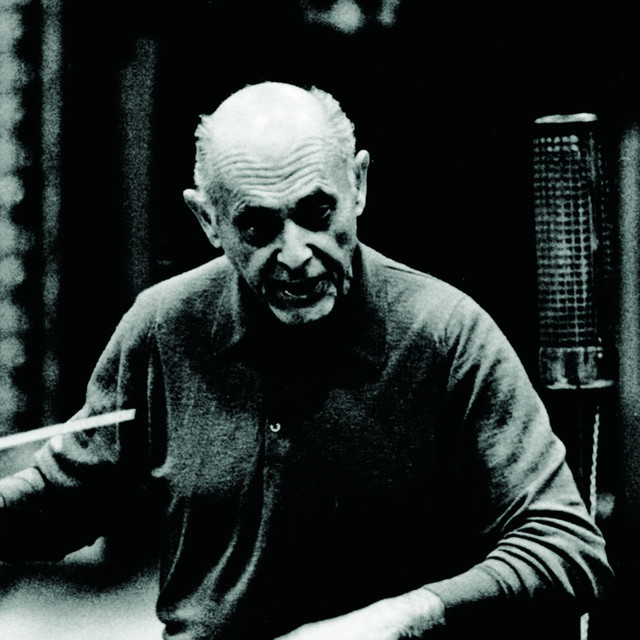
Riccardo Muti
1988–1992
·
3 albums
Listen
3
/5
Genres
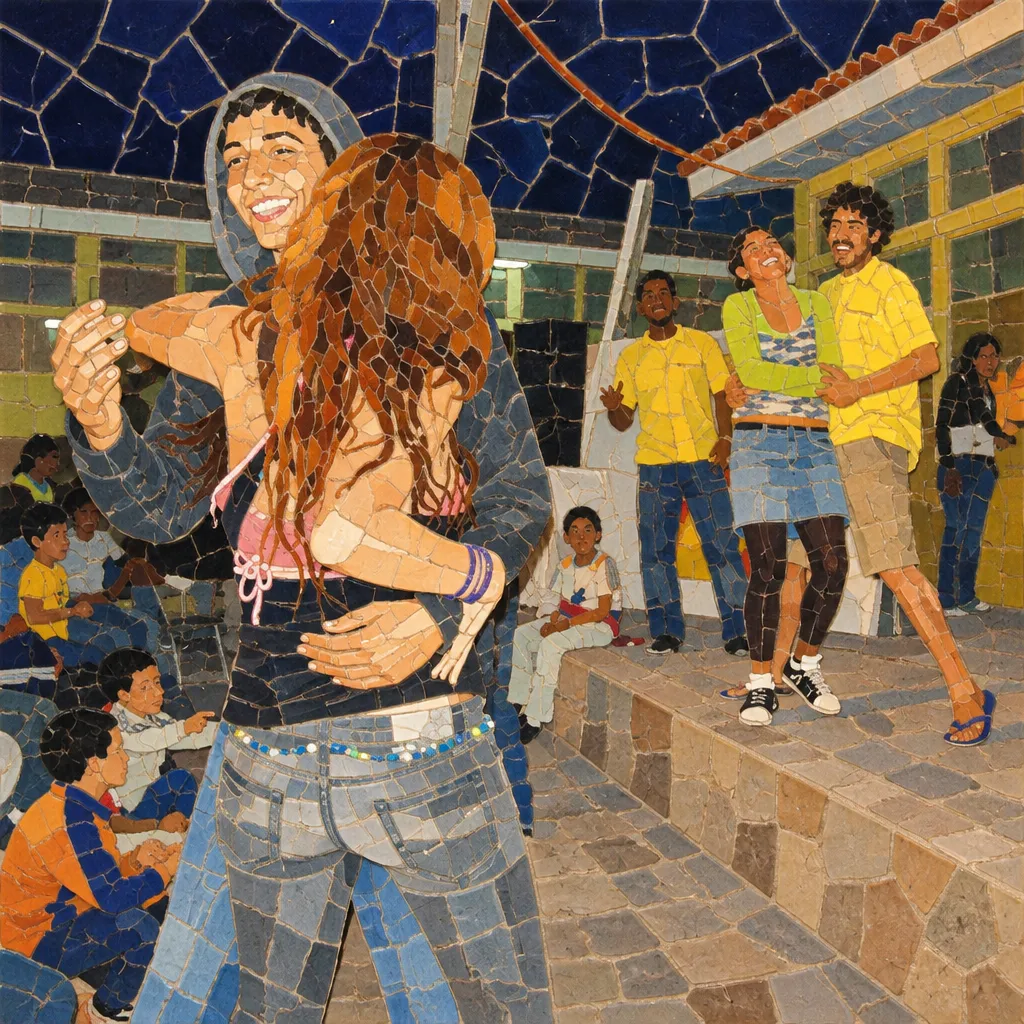
Doble Paso
Doble paso is a high‑tempo reggaetón variant characterized by running the classic dembow groove at double speed, creating a frenetic, hard‑hitting feel aimed squarely at the dance floor. Compared with standard reggaetón drum patterns (typically around 90–100 BPM), doble paso accelerates the same rhythmic skeleton to roughly 120–140 BPM, often accompanying a club dance of the same name. Producers keep the core syncopation and low‑end punch of reggaetón while tightening hi‑hats, adding denser percussion fills, and favoring short, chant‑like hooks that match the breathless pace. The result is intense, perreo‑ready energy that bridges classic reggaetón, Dominican dembow’s urgency, and club‑forward editing trends.
Discover
Listen
Opera Semiseria
Opera semiseria is an Italian operatic subgenre that blends the elevated, noble tone of opera seria with the lively wit and stock comic figures of opera buffa. Its stories often revolve around pastoral or small-town settings, endangered innocence, sudden reversals of fortune, and a rescue or reconciliation that leads to a happy ending (lieto fine). Musically, it sits within the late Classical and early Romantic bel canto idiom: graceful cantabile melodies, virtuosic cabalettas, buoyant ensembles, and theatrically charged finales are typical. A hallmark is the coexistence of a noble soprano or tenor with a basso buffo (comic bass), allowing serious pathos and comic relief to interweave within the same drama.
Discover
Listen
Opera Buffa
Opera buffa is an Italian comic opera tradition that crystallized in the early 18th century as a lively, vernacular counterpart to opera seria. It features everyday characters, social satire, rapid-fire patter singing (especially for the basso buffo), and bustling ensemble finales that drive the drama forward. Musically it favors clear, galant-era melody, diatonic harmony, recitativo secco with continuo in earlier works, and increasingly sophisticated multi-voice ensembles. Plotlines draw on commedia dell’arte archetypes and revolve around mistaken identities, class tensions, and witty intrigues, presented in the Italian language with crisp, syllabic text setting.
Discover
Listen
Orchestral Performance
Orchestral performance refers to the live or studio presentation of music by a full orchestra—strings, woodwinds, brass, and percussion—under the direction of a conductor. It is less a compositional genre than a performance tradition that interprets repertory from the Baroque era to contemporary works. Its core values are balance among sections, timbral blend, dynamic control, and expressive phrasing shaped by conducting technique and ensemble discipline. Venue acoustics, seating plans, and modern recording practices (from single-point to multi-mic arrays) further define how orchestral performance is experienced. Although most closely associated with Western classical repertoire, orchestral performance practices have also shaped film music, symphonic rock/metal, and large-scale jazz projects.
Discover
Listen
Ballet
Ballet (as a musical genre) refers to orchestral music written to accompany choreographed dance on stage. It prioritizes clear tempi, strongly articulated rhythms, and memorable leitmotifs to support narrative, character, and movement. While rooted in court entertainment, ballet music evolved into a sophisticated, self-sufficient concert art: many ballets yield popular orchestral suites that are performed independently. Typical numbers include adagios, variations, codas, divertissements, character dances, and large ensemble scenes that mirror the dramatic arc of the choreography. Stylistically, ballet spans Baroque courtly idioms, Classical clarity, Romantic lyricism, and 20th‑century modernism and neoclassicism. It is predominantly instrumental (full orchestra), but can occasionally include choral or vocal parts when dramaturgy requires it.
Discover
Listen
Opera
Opera is a large-scale theatrical genre that combines music, drama, and visual spectacle, in which the story is primarily conveyed through singing accompanied by an orchestra. It unites solo voices, ensembles, and chorus with staging, costumes, and often dance to create a total artwork. Emerging in late Renaissance Italy and flourishing in the Baroque era, opera developed signature forms such as recitative (speech-like singing that advances the plot) and aria (lyrical numbers that explore character and emotion). Over the centuries it evolved diverse national styles—Italian bel canto, French grand opéra, German music drama—while continually experimenting with orchestration, harmony, narrative structure, and stagecraft.
Discover
Listen
Requiem
A requiem is a musical setting of the Roman Catholic Mass for the Dead (Missa pro defunctis). Historically rooted in Latin liturgy, it sets movements such as the Introit, Kyrie, (historically) the Sequence Dies irae, Offertory, Sanctus, Agnus Dei, and Communion, and often includes additional responsories like Libera me and In paradisum. While the earliest requiems were monophonic chants, the genre became a showcase for polyphonic and later symphonic choral writing. Renaissance composers wrote austere, modal settings; Classical and Romantic composers expanded the forces and dramatic scope; and 20th–21st century composers reimagined the form with new languages, from neo-modal and impressionistic harmonies to avant‑garde sonorities. Today, requiems appear both in liturgy and as concert works, symbolizing collective mourning, remembrance, and spiritual reflection.
Discover
Listen
Classical
Classical music is the notated art-music tradition of Europe and its global descendants, characterized by durable forms, carefully codified harmony and counterpoint, and a literate score-based practice. The term “classical” can refer broadly to the entire Western art-music lineage from the Medieval era to today, not just the Classical period (c. 1750s–1820s). It privileges long-form structures (such as symphonies, sonatas, concertos, masses, and operas), functional or modal harmony, thematic development, and timbral nuance across ensembles ranging from solo instruments to full orchestras and choirs. Across centuries, the style evolved from chant and modal polyphony to tonal harmony, and later to post-tonal idioms, while maintaining a shared emphasis on written notation, performance practice, and craft.
Discover
Listen
Show all 8 genres
Albums
1992
1
/5
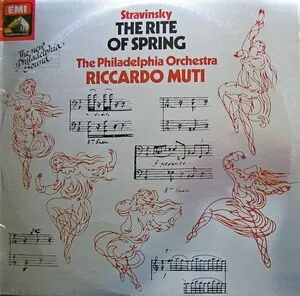
The Rite of Spring
Igor Stravinsky / The Philadelphia Orchestra / Riccardo Muti
Ballet
Classical
1988
2
/5
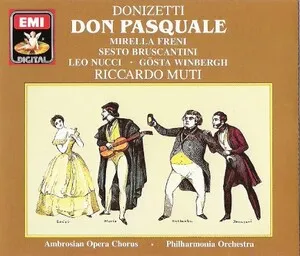
Don Pasquale
Gaetano Donizetti
Opera Buffa
1988
1
/5
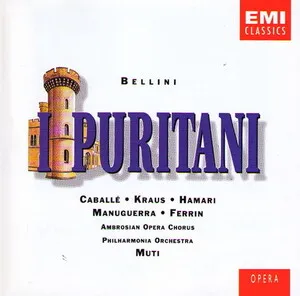
I puritani
Vincenzo Bellini
Opera Semiseria
Similar artists
4
/5
Herbert von Karajan
Classical
Symphonic Poem
Symphony
2
/5
Otto Klemperer
Choral
Classical
Opera
4
/5
London Symphony Orchestra
Classical
Ballet
Concerto
4
/5
Berliner Philharmoniker
Classical
Romantic Classical
Romanticism
4
/5
Philharmonia Orchestra
Classical
Opera
Choral
3
/5
Karl Böhm
Classical
Classical Period
Opera
3
/5
Sir Georg Solti
Classical
Romantic Classical
Romanticism
3
/5
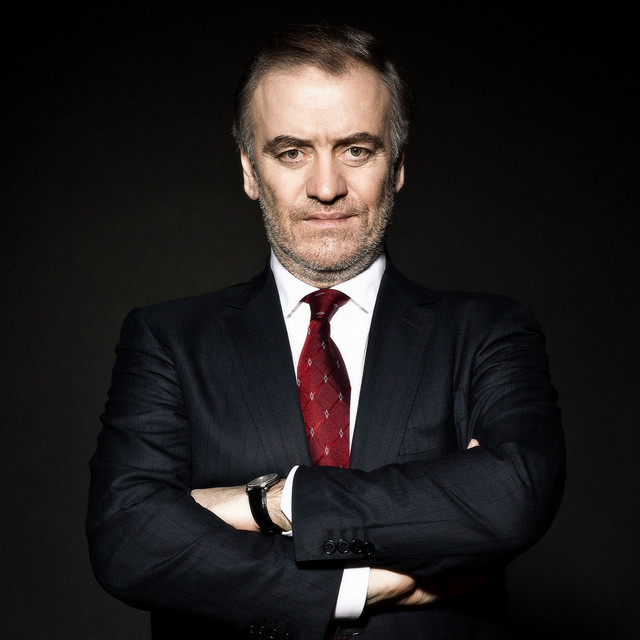
Valery Gergiev
Classical
Saint Petersburg School
Ballet
1
/5
Various Artists
Afro-Funk
Alternative Rock
Ambient
3
/5
Sir Roger Norrington
Classical
Opera
Requiem
Download our mobile app
Get the Melodigging app and start digging for new genres on the go
Download on the App Store
Get it on Google Play
© 2026 Melodigging
Give feedback
Legal
Melodding was created as a tribute to
Every Noise at Once
, which inspired us to help curious minds keep digging into music's ever-evolving genres.