Genres
Artists
Albums
Make Music
Sign in
Sign in
Artists
Expressionism
Artists
Expressionism
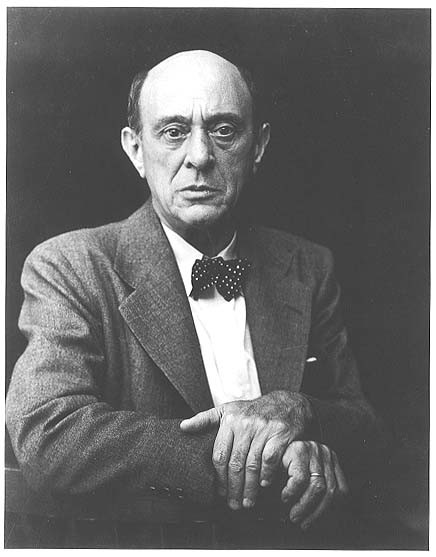
Arnold Schoenberg
1949–2017
·
29 albums
Listen
3
/5
Genres
Modern Classical
Modern classical is a contemporary strand of instrumental music that applies classical composition techniques to intimate, cinematic settings. It typically foregrounds piano and strings, is sparsely orchestrated, and embraces ambience, repetition, and timbral detail. Rather than the academic modernism of the early 20th century, modern classical as used today refers to accessible, mood-driven works that sit between classical, ambient, and film music. Felt pianos, close‑miked string quartets, tape hiss, drones, soft electronics, and minimal harmonic movement are common, producing a contemplative, emotionally direct sound that translates well to headphones, streaming playlists, and screen media.
Discover
Listen
Serialism
Serialism is a compositional method in which musical parameters are organized into ordered series that govern a work’s structure. Most famously, twelve‑tone serialism uses an ordered row of the 12 pitch classes, deploying transformations such as prime, inversion, retrograde, and retrograde inversion to avoid traditional tonal hierarchy. While Schoenberg’s twelve‑tone technique focuses on pitch, post‑war composers expanded the idea to "total" or "integral" serialism, applying series to rhythm, dynamics, articulation, timbre, and register. The results often emphasize clarity of event over tonal center, pointillistic textures, and rigorous formal control. Aesthetic outcomes range from Berg’s expressive lyricism to Webern’s ultra‑condensed, crystalline writing, and later to the highly systematized post‑war European avant‑garde. Serialism remains a cornerstone of 20th‑century modernist practice, whether embraced, extended, or reacted against by subsequent movements.
Discover
Listen
Zeitoper
Zeitoper (literally “opera of the times”) is a Weimar-era operatic current that set contemporary, urban life on the operatic stage. Emerging in late‑1920s Germany, it fused classical vocal writing with the rhythms, timbres, and topicality of the day—foxtrot and tango grooves, jazz harmonies and instrumentation, telephones, radios, cars, and news bulletins. Typical works are fast‑paced, satirical, and montage‑like, prioritizing clarity, brevity, and immediacy. The music often blends neoclassical transparency with jazz-inflected chords and dance rhythms, while librettos target modern subjects such as mass media, celebrity culture, bureaucracy, and technology. The result is a sharp, witty, and socially observant opera designed for—and about—its contemporary audience.
Discover
Listen
Expressionism
Expressionism in music is an early-20th-century modernist movement that foregrounds inner psychological states, anxiety, and alienation through highly charged sonic language. It abandons traditional tonal centers in favor of atonality or extreme chromaticism, embraces dissonance without immediate resolution, and often fragments melody into sharp, angular gestures. Textures favor clarity and intensity: chamber forces, extreme registers, abrupt contrasts of dynamics and timbre, and sparse, aphoristic forms are common. Composers experiment with Sprechstimme (speech-like vocalization), Klangfarbenmelodie (melody distributed across changing timbres), and rapidly shifting meters to intensify expression. Vocal works (monodramas, song cycles) and concise instrumental miniatures became emblematic vehicles for psychological drama.
Discover
Listen
Second Viennese School
The Second Viennese School is an early‑20th‑century circle of Viennese composers led by Arnold Schoenberg, with his pupils Alban Berg and Anton Webern. It marks the decisive move from late‑Romantic chromaticism into atonality and the codification of the twelve‑tone (dodecaphonic) method, reshaping pitch organization, form, and expression in Western art music. Its hallmarks include tight motivic economy, acute attention to timbre (Klangfarbenmelodie), pointillistic textures, extreme dynamics and registral contrasts, and an expressionist intensity that often explores fragmentation and psychological tension. The repertoire spans chamber works, lieder, orchestral pieces, piano music, and operas (notably Berg’s Wozzeck and Lulu). The school’s techniques and aesthetics became a foundational strand of 20th‑century musical modernism.
Discover
Listen
Symphonic Poem
A symphonic poem (also called a tone poem) is a single-movement orchestral work that conveys an extra-musical narrative, image, or idea through purely instrumental means. Rather than following traditional multi-movement symphonic forms, it uses flexible structures—often rhapsodic or episodic—to mirror a story, painting, landscape, poem, or philosophical concept. Rooted in Romantic aesthetics, the symphonic poem emphasizes vivid orchestration, thematic transformation, and striking harmonic color to achieve narrative coherence. It commonly deploys leitmotif-like themes that evolve as the program progresses, creating an arc that feels cinematic long before the advent of film scoring.
Discover
Listen
Lied
Lied (plural: Lieder) is the German art song: a finely crafted setting of German-language poetry for solo voice and piano. It is characterized by an intimate, chamber-scale dialogue between singer and pianist in which the accompaniment is an equal partner rather than mere support. Texts are drawn from canonical poets such as Goethe, Heine, Rückert, and Eichendorff, and the music often employs vivid text painting, flexible prosody, and nuanced harmonic color to illuminate poetic imagery. Formal designs include strophic, modified strophic, and through-composed forms, allowing composers to mirror a poem’s narrative or emotional arc. The Lied flourished in the Romantic era, crystallizing ideals of interiority, nature, folklore, and the unity of poetry and music. It remains central to recital repertoire and a cornerstone of German vocal culture.
Discover
Listen
Art Song
Art song is an intimate, concert-music genre in which a poetic text is set for solo voice with an equally integral piano accompaniment. Unlike popular song, it is composed for attentive listening in the recital hall or salon, and unlike opera, it does not require staging or multiple characters. The genre privileges prosody, word-painting, and subtle harmonic color to illuminate imagery and emotion in the poem. Forms range from strophic and modified strophic to fully through-composed designs, and the piano often supplies prelude, interludes, and a telling postlude that extends or reframes the text’s sentiment. German Lieder, French mélodie, and English-language art song are the best-known national currents within this tradition.
Discover
Listen
Monodrama
Monodrama is a staged musical work centered on a single character whose thoughts, memories, or actions unfold in real time. It typically features one singer (or sometimes a speaking actor) accompanied by orchestra, chamber ensemble, or piano, turning the solitary voice into the sole onstage protagonist. While it shares DNA with opera, cantata, and melodrama, monodrama narrows the dramatic lens to an intimate psychological drama. The music is often through-composed, allowing uninterrupted narrative flow, and the orchestra frequently functions as an "invisible second character," projecting scenery, memory, and subtext through color and motif.
Discover
Listen
String Quartet
The string quartet is a cornerstone chamber-music genre scored for two violins, viola, and cello. It typically features a conversational texture where four independent voices share thematic material, balancing melody, harmony, and counterpoint. The classic four‑movement plan (fast sonata‑form, slow movement, minuet/scherzo, and a lively finale) became a hallmark in the Classical era, while later composers expanded and transformed the form, harmony, rhythm, and timbre. From Haydn and Mozart through Beethoven and Schubert to Bartók and Shostakovich, the quartet has served as a laboratory for compositional craft and expressive depth, ranging from intimate lyricism to rigorous structure and avant‑garde experimentation.
Discover
Listen
Serenade
A serenade is a classical-period genre that originally denoted evening music performed outdoors, often offered to honor or woo someone. By the mid–late 18th century, it evolved into a multi-movement instrumental work closely related to the divertimento and cassation, typically lighter in character than a symphony and intended for social occasions. Serenades are tuneful, gracious, and often scored for small orchestra, wind ensemble, or strings, with movement types such as marches, minuets, and lyrical slow movements. Famous examples include Mozart’s Eine kleine Nachtmusik and the string serenades of Dvořák and Tchaikovsky.
Discover
Listen
Concerto
A concerto is a large-scale composition that sets one or more solo instruments in dynamic dialogue with an orchestra. Its core idea is contrast—between soloist and tutti—and the dramatic negotiation of power, color, and thematic responsibility. While Baroque concertos often relied on ritornello form, the Classical era standardized a three-movement plan (fast–slow–fast) with sonata principles in the opening movement. The Romantic period emphasized virtuosity and expressive foregrounding of the soloist, and the 20th–21st centuries broadened the palette with new instruments, harmonies, and formats. Across eras, the concerto remains a showcase for instrumental character, technical brilliance, and the art of orchestral conversation.
Discover
Listen
Chamber Music
Chamber music is a tradition of composed music for small ensembles—typically one player per part—intended for intimate spaces such as courts, salons, and private rooms rather than large public halls. Its aesthetic emphasizes clarity of texture, conversational interplay among parts, and balance without a conductor. Hallmark formations include the string quartet, piano trio, wind quintet, string quintet, and various mixed ensembles. Multi‑movement cycles (often in sonata form) and finely wrought counterpoint are common, ranging from Baroque trio sonatas to Classical string quartets and modern works with expanded timbres and techniques. Because of its scale and transparency, chamber music has long been a proving ground for compositional craft and ensemble musicianship, shaping the core of Western art music from the Baroque through the present.
Discover
Listen
Cantata
A cantata is a multi-movement vocal composition with instrumental accompaniment, typically written for one or more soloists, choir, and a continuo or small orchestra. It may be sacred (for liturgical use) or secular (for courtly or domestic performance). Emerging in early 17th-century Italy, the cantata adopts the expressive recitative–aria contrast of opera on a smaller scale. Baroque church cantatas—especially in the German Lutheran tradition—often weave congregational chorales, contrapuntal choruses, and solo arias into a coherent cycle tied to the liturgical calendar. Stylistically, cantatas use tonal Baroque harmony, basso continuo, and movement types such as recitativo secco/accompagnato, da capo arias, choruses, and sinfonias. The genre later broadened into concert and scenic cantatas in the 19th and 20th centuries.
Discover
Listen
Classical
Classical music is the notated art-music tradition of Europe and its global descendants, characterized by durable forms, carefully codified harmony and counterpoint, and a literate score-based practice. The term “classical” can refer broadly to the entire Western art-music lineage from the Medieval era to today, not just the Classical period (c. 1750s–1820s). It privileges long-form structures (such as symphonies, sonatas, concertos, masses, and operas), functional or modal harmony, thematic development, and timbral nuance across ensembles ranging from solo instruments to full orchestras and choirs. Across centuries, the style evolved from chant and modal polyphony to tonal harmony, and later to post-tonal idioms, while maintaining a shared emphasis on written notation, performance practice, and craft.
Discover
Listen
Show all 15 genres
Albums
2017
1
/5
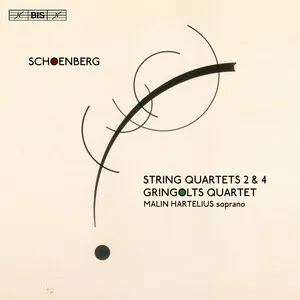
String Quartets 2 & 4
Arnold Schoenberg / Gringolts Quartet / Malin Hartelius
Expressionism
2017
1
/5
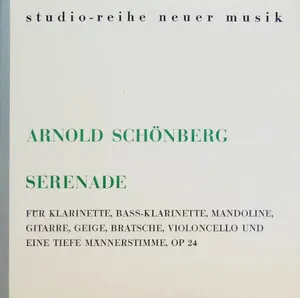
Serenade Op. 24
Arnold Schoenberg / Orchestre du Domaine Musical / Pierre Boulez
Serenade
2009
1
/5
Arnold Schoenberg 2: Streichquartette I-IV
Arnold Schoenberg / Arditti Quartet / Dawn Upshaw
Expressionism
Second Viennese School
Serialism
2008
1
/5
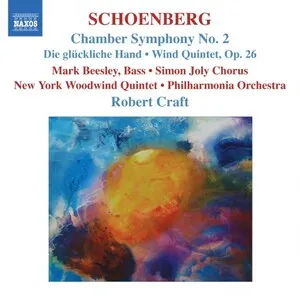
Chamber Symphony No. 2; Die glückliche Hand; Wind Quintet, Op. 26
Arnold Schoenberg
Expressionism
2008
3
/5
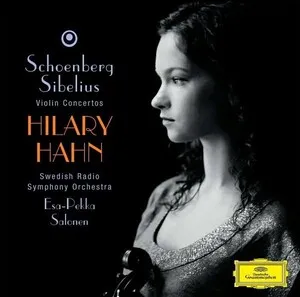
Violin Concertos
Arnold Schoenberg / Jean Sibelius
Concerto
2005
1
/5
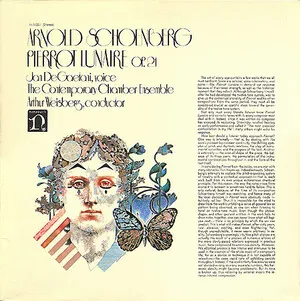
Pierrot lunaire Op. 21
Arnold Schoenberg
Expressionism
2003
1
/5
Pierrot lunaire
Arnold Schoenberg
Expressionism
Second Viennese School
2002
2
/5
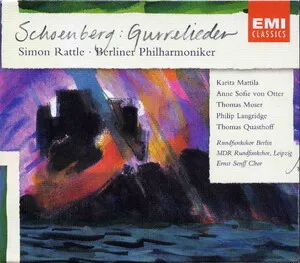
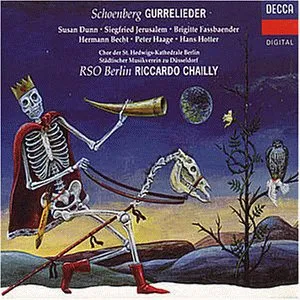
Gurrelieder
Arnold Schoenberg
Expressionism
2000
1
/5
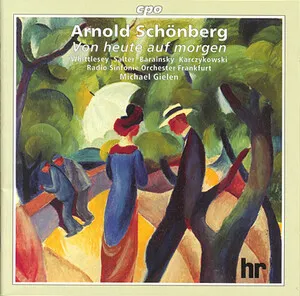
Von heute auf morgen
Arnold Schoenberg
Zeitoper
1998
2
/5
Pierrot lunaire; Herzgewächse; Ode to Napoleon
Arnold Schoenberg
Expressionism
Second Viennese School
1996
1
/5
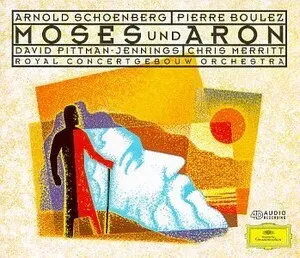
Moses und Aron
Arnold Schoenberg
Second Viennese School
Serialism
1990
1
/5
Gurrelieder
Arnold Schoenberg
Cantata
Expressionism
1985
1
/5
Verklärte Nacht; Variationen für Orchester op 31
Arnold Schoenberg / Berliner Philharmoniker / Herbert von Karajan
Second Viennese School
1984
1
/5
Verklärte Nacht; Streichtrio
Arnold Schoenberg
Expressionism
Second Viennese School
Chamber Music
1982
1
/5
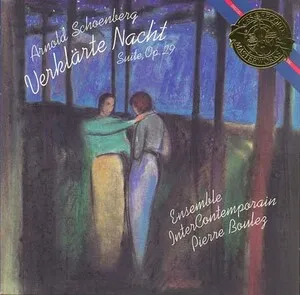
Verklärte Nacht, Op. 4; Suite, Op. 29
Arnold Schoenberg / Ensemble intercontemporain / Pierre Boulez
Expressionism
Second Viennese School
1980
1
/5
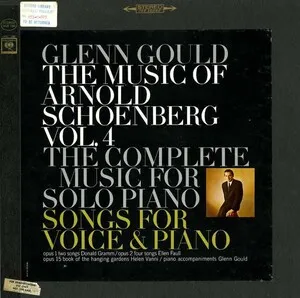
The Music of Arnold Schoenberg Vol. 4: The Complete Music for Solo Piano; Songs for Voice & Piano
Arnold Schoenberg
Lied
Expressionism
Art Song
1978
1
/5
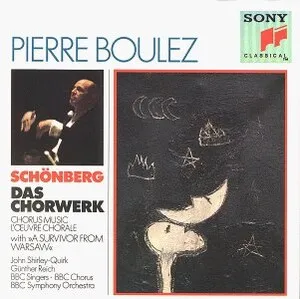
Das Chorwerk
Arnold Schoenberg
Expressionism
Classical
1975
1
/5
Das Klavierwerk (The Piano Music)
Arnold Schoenberg / Maurizio Pollini
Expressionism
Second Viennese School
Serialism
1975
2
/5
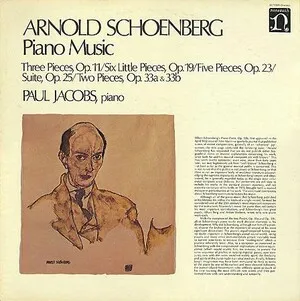
Piano Music
Arnold Schoenberg / Paul Jacobs
Second Viennese School
Serialism
1974
1
/5
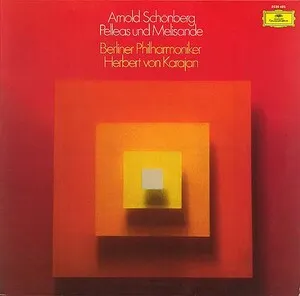
Pelleas und Melisande
Arnold Schoenberg / Berliner Philharmoniker / Herbert von Karajan
Expressionism
Symphonic Poem
Second Viennese School
1961
1
/5
Pierrot lunaire
Arnold Schoenberg
Expressionism
Second Viennese School
1949
1
/5
Serenade Opus 24
Arnold Schoenberg
Serenade
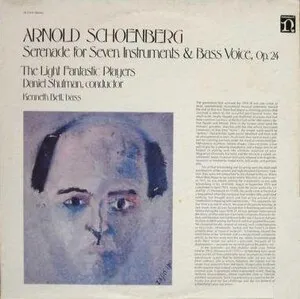
Serenade for Seven Instruments & Bass Voice, Op. 24
Arnold Schoenberg
Serenade
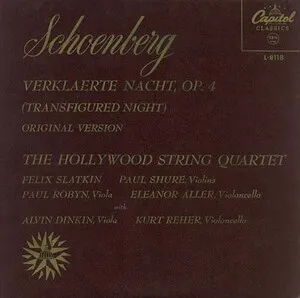
Verklaerte Nacht, Op. 4
Arnold Schoenberg
Symphonic Poem
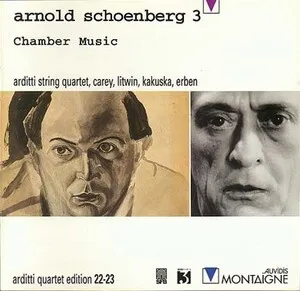
Arnold Schoenberg 3: Chamber Music
Arnold Schoenberg
Second Viennese School
Verklaerte Nacht, Op. 4
Arnold Schoenberg
Second Viennese School
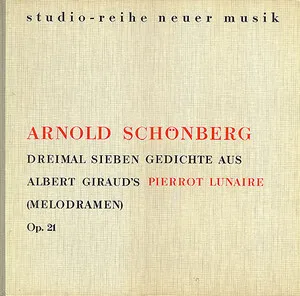
Dreimal sieben Gedichte aus Albert Giraud's Pierrot lunaire (Melodramen) Op. 21
Arnold Schoenberg
Expressionism
Dreimal sieben Gedichte aus Albert Giraud's Pierrot lunaire (Melodramen) Op. 21
Arnold Schoenberg
Lied
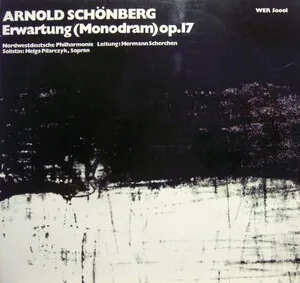
Erwartung (Monodram) op. 17
Arnold Schoenberg
Monodrama
Similar artists
3
/5
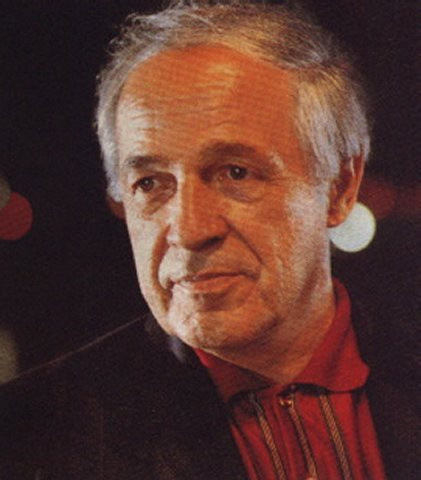
Pierre Boulez
Classical
Serialism
Second Viennese School
2
/5
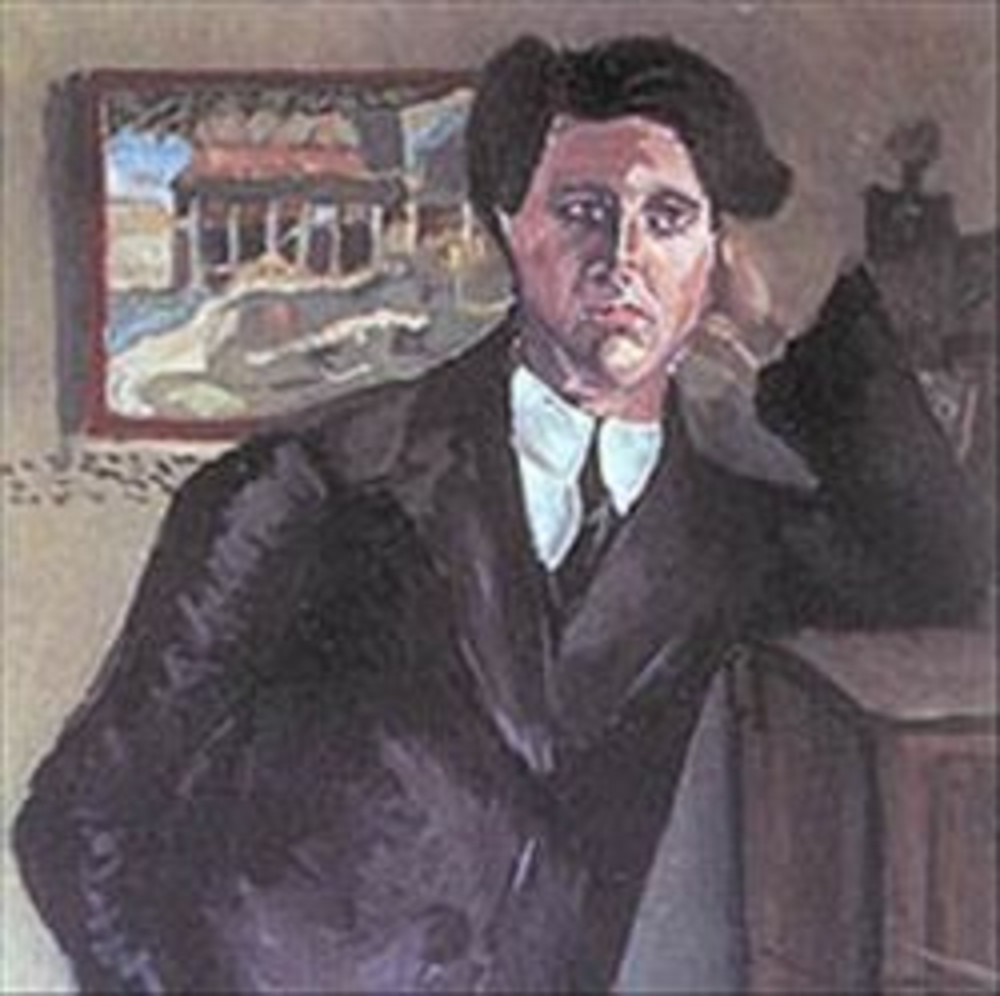
Alban Berg
Second Viennese School
Expressionism
Avant-Garde
2
/5
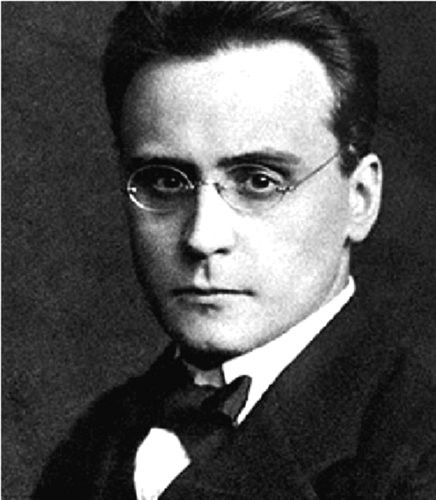
Anton Webern
Serialism
Chamber Music
Second Viennese School
1
/5
Arditti Quartet
Chamber Music
Classical
String Quartet
4
/5
Berliner Philharmoniker
Classical
Romantic Classical
Romanticism
4
/5
Herbert von Karajan
Classical
Symphonic Poem
Symphony
3
/5
Glenn Gould
Baroque
Classical
Fugue
4
/5
London Symphony Orchestra
Classical
Ballet
Concerto
3
/5
Philippe Herreweghe
Classical
Baroque
Choral
2
/5
Ensemble Intercontemporain
Avant-Garde
Chamber Music
Classical
Download our mobile app
Get the Melodigging app and start digging for new genres on the go
Download on the App Store
Get it on Google Play
© 2026 Melodigging
Give feedback
Legal
Melodding was created as a tribute to
Every Noise at Once
, which inspired us to help curious minds keep digging into music's ever-evolving genres.