
Genres
Artists
Albums
Make Music
Sign in
Sign in
Artists
Baroque
Artists
Baroque
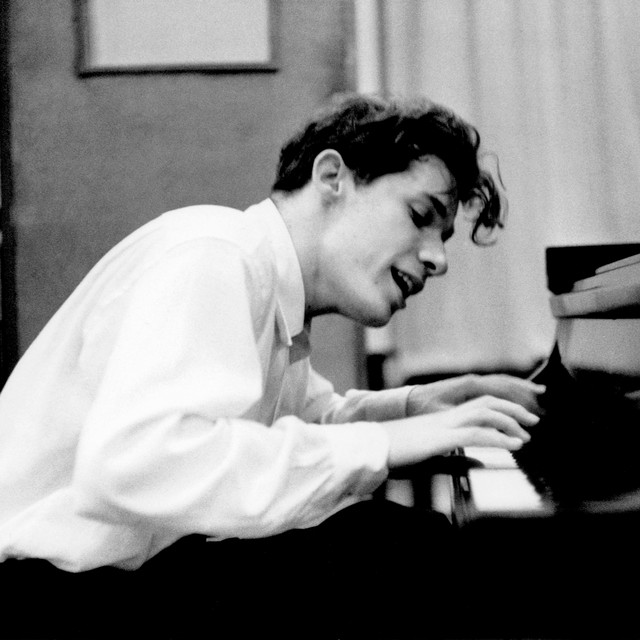
Glenn Gould
1956–1981
·
18 albums
Listen
3
/5
Genres
Radio Broadcast Recordings
Radio broadcast recordings are archival or off-air captures of live radio programs, ranging from music performances and variety shows to news bulletins, drama, comedy, and DJ airchecks. They include studio sessions performed specifically for radio (often recorded to transcription discs or tape), as well as direct off-air recordings made by engineers, collectors, or the stations themselves. The sound can vary from band-limited, mono, lo‑fi captures to surprisingly high-fidelity transcriptions, depending on era and medium. Culturally, these recordings preserve the immediacy and ephemerality of radio: sponsor read‑outs, station IDs, vintage jingles, crowd reactions, and unedited presenter patter. They are invaluable to historians and reissue labels, and they inspire modern sample-based styles that mine their nostalgia, texture, and institutional aura.
Discover
Listen
Serialism
Serialism is a compositional method in which musical parameters are organized into ordered series that govern a work’s structure. Most famously, twelve‑tone serialism uses an ordered row of the 12 pitch classes, deploying transformations such as prime, inversion, retrograde, and retrograde inversion to avoid traditional tonal hierarchy. While Schoenberg’s twelve‑tone technique focuses on pitch, post‑war composers expanded the idea to "total" or "integral" serialism, applying series to rhythm, dynamics, articulation, timbre, and register. The results often emphasize clarity of event over tonal center, pointillistic textures, and rigorous formal control. Aesthetic outcomes range from Berg’s expressive lyricism to Webern’s ultra‑condensed, crystalline writing, and later to the highly systematized post‑war European avant‑garde. Serialism remains a cornerstone of 20th‑century modernist practice, whether embraced, extended, or reacted against by subsequent movements.
Discover
Listen
Expressionism
Expressionism in music is an early-20th-century modernist movement that foregrounds inner psychological states, anxiety, and alienation through highly charged sonic language. It abandons traditional tonal centers in favor of atonality or extreme chromaticism, embraces dissonance without immediate resolution, and often fragments melody into sharp, angular gestures. Textures favor clarity and intensity: chamber forces, extreme registers, abrupt contrasts of dynamics and timbre, and sparse, aphoristic forms are common. Composers experiment with Sprechstimme (speech-like vocalization), Klangfarbenmelodie (melody distributed across changing timbres), and rapidly shifting meters to intensify expression. Vocal works (monodramas, song cycles) and concise instrumental miniatures became emblematic vehicles for psychological drama.
Discover
Listen
Second Viennese School
The Second Viennese School is an early‑20th‑century circle of Viennese composers led by Arnold Schoenberg, with his pupils Alban Berg and Anton Webern. It marks the decisive move from late‑Romantic chromaticism into atonality and the codification of the twelve‑tone (dodecaphonic) method, reshaping pitch organization, form, and expression in Western art music. Its hallmarks include tight motivic economy, acute attention to timbre (Klangfarbenmelodie), pointillistic textures, extreme dynamics and registral contrasts, and an expressionist intensity that often explores fragmentation and psychological tension. The repertoire spans chamber works, lieder, orchestral pieces, piano music, and operas (notably Berg’s Wozzeck and Lulu). The school’s techniques and aesthetics became a foundational strand of 20th‑century musical modernism.
Discover
Listen
Regional Music
Regional music is an umbrella term for locally rooted musical styles that are strongly tied to a specific place, community, and cultural practice. Rather than denoting one uniform sound, it encompasses many traditions whose instrumentation, rhythms, language, and performance customs reflect the history and daily life of a region. In the recording era, labels, radio programmers, and later streaming platforms used “regional music” to group market- or scene-specific traditions (for example, Cajun in Louisiana, son in Cuba, morna in Cape Verde, or Irish traditional music). The term highlights locality, vernacular identity, and continuity with folk or indigenous practices, even when these styles modernize or cross over into pop and rock contexts.
Discover
Listen
Art Song
Art song is an intimate, concert-music genre in which a poetic text is set for solo voice with an equally integral piano accompaniment. Unlike popular song, it is composed for attentive listening in the recital hall or salon, and unlike opera, it does not require staging or multiple characters. The genre privileges prosody, word-painting, and subtle harmonic color to illuminate imagery and emotion in the poem. Forms range from strophic and modified strophic to fully through-composed designs, and the piano often supplies prelude, interludes, and a telling postlude that extends or reframes the text’s sentiment. German Lieder, French mélodie, and English-language art song are the best-known national currents within this tradition.
Discover
Listen
Lied
Lied (plural: Lieder) is the German art song: a finely crafted setting of German-language poetry for solo voice and piano. It is characterized by an intimate, chamber-scale dialogue between singer and pianist in which the accompaniment is an equal partner rather than mere support. Texts are drawn from canonical poets such as Goethe, Heine, Rückert, and Eichendorff, and the music often employs vivid text painting, flexible prosody, and nuanced harmonic color to illuminate poetic imagery. Formal designs include strophic, modified strophic, and through-composed forms, allowing composers to mirror a poem’s narrative or emotional arc. The Lied flourished in the Romantic era, crystallizing ideals of interiority, nature, folklore, and the unity of poetry and music. It remains central to recital repertoire and a cornerstone of German vocal culture.
Discover
Listen
Bagatelle
A bagatelle is a short, light, and often lyrical instrumental piece whose title comes from the French word for "trifle." In classical music, it is most commonly a brief piano miniature, though composers have written bagatelles for many instruments and ensembles. While hints of the idea appear in the late Baroque, the bagatelle became recognizable as a genre in the early 19th century, especially through Beethoven’s influential sets. Later composers expanded its expressive range—from charming salon pieces to modernist aphorisms—while preserving its hallmark concision and clarity.
Discover
Listen
Classical Piano
Classical piano is the tradition of composing and performing music for the acoustic piano within the Western classical lineage. It emphasizes formal clarity, tonal harmony, contrapuntal writing, and expressive nuance across the full compass of the instrument. Its core repertoire ranges from Classical-era sonatas and variations to Romantic character pieces, études, dances, and 20th-century impressionistic and modernist works. Pianists exploit dynamics, articulation, pedaling, and touch to shape phrases, imitate orchestral textures, and project both intimate lyricism and large-scale drama.
Discover
Listen
Baroque
Baroque is a period and style of Western art music spanning roughly 1600–1750. It is characterized by the birth of functional tonality, the widespread use of basso continuo (figured bass), and a love of contrast—between soloist and ensemble, loud and soft, and different timbres. Hallmark genres and forms of the era include opera, cantata, oratorio, concerto (especially the concerto grosso), dance suite, sonata, and fugue. Textures range from expressive monody to intricate counterpoint, and melodies are richly ornamented with trills, mordents, and appoggiaturas. Baroque music flourished in churches, courts, and theaters across Europe, with regional styles (Italian, French, German, English) shaping distinctive approaches to rhythm, dance, harmony, and ornamentation.
Discover
Listen
Fugue
A fugue is a contrapuntal composition built around a single, clearly defined musical subject that is imitated and developed across multiple independent voices. One voice introduces the subject, and subsequent voices enter successively with an answer (a transposed version of the subject), often accompanied by a recurring countersubject. After the exposition, episodes made from fragments of the subject and countersubject modulate to related keys and prepare further entries. Composers employ devices such as inversion, augmentation, diminution, stretto, and pedal points to intensify the texture and drive form. Fugues appear as stand‑alone keyboard or organ works, as movements in chamber and orchestral music, and as sections within larger vocal or instrumental genres.
Discover
Listen
Prelude
A prelude is a short, often improvisatory-sounding instrumental piece that traditionally precedes another work or sets a tonal and expressive atmosphere on its own. Emerging in the early Baroque era from the practice of freely extemporizing before a liturgical or secular performance, the prelude evolved from unmeasured lute and keyboard introductions into highly crafted pieces for organ, harpsichord, and later piano. In the 19th century it became an autonomous character piece (e.g., Chopin’s Op. 28), while in the 20th century composers explored cyclic sets across all keys and a wide range of styles (Debussy, Rachmaninoff, Shostakovich). Despite its brevity and flexibility, the prelude typically establishes a key or mode, a figuration pattern, and a distinct mood, favoring clear tonal focus, continuous flow, and a compelling gesture over strict formal constraints.
Discover
Listen
Baroque Suite
The baroque suite is a multi-movement instrumental genre from the Baroque era built from a sequence of stylized dances unified by key and often contrasted by tempo and character. Typically, a core group of dances—Allemande, Courante (or Corrente), Sarabande, and Gigue—forms the backbone, with optional insertions such as Minuet, Gavotte, Bourrée, Passepied, Rigaudon, or Air. Each movement commonly uses binary form with repeated sections (||: A :|| ||: B :||), in which the first part modulates away from the tonic and the second part returns, often with balanced phrasing and motivic recall. Ornamentation (agréments), rhythmic inégalité in French movements, and clear dance rhythms are hallmarks. Suites were composed for keyboard (harpsichord, organ), lute, chamber ensembles, and orchestra (as orchestral suites).
Discover
Listen
Instrumental
Instrumental is music created and performed without sung lyrics, placing the expressive weight on melody, rhythm, harmony, and timbre produced by instruments. As an umbrella practice it appears in many cultures, but its modern identity cohered in Baroque-era Europe when purely instrumental forms such as the sonata, concerto, and dance suites began to flourish. Since then, instrumental thinking—developing motives, structuring form without text, and showcasing timbral contrast—has informed everything from orchestral music and solo piano repertoire to post-rock, film scores, and beat-driven electronic styles. Instrumental works can be intimate (solo or chamber) or expansive (full orchestra), narrative (programmatic) or abstract (absolute music). The absence of lyrics invites listeners to project imagery and emotion, making the style a natural fit for cinema, games, and contemplative listening.
Discover
Listen
Toccata
A toccata is a virtuosic, often improvisatory keyboard form whose name comes from the Italian toccare, “to touch,” highlighting the performer’s dexterity and articulation. Typical toccatas feature rapid figurations, bold chordal gestures, dramatic pauses, and sudden textural and harmonic contrasts. While born on the organ and harpsichord in late Renaissance Italy, the form flourished in the Baroque—frequently paired with a fugue—and later inspired Romantic and 20th‑century composers to write perpetual‑motion showpieces for piano and other instruments. At its core, the toccata is about kinetic energy and rhetorical freedom: a display of touch, speed, and sonic grandeur that evokes the feel of spontaneous improvisation even when meticulously composed.
Discover
Listen
Theme And Variations
Theme and variations is a classical musical form in which a clearly stated theme is followed by a sequence of self-contained variations that transform the theme’s melody, harmony, rhythm, texture, register, mode, meter, or orchestration. Although used across many eras, the form crystallized during the late Renaissance and Baroque periods through keyboard and lute traditions, then became a structural mainstay in the Classical and Romantic eras. In performance, the listener recognizes the original idea through its continuities—often the harmonic plan or characteristic contour—while enjoying the inventive contrasts that each variation brings.
Discover
Listen
Classical
Classical music is the notated art-music tradition of Europe and its global descendants, characterized by durable forms, carefully codified harmony and counterpoint, and a literate score-based practice. The term “classical” can refer broadly to the entire Western art-music lineage from the Medieval era to today, not just the Classical period (c. 1750s–1820s). It privileges long-form structures (such as symphonies, sonatas, concertos, masses, and operas), functional or modal harmony, thematic development, and timbral nuance across ensembles ranging from solo instruments to full orchestras and choirs. Across centuries, the style evolved from chant and modal polyphony to tonal harmony, and later to post-tonal idioms, while maintaining a shared emphasis on written notation, performance practice, and craft.
Discover
Listen
European Music
“European music” is a broad umbrella covering the historical and regional practices that developed across the European continent, from medieval sacred chant and courtly song to folk traditions, art (classical) music, and later popular and electronic styles. Common threads include the codification of staff notation, the development of modal and later tonal harmony, the use of structured forms (e.g., mass, motet, madrigal; sonata, symphony, opera; verse–chorus song), and a rich palette of instruments culminating in the modern orchestra and various regional folk ensembles. While extremely diverse from region to region, European music is marked by a continuous dialogue between sacred and secular practices, learned written traditions and oral folk idioms, and later between art music and mass-market popular genres.
Discover
Listen
Western Classical
Western classical is the notated art-music tradition that developed in Europe from medieval Christian chant into the large-scale secular and sacred forms of the Baroque, Classical, Romantic, and modern eras. It is characterized by staff notation, evolving systems of modality and tonality, and forms such as symphony, sonata, concerto, mass, opera, and chamber music. Across its history, Western classical established an extensive theory of harmony and counterpoint, refined orchestration across strings, winds, brass, and percussion, and cultivated performance practices from a cappella chant to full symphonic and operatic forces. Its repertoire, pedagogy, and institutions (conservatories, orchestras, opera houses) made it a global reference point for compositional craft and instrumental technique.
Discover
Listen
Show all 19 genres
Albums
1981
4
/5
The Goldberg Variations
Johann Sebastian Bach / Glenn Gould
Baroque
European Music
Classical
1980
2
/5
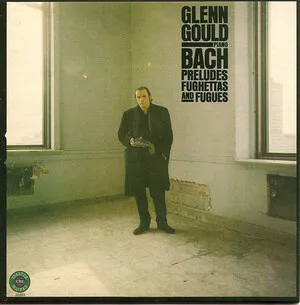
Preludes, Fughettas and Fugues
Johann Sebastian Bach / Glenn Gould
Prelude
1980
1
/5
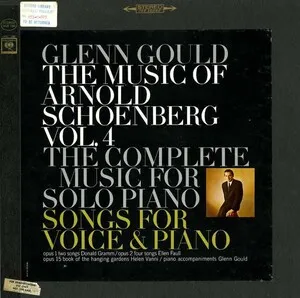
The Music of Arnold Schoenberg Vol. 4: The Complete Music for Solo Piano; Songs for Voice & Piano
Arnold Schoenberg
Lied
Expressionism
Art Song
1980
1
/5
Toccatas Vol. 2
Johann Sebastian Bach / Glenn Gould
Toccata
1977
2
/5
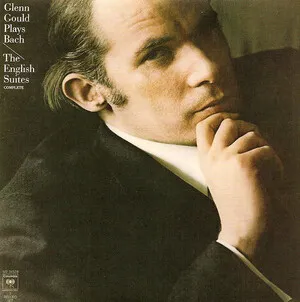
The English Suites (Complete)
Johann Sebastian Bach / Glenn Gould
Baroque Suite
1975
1
/5
Bagatelles Op. 33 & Op. 126
Ludwig van Beethoven / Glenn Gould
Bagatelle
1973
2
/5
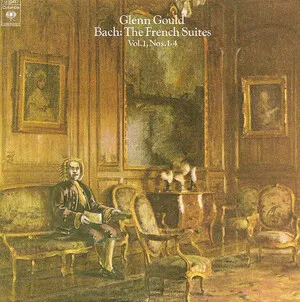
The French Suites: Vol. 1, Nos. 1-4
Johann Sebastian Bach / Glenn Gould
Baroque Suite
Baroque
Classical
1970
2
/5
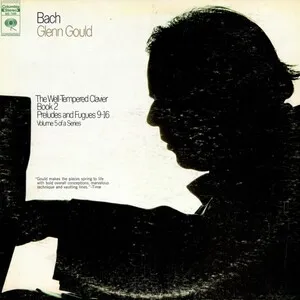
The Well-Tempered Clavier: Book 2 - Preludes and Fugues 9-16
Johann Sebastian Bach / Glenn Gould
Fugue
Prelude
1968
2
/5
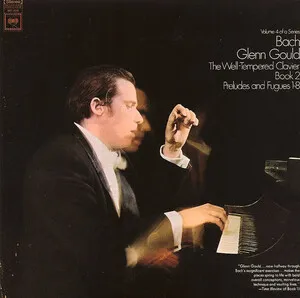
The Well-Tempered Clavier: Book 2 - Preludes and Fugues 1-8
Johann Sebastian Bach / Glenn Gould
Fugue
Prelude
1965
2
/5
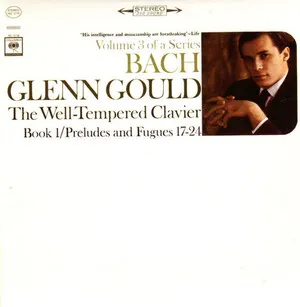
The Well-Tempered Clavier: Book 1 - Preludes and Fugues 17-24
Johann Sebastian Bach / Glenn Gould
Prelude
Fugue
Baroque
1964
2
/5
The Well-Tempered Clavier: Book I - Preludes and Fugues 9-16
Johann Sebastian Bach / Glenn Gould
Prelude
Fugue
Baroque
1963
2
/5
The Well-Tempered Clavier: Book I - Preludes and Fugues 1-8
Johann Sebastian Bach / Glenn Gould
Fugue
Prelude
Baroque
1962
2
/5
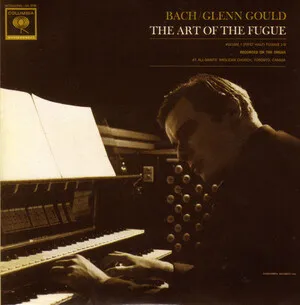
The Art of the Fugue: Volume I (First Half) - Fugues 1-9
Johann Sebastian Bach / Glenn Gould
Fugue
1960
2
/5
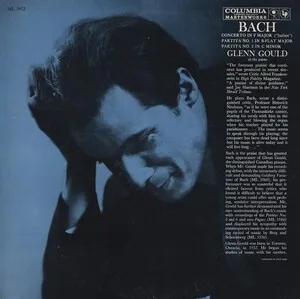
Concerto in F major ("Italian"); Partita No. 1 in B-flat major; Partita No. 2 in C minor
Johann Sebastian Bach / Glenn Gould
Baroque Suite
Baroque
1959
1
/5
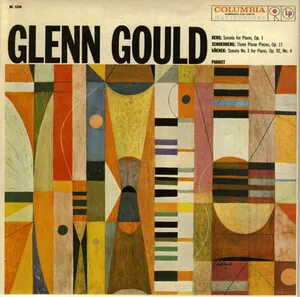
Sonata for Piano, Op. 1 / Three Piano Pieces, Op. 11 / Sonata No. 3 for Piano, Op. 92, No. 4
Alban Berg / Glenn Gould
Expressionism
Second Viennese School
Serialism
1957
1
/5
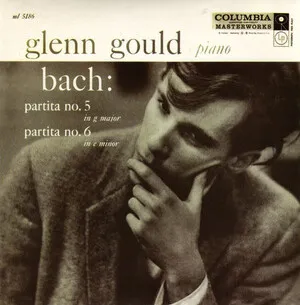
Partita No. 5 in G major; Partita No. 6 in E minor
Johann Sebastian Bach / Glenn Gould
Baroque Suite
1956
3
/5
The Goldberg Variations
Johann Sebastian Bach / Glenn Gould
Baroque
European Music
Classical
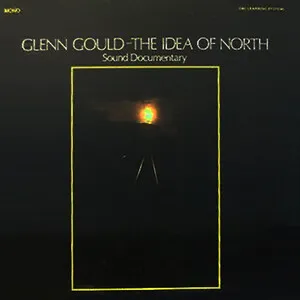
The Idea of North - Sound Documentary
Glenn Gould
Radio Broadcast Recordings
Similar artists
4
/5
Johann Sebastian Bach
Baroque
Classical
Baroque Suite
1
/5
Evgeni Koroliov
Classical
Baroque
Classical Piano
2
/5
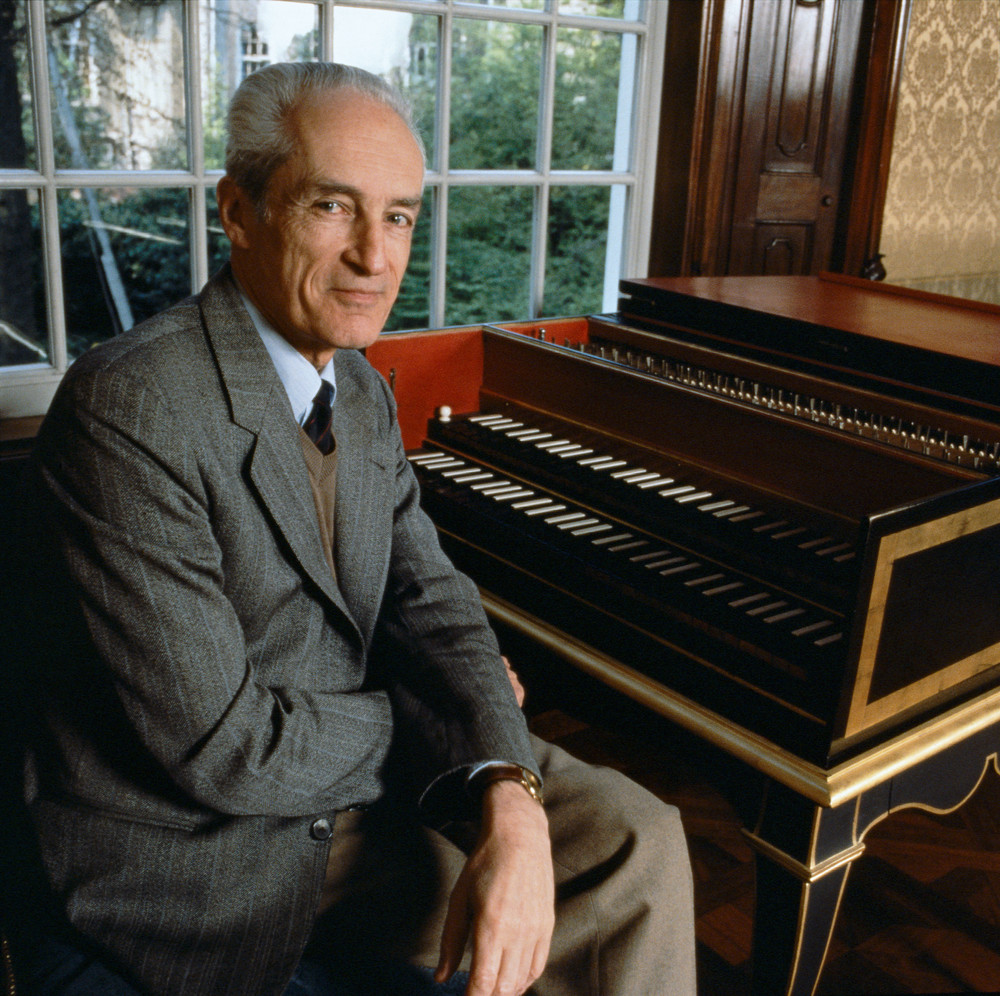
Gustav Leonhardt
Baroque
Classical
Fugue
3
/5
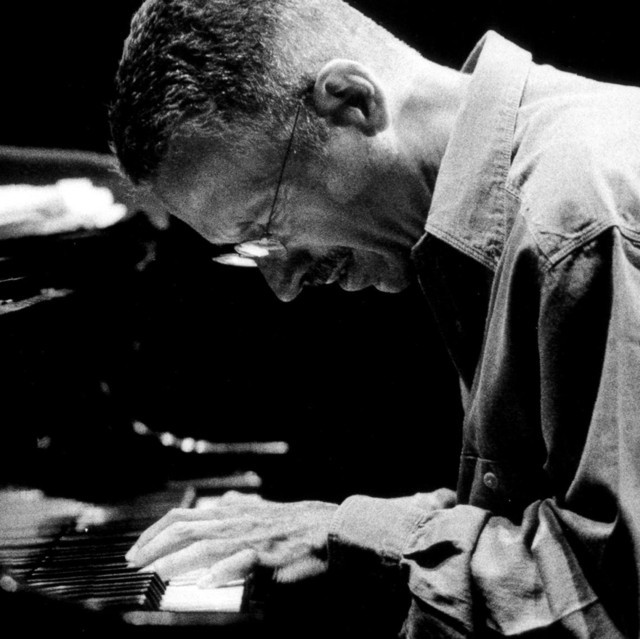
Keith Jarrett
Ecm Style Jazz
Contemporary Jazz
Jazz
4
/5
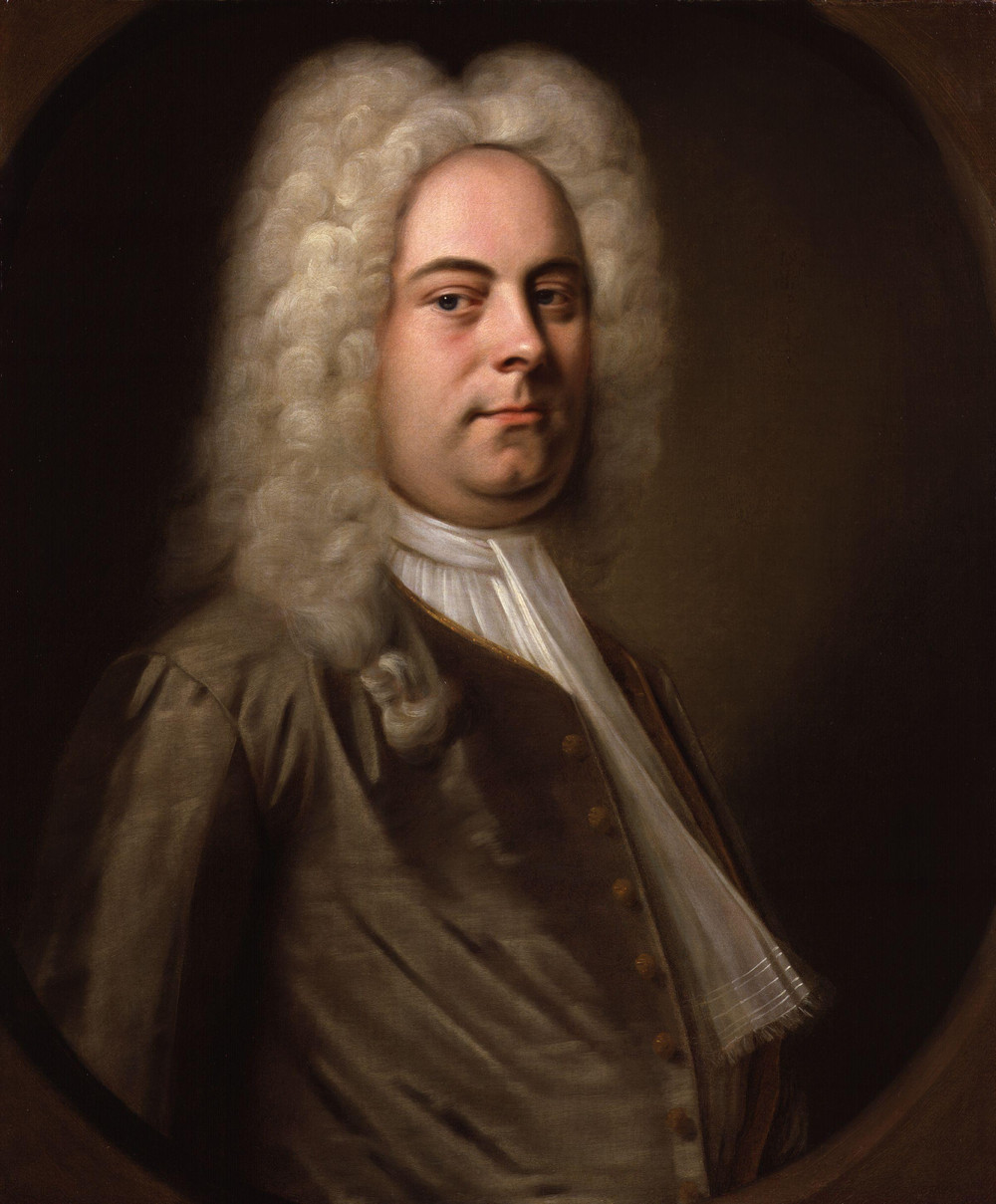
George Frideric Handel
Classical
Opera Seria
Baroque
3
/5
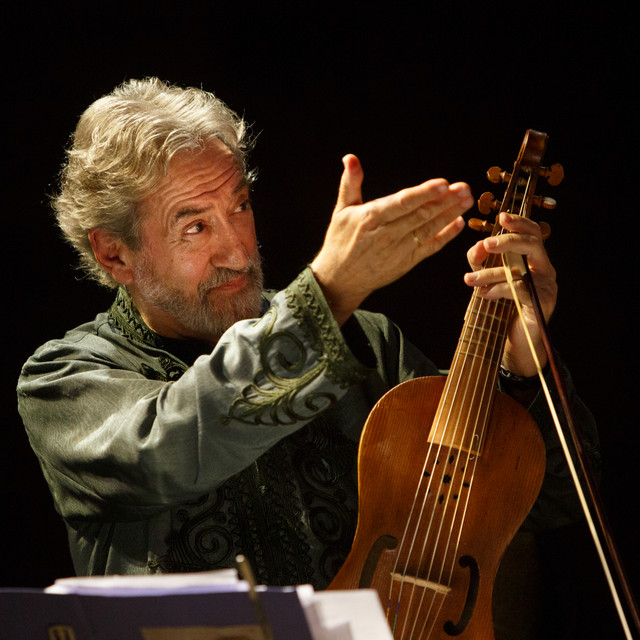
Jordi Savall
Renaissance
Baroque
Classical
4
/5
Dmitri Shostakovich
Classical
Chamber Music
Fugue
3
/5
Trevor Pinnock
Classical
Concerto Grosso
Baroque
3
/5
Hilary Hahn
Classical
Baroque
Concerto
3
/5
The English Concert
Classical
Baroque
Concerto
Download our mobile app
Get the Melodigging app and start digging for new genres on the go
Download on the App Store
Get it on Google Play
© 2026 Melodigging
Give feedback
Legal
Melodding was created as a tribute to
Every Noise at Once
, which inspired us to help curious minds keep digging into music's ever-evolving genres.