Genres
Artists
Albums
Make Music
Sign in
Sign in
Artists
Baroque
Artists
Baroque
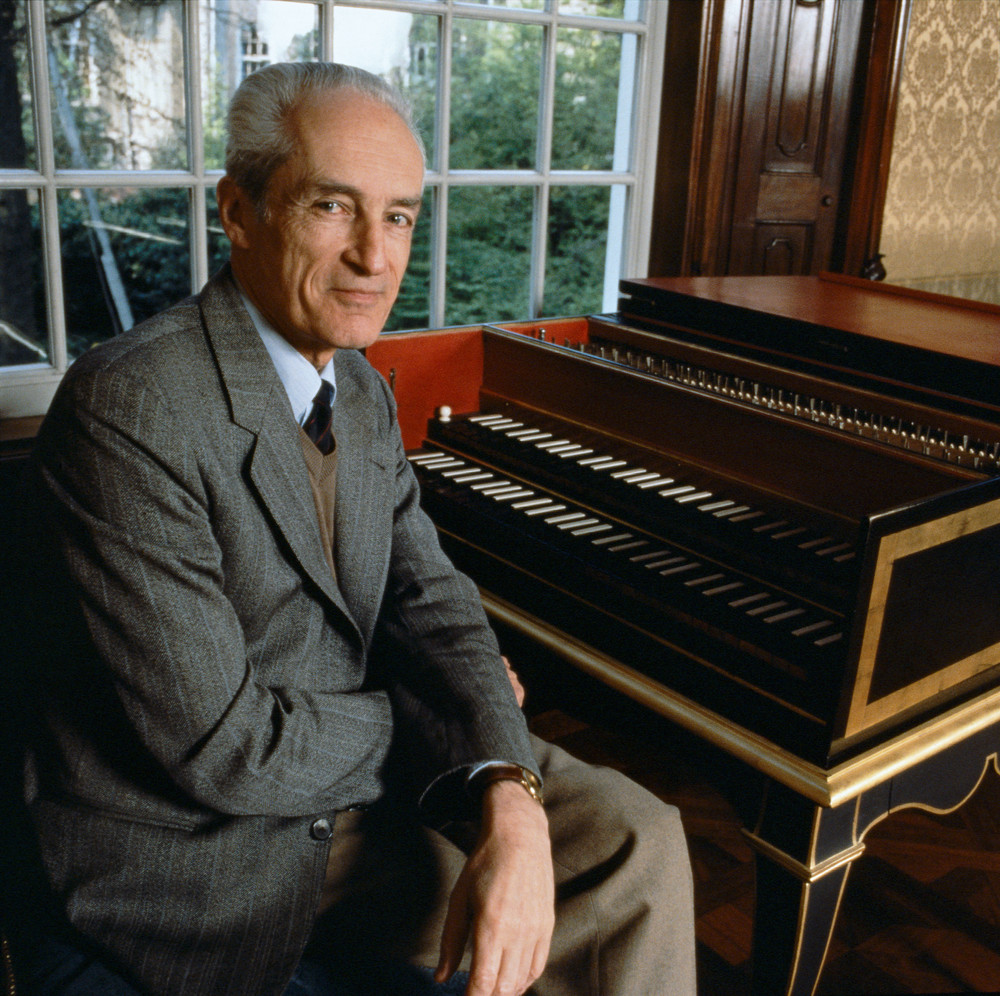
Gustav Leonhardt
1973–2012
·
7 albums
Listen
2
/5
Genres
Regional Music
Regional music is an umbrella term for locally rooted musical styles that are strongly tied to a specific place, community, and cultural practice. Rather than denoting one uniform sound, it encompasses many traditions whose instrumentation, rhythms, language, and performance customs reflect the history and daily life of a region. In the recording era, labels, radio programmers, and later streaming platforms used “regional music” to group market- or scene-specific traditions (for example, Cajun in Louisiana, son in Cuba, morna in Cape Verde, or Irish traditional music). The term highlights locality, vernacular identity, and continuity with folk or indigenous practices, even when these styles modernize or cross over into pop and rock contexts.
Discover
Listen
Opera-Ballet
Opera-ballet (opéra-ballet) is a French Baroque stage genre that blends sung opera with extensive, self-contained dance episodes. Typically organized as a prologue followed by several independent entrées linked by a loose theme, it favors variety, spectacle, and graceful movement over the strict tragic unity of earlier French opera. Emerging in Paris at the close of the 17th century, the form cultivated elegant divertissements, richly orchestrated choruses, and expressive French recitative, all designed to showcase star singers and dancers. Its subjects range from pastoral and mythological to exotic and festive, creating a refined, courtly entertainment that balances dramatic singing with choreographic display.
Discover
Listen
Comédie-Ballet
Comédie-ballet is a French Baroque theatrical form that fuses spoken comedy with music and dance in an integrated, plot-driven spectacle. It was devised to entertain courtly audiences with witty dialogue, elegant dancing, and richly scored intermèdes that commented on or extended the action. Developed by Molière in close collaboration with Jean-Baptiste Lully and choreographer Pierre Beauchamp under the patronage of Louis XIV, the genre balances dramatic scenes with sequences of airs, choruses, and court dances (gavotte, bourrée, sarabande, gigue), framed by the characteristic French overture. Its tone ranges from satirical to farcical, but its musical language remains refined, ornamented, and distinctly French.
Discover
Listen
Baroque
Baroque is a period and style of Western art music spanning roughly 1600–1750. It is characterized by the birth of functional tonality, the widespread use of basso continuo (figured bass), and a love of contrast—between soloist and ensemble, loud and soft, and different timbres. Hallmark genres and forms of the era include opera, cantata, oratorio, concerto (especially the concerto grosso), dance suite, sonata, and fugue. Textures range from expressive monody to intricate counterpoint, and melodies are richly ornamented with trills, mordents, and appoggiaturas. Baroque music flourished in churches, courts, and theaters across Europe, with regional styles (Italian, French, German, English) shaping distinctive approaches to rhythm, dance, harmony, and ornamentation.
Discover
Listen
Fugue
A fugue is a contrapuntal composition built around a single, clearly defined musical subject that is imitated and developed across multiple independent voices. One voice introduces the subject, and subsequent voices enter successively with an answer (a transposed version of the subject), often accompanied by a recurring countersubject. After the exposition, episodes made from fragments of the subject and countersubject modulate to related keys and prepare further entries. Composers employ devices such as inversion, augmentation, diminution, stretto, and pedal points to intensify the texture and drive form. Fugues appear as stand‑alone keyboard or organ works, as movements in chamber and orchestral music, and as sections within larger vocal or instrumental genres.
Discover
Listen
Prelude
A prelude is a short, often improvisatory-sounding instrumental piece that traditionally precedes another work or sets a tonal and expressive atmosphere on its own. Emerging in the early Baroque era from the practice of freely extemporizing before a liturgical or secular performance, the prelude evolved from unmeasured lute and keyboard introductions into highly crafted pieces for organ, harpsichord, and later piano. In the 19th century it became an autonomous character piece (e.g., Chopin’s Op. 28), while in the 20th century composers explored cyclic sets across all keys and a wide range of styles (Debussy, Rachmaninoff, Shostakovich). Despite its brevity and flexibility, the prelude typically establishes a key or mode, a figuration pattern, and a distinct mood, favoring clear tonal focus, continuous flow, and a compelling gesture over strict formal constraints.
Discover
Listen
Baroque Suite
The baroque suite is a multi-movement instrumental genre from the Baroque era built from a sequence of stylized dances unified by key and often contrasted by tempo and character. Typically, a core group of dances—Allemande, Courante (or Corrente), Sarabande, and Gigue—forms the backbone, with optional insertions such as Minuet, Gavotte, Bourrée, Passepied, Rigaudon, or Air. Each movement commonly uses binary form with repeated sections (||: A :|| ||: B :||), in which the first part modulates away from the tonic and the second part returns, often with balanced phrasing and motivic recall. Ornamentation (agréments), rhythmic inégalité in French movements, and clear dance rhythms are hallmarks. Suites were composed for keyboard (harpsichord, organ), lute, chamber ensembles, and orchestra (as orchestral suites).
Discover
Listen
Oratorio
An oratorio is a large‑scale, multi‑movement work for voices and orchestra, typically on a sacred narrative subject, performed without staging, costumes, or scenery. It combines solo recitatives and arias with powerful choruses and instrumental movements, using a dramatic arc similar to opera but presented as a concert work. Languages and styles vary by era and region (Italian and Latin in early Roman oratorios, German for Lutheran works such as Bach’s, and English for Handel’s). While most are sacred, secular oratorios also exist. Across the Baroque, Classical, Romantic, and modern eras, the oratorio evolved from intimate devotional storytelling to monumental public concert pieces, often intended for festivals and large choirs.
Discover
Listen
Elizabethan Song
Elizabethan song refers primarily to the English solo song with lute (often called the ayre), and the related consort song for voice with a viol consort, cultivated during the reign of Elizabeth I. Typically strophic and text-led, these songs set courtly, pastoral, or amorous poetry in clear, singable melodies supported by contrapuntal or chordal lute accompaniments. Hallmarks include finely balanced prosody, vivid word-painting, and modal harmony (often Aeolian, Dorian, and Mixolydian) gradually shading toward early tonal cadences. The style sits between popular and learned traditions: it borrows memorable tunefulness from ballad and dance idioms while deploying Renaissance contrapuntal craft. Songs were circulated in printed partbooks and lute tablature, intended for both courtly performance and domestic music-making. The repertory remains prized for its intimate expressivity, rhetorical clarity, and refined yet approachable musical language.
Discover
Listen
Passion
A Passion is a large‑scale sacred musical genre that sets the Gospel narrative of Christ’s suffering and crucifixion (the Passion) to music. It originated as liturgical chant and evolved into elaborate polyphonic and Baroque oratorio forms. Typical Baroque Passions feature an Evangelist (tenor narrator) who declaims the biblical text in recitative, solo roles for Jesus (Christus) and other characters, congregational-style chorales, reflective arias, and dramatic "turba" choruses representing the crowd. Earlier Renaissance Passions are often austere and predominantly choral, while Catholic traditions favored Latin and Protestant (especially Lutheran) Passions used vernacular German. Passions were historically performed during Holy Week, often in two parts surrounding a sermon, and are among the most revered monuments of Christian sacred music.
Discover
Listen
Passion Setting
Passion setting is a sacred vocal genre that sets the biblical Passion narrative—the arrest, trial, crucifixion, and burial of Jesus—to music. Originally emerging from medieval chant traditions, it later evolved into elaborate multi-movement works featuring narrator (Evangelist), the words of Christ (Christus), soloists for individual roles, and choral "turba" movements representing the crowd. Across history, passion settings range from austere, unaccompanied chant or Renaissance polyphony to large Baroque oratorio-scale works with orchestra and chorales. While Latin and German are the most common languages (reflecting Catholic and Lutheran traditions), the form has been adapted into many vernaculars in the 20th and 21st centuries. In all cases, the musical rhetoric emphasizes solemn devotion, drama, and theological reflection.
Discover
Listen
Classical
Classical music is the notated art-music tradition of Europe and its global descendants, characterized by durable forms, carefully codified harmony and counterpoint, and a literate score-based practice. The term “classical” can refer broadly to the entire Western art-music lineage from the Medieval era to today, not just the Classical period (c. 1750s–1820s). It privileges long-form structures (such as symphonies, sonatas, concertos, masses, and operas), functional or modal harmony, thematic development, and timbral nuance across ensembles ranging from solo instruments to full orchestras and choirs. Across centuries, the style evolved from chant and modal polyphony to tonal harmony, and later to post-tonal idioms, while maintaining a shared emphasis on written notation, performance practice, and craft.
Discover
Listen
European Music
“European music” is a broad umbrella covering the historical and regional practices that developed across the European continent, from medieval sacred chant and courtly song to folk traditions, art (classical) music, and later popular and electronic styles. Common threads include the codification of staff notation, the development of modal and later tonal harmony, the use of structured forms (e.g., mass, motet, madrigal; sonata, symphony, opera; verse–chorus song), and a rich palette of instruments culminating in the modern orchestra and various regional folk ensembles. While extremely diverse from region to region, European music is marked by a continuous dialogue between sacred and secular practices, learned written traditions and oral folk idioms, and later between art music and mass-market popular genres.
Discover
Listen
Western Classical
Western classical is the notated art-music tradition that developed in Europe from medieval Christian chant into the large-scale secular and sacred forms of the Baroque, Classical, Romantic, and modern eras. It is characterized by staff notation, evolving systems of modality and tonality, and forms such as symphony, sonata, concerto, mass, opera, and chamber music. Across its history, Western classical established an extensive theory of harmony and counterpoint, refined orchestration across strings, winds, brass, and percussion, and cultivated performance practices from a cappella chant to full symphonic and operatic forces. Its repertoire, pedagogy, and institutions (conservatories, orchestras, opera houses) made it a global reference point for compositional craft and instrumental technique.
Discover
Listen
Show all 14 genres
Albums
2012
1
/5
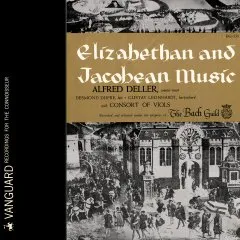
Elizabethan and Jacobean Music
John Dowland
Elizabethan Song
2005
1
/5
6 Partitas BWV 825-830
Johann Sebastian Bach / Gustav Leonhardt
Baroque Suite
Baroque
1990
2
/5
Matthäuspassion
Johann Sebastian Bach / Gustav Leonhardt
Passion
Passion Setting
Oratorio
1988
2
/5
Le bourgeois gentilhomme
Jean-Baptiste Lully / La Petite Bande / Gustav Leonhardt
Comédie-Ballet
Baroque
Classical
1981
1
/5
Pygmalion (Acte de ballet)
Jean-Philippe Rameau / La Petite Bande / Gustav Leonhardt
Opera-Ballet
1973
1
/5
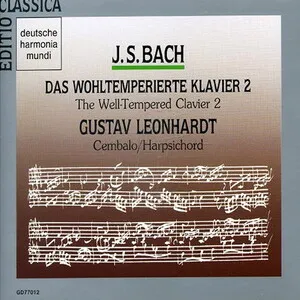
Das wohltemperierte Klavier 2
Johann Sebastian Bach / Gustav Leonhardt
Fugue
Prelude
1973
1
/5
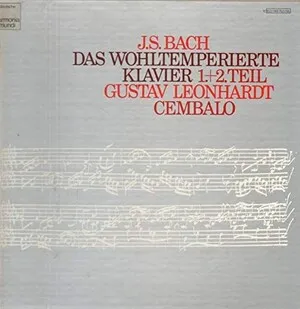
Das wohltemperierte Klavier 1.+2. Teil
Johann Sebastian Bach / Gustav Leonhardt
Prelude
Baroque
Fugue
Similar artists
4
/5
Johann Sebastian Bach
Baroque
Classical
Baroque Suite
3
/5
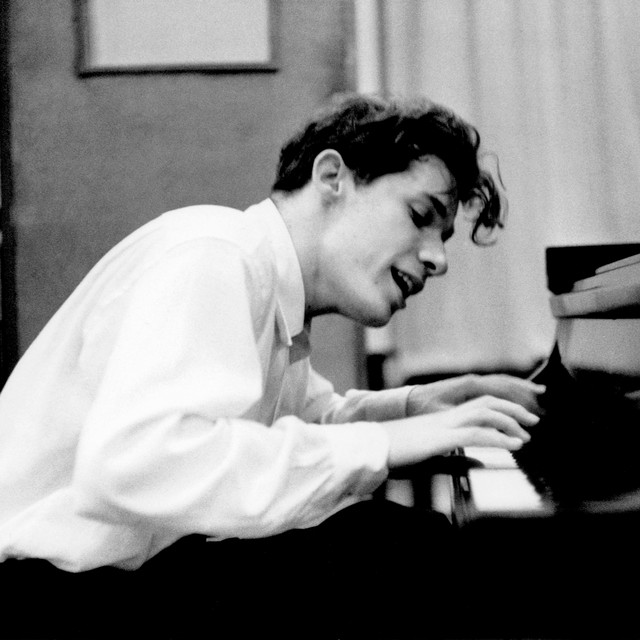
Glenn Gould
Baroque
Classical
Fugue
1
/5
Evgeni Koroliov
Classical
Baroque
Classical Piano
3
/5
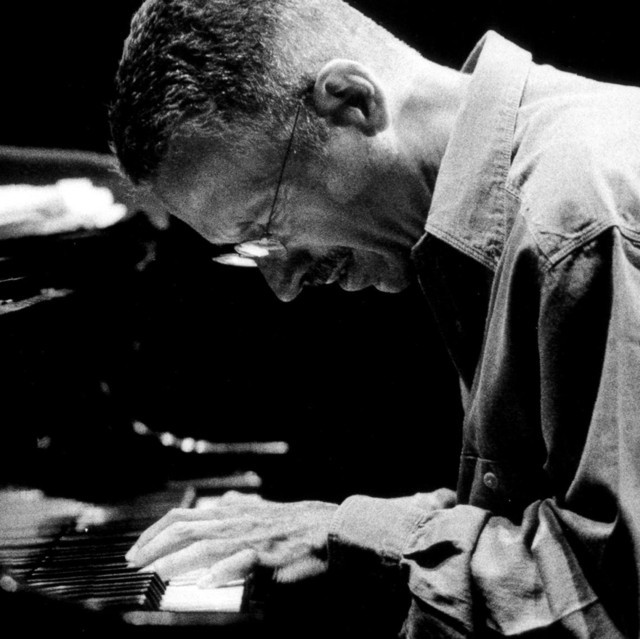
Keith Jarrett
Ecm Style Jazz
Contemporary Jazz
Jazz
3
/5
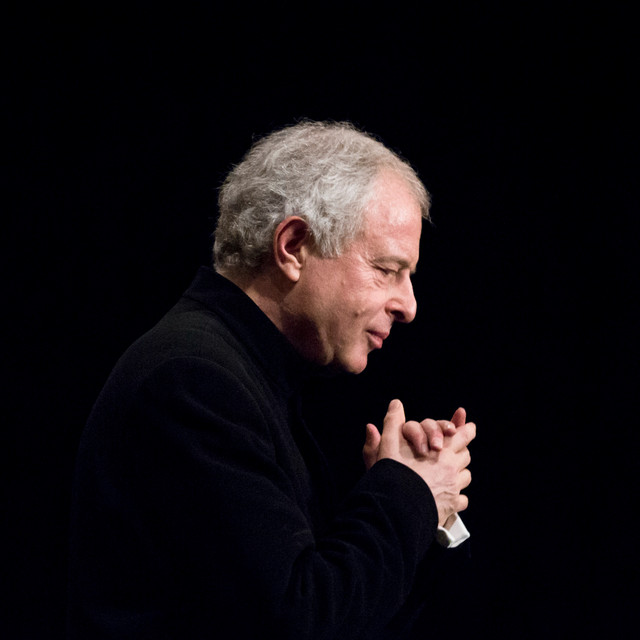
András Schiff
Classical
Classical Piano
Hungarian Classical Performance
4
/5
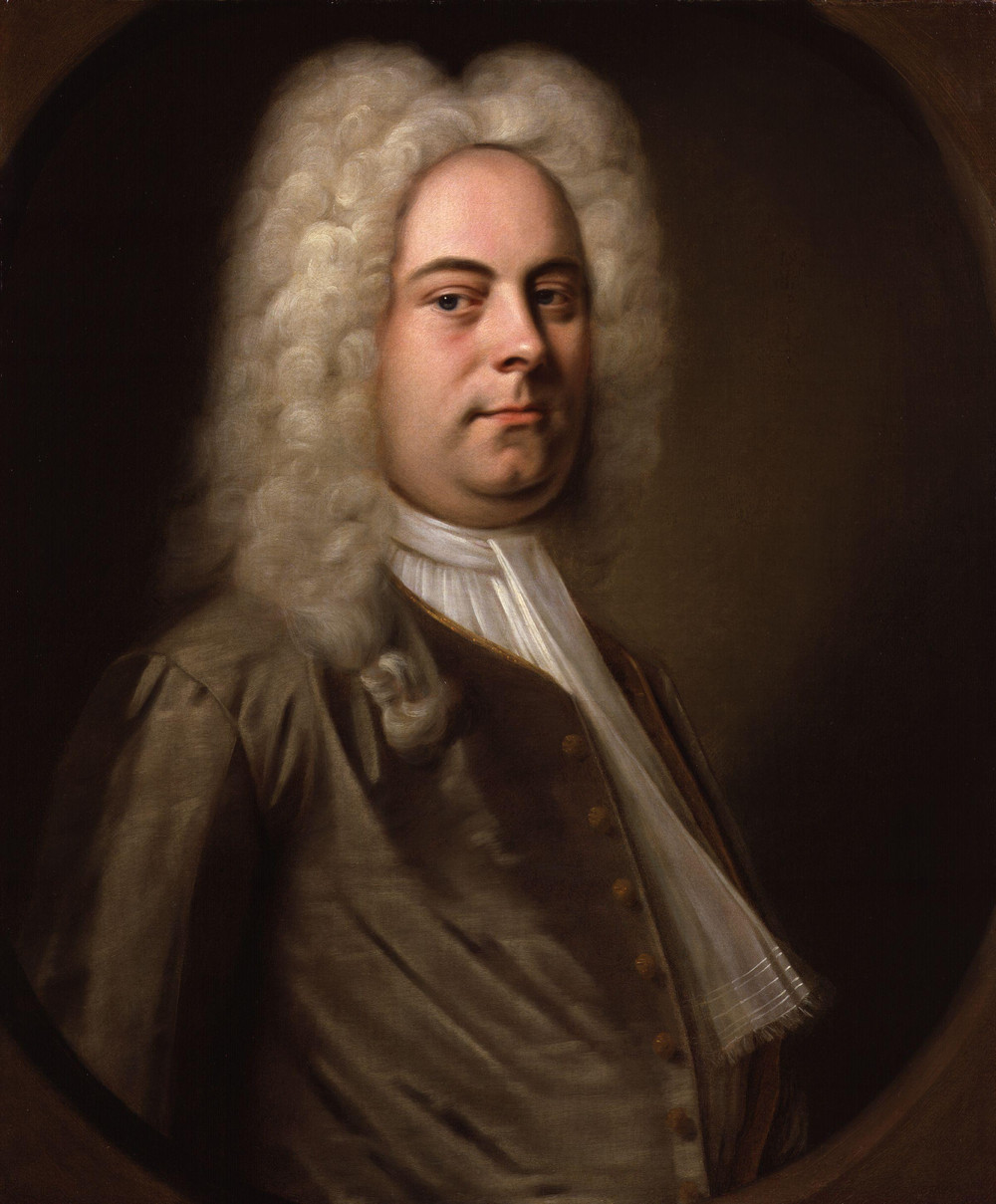
George Frideric Handel
Classical
Opera Seria
Baroque
4
/5
Dmitri Shostakovich
Classical
Chamber Music
Fugue
3
/5
The English Concert
Classical
Baroque
Concerto
3
/5
Trevor Pinnock
Classical
Concerto Grosso
Baroque
3
/5
Jordi Savall
Renaissance
Baroque
Classical
Download our mobile app
Get the Melodigging app and start digging for new genres on the go
Download on the App Store
Get it on Google Play
© 2026 Melodigging
Give feedback
Legal
Melodding was created as a tribute to
Every Noise at Once
, which inspired us to help curious minds keep digging into music's ever-evolving genres.