Genres
Artists
Albums
Make Music
Sign in
Sign in
Artists
Symphonic Death Metal
Artists
Symphonic Death Metal
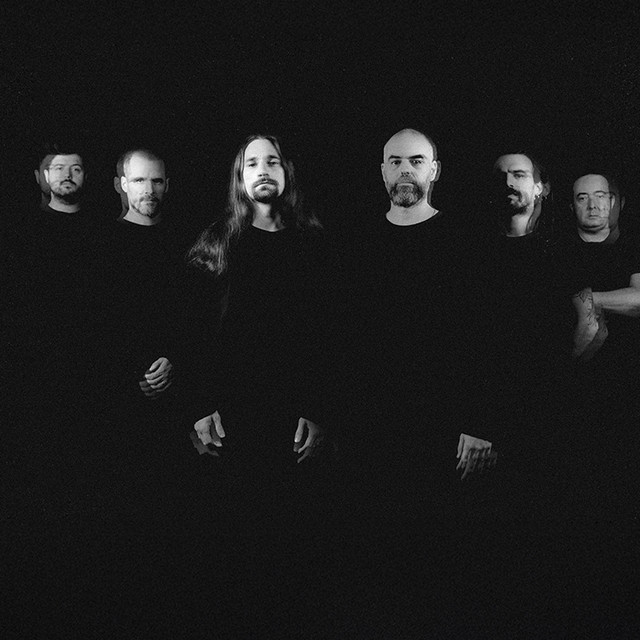
Ignea
2013–2023
·
8 albums
Listen
2
/5
Genres
Symphonic Death Metal
Symphonic death metal fuses the ferocity of death metal—blast beats, double‑kick barrages, down‑tuned riffing, and guttural vocals—with fully scored orchestral writing and choir textures. Arrangements often deploy strings, brass, woodwinds, and percussion (either recorded or via high‑end virtual instruments) to create cinematic scope. Harmonically, the style favors minor keys, Phrygian and harmonic‑minor colors, ostinati, and dramatic modulations reminiscent of film music and late‑Romantic classical idioms. Lyrical themes frequently explore mythology, esoterica, antiquity, apocalyptic imagery, and grand historical narratives. The result is a maximalist, theatrical sound where extreme metal’s weight is heightened by symphonic grandeur, yielding music that is simultaneously aggressive, dark, and epic.
Discover
Listen
Symphonic Metal
Symphonic metal fuses the power and riff-driven weight of heavy metal with the grandeur of orchestral music, choral writing, and operatic vocals. It often features full-scale symphonic arrangements—either via live orchestras and choirs or through sophisticated sampling—alongside distorted guitars, bass, and double-kick drumming. Hallmarks include cinematic songwriting, classical harmony (minor keys, modal colors, counterpoint), sweeping string ostinati, brass fanfares, and layered choirs. Vocal approaches range from operatic soprano leads to melodic rock vocals and occasional harsh growls. Lyrically, the genre leans toward myth, fantasy, history, philosophy, and romantic or existential themes, delivering an epic, theatrical atmosphere.
Discover
Listen
Melodic Death Metal
Melodic death metal (often shortened to melodeath) blends the speed, aggression, and harsh vocals of death metal with the harmonized guitar leads, memorable melodies, and songcraft of traditional heavy metal and thrash. It is characterized by twin‑guitar harmonies, fast tremolo riffs, punchy palm‑muted rhythms, and growled or screamed vocals, often contrasted with catchy, clearly articulated lead lines. Compared to traditional death metal, the genre favors stronger tonal centers, consonant interval harmonies (thirds and sixths), and more accessible structures, while retaining double‑kick intensity and occasional blast beats. Production tends to be tighter and clearer than early death metal, and many bands incorporate keyboards for texture. The style is strongly associated with the early–mid 1990s Gothenburg scene in Sweden, though parallel strains also emerged in the UK and Finland.
Discover
Listen
Folk Metal
Folk metal blends the power and riff-driven intensity of heavy metal with melodies, instruments, scales, and storytelling traditions from regional folk music. Typical arrangements combine distorted guitars, bass, and drums with fiddles, flutes, whistles, bagpipes, accordions, hurdy-gurdies, bouzoukis, and other traditional instruments. Bands often draw on myth, history, and local folklore for lyrical themes, ranging from epic sagas and battle hymns to drinking songs and pastoral ballads. The style spans a spectrum from aggressive and blackened approaches to upbeat, danceable, and festive moods, making it one of metal’s most diverse and regionally distinctive subgenres.
Discover
Listen
Gothic Metal
Gothic metal is a fusion of the heaviness and slow, atmospheric pull of doom metal with the dark romanticism and melodrama of gothic rock. It emphasizes minor-key harmony, thick guitar textures, and prominent keyboards or orchestral pads to create a brooding, cinematic mood. Vocals range from deep baritone croons and clean female sopranos to harsh growls—sometimes used together in the "beauty-and-the-beast" style. Lyrical themes often explore love and loss, mortality, melancholy, myth, and the supernatural, presented with a sense of theatricality. While centered in metal, the style borrows from dark wave’s somber synths and gothic rock’s atmosphere, leading to variations that lean toward doom, symphonic, or even alternative-leaning approaches.
Discover
Listen
Oriental Metal
Oriental metal is a subgenre of heavy metal that fuses the intensity of metal with modal systems, rhythms, instruments, and storytelling traditions from West Asia and North Africa. Instead of Western major/minor harmony, it foregrounds maqam-based melody (e.g., Hijaz, Rast, Nahawand, Kurd, Bayati), microtonal ornamentation, and cyclical iqa’at grooves alongside distorted guitars and double‑kick drumming. Typical timbres include electric guitars and bass locked to down‑tuned, palm‑muted riffs, blended with oud, saz/bağlama, qanun, ney, kamancheh, and darbuka/riq/bendir. Vocals may alternate between harsh growls and melismatic clean lines, and lyrics often draw on regional history, mythology, and spiritual themes. The result is a dramatic, “epic” sound that remains rhythmically danceable while sounding dark, exotic (to Western ears), and emotionally charged.
Discover
Listen
Progressive Metal
Progressive metal blends the ambition and extended song forms of progressive rock with the heaviness, timbre, and energy of heavy metal. It is characterized by complex arrangements, frequent time‑signature changes, virtuosic instrumental passages, thematic or concept‑driven albums, and a wide dynamic range from delicate, atmospheric sections to aggressive, high‑gain climaxes. Harmonically it draws on modal interchange, chromatic voice‑leading, and jazz‑fusion colors, while rhythmically it favors polymeters, polyrhythms, and metric modulation. Keyboards and layered production often add orchestral or cinematic scope.
Discover
Listen
Industrial Metal
Industrial metal is a fusion of the mechanized, abrasive textures of industrial music with the weight, riff-driven power, and aggression of heavy metal. It emphasizes machine-like rhythms, down-tuned guitars, harsh or processed vocals, and extensive use of sequencers, drum machines, and sampling. The sound often evokes dystopian, anti-authoritarian, and techno-skeptical themes, with a tight, repetitive groove that feels both robotic and visceral. Hallmarks include palm-muted chug riffs synchronized to quantized beats, distorted bass and synth layers, and production that foregrounds hard-edged, metallic timbres and found sounds (e.g., factory noise, machinery, alarms).
Discover
Listen
Heavy Metal
Heavy metal is a loud, guitar-driven style of rock defined by heavily distorted riffs, thunderous drums, and powerful vocals. Its musical language emphasizes minor modes, modal (Aeolian, Phrygian) riffing, and energy over groove, often featuring virtuosic guitar solos and dramatic dynamic contrasts. Emerging from late-1960s blues rock and psychedelic experimentation, heavy metal codified a darker, heavier sound with bands like Black Sabbath, Deep Purple, and Led Zeppelin. The genre values weight, intensity, and grandeur—whether through plodding, doom-laden tempos or galloping, high-energy rhythms—paired with themes that range from personal struggle and social critique to fantasy, mythology, and the occult.
Discover
Listen
Metal
Metal (often used to mean heavy metal in its broad, umbrella sense) is a loud, guitar-driven style of rock defined by high-gain distortion, emphatic and often martial rhythms, and a dense, powerful low end. It foregrounds riff-based songwriting, dramatic dynamics, virtuosic guitar solos, and commanding vocals that range from melodic wails to aggressive snarls and growls. Harmonically, metal favors minor modes, modal color (Aeolian, Phrygian), chromaticism, and tritone-inflected tension, while thematically it explores power, mythology, the occult, social critique, fantasy, and existential subjects. While adjacent to hard rock, metal typically pushes amplification, distortion, precision, and thematic intensity further, forming a foundation for many specialized subgenres.
Discover
Listen
Rock
Rock is a broad family of popular music centered on amplified instruments, a strong backbeat, and song forms that foreground riffs, choruses, and anthemic hooks. Emerging from mid‑20th‑century American styles like rhythm & blues, country, and gospel-inflected rock and roll, rock quickly expanded in scope—absorbing folk, blues, and psychedelic ideas—while shaping global youth culture. Core sonic markers include electric guitar (often overdriven), electric bass, drum kit emphasizing beats 2 and 4, and emotive lead vocals. Rock songs commonly use verse–chorus structures, blues-derived harmony, and memorable melodic motifs, ranging from intimate ballads to high‑energy, stadium‑sized performances.
Discover
Listen
Show all 11 genres
Albums
2023
2
/5
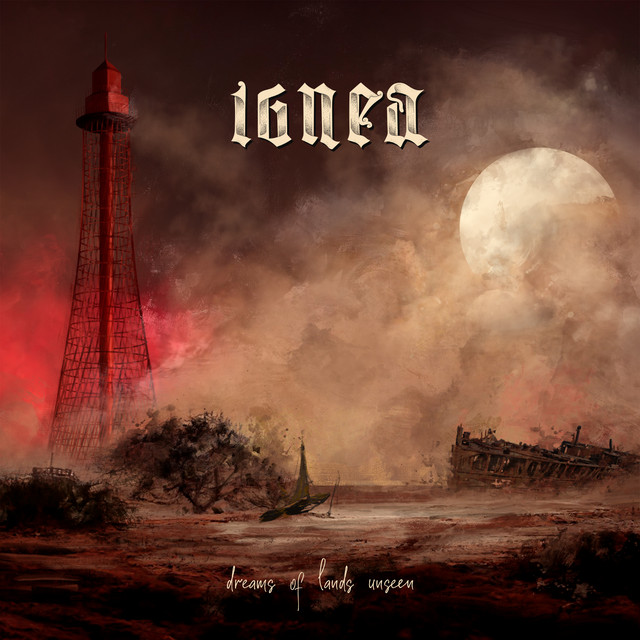
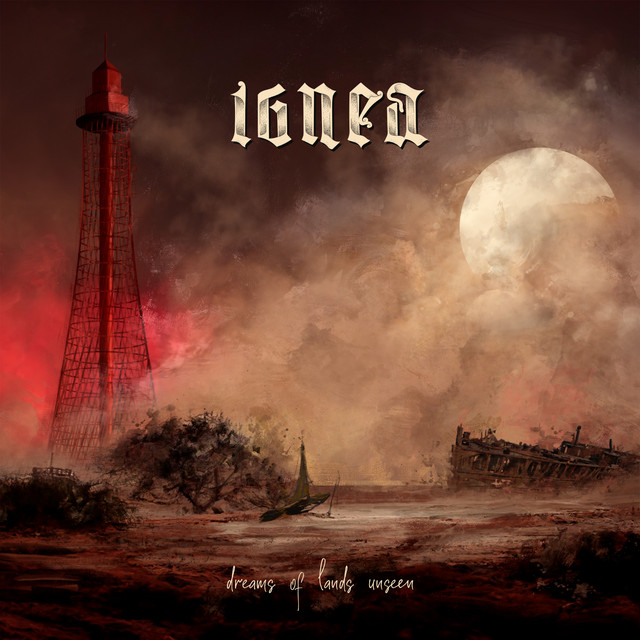
Dreams of Lands Unseen
Ignea
Symphonic Death Metal
Progressive Metal
Rock
2023
1
/5
Nomad's Luck
Ignea
Symphonic Death Metal
2021
1
/5
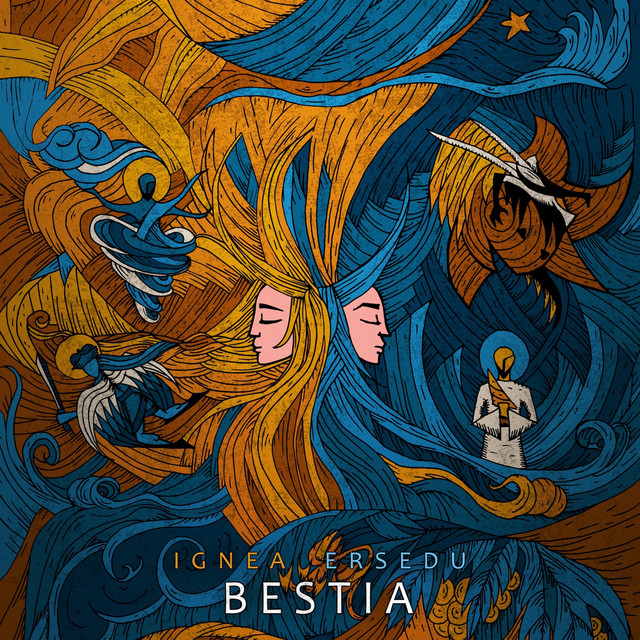
Bestia
Ignea
Symphonic Death Metal
Heavy Metal
Melodic Death Metal
2020
2
/5
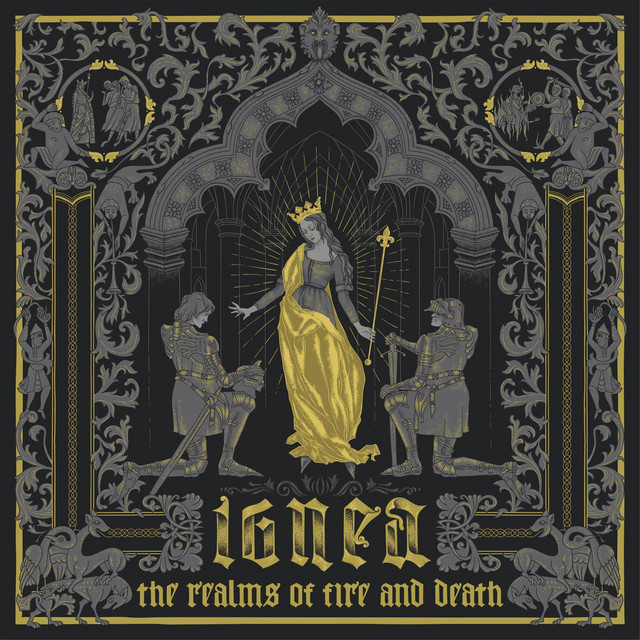
The Realms of Fire and Death
Ignea
Symphonic Death Metal
Melodic Death Metal
Progressive Metal
2020
2
/5
Jinnslammer
Ignea
Symphonic Death Metal
Metal
2017
3
/5
The Sign of Faith
Ignea
Symphonic Death Metal
2015
2
/5
Alga
Ignea, Parallax, Sassi, Yossi, Ignea, Ignea, Ignea
Symphonic Death Metal
2013
2
/5
Sputnik
Ignea
Symphonic Death Metal
Heavy Metal
Industrial Metal
Similar artists
3
/5
Brymir
Symphonic Melodic Death Metal
Melodic Death Metal
Symphonic Death Metal
2
/5
Wilderun
Melodic Death Metal
Progressive Metal
Folk Metal
3
/5
Wintersun
Melodic Death Metal
Metal
Viking Metal
2
/5
Mechina
Cyber Metal
Symphonic Metal
Electronic Djent
2
/5
Eternal Tears Of Sorrow
Symphonic Melodic Death Metal
Symphonic Death Metal
Death Metal
3
/5
Epica
Opera Metal
Symphonic Metal
Gothic Metal
2
/5
Whispered
Symphonic Melodic Death Metal
Melodic Death Metal
Death Metal
1
/5
Xerath
Djent
Groove Metal
Melodic Death Metal
3
/5
Fleshgod Apocalypse
Technical Death Metal
Symphonic Death Metal
Blackened Deathcore
2
/5
Persefone
Progressive Metal
Progressive Death Metal
Death Metal
Download our mobile app
Get the Melodigging app and start digging for new genres on the go
Download on the App Store
Get it on Google Play
© 2026 Melodigging
Give feedback
Legal
Melodding was created as a tribute to
Every Noise at Once
, which inspired us to help curious minds keep digging into music's ever-evolving genres.