Genres
Artists
Albums
Make Music
Sign in
Sign in
Artists
Progressive Metal
Artists
Progressive Metal
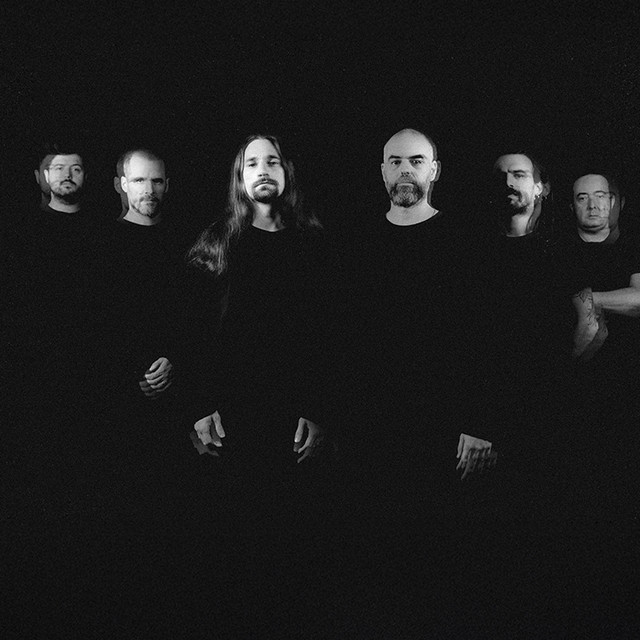
Persefone
2013–2024
·
5 albums
Listen
2
/5
Genres
Djent
Djent is a substyle of progressive metal defined by ultra-tight, low‑tuned, palm‑muted guitar riffs that create a percussive, onomatopoeic "djent" sound. It favors extended‑range instruments (7–9 strings), precise rhythmic subdivision, and a highly articulate, modern production aesthetic. Sonically, djent emphasizes polyrhythms, syncopation, and metric modulation, often pairing dense, chugging grooves with ambient clean guitars, spacious synth pads, and melodic choruses. Vocals range from harsh screams and growls to soaring cleans, while drums and bass lock tightly to the rhythmic grid, accenting the guitar’s staccato patterns. Although the term took off online in the late 2000s, the core rhythmic and timbral blueprint traces to the 1990s work of Swedish band Meshuggah.
Discover
Listen
Melodic Death Metal
Melodic death metal (often shortened to melodeath) blends the speed, aggression, and harsh vocals of death metal with the harmonized guitar leads, memorable melodies, and songcraft of traditional heavy metal and thrash. It is characterized by twin‑guitar harmonies, fast tremolo riffs, punchy palm‑muted rhythms, and growled or screamed vocals, often contrasted with catchy, clearly articulated lead lines. Compared to traditional death metal, the genre favors stronger tonal centers, consonant interval harmonies (thirds and sixths), and more accessible structures, while retaining double‑kick intensity and occasional blast beats. Production tends to be tighter and clearer than early death metal, and many bands incorporate keyboards for texture. The style is strongly associated with the early–mid 1990s Gothenburg scene in Sweden, though parallel strains also emerged in the UK and Finland.
Discover
Listen
Symphonic Death Metal
Symphonic death metal fuses the ferocity of death metal—blast beats, double‑kick barrages, down‑tuned riffing, and guttural vocals—with fully scored orchestral writing and choir textures. Arrangements often deploy strings, brass, woodwinds, and percussion (either recorded or via high‑end virtual instruments) to create cinematic scope. Harmonically, the style favors minor keys, Phrygian and harmonic‑minor colors, ostinati, and dramatic modulations reminiscent of film music and late‑Romantic classical idioms. Lyrical themes frequently explore mythology, esoterica, antiquity, apocalyptic imagery, and grand historical narratives. The result is a maximalist, theatrical sound where extreme metal’s weight is heightened by symphonic grandeur, yielding music that is simultaneously aggressive, dark, and epic.
Discover
Listen
Progressive Metal
Progressive metal blends the ambition and extended song forms of progressive rock with the heaviness, timbre, and energy of heavy metal. It is characterized by complex arrangements, frequent time‑signature changes, virtuosic instrumental passages, thematic or concept‑driven albums, and a wide dynamic range from delicate, atmospheric sections to aggressive, high‑gain climaxes. Harmonically it draws on modal interchange, chromatic voice‑leading, and jazz‑fusion colors, while rhythmically it favors polymeters, polyrhythms, and metric modulation. Keyboards and layered production often add orchestral or cinematic scope.
Discover
Listen
Progressive Death Metal
Progressive death metal is a branch of death metal that fuses the genre’s extreme vocals, blast‑beat drumming, and downtuned riffing with progressive rock/metal traits such as long, multi‑section song forms, odd meters, dynamic contrasts, and frequent clean/acoustic passages. Compared with straight death metal, it places heavier emphasis on harmonic exploration (modal mixture, chromatic and dissonant voicings), rhythmic complexity (polymeter, tempo modulation), and conceptual or narrative albums. Many landmark bands also integrate jazz fusion vocabulary and instrumental virtuosity, creating music that is both aggressive and intricately arranged. Early and canonical exponents include acts that mixed death metal’s intensity with progressive rock’s ambition and jazz‑derived techniques.
Discover
Listen
Death Metal
Death metal is an extreme subgenre of heavy metal defined by heavily distorted, low‑tuned guitars, rapid and complex riffing, blast beat drumming, and harsh guttural vocals. Its harmonic language favors chromaticism, dissonance, and tremolo-picked lines that create an ominous, abrasive atmosphere. Lyrically, death metal often explores dark or transgressive themes—mortality, mythology, anti-religion, psychological horror, and the macabre—sometimes with philosophical or social commentary. Production ranges from raw and cavernous to hyper-precise and technical, reflecting the genre’s many regional scenes and substyles. From the mid‑1980s Florida scene (Tampa) and parallel developments in the US, UK, and Sweden, death metal evolved into numerous branches including brutal death metal, technical death metal, melodic death metal, and death‑doom, each emphasizing different aspects of speed, complexity, melody, or heaviness.
Discover
Listen
Metal
Metal (often used to mean heavy metal in its broad, umbrella sense) is a loud, guitar-driven style of rock defined by high-gain distortion, emphatic and often martial rhythms, and a dense, powerful low end. It foregrounds riff-based songwriting, dramatic dynamics, virtuosic guitar solos, and commanding vocals that range from melodic wails to aggressive snarls and growls. Harmonically, metal favors minor modes, modal color (Aeolian, Phrygian), chromaticism, and tritone-inflected tension, while thematically it explores power, mythology, the occult, social critique, fantasy, and existential subjects. While adjacent to hard rock, metal typically pushes amplification, distortion, precision, and thematic intensity further, forming a foundation for many specialized subgenres.
Discover
Listen
Rock
Rock is a broad family of popular music centered on amplified instruments, a strong backbeat, and song forms that foreground riffs, choruses, and anthemic hooks. Emerging from mid‑20th‑century American styles like rhythm & blues, country, and gospel-inflected rock and roll, rock quickly expanded in scope—absorbing folk, blues, and psychedelic ideas—while shaping global youth culture. Core sonic markers include electric guitar (often overdriven), electric bass, drum kit emphasizing beats 2 and 4, and emotive lead vocals. Rock songs commonly use verse–chorus structures, blues-derived harmony, and memorable melodic motifs, ranging from intimate ballads to high‑energy, stadium‑sized performances.
Discover
Listen
Show all 8 genres
Albums
2024
2
/5
Lingua Ignota: Part I
Persefone
Symphonic Death Metal
Melodic Death Metal
Progressive Metal
2023
1
/5
One Word
Persefone
Symphonic Death Metal
Progressive Death Metal
2022
2
/5
metanoia
Persefone
Symphonic Death Metal
Melodic Death Metal
Progressive Metal
2013
1
/5
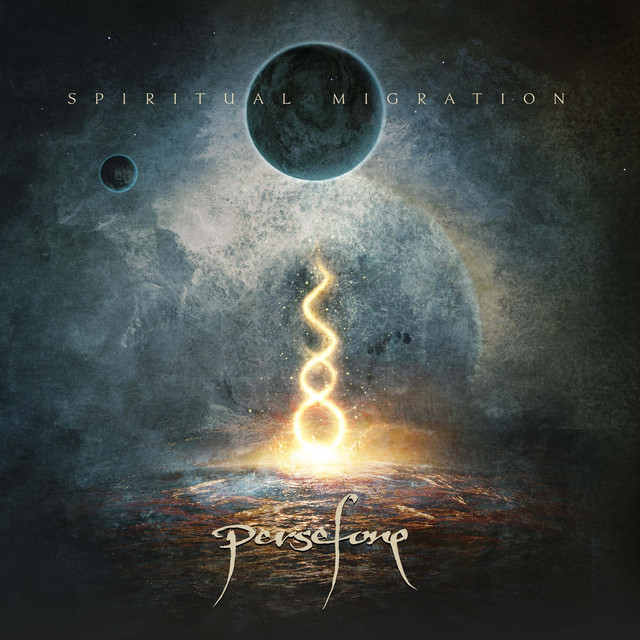
Spiritual Migration
Persefone
Symphonic Death Metal
Progressive Death Metal
Death Metal
2013
3
/5
Spiritual Migration
Persefone
Symphonic Death Metal
Progressive Death Metal
Death Metal
Similar artists
4
/5
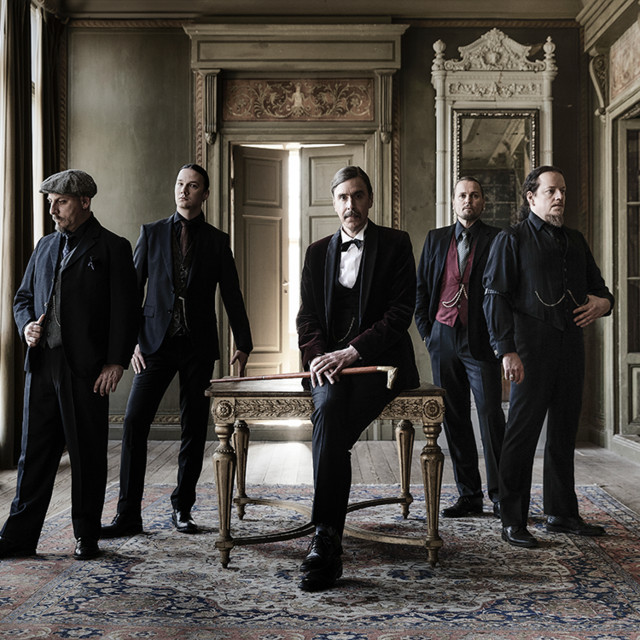
Opeth
Death Metal
Progressive Death Metal
Progressive Metal
2
/5
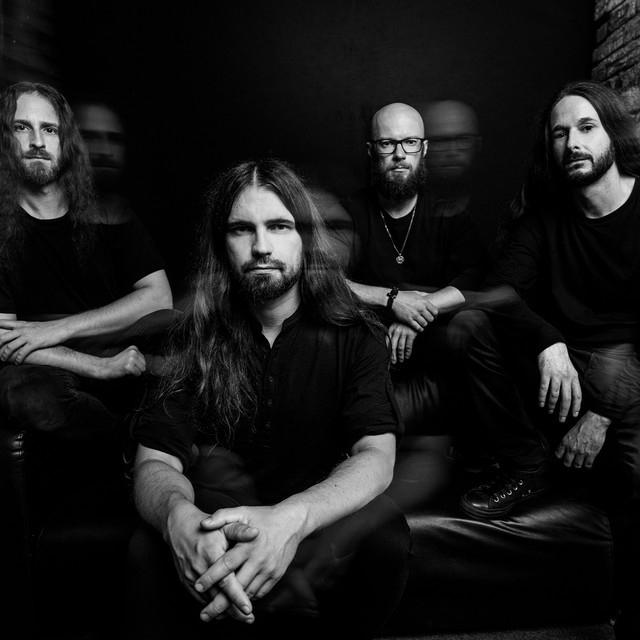
Obscura
Cosmic Death Metal
Sci-Fi Metal
Progressive Death Metal
2
/5
Black Crown Initiate
Death Metal
Metal
Progressive Death Metal
4
/5
Death
Death Metal
Metal
Grindcore
2
/5
In Mourning
Progressive Death Metal
Death Metal
Doom Metal
1
/5
Barren Earth
Death Metal
Doom Metal
Melodic Death Metal
3
/5
Amorphis
Progressive Doom
Progressive Metal
Viking Metal
3
/5
Blood Incantation
Cosmic Death Metal
Death Metal
Progressive Metal
3
/5
Fleshgod Apocalypse
Technical Death Metal
Symphonic Death Metal
Blackened Deathcore
1
/5
INANNA
Progressive Metal
Death Metal
Melodic Death Metal
Download our mobile app
Get the Melodigging app and start digging for new genres on the go
Download on the App Store
Get it on Google Play
© 2026 Melodigging
Give feedback
Legal
Melodding was created as a tribute to
Every Noise at Once
, which inspired us to help curious minds keep digging into music's ever-evolving genres.