Genres
Artists
Albums
Make Music
Sign in
Sign in
Artists
Gamecore
Artists
Gamecore
GameChops
2015–2023
·
3 albums
Listen
4
/5
Genres
Gamecore
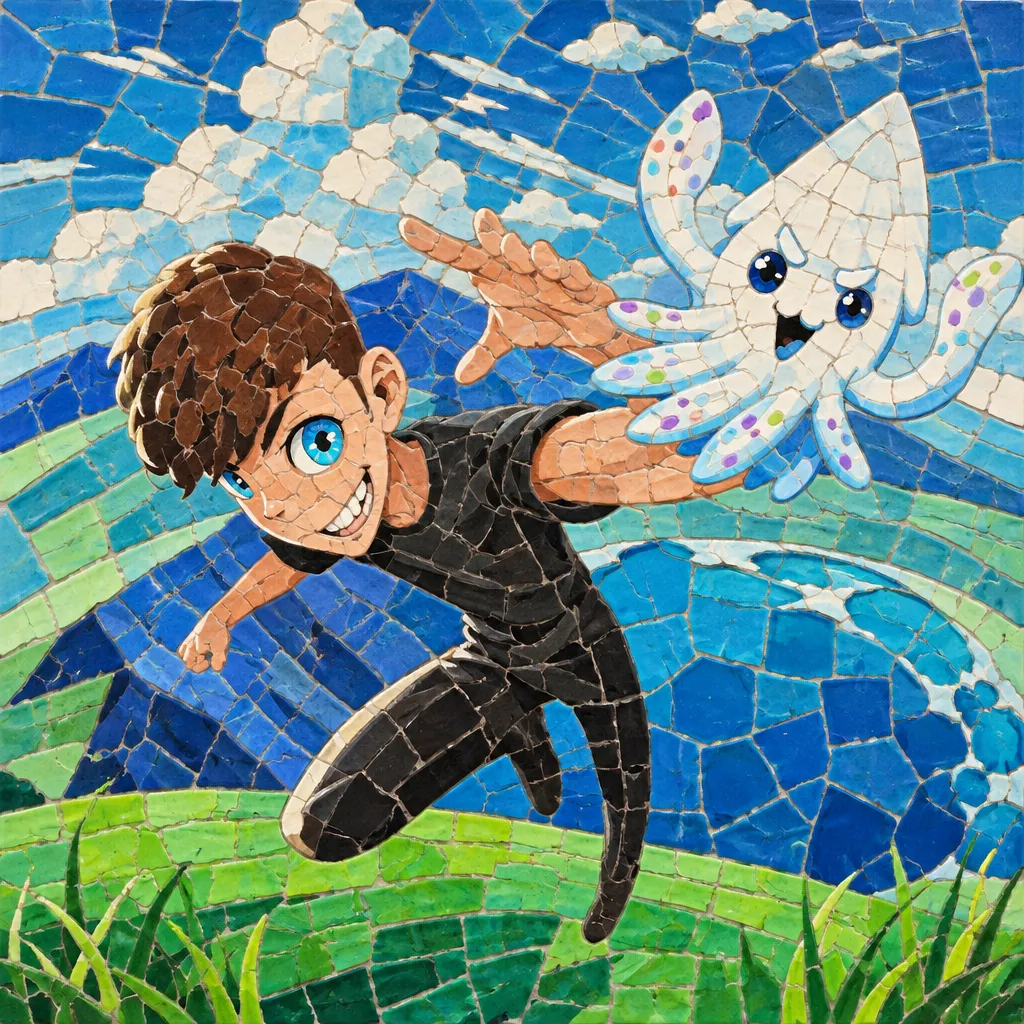
Gamecore is an internet-native electronic microgenre that fuses the timbres, melodies, and narrative tropes of classic and modern video game music with contemporary EDM songcraft. Its palette leans heavily on chiptune waveforms (square, triangle, noise), retro console/arcade sound effects, and leitmotif-style hooks, but frames them within club-forward rhythms and sound design drawn from electro house, future bass, glitch hop, dubstep, and drum & bass. The result is a bright, kinetic, and often nostalgic sound that feels like a “boss battle” drop or a euphoric level clear. Scenes and labels tied to VGM remix culture, doujin circles, and demoscene aesthetics helped codify the style, while streamers, esports content, and indie game culture amplified its reach.
Discover
Listen
Lo-Fi Hip Hop
Lo-fi hip hop is a mellow, sample-driven offshoot of hip hop that emphasizes warm, imperfect textures, simple loops, and relaxed grooves over virtuosic rapping or dense production. Producers often foreground tape hiss, vinyl crackle, and bit-depth artifacts to evoke a cozy, worn-in feeling that complements the genre’s minimal, repetitive structures. Built from boom-bap drum programming, jazzy chord progressions, and short melodic motifs, lo-fi hip hop typically functions as instrumental background music for reading, studying, or unwinding. Its aesthetics are closely tied to internet culture—especially 24/7 livestreams and anime-inspired visuals—making it one of the most recognizable “ambient hip hop” sounds of the streaming era.
Discover
Listen
Game Mood
Game mood is a contemporary, internet-native style that blends chill, loop-friendly electronic production with the melodic signifiers of video game music. It is crafted to sit comfortably behind gameplay, streaming, studying, or casual listening. The palette typically includes soft synth pads, gentle sidechained chords, arpeggiated leads, and light, clicky drum programming. Subtle chiptune timbres, sparkling bell or mallet tones, retro console textures, and synthwave-adjacent pads are common, while arrangements avoid intrusive vocals and sharp transients so the music remains non-distracting. Tempos are usually mid-slow (often 70–100 BPM or 120–140 BPM in half-time), harmonies are diatonic and consonant, and tracks are structured in seamless loops or gradual layer builds. The overall feel is soothing, nostalgic, and lightly propulsive—ideal for maintaining focus while preserving a sense of playful immersion.
Discover
Listen
Gaming Edm
Gaming EDM is a bright, hook‑driven branch of electronic dance music tailored for online gaming, streaming, and creator culture. It blends festival‑ready drops and sidechained supersaws with melodic, video‑game–friendly timbres (arpeggiated leads, chip/8‑bit flourishes) and clean royalty-friendly production that sits well under voice chat or commentary. The songs are typically concise, high‑energy, and instantly catchy, engineered to loop well on streams and to sync to highlight reels and esports content.
Discover
Listen
Lo-Fi Sleep
Lo-fi sleep is a soothing microstyle of lo-fi hip hop and ambient music designed for restful listening, unwinding, and falling asleep. It favors very soft transients, muted high frequencies, gentle tape-style saturation, and sparse harmonies. Drums (if present) are subdued and often brushy, with tempos typically in the 55–80 BPM range. Common sound elements include vinyl crackle, pink/brown noise beds, rain or night ambience, and mellow Rhodes/piano or guitar voicings. The overall aesthetic prioritizes calm, predictable loops, long decays, and minimal arrangement changes to avoid startling the listener and to promote relaxation and sleep continuity.
Discover
Listen
Slow Game
Slow game is a modern, internet-era blend of contemporary R&B and hip hop that prioritizes seductive mid‑tempo grooves, intimate vocals, and polished, radio‑ready songwriting. It typically features trap‑influenced drum programming (808 kicks, ticking hi‑hats), warm sub‑bass, sparse keys or guitar loops, and a prominent, melodic hook. Lyrically, the style revolves around romance, attraction, and late‑night introspection, often switching between sung choruses and rap verses. Compared with classic “slow jams,” slow game is glossier, more minimal, and shaped by the aesthetics of streaming culture—catchy toplines, short forms, and lush, reverb‑soaked space that leaves room for vocal ad‑libs and harmonies.
Discover
Listen
Lo-Fi Vgm
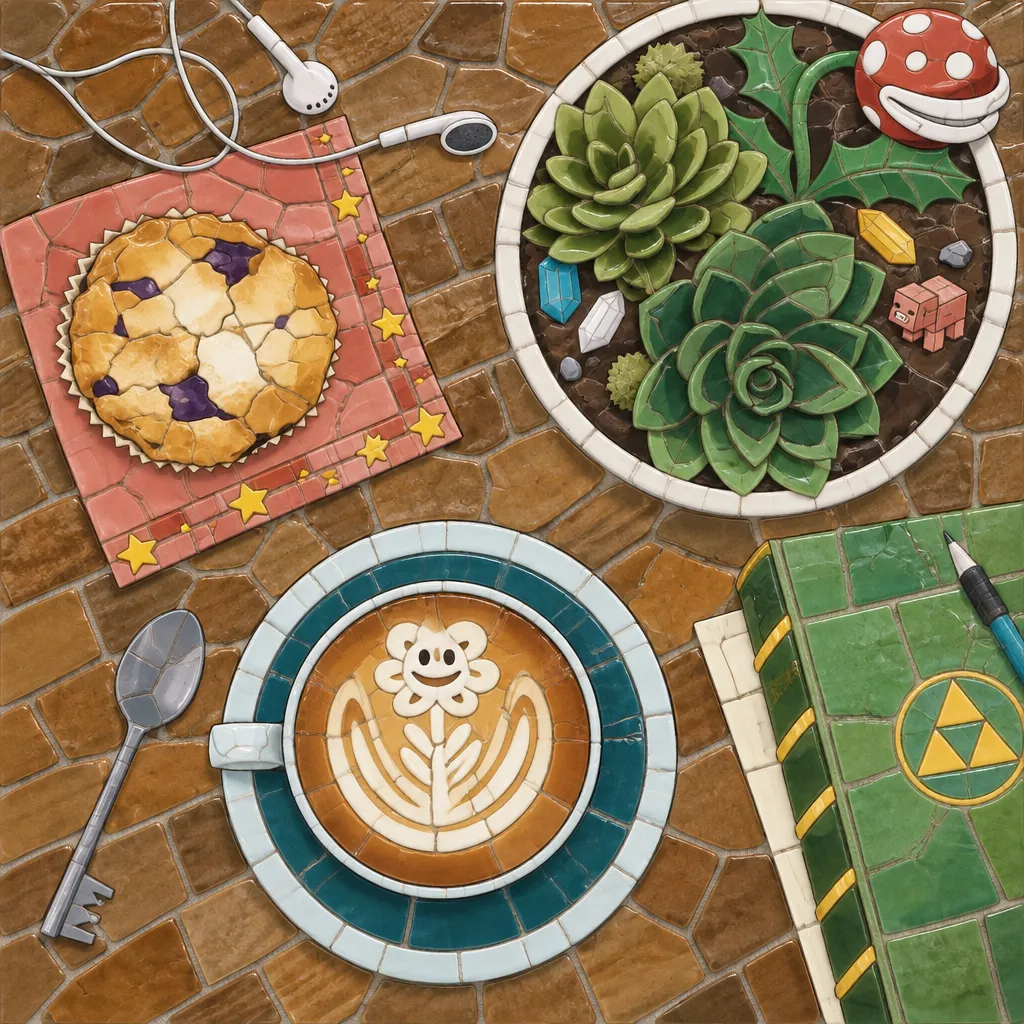
Lo‑fi VGM (lo‑fi video game music) is a crossover style that blends the relaxed, tape‑warmed aesthetics of lo‑fi hip hop with melodies and atmospheres from classic and contemporary video game scores. Producers typically re‑harmonize or gently reharmonize well‑known themes, slow the tempos into the 60–90 BPM range, add vinyl crackle, tape hiss, dusty drums, soft keys/guitar, and cozy ambience, and retain the nostalgic contours of the original cues. The result is music suited for studying, streaming, or unwinding, while evoking game‑world nostalgia. Netlabels and collectives—most visibly GameChops and Curaga Records—helped codify the sound with licensed, album‑length reinterpretations of major franchises.
Discover
Listen
Kawaii Future Bass
Kawaii future bass is a Japanese-born microgenre that blends the sidechained, chord-heavy drops of future bass with the cheery melodies, cute sound design, and pop sensibilities of J-pop, anime music, and game-inspired chiptune. It typically features bright supersaw stacks, bell and mallet plucks, high-pitched vocal chops (often from Vocaloid or J-pop/utaite sources), and sugary melodies in major or Lydian modes. Drums follow a half-time trap groove with crisp snares on beat three, while heavy sidechain compression creates a buoyant, bouncy feel. The aesthetic emphasizes “kawaii” (cute) culture—pastel tones, playful samples, and whimsical ear-candy—resulting in upbeat, feel-good tracks that are as much about personality and texture as they are about harmony and rhythm.
Discover
Listen
Glitch Hop Edm
Glitch hop EDM is a bass-heavy, midtempo offshoot of glitch and hip-hop that adopts the large-scale sound design, drops, and festival-ready structures of contemporary EDM. It typically runs around 90–115 BPM with a swung or syncopated hip-hop groove, while employing stutter edits, tape stops, bitcrushing, buffer repeats, granular chops, and intricate automation to create the characteristic "glitched" feel. Tracks often feature thick, modulated basslines; punchy, off-kilter drums; chopped vocals and foley; and harmonies that borrow from jazz, funk, and soul, all arranged in EDM-style buildups and drops.
Discover
Listen
Digital Fusion
Digital fusion blends the hardware‑limited timbres of Chiptune and Bit Music with the harmonic language and arranging scope of jazz fusion, cinematic/classical writing, progressive music, and contemporary electronic production. Producers often start with authentic chip palettes (NES, Game Boy, YM2612/Genesis, or tracker/sample-based 8/16‑bit sets), then write harmonically rich progressions, orchestrate with layered synths and sample libraries, and sometimes add live performers (saxophone, guitar, bass, drums, strings). The result feels both retro and forward‑looking: agile, rhythmically intricate, melodically ear‑catchy, and frequently “filmic” in scope. Compared with straight Chiptune, digital fusion leans harder into jazz harmony, odd meters, and cinematic development; compared with jazztronica, it keeps a stronger attachment to console/arcade sound design and tracker‑style articulation.
Discover
Listen
Speedrun
Speedrun is a gaming-adjacent EDM microgenre designed for adrenaline, focus, and momentum. It blends hyper-energetic drops with catchy, game-like melodies and rapid switch‑ups that mirror the pace and tension of timed gameplay. Typically sitting between 140–175+ BPM, the style pivots between half‑time dubstep weight, electro/complextro riffing, glitchy fills, and drum & bass acceleration. Producers favor bright, synthetic leads (often with chiptune flourishes), tightly sidechained supersaws, and animated bass design that stays clean and punchy for streaming. The mood is triumphant, high‑octane, and “level‑up” cinematic—made to keep speedrunners and viewers locked in.
Discover
Listen
Ambient Lo-Fi
Ambient lo-fi blends the spacious, texture-driven soundscapes of ambient music with the intimate, imperfect aesthetics of lo‑fi recording and production. Expect soft pads, tape hiss, vinyl crackle, gentle guitar swells, field recordings, muted pianos, and unobtrusive, often beatless or barely-there rhythms. Harmonic movement is slow and consonant, with modal or drone foundations and lots of reverb, flutter, and saturation to convey warmth and closeness. It thrives as background-friendly music for reading, studying, sleeping, or decompression, prioritizing atmosphere and tactile sound design over hooks or complex form.
Discover
Listen
Pixel
Pixel is an internet-born microgenre that blends chiptune’s 8‑ and 16‑bit timbres with glossy, high‑energy electropop and hyperpop production. You’ll hear pulse‑width‑modulated square leads, triangle basses, noise‑channel snares, rapid arpeggios that imply chords, and lots of game‑console sound design (NES/SNES/Genesis palettes). Melodies are bright and hooky, arrangements are tightly quantized and often very fast, and sound design leans “cute,” cartoonish, and ultra‑synthetic. Producers frequently add modern touches—side‑chain pumping, OTT compression, hard clip/bit‑crush distortion, and pitched/Auto‑Tuned vocals—so the result feels at once retro and contemporary. Aesthetically it signals retro‑gaming and net culture: UI bleeps, item‑pickup stingers, and level‑up flourishes sit alongside maximal, sugary pop writing. Typical tempos range from 120–170 BPM, with common detours into double‑time or halftime drops.
Discover
Listen
Otacore
Otacore is a fan-driven, internet-native umbrella for music centered on anime, manga, gaming, and broader otaku culture. Rather than a single strict musical style, it describes a cluster of scenes where pop, electronic, rock, and rap intersect with anime aesthetics, story tropes, and character/fandom references. Typical otacore repertoires include Vocaloid productions, anisong-style pop/rock, high-energy EDM with kawaii sound design, nightcore-style edits, game-inspired chiptune flourishes, and cover cultures (English/Japanese) tied to anime and game franchises. Distribution and discovery are powered by platforms such as Nico Nico Douga, YouTube, SoundCloud, streaming playlists, and later TikTok, where memeability, fan videos (AMVs), and vtuber performances help songs spread globally.
Discover
Listen
Vapor Pop
Vapor pop is a glossy, internet-native strain of alternative pop that blends vaporwave’s hazy nostalgia with contemporary synth-pop and dream-pop songwriting. It favors soft-focus textures, clean but slightly detuned synths, breathy vocals, and gently pulsing beats that evoke late‑night drives, neon cityscapes, and digital romance. Where vaporwave deconstructs and slows down archival media, vapor pop translates that vaporous, retro-futurist palette into concise, hook-forward songs. The result is sleek and melancholic yet accessible: pop structures and earworm choruses wrapped in gauzy ambience, 80s/90s timbral references, and modern streaming-era minimalism.
Discover
Listen
Vgm Remix
VGM remix (Video Game Music remix) is a community-driven style that reimagines melodies and motifs from video game soundtracks in contemporary production idioms such as EDM, house, lo-fi hip hop, trap, future bass, synthwave, jazz-fusion, and metal. Rather than simple covers, VGM remixes typically transform the original themes through new rhythmic frameworks, updated harmony, modern sound design, and club- or stream-ready mixing. The result keeps the instantly memorable hooks of game music while placing them in fresh, genre-blending contexts for dancefloors, livestreams, and everyday listening. The style thrives online: labels, creator collectives, and YouTube/SoundCloud/Bandcamp channels publish both licensed arrangements and transformative fan remixes, helping VGM cross over from nostalgia to an evergreen, global remix culture.
Discover
Listen
Downtempo
Downtempo is a mellow, groove-oriented branch of electronic music characterized by slower tempos, plush textures, and a focus on atmosphere over dancefloor intensity. Typical tempos range from about 60–110 BPM, with swung or laid-back rhythms, dub-informed basslines, and warm, jazz-tinged harmonies. Stylistically, it blends the spaciousness of ambient, the head-nodding rhythms of hip hop and breakbeat, and the cosmopolitan smoothness of lounge and acid jazz. Producers often use sampled drums, Rhodes or Wurlitzer electric pianos, guitar licks with delay, and field recordings to create intimate, cinematic soundscapes. The mood spans from soulful and romantic to introspective and dusk-lit, making it a staple of after-hours listening, cafes, and relaxed club back rooms.
Discover
Listen
16-Bit
16-bit is a video game–rooted music style defined by the sound and technical constraints of the fourth console generation, especially the Sega Mega Drive/Genesis and the Super Nintendo Entertainment System (SNES). It is brighter and fuller than earlier 8-bit chiptune, yet still shaped by strict channel counts, small memory footprints, and distinctive synthesis/sampling engines. On the Genesis side, the Yamaha YM2612’s gritty 6‑operator FM synthesis and PSG noise/tones produced punchy basses, glassy leads, metallic bells, and snappy drums. On the SNES side, the SPC700/S-DSP playback of tiny BRR-compressed samples with lush stereo panning, built-in echo/reverb, and ADSR envelopes enabled orchestral pads, chorus‑y strings, mallets, and detailed percussion. Melodically, 16-bit music emphasizes memorable hooks and modular loops; harmonically it ranges from bright pop progressions to adventurous, jazz-tinged, or cinematic changes typical of JRPGs and action titles. Today, 16-bit refers both to original soundtracks from that era and to contemporary compositions that emulate those chips and workflows, retaining the genre’s recognizable timbres, looping structures, and emotive, game-like pacing.
Discover
Listen
Hardcore
Hardcore (often called hardcore techno in its early form) is a fast, aggressive branch of electronic dance music characterized by heavily distorted, punchy 4/4 kick drums, tempos ranging from roughly 160 to well over 200 BPM, and a dark, high‑energy aesthetic. It emphasizes percussive drive over complex harmony, using clipped and saturated kick-bass sound design, sharp hi-hats, claps on the backbeat, and harsh synth stabs or screeches. Vocals, when present, are typically shouted hooks, sampled movie lines, or crowd chants processed with distortion and effects. Originating in the Netherlands in the early 1990s, the style quickly splintered into related scenes and subgenres such as gabber, happy hardcore, Frenchcore, terrorcore, speedcore, and later hardstyle. Its culture is closely associated with large-scale raves, specialized labels, and distinctive visual branding.
Discover
Listen
Lo-Fi
Lo-fi is a music aesthetic and genre defined by an embrace of audible imperfections—tape hiss, clipping, room noise, distorted transients, and uneven performance—that would be treated as errors in high-fidelity recording. Emerging from the DIY ethos of American indie and punk scenes, lo-fi turns budget constraints and home-recording limitations into a signature sound. Songs are often intimate, direct, and unvarnished, prioritizing immediacy and personality over polish. Typical lo-fi recordings use 4-track cassette or similarly modest setups, simple chord progressions, and understated vocals, spanning rock, folk, pop, and experimental approaches while retaining a homemade warmth and nostalgic patina.
Discover
Listen
Deep House
Deep house is a subgenre of house music characterized by warm, soulful textures, jazz-influenced harmony, and understated, hypnotic grooves. It typically runs around 115–124 BPM, favoring subtle swing, syncopated percussion, and rounded, mellow basslines over aggressive peaks. Sonically, deep house draws on extended chords (7ths, 9ths, 11ths), Rhodes and M1 organ timbres, airy pads, and tasteful use of reverb and delay to create a spacious, emotive atmosphere. Vocals, when present, often reference soul and gospel traditions, delivering intimate, reflective themes rather than big-room hooks. The style emerged in the mid-to-late 1980s as producers fused Chicago house rhythms with jazz-funk, soul, and garage house sensibilities, resulting in a smoother, deeper take on the house blueprint.
Discover
Listen
Ambient
Ambient is a form of electronic and electroacoustic music that prioritizes tone, atmosphere, and texture over conventional song structures and rhythmic drive. It typically features slow-moving harmonies, sustained drones, gentle timbral shifts, and extensive use of space and silence. Rather than drawing attention to itself through hooks or beats, ambient is designed to be as ignorable as it is interesting, rewarding both background listening and focused immersion. Artists often employ synthesizers, samplers, tape loops, field recordings, and subtle acoustic instruments, with reverb and delay creating a sense of place. Substyles range from luminous, consonant soundscapes to darker, more dissonant atmospheres.
Discover
Listen
Disco
Disco is a dance-music genre and nightlife subculture that crystallized in the United States during the 1970s, drawing especially from African-American, Italian-American, Latino, and queer club communities. Musically, disco is typified by a steady four-on-the-floor kick drum, syncopated and melodic electric-bass lines, lush string sections, bright brass and horns, electric pianos and synthesizers, and percussive, choppy rhythm guitars. Arrangements often feature orchestral colors, handclaps, congas, and vibraphone or bell textures, all engineered to deliver a continuous, groove-forward experience for the dance floor. The style combines the rich orchestration and romantic sweep of Philadelphia soul with the bottom-end drive of funk and the songcraft of contemporary R&B/pop, delivered in DJ-friendly extended mixes and 12-inch singles designed for club play.
Discover
Listen
Electronic
Electronic is a broad umbrella genre defined by the primary use of electronically generated or electronically processed sound. It encompasses music made with synthesizers, drum machines, samplers, computers, and studio/tape techniques, as well as electroacoustic manipulation of recorded or synthetic sources. The genre ranges from academic and experimental traditions to popular and dance-oriented forms. While its sonic palette is rooted in electricity and circuitry, its aesthetics span minimal and textural explorations, structured song forms, and beat-driven club permutations. Electronic emphasizes sound design, timbre, and studio-as-instrument practices as much as melody and harmony.
Discover
Listen
Show all 24 genres
Albums
2023
2
/5
Super Standards
Button Masher
16-Bit
2018
4
/5
Zelda & Chill
Mikel
Lo-Fi Hip Hop
Ambient
Downtempo
2015
2
/5
Splatunes
GameChops
Gamecore
Similar artists
3
/5
SwuM
Lo-Fi Hip Hop
Chillhop
Deep Southern Trap
2
/5
RINZ.
Focus Beats
Lo-Fi
Lo-Fi Hip Hop
1
/5
Various Artists
Afro-Funk
Alternative Rock
Ambient
3
/5
Bcalm
Focus Beats
Lo-Fi Study
Chillhop
3
/5
Mujo
Japanese Chillhop
Jazz Beats
Anime Lo-Fi
3
/5
LoFi VGM
Gamecore
Lo-Fi
Lo-Fi Sleep
3
/5
Epifania
Anime Lo-Fi
Chillhop
Focus Beats
2
/5
Saï T
Jazz Beats
Lo-Fi
Lo-Fi Beats
2
/5
Shy Guy
Lo-Fi
Lo-Fi Beats
Lo-Fi Hip Hop
2
/5
Palpal
Jazz Rap
Lo-Fi
Lo-Fi Beats
Download our mobile app
Get the Melodigging app and start digging for new genres on the go
Download on the App Store
Get it on Google Play
© 2026 Melodigging
Give feedback
Legal
Melodding was created as a tribute to
Every Noise at Once
, which inspired us to help curious minds keep digging into music's ever-evolving genres.