Genres
Artists
Albums
Make Music
Sign in
Sign in
Artists
Christian Rock
Artists
Christian Rock
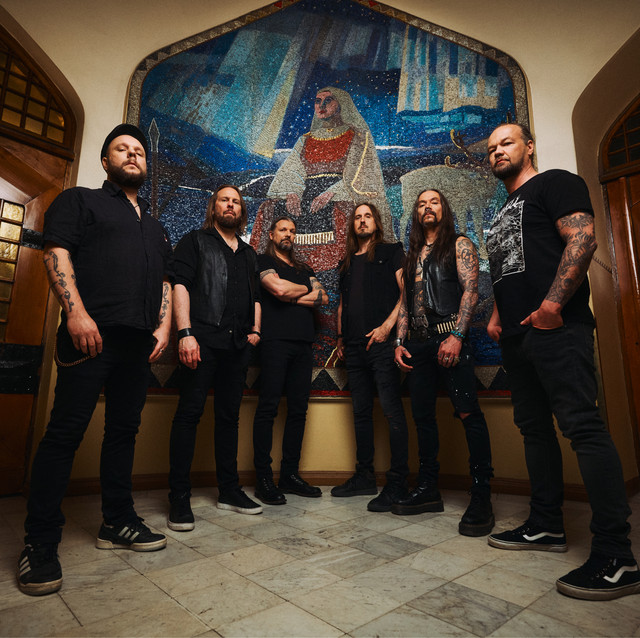
Extol
Listen
2
/5
Genres
Death Metal
Death metal is an extreme subgenre of heavy metal defined by heavily distorted, low‑tuned guitars, rapid and complex riffing, blast beat drumming, and harsh guttural vocals. Its harmonic language favors chromaticism, dissonance, and tremolo-picked lines that create an ominous, abrasive atmosphere. Lyrically, death metal often explores dark or transgressive themes—mortality, mythology, anti-religion, psychological horror, and the macabre—sometimes with philosophical or social commentary. Production ranges from raw and cavernous to hyper-precise and technical, reflecting the genre’s many regional scenes and substyles. From the mid‑1980s Florida scene (Tampa) and parallel developments in the US, UK, and Sweden, death metal evolved into numerous branches including brutal death metal, technical death metal, melodic death metal, and death‑doom, each emphasizing different aspects of speed, complexity, melody, or heaviness.
Discover
Listen
Progressive Metal
Progressive metal blends the ambition and extended song forms of progressive rock with the heaviness, timbre, and energy of heavy metal. It is characterized by complex arrangements, frequent time‑signature changes, virtuosic instrumental passages, thematic or concept‑driven albums, and a wide dynamic range from delicate, atmospheric sections to aggressive, high‑gain climaxes. Harmonically it draws on modal interchange, chromatic voice‑leading, and jazz‑fusion colors, while rhythmically it favors polymeters, polyrhythms, and metric modulation. Keyboards and layered production often add orchestral or cinematic scope.
Discover
Listen
Alternative Rock
Alternative rock is a broad umbrella for guitar-based rock that emerged from the independent and college-radio scenes as a counterpoint to mainstream, commercial rock. It blends the energy and ethos of punk with the textural and songwriting experiments of post-punk, new wave, jangle pop, and noise rock, often foregrounding introspective or socially aware lyrics. Across its many strains—from the melodic minimalism of college rock to the loud-quiet-loud dynamics of grunge and the artful experimentation of Radiohead-era modernism—alternative rock prioritizes authenticity, sonic individuality, and a do-it-yourself approach. Its sound ranges from chiming, chorus-laden clean guitars to abrasive distortion and feedback, supported by straightforward rock rhythms or off-kilter grooves, and production that can be either raw and live-sounding or polished yet unconventional.
Discover
Listen
Progressive Death Metal
Progressive death metal is a branch of death metal that fuses the genre’s extreme vocals, blast‑beat drumming, and downtuned riffing with progressive rock/metal traits such as long, multi‑section song forms, odd meters, dynamic contrasts, and frequent clean/acoustic passages. Compared with straight death metal, it places heavier emphasis on harmonic exploration (modal mixture, chromatic and dissonant voicings), rhythmic complexity (polymeter, tempo modulation), and conceptual or narrative albums. Many landmark bands also integrate jazz fusion vocabulary and instrumental virtuosity, creating music that is both aggressive and intricately arranged. Early and canonical exponents include acts that mixed death metal’s intensity with progressive rock’s ambition and jazz‑derived techniques.
Discover
Listen
Technical Death Metal
Technical death metal (often shortened to tech-death) is a virtuosic, hyper-detailed branch of death metal characterized by complex song structures, rapid-fire tempo changes, and high-performance musicianship. It fuses the extremity and heaviness of death metal with the rhythmic sophistication of progressive metal and the harmonic vocabulary of jazz fusion. Signature elements include odd and shifting time signatures, polyrhythms, dissonant and chromatic harmony, through-composed or non-repeating structures, and intricate contrapuntal interplay between guitars and bass (often fretless). Drumming emphasizes precision blast beats, rapid double-kick patterns, metric modulation, and constant subdivision changes. Vocals are primarily deep growls or harsh screams, while lyrics frequently explore science, philosophy, metaphysics, and cosmology alongside the genre’s traditional dark themes. Production tends to favor clarity and separation to make dense arrangements intelligible, with tight, gated guitars, articulate bass presence, and drum sounds that capture transient detail. The result is aggressive, cerebral, and often breathtakingly technical music that rewards close listening.
Discover
Listen
Thrash Metal
Thrash metal is an extreme subgenre of heavy metal defined by blistering tempos, tightly palm‑muted low‑register riffs, and sharp, aggressive execution. Songs commonly drive at 180–240 BPM, pairing chugging, down‑picked rhythms with shredding leads and rapid alternate‑picked lines. Drumming emphasizes double‑kick work, skank/D‑beat patterns, and abrupt, syncopated accents that lock tightly with the guitars. Vocals range from rough, shouted delivery to snarling barks and occasionally cleaner, declamatory phrasing. Lyrically, thrash favors social critique, anti‑authoritarian themes, war and dystopia, and street‑level realism, matching the music’s urgency. The overall aesthetic is lean, fast, and technical—channeling the speed and directness of hardcore punk through the tonal weight and precision of heavy metal.
Discover
Listen
Christian Rock
Christian rock is a family of rock styles whose lyrics and outlook are explicitly Christian, ranging from evangelistic and testimonial songs to social commentary filtered through a Christian worldview. Musically, it spans the same breadth as mainstream rock—soft rock ballads, heartland and country-tinged rock, pop-rock, alternative, hard rock, and even metal—while keeping melodies and hooks accessible for radio and congregational settings. Typical instrumentation includes electric guitars, bass, drums, and keyboards, with production that varies from raw garage energy to polished arena-sized anthems. The genre coalesced out of the late-1960s Jesus movement and the early-1970s "Jesus music" scene, later developing a robust industry of labels, radio, and festivals. While purpose-driven in its message, Christian rock has produced artists who crossed into the mainstream and influenced modern worship’s arena-rock sound.
Discover
Listen
Norsk Rock
Norsk rock refers to rock music from Norway, typically performed by Norwegian bands and often sung in Norwegian or regional dialects. It blends global rock idioms with distinctly Norwegian sensibilities, such as storytelling about everyday life, social issues, and a subtle sense of northern melancholy. Musically, norsk rock ranges from rootsy blues-rock and 70s-inspired classic rock to post-punk, alternative, and neo-psychedelia. Hallmarks include guitar-driven arrangements, strong choruses, and a balance between raw energy and melodic craft. Regional scenes in Oslo, Trondheim, Bergen, and Stavanger helped shape its diverse sounds. Over time, the genre became a cultural institution in Norway, with iconic bands defining generations and inspiring newer waves that connect local identity with international rock trends.
Discover
Listen
Show all 8 genres
Similar artists
1
/5
Various Artists
Soundtrack
Afro-Funk
Alternative Rock
4
/5
Gojira
French Death Metal
Progressive Groove Metal
Progressive Metal
4
/5
Opeth
Death Metal
Progressive Death Metal
Progressive Metal
4
/5
Death
Death Metal
Metal
Grindcore
3
/5
Meshuggah
Djent
Progressive Groove Metal
Technical Groove Metal
3
/5
Amorphis
Progressive Doom
Progressive Metal
Viking Metal
3
/5
Therion
Symphonic Metal
Rock
Death Metal
3
/5
Sylosis
Melodic Death Metal
Thrash Metal
Metalcore
3
/5
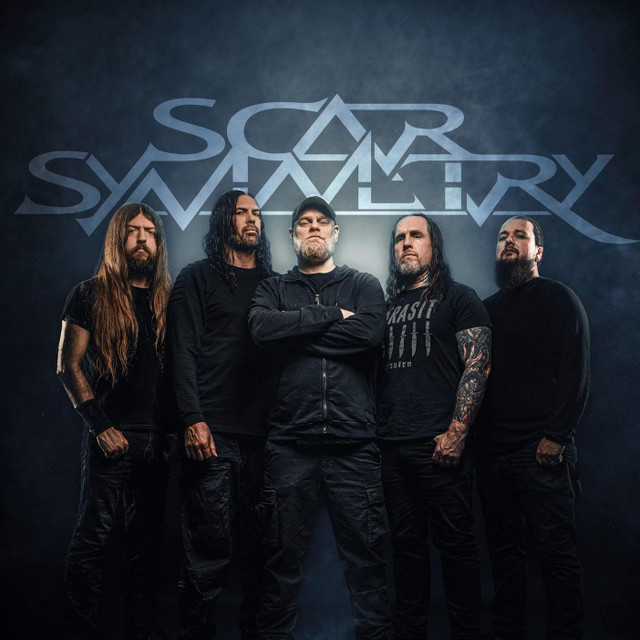
Scar Symmetry
Death Metal
Melodic Death Metal
Metal
3
/5
Rivers of Nihil
Death Metal
Progressive Metal
Deathcore
Download our mobile app
Get the Melodigging app and start digging for new genres on the go
Download on the App Store
Get it on Google Play
© 2026 Melodigging
Give feedback
Legal
Melodding was created as a tribute to
Every Noise at Once
, which inspired us to help curious minds keep digging into music's ever-evolving genres.