Genres
Artists
Albums
Make Music
Sign in
Sign in
Artists
Death Metal
Artists
Death Metal
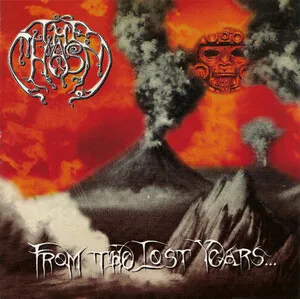
Chasm, The
1995
·
1 album
Listen
Genres
Cosmic Death Metal
Cosmic death metal is a branch of death metal that fuses technical and progressive riffcraft with space‑oriented atmospheres and science‑fiction thematics. Musically, it combines the heft and speed of classic death metal with expansive, reverb‑drenched leads, layered synths or guitar textures evocative of deep space, and frequent metric and harmonic shifts. Lyrically, it explores cosmology, extraterrestrial life, cosmic horror, and metaphysical themes. The result is a sound that feels both crushingly physical and vast, often alternating between precision blast‑beat assaults and weightless, ambient or psychedelic passages that suggest starfields and voids.
Discover
Listen
Death Metal
Death metal is an extreme subgenre of heavy metal defined by heavily distorted, low‑tuned guitars, rapid and complex riffing, blast beat drumming, and harsh guttural vocals. Its harmonic language favors chromaticism, dissonance, and tremolo-picked lines that create an ominous, abrasive atmosphere. Lyrically, death metal often explores dark or transgressive themes—mortality, mythology, anti-religion, psychological horror, and the macabre—sometimes with philosophical or social commentary. Production ranges from raw and cavernous to hyper-precise and technical, reflecting the genre’s many regional scenes and substyles. From the mid‑1980s Florida scene (Tampa) and parallel developments in the US, UK, and Sweden, death metal evolved into numerous branches including brutal death metal, technical death metal, melodic death metal, and death‑doom, each emphasizing different aspects of speed, complexity, melody, or heaviness.
Discover
Listen
Death-Doom Metal
Death-doom metal is a fusion of death metal’s extremity and doom metal’s slow, crushing weight. It pairs down-tuned, monolithic riffs and oppressive tempos with death metal features such as guttural growls, occasional double-kick bursts, and abrasive distortion. The mood is bleak and melancholic, often enhanced by minor-key harmonies, sustained chords, and sparse melodic figures. Some bands add keyboards, violin, or clean guitar interludes to deepen the sense of tragedy and atmosphere. Lyrically, it focuses on grief, mortality, desolation, and existential dread. Arrangements tend to be long-form and dynamic: glacial passages anchor the music while strategically placed surges of death-metal intensity create cathartic contrast.
Discover
Listen
Heavy Metal
Heavy metal is a loud, guitar-driven style of rock defined by heavily distorted riffs, thunderous drums, and powerful vocals. Its musical language emphasizes minor modes, modal (Aeolian, Phrygian) riffing, and energy over groove, often featuring virtuosic guitar solos and dramatic dynamic contrasts. Emerging from late-1960s blues rock and psychedelic experimentation, heavy metal codified a darker, heavier sound with bands like Black Sabbath, Deep Purple, and Led Zeppelin. The genre values weight, intensity, and grandeur—whether through plodding, doom-laden tempos or galloping, high-energy rhythms—paired with themes that range from personal struggle and social critique to fantasy, mythology, and the occult.
Discover
Listen
Metal
Metal (often used to mean heavy metal in its broad, umbrella sense) is a loud, guitar-driven style of rock defined by high-gain distortion, emphatic and often martial rhythms, and a dense, powerful low end. It foregrounds riff-based songwriting, dramatic dynamics, virtuosic guitar solos, and commanding vocals that range from melodic wails to aggressive snarls and growls. Harmonically, metal favors minor modes, modal color (Aeolian, Phrygian), chromaticism, and tritone-inflected tension, while thematically it explores power, mythology, the occult, social critique, fantasy, and existential subjects. While adjacent to hard rock, metal typically pushes amplification, distortion, precision, and thematic intensity further, forming a foundation for many specialized subgenres.
Discover
Listen
Rock
Rock is a broad family of popular music centered on amplified instruments, a strong backbeat, and song forms that foreground riffs, choruses, and anthemic hooks. Emerging from mid‑20th‑century American styles like rhythm & blues, country, and gospel-inflected rock and roll, rock quickly expanded in scope—absorbing folk, blues, and psychedelic ideas—while shaping global youth culture. Core sonic markers include electric guitar (often overdriven), electric bass, drum kit emphasizing beats 2 and 4, and emotive lead vocals. Rock songs commonly use verse–chorus structures, blues-derived harmony, and memorable melodic motifs, ranging from intimate ballads to high‑energy, stadium‑sized performances.
Discover
Listen
Albums
1995
1
/5
From the Lost Years...
The Chasm
Death-Doom Metal
Death Metal
Heavy Metal
Similar artists
2
/5
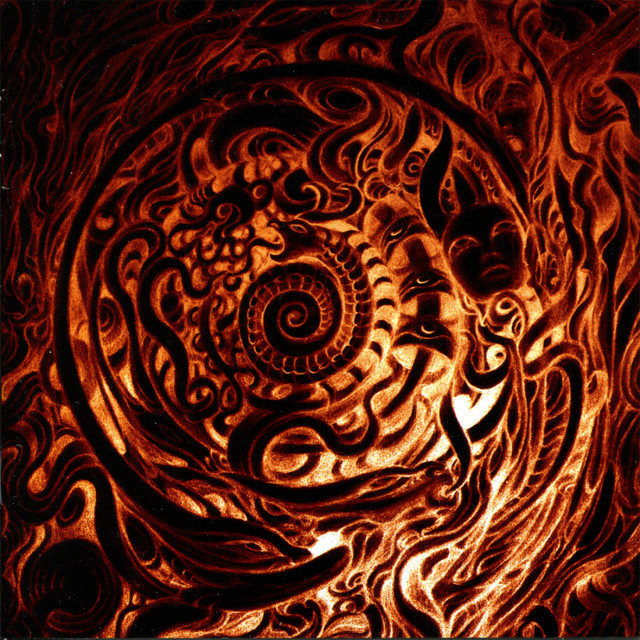
Esoteric
Funeral Doom Metal
Doom Metal
Rock
4
/5
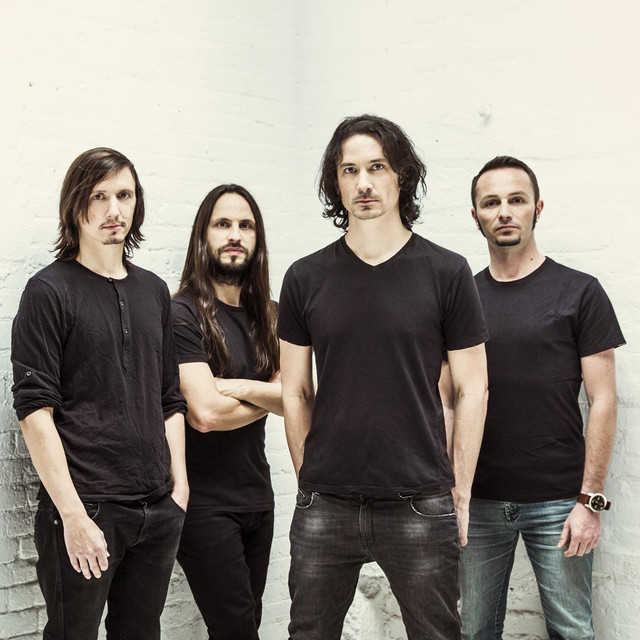
Gojira
French Death Metal
Progressive Groove Metal
Progressive Metal
4
/5
Amon Amarth
Death Metal
Melodic Death Metal
Tolkien Metal
4
/5
In Flames
Melodic Death Metal
Gothenburg Sound
Death Metal
4
/5
Opeth
Death Metal
Progressive Death Metal
Progressive Metal
3
/5
Meshuggah
Djent
Progressive Groove Metal
Technical Groove Metal
3
/5
Behemoth
Black Metal
Death Metal
Pagan Black Metal
3
/5
Kreator
Melodic Thrash
Thrash Metal
Rock
3
/5
Cradle Of Filth
Black Metal
Gothic Black Metal
Symphonic Black Metal
3
/5
Soilwork
Melodic Death Metal
Death Metal
Metal
Download our mobile app
Get the Melodigging app and start digging for new genres on the go
Download on the App Store
Get it on Google Play
© 2026 Melodigging
Give feedback
Legal
Melodding was created as a tribute to
Every Noise at Once
, which inspired us to help curious minds keep digging into music's ever-evolving genres.