Genres
Artists
Albums
Make Music
Sign in
Sign in
Artists
Melodic Death Metal
Artists
Melodic Death Metal
In Flames
1994–2023
·
7 albums
Listen
4
/5
Genres
Electronic Djent
Electronic djent is a hybrid microgenre that fuses the palm‑muted, polyrhythmic chug and extended‑range guitar vocabulary of djent with the sound design, structures, and drops of modern electronic music. Producers and guitarists build songs around tight, syncopated low‑string riffs, then interweave synth basses, arpeggiators, glitch edits, and half‑time drops drawn from dubstep, drum & bass, and IDM. The result feels at once mechanical and cinematic: staccato guitars lock to quantized drums while side‑chained pads and digital ‘wub’ basses breathe in the spaces between the accents. Although largely instrumental, the genre ranges from sleek, futuristic ‘chip‑djent’ and synthwave‑tinted palettes to heavier industrial and bass‑music crossovers. It is a quintessential internet‑era style: written in DAWs, shared on Bandcamp/YouTube, and refined by tight community feedback loops.
Discover
Listen
Nu-Metalcore
Nu‑metalcore (often nicknamed "nu‑core") blends the bounce, hip‑hop inflections, and downtuned groove of late‑1990s nu metal with the breakdown‑heavy aggression and precise syncopation of 2000s metalcore. Expect sharply gated, low‑tuned riffs, halftime drops, and elastic grooves that swing between punchy chugs and percussive, djent‑like accents. Vocals typically jump from harsh screams and pitched‑down growls to rap‑leaning cadences and hooky, melodic choruses. Electronic textures—turntable cuts, glitch edits, sub‑drops, and 808 layers—are common, supporting a glossy yet crushing modern production aesthetic. Lyrically, the style carries nu metal’s confessional angst and social frustration while adopting metalcore’s cathartic intensity and mosh‑centric energy. The result is a contemporary, club‑ready heaviness that feels both nostalgic and forward‑looking.
Discover
Listen
Rap Metalcore
Rap metalcore is a hybrid style that fuses the rhythmic, lyrical flow of hip hop with the high-gain guitars, breakdowns, and screamed/sung hooks of metalcore. Compared to 1990s rap metal and nu metal, it keeps metalcore’s tighter, modern low-tuned riffing, double-time drumming, and cathartic breakdown structures, while foregrounding MC-style verses, rhyme schemes, and hip‑hop cadences. Production often blends live drums with programmed elements (808 subs, trap hats) and layers percussive, djent-leaning guitar chugs under rapped verses, then explodes into screamed or anthemic sung choruses. Lyrical themes span personal struggle, social commentary, resilience, and identity, delivered with a mix of rap’s directness and metalcore’s emotive intensity.
Discover
Listen
Progressive Deathcore
Progressive deathcore is a fusion of deathcore’s crushing heaviness and breakdown-centric aggression with the adventurous songcraft, technicality, and textural breadth of progressive metal. Hallmarks include extended-range guitars (7–9 strings) in very low tunings, polymetric “djent”-leaning grooves, rapid meter changes, and long-form structures that move well beyond verse/chorus. You’ll hear a blend of palm‑muted syncopation, angular technical riffs, sweeping leads, and atmospheric keyboards or orchestration that add space between punishing passages. Vocals typically alternate between low growls, layered screams, and occasional clean passages; production is tight, modern, and punchy. Lyrically, the style often departs from deathcore’s horror tropes to explore sci‑fi, philosophy, cosmic imagery, and introspective themes, matching the music’s expansive, cinematic scope.
Discover
Listen
Halftime Dnb
Halftime DnB is a bass-focused offshoot of drum and bass that retains DnB’s tempo (typically 170–174 BPM) but places the drums in a half-time grid, creating the feel of 85–87 BPM. The result is a spacious, head‑nod swing that blends the sound design intensity of DnB with the groove logic of hip hop and trap. Producers emphasize heavyweight sub lines, neuro-influenced bass design, and skeletal, syncopated drum patterns (kicks and 808s up front, snares landing hard on beat three). Texture and negative space are integral, with percussion details, foley, and minimal melodic fragments carrying the narrative. The style sits naturally between club systems and headphone listening, often occupying the same ecosystems as UK bass, the autonomic/leftfield DnB continuum, and the LA beat scene.
Discover
Listen
Soundclown
Soundclown is an internet-born remix and mashup style that thrives on comedic juxtaposition, bait‑and‑switch reveals, and hyper-referential sample collage. It blends pop hits, game and cartoon music, ad jingles, meme sounds, and viral speech into quick-cut audio gags. The genre developed across YouTube and SoundCloud, favoring shock humor, nostalgia, and absurdity over traditional song form. Hallmarks include sudden key/tempo whiplash, exaggerated pitch-shifts, ear‑rending “earrape” peaks, and punchline drops that transform a familiar source into something hilariously incongruent. Because it is fundamentally platform-native, soundclown is as much a memetic editing culture as a musical style. Its tracks often function like sonic shitposts: fast, punchy, and built for instant recognition and shareability.
Discover
Listen
Electronic Trap
Electronic trap is a club-oriented hybrid that fuses modern trap’s drum language (punchy 808 kicks, snappy snares, fast hi-hat rolls) with EDM sound design and festival-style arrangement. Compared to rap-first trap, electronic trap is typically more instrumental and drop-driven, with dramatic buildups, heavy bass drops, and highly processed synths. Common sonic traits include distorted 808 subs, aggressive lead synths, chopped or pitched vocal samples, and big FX transitions (risers, impacts, sweeps). The overall focus is energy, bass weight, and crowd impact on large sound systems.
Discover
Listen
Swancore
Swancore is a bright, technical offshoot of post-hardcore marked by intricate, funk-tinged guitar work, elastic grooves, and the interplay of soaring clean vocals with harsher screams. Named after guitarist Will Swan (Dance Gavin Dance), the style emphasizes tight, syncopated riffing, frequent tapping, and jazz-fusion flourishes wrapped in catchy, pop-forward hooks. Arrangements pivot rapidly between aggressive bursts and sleek melodic passages. The harmony often ventures beyond basic triads to include extensions, mode mixture, and chromatic voice-leading, while drums favor ghost-note heavy, linear patterns and occasional odd-meter turns. Despite the complexity, Swancore typically retains an upbeat, glossy production aesthetic that highlights clarity, agility, and rhythmic snap.
Discover
Listen
Melodic Metalcore
Melodic metalcore blends the harmonized guitar leads and minor-key melodicism of Gothenburg-style melodic death metal with the breakdown-heavy aggression and song structures of metalcore. It is characterized by dual vocal approaches that alternate between harsh screams and soaring clean choruses, along with tightly palm-muted riffs and double-kick driven drumming. Typical arrangements feature verse–pre-chorus–chorus structures, with a post-chorus hook, a melodic guitar solo, and a climactic breakdown. Tunings are often dropped (Drop C, Drop B, or lower), and guitar parts favor harmonized lines in thirds, pedal-point riffs, and modal color from Aeolian and Phrygian. Lyrical themes usually focus on resilience, introspection, personal struggle, and catharsis.
Discover
Listen
Melodic Death Metal
Melodic death metal (often shortened to melodeath) blends the speed, aggression, and harsh vocals of death metal with the harmonized guitar leads, memorable melodies, and songcraft of traditional heavy metal and thrash. It is characterized by twin‑guitar harmonies, fast tremolo riffs, punchy palm‑muted rhythms, and growled or screamed vocals, often contrasted with catchy, clearly articulated lead lines. Compared to traditional death metal, the genre favors stronger tonal centers, consonant interval harmonies (thirds and sixths), and more accessible structures, while retaining double‑kick intensity and occasional blast beats. Production tends to be tighter and clearer than early death metal, and many bands incorporate keyboards for texture. The style is strongly associated with the early–mid 1990s Gothenburg scene in Sweden, though parallel strains also emerged in the UK and Finland.
Discover
Listen
Gothenburg Sound
The Gothenburg sound is a melodic death metal style that emerged from Gothenburg, Sweden in the early to mid‑1990s. It fuses the aggression and precision of death/thrash metal with the twin‑guitar harmonies and hook‑driven songwriting of classic heavy metal. Key traits include harmonized lead guitars, fast tremolo‑picked melodies, palm‑muted rhythm work, energetic double‑kick and thrash beats, and harsh growled vocals. Compared with contemporaneous death metal, songs often use more accessible verse‑chorus structures and memorable, melancholy guitar themes. Its signature albums—such as At the Gates’ "Slaughter of the Soul" and In Flames’ "The Jester Race"—helped define a melodic, melancholic yet aggressive aesthetic that later shaped 2000s metalcore and modern melodic metal worldwide.
Discover
Listen
Metalcore
Metalcore is a fusion of hardcore punk’s urgency and ethos with heavy metal’s riff language and technicality. It is defined by tightly palm‑muted riffs, rapid double‑kick drumming, and frequent breakdowns—rhythmic, syncopated passages written to accentuate impact and crowd movement. Vocals typically alternate between harsh screams or growls and, in many bands, soaring clean choruses—a contrast that emphasizes both aggression and catharsis. Harmony and melody often borrow from melodic death metal, yielding minor‑key leads, harmonized guitars, and hook‑driven refrains. Modern production favors precise editing, dense guitar layering, and punchy drum sounds that keep complex rhythms clear at high intensity.
Discover
Listen
16-Bit
16-bit is a video game–rooted music style defined by the sound and technical constraints of the fourth console generation, especially the Sega Mega Drive/Genesis and the Super Nintendo Entertainment System (SNES). It is brighter and fuller than earlier 8-bit chiptune, yet still shaped by strict channel counts, small memory footprints, and distinctive synthesis/sampling engines. On the Genesis side, the Yamaha YM2612’s gritty 6‑operator FM synthesis and PSG noise/tones produced punchy basses, glassy leads, metallic bells, and snappy drums. On the SNES side, the SPC700/S-DSP playback of tiny BRR-compressed samples with lush stereo panning, built-in echo/reverb, and ADSR envelopes enabled orchestral pads, chorus‑y strings, mallets, and detailed percussion. Melodically, 16-bit music emphasizes memorable hooks and modular loops; harmonically it ranges from bright pop progressions to adventurous, jazz-tinged, or cinematic changes typical of JRPGs and action titles. Today, 16-bit refers both to original soundtracks from that era and to contemporary compositions that emulate those chips and workflows, retaining the genre’s recognizable timbres, looping structures, and emotive, game-like pacing.
Discover
Listen
Death Metal
Death metal is an extreme subgenre of heavy metal defined by heavily distorted, low‑tuned guitars, rapid and complex riffing, blast beat drumming, and harsh guttural vocals. Its harmonic language favors chromaticism, dissonance, and tremolo-picked lines that create an ominous, abrasive atmosphere. Lyrically, death metal often explores dark or transgressive themes—mortality, mythology, anti-religion, psychological horror, and the macabre—sometimes with philosophical or social commentary. Production ranges from raw and cavernous to hyper-precise and technical, reflecting the genre’s many regional scenes and substyles. From the mid‑1980s Florida scene (Tampa) and parallel developments in the US, UK, and Sweden, death metal evolved into numerous branches including brutal death metal, technical death metal, melodic death metal, and death‑doom, each emphasizing different aspects of speed, complexity, melody, or heaviness.
Discover
Listen
Melodic Metal
Melodic metal is a broad umbrella within heavy metal that emphasizes strong, memorable melodies, harmonized guitar leads, and singable choruses while retaining the energy and weight of metal. The style often borrows the speed and precision of speed/power metal, the twin-guitar harmonies of NWOBHM, and occasionally the virtuosity of neoclassical metal. While the guitars and rhythm section remain driving and assertive, songwriting prioritizes melodic hooks, clear thematic development, and emotionally expressive vocals. It overlaps with and feeds into adjacent styles such as power metal and symphonic metal, but it is defined less by specific orchestration or lyrical topics and more by a consistent commitment to melody throughout riffs, leads, and vocal lines.
Discover
Listen
Metal
Metal (often used to mean heavy metal in its broad, umbrella sense) is a loud, guitar-driven style of rock defined by high-gain distortion, emphatic and often martial rhythms, and a dense, powerful low end. It foregrounds riff-based songwriting, dramatic dynamics, virtuosic guitar solos, and commanding vocals that range from melodic wails to aggressive snarls and growls. Harmonically, metal favors minor modes, modal color (Aeolian, Phrygian), chromaticism, and tritone-inflected tension, while thematically it explores power, mythology, the occult, social critique, fantasy, and existential subjects. While adjacent to hard rock, metal typically pushes amplification, distortion, precision, and thematic intensity further, forming a foundation for many specialized subgenres.
Discover
Listen
Heavy Metal
Heavy metal is a loud, guitar-driven style of rock defined by heavily distorted riffs, thunderous drums, and powerful vocals. Its musical language emphasizes minor modes, modal (Aeolian, Phrygian) riffing, and energy over groove, often featuring virtuosic guitar solos and dramatic dynamic contrasts. Emerging from late-1960s blues rock and psychedelic experimentation, heavy metal codified a darker, heavier sound with bands like Black Sabbath, Deep Purple, and Led Zeppelin. The genre values weight, intensity, and grandeur—whether through plodding, doom-laden tempos or galloping, high-energy rhythms—paired with themes that range from personal struggle and social critique to fantasy, mythology, and the occult.
Discover
Listen
Rock
Rock is a broad family of popular music centered on amplified instruments, a strong backbeat, and song forms that foreground riffs, choruses, and anthemic hooks. Emerging from mid‑20th‑century American styles like rhythm & blues, country, and gospel-inflected rock and roll, rock quickly expanded in scope—absorbing folk, blues, and psychedelic ideas—while shaping global youth culture. Core sonic markers include electric guitar (often overdriven), electric bass, drum kit emphasizing beats 2 and 4, and emotive lead vocals. Rock songs commonly use verse–chorus structures, blues-derived harmony, and memorable melodic motifs, ranging from intimate ballads to high‑energy, stadium‑sized performances.
Discover
Listen
Show all 18 genres
Albums
2023
4
/5
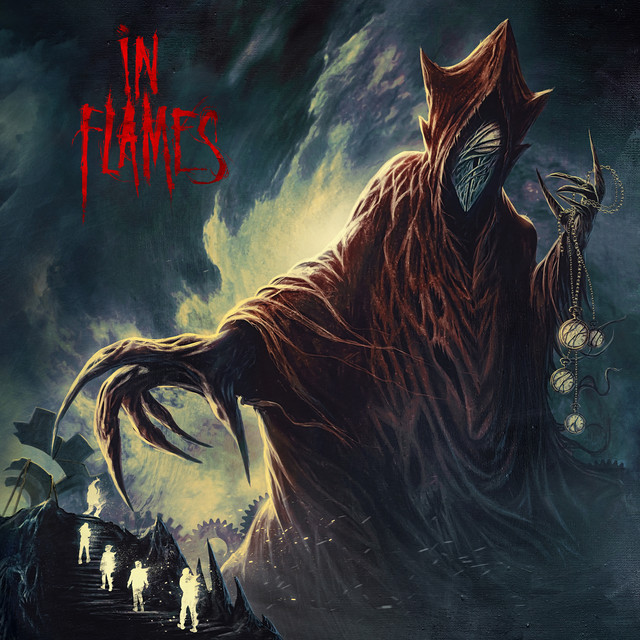
Foregone
In Flames
Melodic Metal
Melodic Death Metal
Death Metal
2020
2
/5
I, the Mask (Arcade Version)
In Flames
16-Bit
2000
1
/5
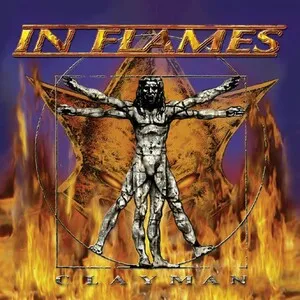
Clayman
In Flames
Gothenburg Sound
Melodic Death Metal
1999
1
/5
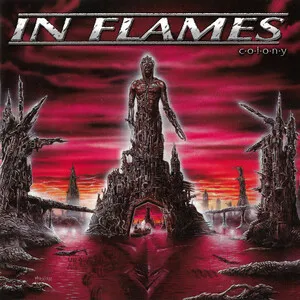
Colony
In Flames
Gothenburg Sound
Melodic Death Metal
1997
1
/5
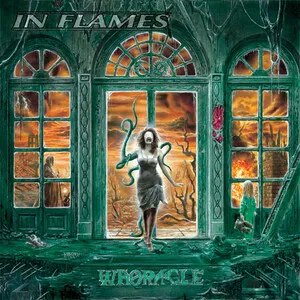
Whoracle
In Flames
Gothenburg Sound
Melodic Death Metal
1996
3
/5
The Jester Race
In Flames
Gothenburg Sound
Melodic Death Metal
Metal
1994
2
/5
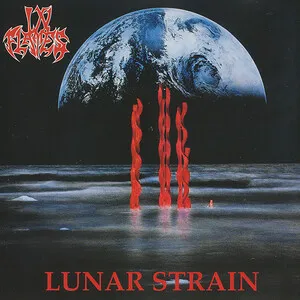
Lunar Strain
In Flames
Gothenburg Sound
Death Metal
Heavy Metal
Similar artists
3
/5
Dark Tranquillity
Melodic Death Metal
Gothenburg Sound
Metal
3
/5
Arch Enemy
Melodic Death Metal
Metal
Death Metal
3
/5
Soilwork
Melodic Death Metal
Death Metal
Metal
2
/5
The Haunted
Melodic Death Metal
Groove Metal
Death Metal
4
/5
Amon Amarth
Death Metal
Melodic Death Metal
Tolkien Metal
4
/5
Opeth
Death Metal
Progressive Death Metal
Progressive Metal
3
/5
The Black Dahlia Murder
American Melodeath
Melodic Deathcore
Death Metal
3
/5
Amorphis
Progressive Doom
Progressive Metal
Viking Metal
3
/5
At The Gates
Death Metal
Melodic Death Metal
Metal
3
/5
Insomnium
Melodic Death Metal
Metal
Doom Metal
Download our mobile app
Get the Melodigging app and start digging for new genres on the go
Download on the App Store
Get it on Google Play
© 2026 Melodigging
Give feedback
Legal
Melodding was created as a tribute to
Every Noise at Once
, which inspired us to help curious minds keep digging into music's ever-evolving genres.