Genres
Artists
Albums
Make Music
Sign in
Sign in
Artists
American Melodeath
Artists
American Melodeath
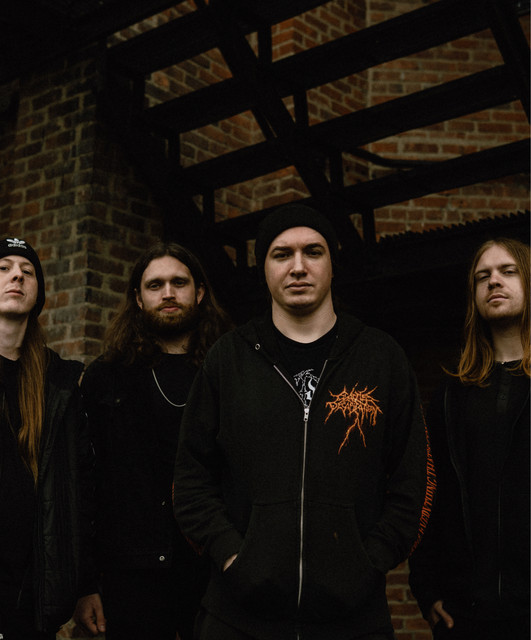
The Black Dahlia Murder
2003–2024
·
13 albums
Listen
3
/5
Genres
Slamming Deathcore
Slamming deathcore is an especially heavy, groove-focused branch of deathcore that fuses the massive, "caveman" slam riffs of brutal/slam death metal with the breakdown-driven structures of metalcore. It emphasizes ultra‑low guitar tunings, tectonic half‑time "slams," rapid alternation with blasts, and extremely guttural vocals (pig squeals, tunnel growls, and inhales/exhales). Modern productions often add sub‑bass drops, tightly edited drums, and layered vocal effects for maximum impact. Lyrical themes tend toward horror, cosmic or apocalyptic imagery, and exaggerated brutality, though some bands bring sci‑fi or mythological concepts into the mix. The resulting sound is relentlessly percussive, groove‑centric, and built for mosh‑inducing impact.
Discover
Listen
Progressive Deathcore
Progressive deathcore is a fusion of deathcore’s crushing heaviness and breakdown-centric aggression with the adventurous songcraft, technicality, and textural breadth of progressive metal. Hallmarks include extended-range guitars (7–9 strings) in very low tunings, polymetric “djent”-leaning grooves, rapid meter changes, and long-form structures that move well beyond verse/chorus. You’ll hear a blend of palm‑muted syncopation, angular technical riffs, sweeping leads, and atmospheric keyboards or orchestration that add space between punishing passages. Vocals typically alternate between low growls, layered screams, and occasional clean passages; production is tight, modern, and punchy. Lyrically, the style often departs from deathcore’s horror tropes to explore sci‑fi, philosophy, cosmic imagery, and introspective themes, matching the music’s expansive, cinematic scope.
Discover
Listen
Downtempo Deathcore
Downtempo deathcore is an ultra-slow, hyper-heavy offshoot of deathcore that emphasizes crushing, half-time breakdowns, extreme low tunings, and bleak atmosphere. Instead of constant blast beats or fast tremolo, the style prioritizes spacious, syncopated chugs, sub‑drops, and long rests that make each hit feel catastrophic. Vocals typically lean on deep false‑cord gutturals, tunnel growls, and occasional pig squeals, with lyrical themes centered on nihilism, violence, despair, and street‑level realism. Production often layers 808 subs with kick drums, brickwall‑limited guitars, and sharp china/splash accents to maximize impact. Sparse dissonant leads, samples, and cinematic swells are used to deepen the ominous mood, while the groove remains slow, simple, and tactically punishing.
Discover
Listen
Melodic Deathcore
Melodic deathcore fuses the crushing breakdowns, low tunings, and extreme vocals of deathcore with the harmonized twin‑guitar leads, tremolo‑picked melodies, and minor‑key lyricism of Gothenburg‑style melodic death metal. Compared to straight deathcore, it places greater emphasis on memorable melodic motifs, guitar counterpoint, and recurring lead themes. Tempos often swing between fast blast‑beat sections and half‑time breakdowns, while arrangements may add keyboards or orchestral pads to heighten drama without abandoning heavyweight riffing.
Discover
Listen
Deathcore
Deathcore is an extreme metal subgenre that fuses the riff language and vocal extremity of death metal with the breakdown‑centric impact of metalcore and its hardcore roots. Typical hallmarks include brutally palm‑muted and tremolo‑picked guitar riffs on low tunings, blast‑beat focused drumming with double‑kick barrages, and guttural growls, tunnel throats, and high shrieks. Songs commonly pivot into half‑time, groove‑heavy breakdowns designed for maximum physical impact. As a distinct movement, deathcore coalesced in the early 2000s and reached wider prominence in the mid‑2000s via internet platforms and relentless touring, even though earlier 1990s bands had already flirted with fusing death metal and hardcore elements.
Discover
Listen
American Melodeath
American melodeath (American melodic death metal) is the United States’ take on the Scandinavian-born melodic death metal sound. It blends the twin‑guitar harmonies, minor‑key melodies, and tremolo-picked leads of the Gothenburg school with the speed, tightness, and rhythmic punch typical of American extreme metal. Compared with its European forebears, American melodeath often features brisker tempos, thrash‑sharpened riffing, and more technical passages. Vocals range from mid to high harsh growls and screams, drums lean on double‑kick barrages, blasts, and precision thrash or d‑beats, and production values are modern and polished. Lyrical themes frequently balance melancholic or existential subjects with horror, myth, and at times sci‑fi or philosophical imagery.
Discover
Listen
Melodic Death Metal
Melodic death metal (often shortened to melodeath) blends the speed, aggression, and harsh vocals of death metal with the harmonized guitar leads, memorable melodies, and songcraft of traditional heavy metal and thrash. It is characterized by twin‑guitar harmonies, fast tremolo riffs, punchy palm‑muted rhythms, and growled or screamed vocals, often contrasted with catchy, clearly articulated lead lines. Compared to traditional death metal, the genre favors stronger tonal centers, consonant interval harmonies (thirds and sixths), and more accessible structures, while retaining double‑kick intensity and occasional blast beats. Production tends to be tighter and clearer than early death metal, and many bands incorporate keyboards for texture. The style is strongly associated with the early–mid 1990s Gothenburg scene in Sweden, though parallel strains also emerged in the UK and Finland.
Discover
Listen
Metalcore
Metalcore is a fusion of hardcore punk’s urgency and ethos with heavy metal’s riff language and technicality. It is defined by tightly palm‑muted riffs, rapid double‑kick drumming, and frequent breakdowns—rhythmic, syncopated passages written to accentuate impact and crowd movement. Vocals typically alternate between harsh screams or growls and, in many bands, soaring clean choruses—a contrast that emphasizes both aggression and catharsis. Harmony and melody often borrow from melodic death metal, yielding minor‑key leads, harmonized guitars, and hook‑driven refrains. Modern production favors precise editing, dense guitar layering, and punchy drum sounds that keep complex rhythms clear at high intensity.
Discover
Listen
Death Metal
Death metal is an extreme subgenre of heavy metal defined by heavily distorted, low‑tuned guitars, rapid and complex riffing, blast beat drumming, and harsh guttural vocals. Its harmonic language favors chromaticism, dissonance, and tremolo-picked lines that create an ominous, abrasive atmosphere. Lyrically, death metal often explores dark or transgressive themes—mortality, mythology, anti-religion, psychological horror, and the macabre—sometimes with philosophical or social commentary. Production ranges from raw and cavernous to hyper-precise and technical, reflecting the genre’s many regional scenes and substyles. From the mid‑1980s Florida scene (Tampa) and parallel developments in the US, UK, and Sweden, death metal evolved into numerous branches including brutal death metal, technical death metal, melodic death metal, and death‑doom, each emphasizing different aspects of speed, complexity, melody, or heaviness.
Discover
Listen
Metal
Metal (often used to mean heavy metal in its broad, umbrella sense) is a loud, guitar-driven style of rock defined by high-gain distortion, emphatic and often martial rhythms, and a dense, powerful low end. It foregrounds riff-based songwriting, dramatic dynamics, virtuosic guitar solos, and commanding vocals that range from melodic wails to aggressive snarls and growls. Harmonically, metal favors minor modes, modal color (Aeolian, Phrygian), chromaticism, and tritone-inflected tension, while thematically it explores power, mythology, the occult, social critique, fantasy, and existential subjects. While adjacent to hard rock, metal typically pushes amplification, distortion, precision, and thematic intensity further, forming a foundation for many specialized subgenres.
Discover
Listen
Heavy Metal
Heavy metal is a loud, guitar-driven style of rock defined by heavily distorted riffs, thunderous drums, and powerful vocals. Its musical language emphasizes minor modes, modal (Aeolian, Phrygian) riffing, and energy over groove, often featuring virtuosic guitar solos and dramatic dynamic contrasts. Emerging from late-1960s blues rock and psychedelic experimentation, heavy metal codified a darker, heavier sound with bands like Black Sabbath, Deep Purple, and Led Zeppelin. The genre values weight, intensity, and grandeur—whether through plodding, doom-laden tempos or galloping, high-energy rhythms—paired with themes that range from personal struggle and social critique to fantasy, mythology, and the occult.
Discover
Listen
Rock
Rock is a broad family of popular music centered on amplified instruments, a strong backbeat, and song forms that foreground riffs, choruses, and anthemic hooks. Emerging from mid‑20th‑century American styles like rhythm & blues, country, and gospel-inflected rock and roll, rock quickly expanded in scope—absorbing folk, blues, and psychedelic ideas—while shaping global youth culture. Core sonic markers include electric guitar (often overdriven), electric bass, drum kit emphasizing beats 2 and 4, and emotive lead vocals. Rock songs commonly use verse–chorus structures, blues-derived harmony, and memorable melodic motifs, ranging from intimate ballads to high‑energy, stadium‑sized performances.
Discover
Listen
Show all 12 genres
Albums
2024
2
/5
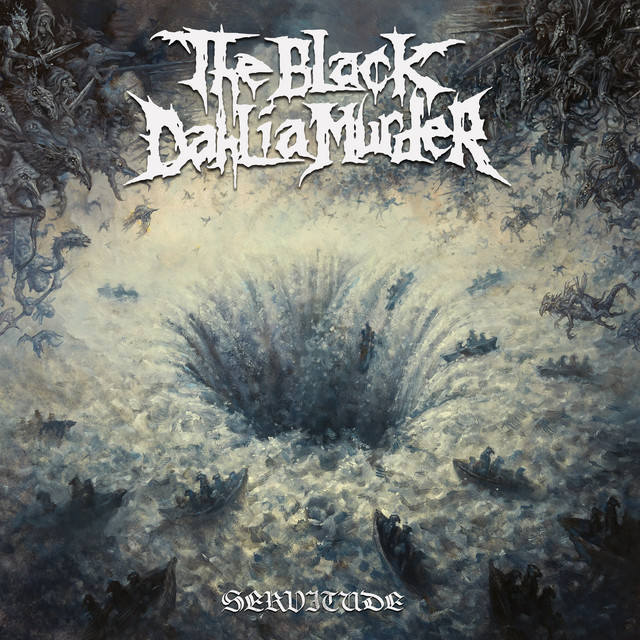
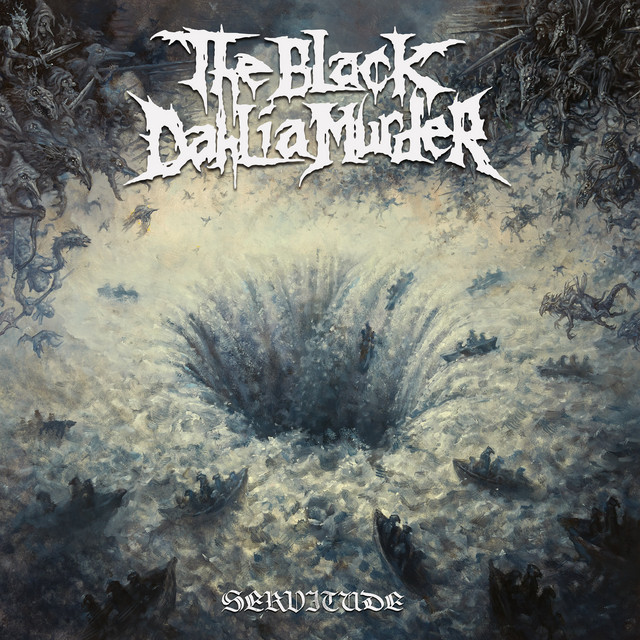
Servitude
The Black Dahlia Murder
American Melodeath
Melodic Deathcore
Death Metal
2024
2
/5
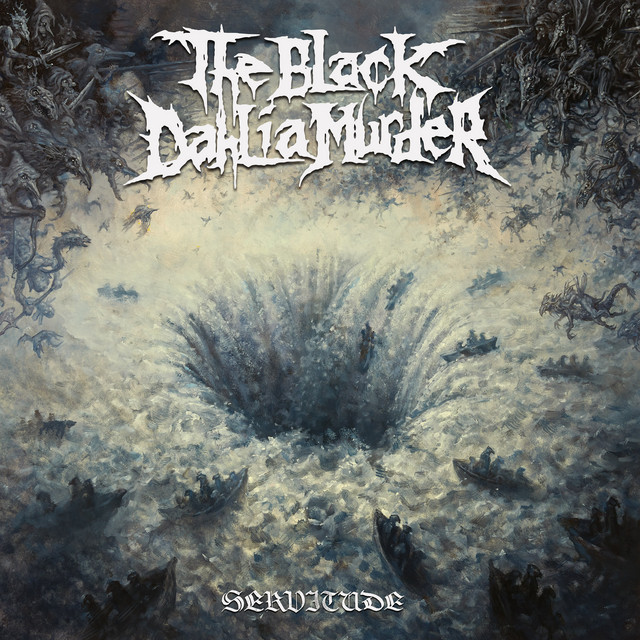
Mammoth's Hand
The Black Dahlia Murder
American Melodeath
Melodic Deathcore
2024
2
/5
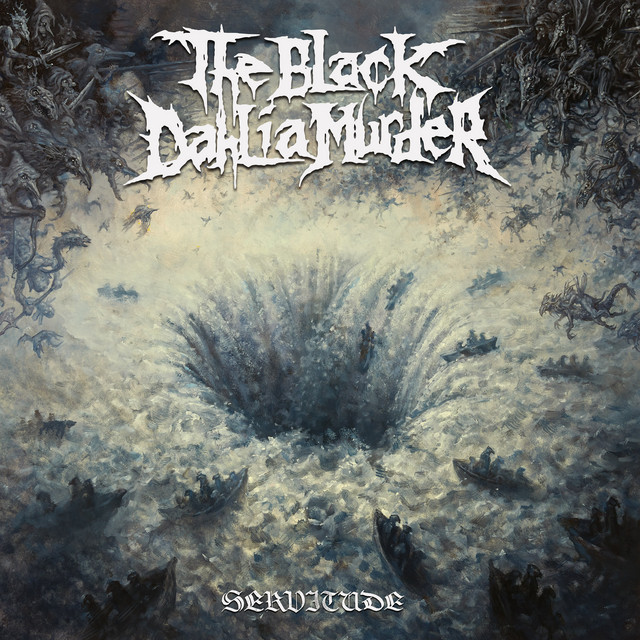
Aftermath
The Black Dahlia Murder
American Melodeath
Melodic Deathcore
2020
2
/5
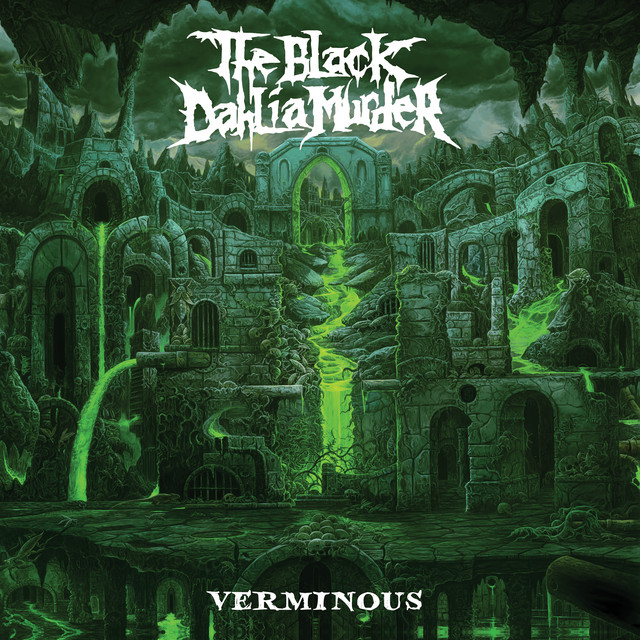
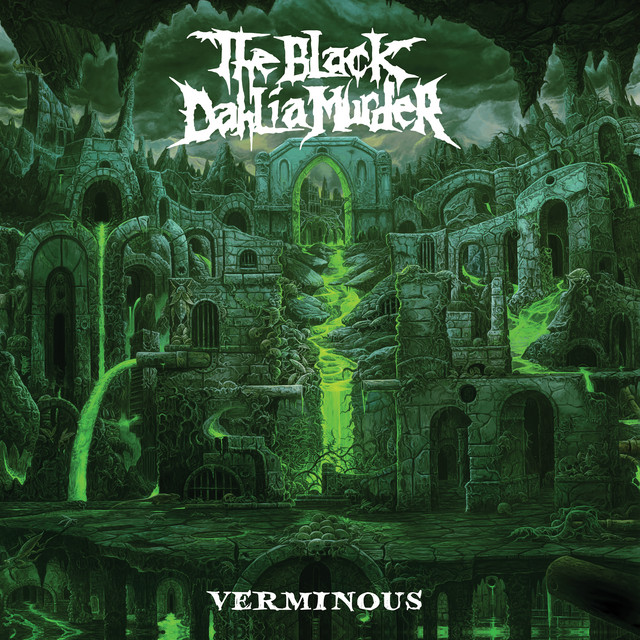
Verminous
The Black Dahlia Murder
American Melodeath
Melodic Deathcore
Melodic Death Metal
2020
1
/5
Verminous
The Black Dahlia Murder
American Melodeath
Melodic Deathcore
2017
3
/5
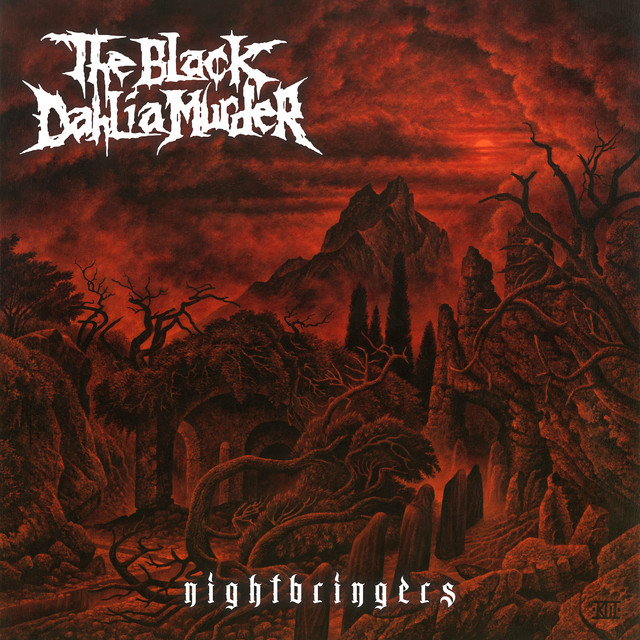
Nightbringers
The Black Dahlia Murder
American Melodeath
Melodic Deathcore
Death Metal
2015
2
/5
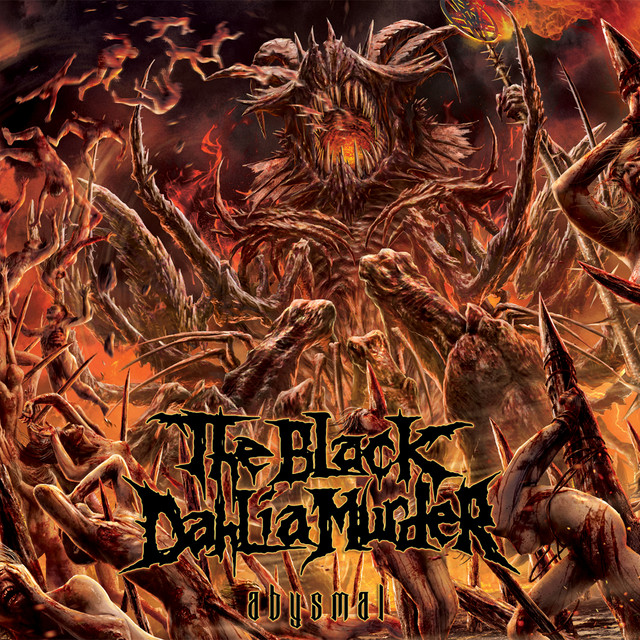
Abysmal
The Black Dahlia Murder
American Melodeath
Melodic Deathcore
Death Metal
2013
3
/5
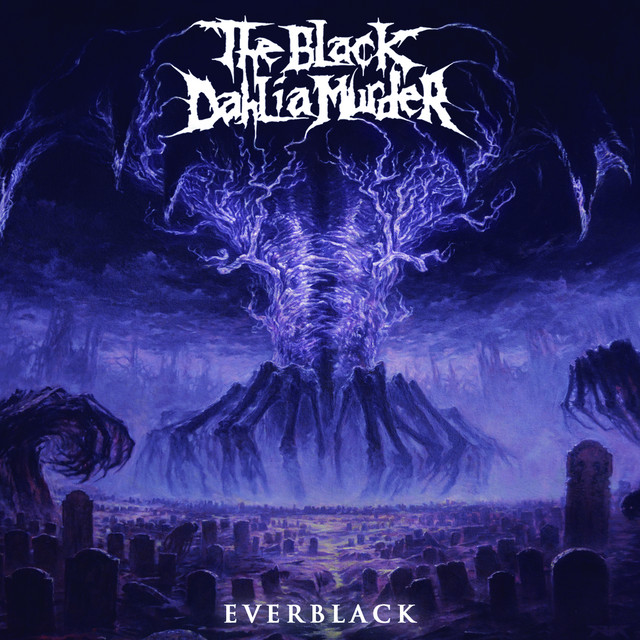
Everblack
The Black Dahlia Murder
American Melodeath
Melodic Deathcore
Death Metal
2011
3
/5
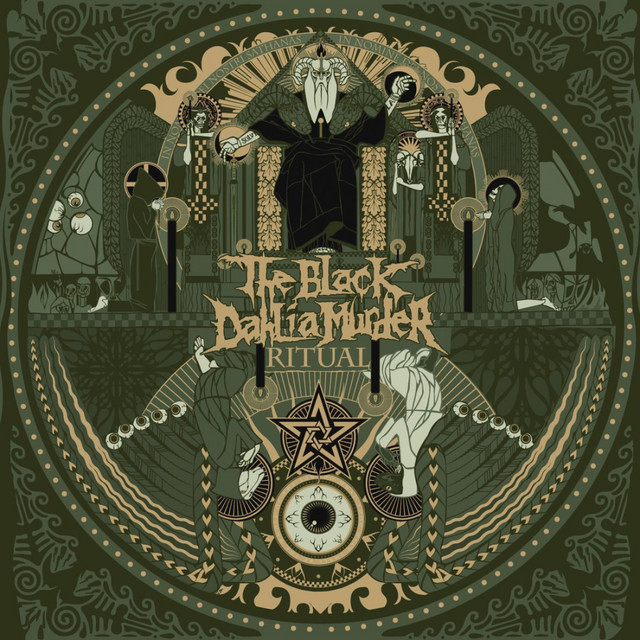
Ritual
The Black Dahlia Murder
American Melodeath
Melodic Deathcore
Death Metal
2009
3
/5
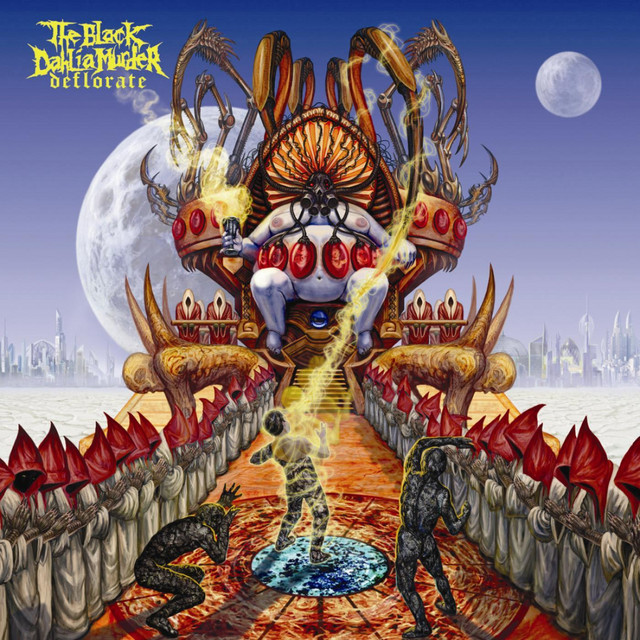
Deflorate
The Black Dahlia Murder
American Melodeath
Melodic Deathcore
Death Metal
2007
3
/5
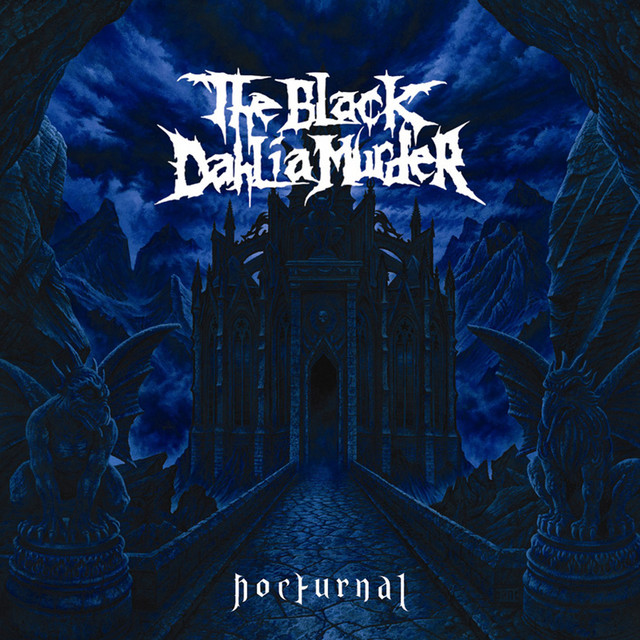
Nocturnal
The Black Dahlia Murder
American Melodeath
Melodic Deathcore
Death Metal
2005
3
/5
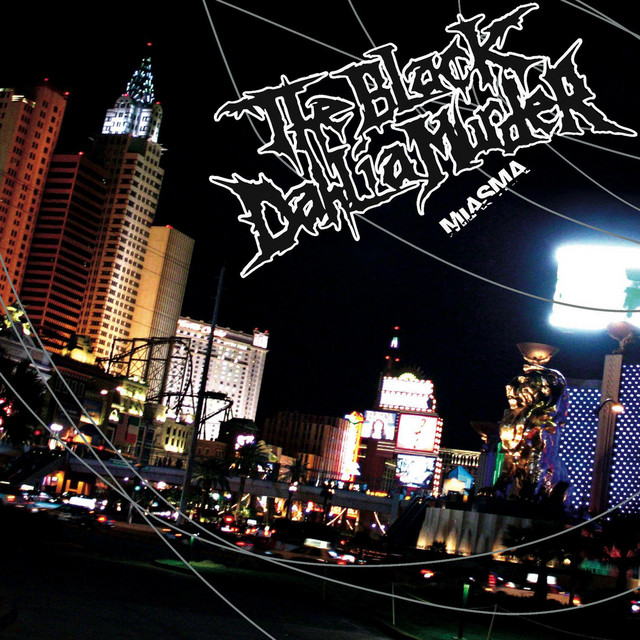
Miasma
The Black Dahlia Murder
American Melodeath
Melodic Deathcore
Death Metal
2003
3
/5
Unhallowed
The Black Dahlia Murder
American Melodeath
Melodic Deathcore
Death Metal
Similar artists
3
/5
Shadow of Intent
Melodic Deathcore
Symphonic Deathcore
Deathcore
4
/5
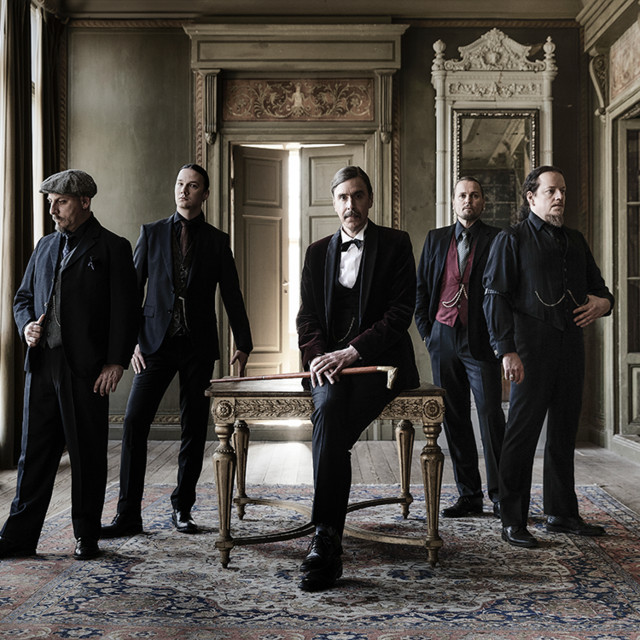
Amon Amarth
Death Metal
Melodic Death Metal
Tolkien Metal
4
/5
Opeth
Death Metal
Progressive Death Metal
Progressive Metal
3
/5
Arch Enemy
Melodic Death Metal
Metal
Death Metal
4
/5
Death
Death Metal
Metal
Grindcore
3
/5
Dark Tranquillity
Melodic Death Metal
Gothenburg Sound
Metal
3
/5
Amorphis
Progressive Doom
Progressive Metal
Viking Metal
4
/5
In Flames
Melodic Death Metal
Death Metal
Gothenburg Sound
3
/5
Orbit Culture
Melodic Death Metal
Death Metal
Groove Metal
3
/5
Bleed From Within
Melodic Deathcore
Metal
Metalcore
Download our mobile app
Get the Melodigging app and start digging for new genres on the go
Download on the App Store
Get it on Google Play
© 2026 Melodigging
Give feedback
Legal
Melodding was created as a tribute to
Every Noise at Once
, which inspired us to help curious minds keep digging into music's ever-evolving genres.