Genres
Artists
Albums
Make Music
Sign in
Sign in
Artists
Detroit Sound
Artists
Detroit Sound
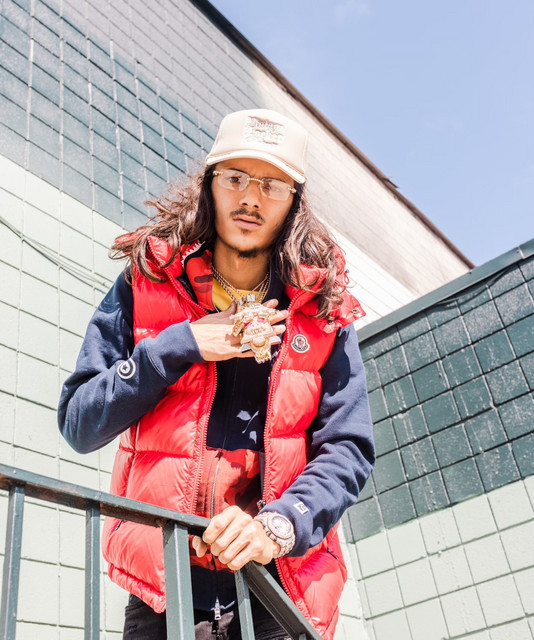
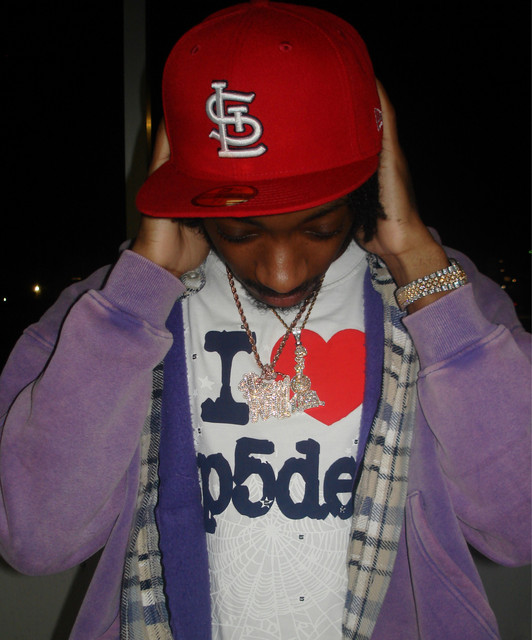
BabyTron
2020–2025
·
13 albums
Listen
4
/5
Genres
Chill Drill
Chill drill is a mellow, melodic offshoot of UK drill that keeps the style’s distinctive sliding 808s, syncopated hi-hats, and snare-on-3 placement, but softens the overall timbre and mood. Instead of ominous synths and harsh textures, it leans on airy pads, Rhodes pianos, gentle guitar loops, and lo‑fi ambience. Vocals tend to be more introspective and tuneful, with sing-rap hooks, laid-back cadences, and reflective lyric themes (romance, ambition, day-to-day life). The result bridges drill’s rhythmic identity with chillhop and lo‑fi hip hop’s relaxed atmosphere, creating tracks that are both groove-driven and easy to live with.
Discover
Listen
Nervous Music
Nervous music is a dark, minimal subgenre of hip hop that foregrounds ominous atmosphere over virtuoso melody. It is defined by heavy, chest-rattling sub‑bass (often 808s with long tails and glide), simple, repeating minor-key motifs, and slow, sparse, slamming drums. The space between sounds is intentional: roomy mixes, few layers, and austere arrangements build a sense of menace and unease. Vocals, when present, tend to be low-register, restrained, and intimidating, favoring short phrases, whispered ad‑libs, and tight rhyme density over melodic hooks. The style proliferated online as a beat-tag and micro-scene for rappers seeking sinister, brooding instrumentals—bridging modern trap drum design with the shadowy mood of horrorcore and the negative space of cloud rap.
Discover
Listen
Dark Plugg
Dark plugg is a moody, minimalist offshoot of the plugg/pluggnb branch of trap that emphasizes ominous pads, minor-key motifs, and sparse, bouncy drum programming. It keeps the signature plugg swing—skittering hi‑hat triplets, clap on beat three, and rubbery 808 glides—but replaces the sunny or dreamy palette with cold bells, choirs, and horror‑tinged textures. The result is a floating, nocturnal feel that leaves lots of negative space for vocals, often paired with deadpan deliveries, whispered ad‑libs, and introspective or nihilistic themes. Producers favor short, loopable melodies (two to four bars), subtle detuning, and lush reverb/delay tails that blur around tightly side‑chained low end. Tempos commonly sit between 130–150 BPM, preserving plugg’s bounce while deepening the atmosphere.
Discover
Listen
Free Car Music
Free car music is a hyper-energetic microstyle of internet-born trap built for impact and motion. It favors chaotic, metallic percussion with clanging ride cymbals, rapid hi‑hat rolls, and tense kick build‑ups that release into hard‑hitting drops. Vocals are typically delivered as staggered, punched‑in bars with frequent ad‑libs and abrupt edits, creating a jump‑cut feel that matches the beat’s volatility. Melodic material is sparse and textural—bells, sirens, and distorted synth stabs—leaving space for aggressive 808 slides and clipped masters that feel loud and urgent in a car system. The sound flourished on SoundCloud, YouTube “type beats,” and TikTok snippets, where short, high‑impact loops and “open verse” formats encouraged rapid collaboration and remix culture.
Discover
Listen
Jerk
Jerk is a microgenre of hip‑hop that took shape in New York City in the early 2020s. It borrows the name and some rhythmic cues from the earlier "jerk rap"/jerkin' movement connected to West Coast street dance, but reimagines them through the aesthetics of contemporary underground rap. Sonically, jerk favors sparse, snare‑forward drum programming with very light or even absent kicks, dry percussion, and short looping motifs. The production often draws on the airy pads, glassy bells, and minimalist melodies of Plugg and PluggnB, but strips arrangements down further to leave lots of negative space for tightly phrased, talk‑like rap flows. The result is bouncy yet understated, intimate yet danceable.
Discover
Listen
Detroit Sound
Detroit sound is a modern hip‑hop micro‑scene from Detroit, Michigan characterized by upbeat, bouncy 808 percussion; simple, funky mallet and bell loops, sparse keys or string stabs, and synth‑bass lines. Vocally, it foregrounds street‑centric subject matter delivered with a dry, often humorous, ultra‑direct punch‑in style—rappers record bar‑by‑bar so each line lands like a standalone quotable. The result is minimal, fast‑moving, and highly rhythmic rap that prizes timing, charisma, and wit over dense melodic hooks.
Discover
Listen
Scam Rap
Scam rap is a late-2010s branch of hip hop that centers lyrically on internet fraud, credit card swiping, identity theft, and the broader hustle culture surrounding online schemes. Musically, it favors sparse, often loop-based trap beats with punchy drums, sub-bass, and minimal melodic material. Rappers commonly use a deadpan or conversational delivery, punch-in recording, and off-kilter bar placement that rides just ahead of or behind the beat. The tone is equal parts instructional, braggadocious, and comedic, with jargon-rich storytelling that reads like play-by-play tutorials of illicit schemes. The style is most closely associated with the Detroit/Flint scene, where its punch-in flow, dry humor, and hyper-specific detail became stylistic signatures.
Discover
Listen
Bedroom R&b
Bedroom R&B is a strand of contemporary R&B defined by intimate, DIY production, soft vocals, and lo‑fi aesthetics. It blends the emotional directness and melismatic phrasing of R&B and neo‑soul with the hushed, home‑recorded vibe of bedroom pop and lo‑fi hip hop. Typically built on subdued drum machines, warm synth pads or jazzy guitar, and close‑miked vocals drenched in reverb, the sound favors softness over sheen. Lyrics center on late‑night confessions, relationships, vulnerability, and self‑reflection, often delivered in short songs that feel like sketches or voice‑notes. The genre flourished on Bandcamp, SoundCloud, and later TikTok/streaming playlists, where lowered barriers to entry let artists self‑produce with laptops, interfaces, and inexpensive mics. The result is a tender, nocturnal palette that feels personal, unguarded, and modern.
Discover
Listen
Meme Rap
Meme rap is an internet-native strain of hip hop that blends humorous, ironic, and highly referential lyrics with trap-leaning beats and low-to-mid budget DIY production. The focus is less on traditional notions of authenticity and more on virality, punchlines, and the rapid-fire circulation of jokes and cultural references. The style treats platforms like YouTube, Vine, SoundCloud, and TikTok as both stage and distribution network. Songs are often built around a single meme, catchphrase, or comedic premise, using exaggerated personas and wink-at-the-camera delivery. While playful on the surface, meme rap can be musically savvy, borrowing current trap, cloud-rap, and internet remix aesthetics to engineer instantly shareable moments.
Discover
Listen
Regalia
Regalia is a cinematic, orchestral-trap hybrid built around lush string sections, dreamy piano motifs, and other symphonic colors layered over modern trap percussion. The core contrast is between “regal” orchestration (wide, sweeping harmony and melodic scoring techniques) and hard-edged rhythmic programming (808 sub-bass, crisp snares/claps, rapid hi-hats, and impactful transitions). It is typically instrumental and soundtrack-adjacent, often designed for dramatic builds, trailers, highlight reels, or emotionally charged beats rather than verse–chorus pop structures.
Discover
Listen
Trap Metal
Trap metal is a fusion of contemporary trap production and the aggression of metal and hardcore. It typically pairs distorted 808 bass, half‑time trap drums, and rapid hi‑hat rolls with screamed or harshly delivered vocals, down‑tuned guitar riffs (live or sampled), and industrial textures. Aesthetically, it emphasizes raw intensity, mosh‑pit energy, and abrasive sound design while retaining hip‑hop’s hook‑driven song structures and lyrical cadences. Themes often revolve around alienation, rage, nihilism, and personal struggle, delivered with a visceral, cathartic tone.
Discover
Listen
Westcoast Flow
Westcoast flow is a modern West Coast hip-hop performance style centered on a distinctly California rhythmic “pocket”: relaxed-but-snappy delivery, conversational cadence, and heavy use of syncopation that makes the rapper ride slightly behind or around the beat. Compared with earlier West Coast approaches (e.g., G-funk’s laid-back swing or Bay Area hyphy’s party bounce), westcoast flow is often tighter and more minimal, pairing nimble, slippery phrasing with contemporary trap-adjacent drums, icy synth motifs, and punchy 808s. The identity of the style is carried less by specific instruments and more by the rapper’s timing, articulation, and attitude: clipped consonants, elastic bar lengths, quick internal rhymes, and frequent on-beat/off-beat pivots that emphasize groove over melodic singing.
Discover
Listen
Flint Sound
Flint sound is a contemporary Michigan rap style centered in Flint, United States. It is characterized by fast, minimal, piano- or organ-led beats, dry and upfront vocals, and bar-by-bar “punch‑in” delivery that often rides slightly ahead of or behind the grid for a conversational, off‑kilter feel. The production typically favors bright piano loops, staccato 808 slides, crisp claps or rimshots, and sparse percussion, leaving plenty of space for relentless punchlines, gritty street reportage, and mischievous humor. While hard-edged and streetwise, the style frequently leans into charismatic personality and wit, making it both aggressive and infectious for dancing.
Discover
Listen
Glitchcore
Glitchcore is an internet-born microgenre that fuses pop-forward songwriting with hyperactive, digitally mangled sound design. It is characterized by bitcrushed and over-distorted synths, stuttered edits, sudden beat-switches, and heavily pitch-shifted, Auto-Tuned vocals. Arrangements tend to be short, hook-centric, and maximalist, often compressing multiple sections and textures into tracks that last 90–150 seconds. The genre borrows the emotive directness of emo rap and bedroom pop, the rhythmic backbone of trap, and the candy-coated sheen of hyperpop and bubblegum bass, while leaning into deliberate digital artifacts—glitches, dropouts, resampling, and hard clip distortion—as expressive tools. Culturally, glitchcore is inseparable from online communities (Discord, SoundCloud, TikTok), where rapid iteration, meme literacy, and DIY production workflows shaped its sound and aesthetics.
Discover
Listen
The Wave
The Wave is a loosely defined cluster of American post-hardcore/emo bands that surged in the early 2010s as emo-pop’s mainstream moment faded. The name was a tongue‑in‑cheek scene tag that stuck in press coverage, but it points to a real overlap in sound, ethos, and touring networks. Musically, The Wave fuses the urgency of 1990s post‑hardcore and screamo with confessional, literate lyric writing associated with emo. Expect shouted or half‑sung/half‑spoken vocals, dynamic quiet‑loud builds, intricate but driving drums, and guitar textures that shift between glassy clean arpeggios and overdriven, emotive climaxes. The songs often emphasize catharsis, narrative detail, and community-minded DIY presentation.
Discover
Listen
Proto-Hyperpop
Proto-hyperpop is a retrospective label for the cluster of internet-born pop experiments in the early-to-mid 2010s that foreshadowed what would later be called “hyperpop.” It fused candy-coated melodies and pitched-up vocals with maximalist sound design, glossy synthetic timbres, and playful, self-aware pop tropes. Rather than being a single scene, proto-hyperpop emerged across YouTube nightcore edits, early PC Music releases, and adjacent electronic and indie-pop circles. It drew heavily from Eurodance and trance hooks, J-pop and Vocaloid aesthetics, chiptune brightness, and the irreverent futurism of experimental pop and deconstructed club, while keeping an addictive, radio-ready sense of melody.
Discover
Listen
Scream Rap
Scream rap is a high-intensity rap style defined by screamed, shouted, or harsh-vocal delivery over trap-leaning beats. Rather than relying on metal-style guitars, it typically keeps a hip-hop rhythmic core—808s, rattling hi‑hats, and booming sub-bass—while pushing vocals and drums into aggressive saturation and intentional clipping. The result is a cathartic, visceral sound that fuses the emotional volatility of screamo and hardcore punk with the swagger, rhythm, and production grammar of contemporary rap. Lyrical themes often center on rage, alienation, mental health, and internet-era nihilism, but also on boastful energy designed for moshpits and explosive live shows.
Discover
Listen
Trap
Trap is a subgenre of hip hop that emerged from the Southern United States, defined by half-time grooves, ominous minor-key melodies, and the heavy use of 808 sub-bass. The style is characterized by rapid, syncopated hi-hat rolls, crisp rimshot/clap on the backbeat, and cinematic textures that convey tension and grit. Lyrically, it centers on street economies, survival, ambition, and introspection, with ad-libs used as percussive punctuation. Production is typically minimal but hard-hitting: layered 808s, sparse piano or bell motifs, dark pads, and occasional orchestral or choir samples. Vocals range from gravelly, staccato deliveries to melodic, Auto-Tuned flows, often using triplet cadences.
Discover
Listen
Hip Hop
Hip hop is a cultural and musical movement that emerged from Black, Latino, and Caribbean communities, centering around rapping (MCing), DJing/turntablism, sampling-based production, and rhythmic speech over beats. It prioritizes groove, wordplay, and storytelling, often reflecting the social realities of urban life. Musically, hip hop is built on drum-centric rhythms (from breakbeats to 808 patterns), looped samples, and bass-forward mixes. Lyrically, it ranges from party anthems and braggadocio to political commentary and intricate poetic forms, with flow, cadence, and rhyme density as core expressive tools. Beyond music, hip hop encompasses a broader culture, historically intertwined with graffiti, b-boying/b-girling (breakdance), fashion, and street entrepreneurship, making it both an art form and a global social language.
Discover
Listen
Show all 19 genres
Albums
2025
2
/5
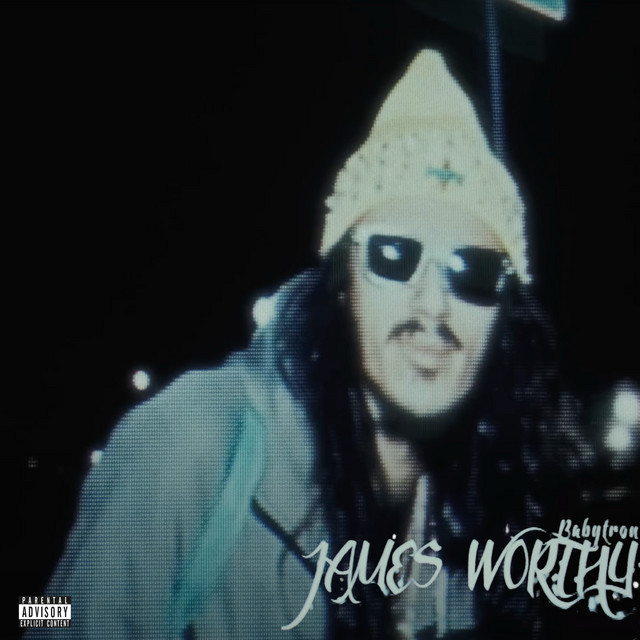
James Worthy
BabyTron
Scam Rap
2025
2
/5
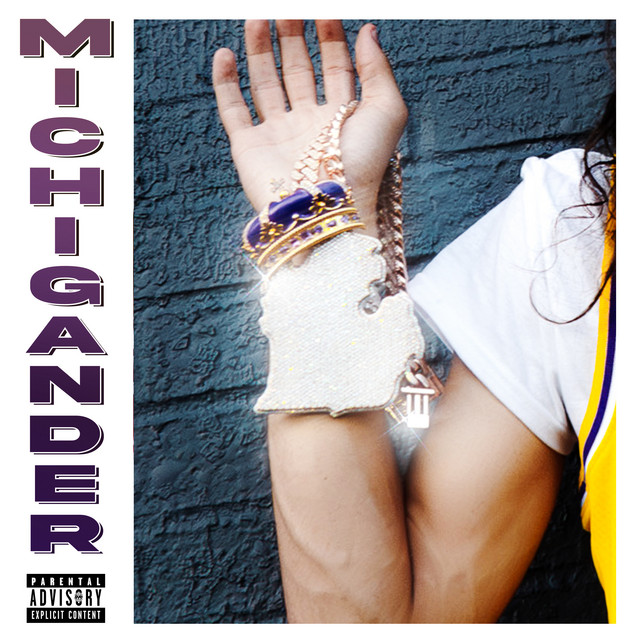
Michigander
BabyTron
Scam Rap
2025
2
/5
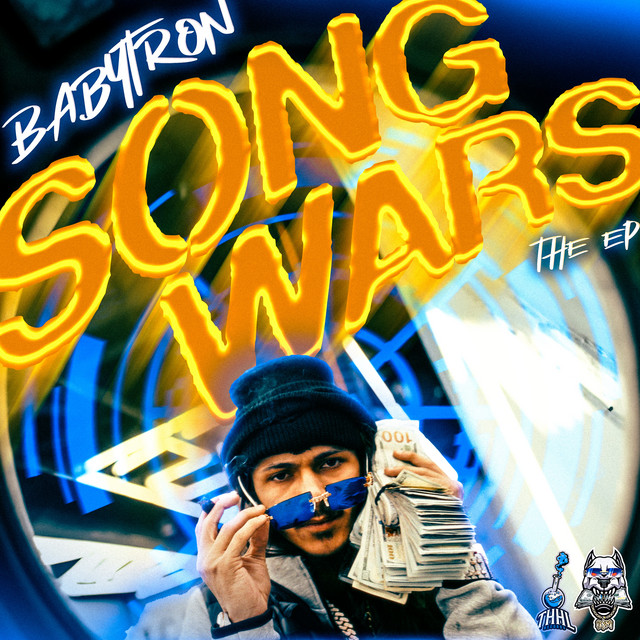
Song Wars
BabyTron
Scam Rap
2023
3
/5
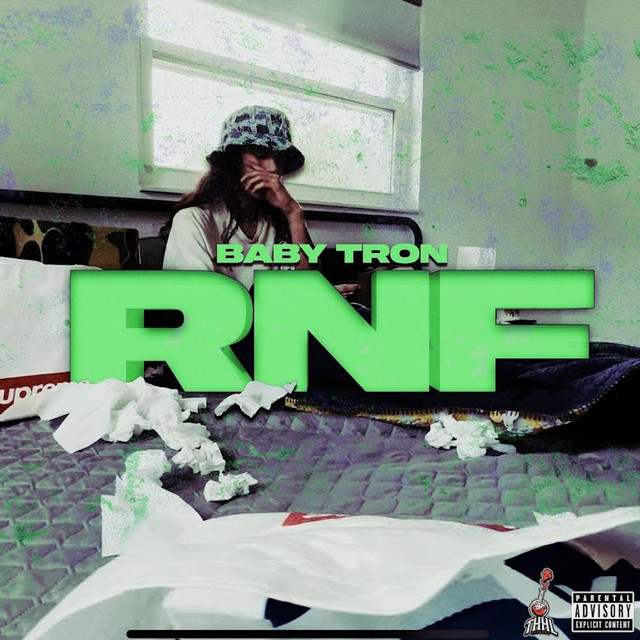
RNF
BabyTron
Scam Rap
2023
3
/5
Out On Bond
BabyTron
Scam Rap
2023
2
/5
Mr. Hanky
BabyTron
Scam Rap
2022
3
/5
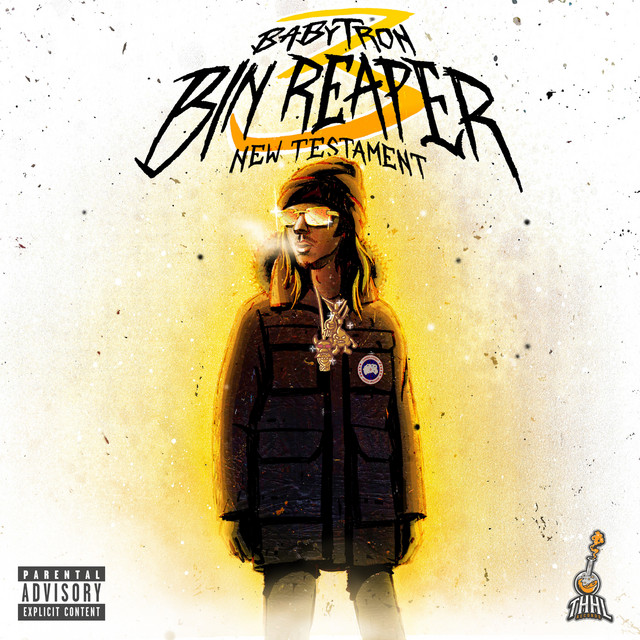
Bin Reaper 3: Old Testament
BabyTron
Detroit Sound
2022
3
/5
Megatron
BabyTron
Detroit Sound
2021
3
/5
Bin Reaper 2
BabyTron
Scam Rap
Detroit Sound
2021
1
/5
Luka Trončić
BabyTron
Detroit Sound
2020
1
/5
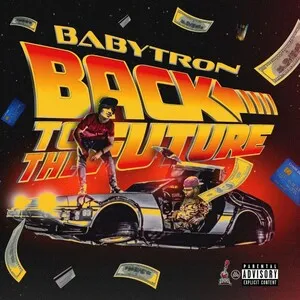
Back to the Future
BabyTron
Detroit Sound
2020
1
/5
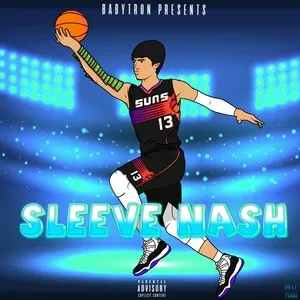
Sleeve Nash
BabyTron
Detroit Sound
2020
1
/5
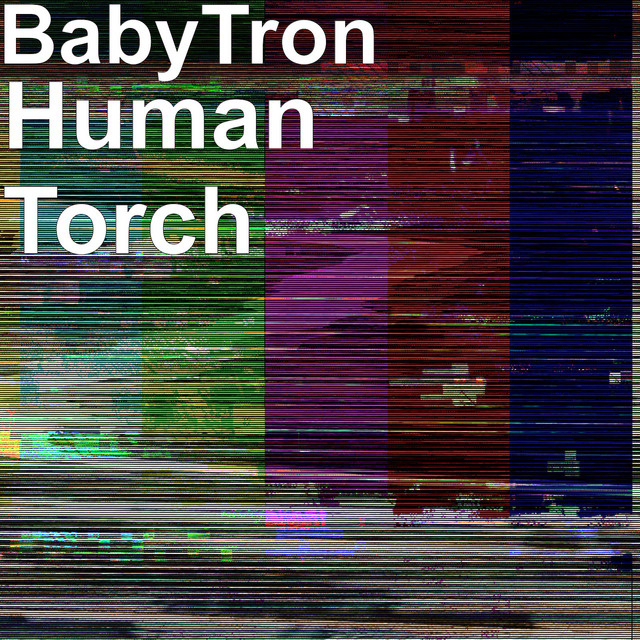
Human Torch
BabyTron
Scam Rap
Similar artists
4
/5
Veeze
Scam Rap
Detroit Sound
Dmv Rap
3
/5
StanWill
Detroit Sound
Scam Rap
Meme Rap
4
/5
Lil Yachty
Pop Rap
Detroit Sound
Contemporary R&b
3
/5
ShittyBoyz
Detroit Sound
Scam Rap
Regalia
3
/5
KrispyLife Kidd
Flint Sound
Scam Rap
Detroit Sound
5
/5
Lil Uzi Vert
Hip Hop
Trap
Melodic Rap
5
/5
LUCKI
South Florida Soundcloud Rap
Pluggnb
Necrotrap
4
/5
Chief Keef
Chicago Drill
Chicago Bop
Drill
4
/5
Rich Brian
Indonesian Hip Hop
Chill Abstract Hip Hop
Chill Pop
3
/5
Rx Papi
Cloud Rap
Plugg
Phonk
Download our mobile app
Get the Melodigging app and start digging for new genres on the go
Download on the App Store
Get it on Google Play
© 2026 Melodigging
Give feedback
Legal
Melodding was created as a tribute to
Every Noise at Once
, which inspired us to help curious minds keep digging into music's ever-evolving genres.