Genres
Artists
Albums
Make Music
Sign in
Sign in
Artists
Black Americana
Artists
Black Americana
Audiotree
Listen
3
/5
Genres
5th Wave Emo
5th wave emo is a 2020s, internet-native evolution of emo that fuses midwest emo’s twinkly guitars and confessional lyricism with hyperpop/digicore production tricks, glitchy sound design, and DIY bedroom aesthetics. It tends to juxtapose emotive guitars, punk-derived vocal intensity, and mathy accents with digital drums, breakcore fills, Auto-Tune, bitcrushed synths, and loud/soft jump cuts. The result feels both nostalgic and forward-looking—anxious, diaristic music that speaks to online adolescence, depersonalization, and identity in the algorithmic era.
Discover
Listen
Zoomergaze
Zoomergaze is a Gen Z, internet-native evolution of shoegaze that fuses the genre’s dense, guitar-washed textures with hyperpop/digicore maximalism and modern trap/emo-rap rhythm programming. It favors blown‑out saturation, brickwalled dynamics, digital clipping, and wide stereo fields, often pairing jet‑engine guitars with 808 subs, jittery hi‑hats, breakbeat flourishes, and intimate, lightly Auto‑Tuned vocals. The mood leans dreamy yet emotionally raw—nostalgic, melancholic, and diaristic—delivered through DIY production that thrives on Bandcamp, SoundCloud, and TikTok discovery. Where classic shoegaze hid the singer in the mix, Zoomergaze keeps the voice present and personal, weaving confessional hooks into shimmering noise and glitchy, internet-era sound design.
Discover
Listen
Black Americana
Black Americana is a contemporary umbrella genre that centers Black artists within the traditions of Americana (roots-based U.S. music such as folk, country, blues, gospel, and soul). It often blends acoustic storytelling and roots instrumentation with Black musical lineages, highlighting themes of migration, labor, faith, resilience, love, and social justice. Rather than a single fixed sound, it is a scene and framing that reconnects “Americana” to its multiracial roots while pushing the style forward with modern production, R&B/soul phrasing, and genre-crossing songwriting.
Discover
Listen
Experimental Indie
Experimental indie is a broad, exploratory wing of independent rock and pop that prioritizes curiosity over convention. It blends DIY recording practices with off‑kilter song forms, unusual timbres, and a willingness to fold in ideas from avant‑pop, noise, electronic music, and psych. Rather than a fixed sound, it is a method and attitude: use the tools at hand (bedroom rigs, pedals, samplers, tape, software) to push past genre borders, while keeping the immediacy and intimacy of indie. Expect jagged rhythms, warped hooks, collage‑like arrangements, and production choices that foreground texture as much as melody.
Discover
Listen
Modern Hardcore
Modern hardcore is a contemporary wave of hardcore punk that blends classic speed and ferocity with 21st‑century heaviness, hook‑writing, and studio punch. It keeps the genre’s DIY, pit‑driven energy while adopting tighter musicianship, down‑tuned, palm‑muted riffs, and massive, half‑time breakdowns. Compared with 1980s and 1990s hardcore, modern hardcore is broader in dynamic range: songs snap from two‑step mosh parts and D‑beats to swaggering NYHC swing, metallic chugs, and chant‑along choruses. Production is deliberately impactful—gated, sample‑reinforced drums, tight low‑end, and high‑gain guitars—yet many bands still prioritize live immediacy over polish. Lyrically it remains grounded in community, resilience, and personal/collective struggle, but it often incorporates contemporary themes (mental health, identity, social precarity). Scenes are sustained by DIY venues, independent labels, and festival culture, with a heavy presence on video channels and social media that has globalized the sound.
Discover
Listen
Modern Indie Folk
Modern indie folk is a 2010s-era evolution of indie folk that blends intimate, acoustic songwriting with contemporary production aesthetics. It keeps the core of folk—storytelling, fingerpicked guitars, and close-miked vocals—but expands the palette with ambient textures, chamber-style strings, subtle electronics, cinematic reverb, and spacious, headphone-first mixes. The result is a sound that feels both handcrafted and atmospheric: confessional lyrics carried by hushed deliveries, layered harmonies, and warm analog or tape-like saturation, often moving between 4/4 and swaying 6/8/12/8 meters. At its center are themes of memory, nature, relationships, and quiet self-reckoning, expressed through vivid imagery and minimalist arrangements that bloom into emotive crescendos.
Discover
Listen
Nu-Metalcore
Nu‑metalcore (often nicknamed "nu‑core") blends the bounce, hip‑hop inflections, and downtuned groove of late‑1990s nu metal with the breakdown‑heavy aggression and precise syncopation of 2000s metalcore. Expect sharply gated, low‑tuned riffs, halftime drops, and elastic grooves that swing between punchy chugs and percussive, djent‑like accents. Vocals typically jump from harsh screams and pitched‑down growls to rap‑leaning cadences and hooky, melodic choruses. Electronic textures—turntable cuts, glitch edits, sub‑drops, and 808 layers—are common, supporting a glossy yet crushing modern production aesthetic. Lyrically, the style carries nu metal’s confessional angst and social frustration while adopting metalcore’s cathartic intensity and mosh‑centric energy. The result is a contemporary, club‑ready heaviness that feels both nostalgic and forward‑looking.
Discover
Listen
Rap Metalcore
Rap metalcore is a hybrid style that fuses the rhythmic, lyrical flow of hip hop with the high-gain guitars, breakdowns, and screamed/sung hooks of metalcore. Compared to 1990s rap metal and nu metal, it keeps metalcore’s tighter, modern low-tuned riffing, double-time drumming, and cathartic breakdown structures, while foregrounding MC-style verses, rhyme schemes, and hip‑hop cadences. Production often blends live drums with programmed elements (808 subs, trap hats) and layers percussive, djent-leaning guitar chugs under rapped verses, then explodes into screamed or anthemic sung choruses. Lyrical themes span personal struggle, social commentary, resilience, and identity, delivered with a mix of rap’s directness and metalcore’s emotive intensity.
Discover
Listen
Windmill Scene
The Windmill scene refers to the cluster of experimental indie, post‑punk, and art‑rock bands that coalesced around The Windmill pub venue in Brixton, South London. Emerging in the late 2010s, the scene is characterized by knotty rhythms, angular guitars, spoken‑sung or declamatory vocals, and frequent use of saxophone, violin, and synths. Bands associated with the scene blend post‑punk urgency with avant‑prog ambition, no wave abrasion, and jazz-informed spontaneity, often favoring raw, live‑in‑the‑room production aesthetics. Lyrically, the scene leans toward sardonic social observation, surreal storytelling, and metropolitan anxiety, while performances emphasize high energy, improvisational turns, and dynamic contrasts.
Discover
Listen
Deep New Americana
Deep new americana is a contemporary, roots-leaning micro‑scene that blends modern indie production aesthetics with the songcraft, storytelling, and acoustic textures of classic Americana. Compared with broader “new Americana,” the “deep” tag points to music that is earthier, more intimate, and less pop-facing: tube‑warm electric guitars, occasional pedal‑steel swells, fiddle or mandolin color, unhurried grooves, and close-knit vocal harmonies. Lyrics tend to be reflective and narrative, anchored in small details (roads, towns, seasons, family histories) while speaking to present-day anxieties and hopes. The sound favors organic recordings, dynamic performances, and arrangements that leave space for voices and instruments to breathe.
Discover
Listen
Soundclown
Soundclown is an internet-born remix and mashup style that thrives on comedic juxtaposition, bait‑and‑switch reveals, and hyper-referential sample collage. It blends pop hits, game and cartoon music, ad jingles, meme sounds, and viral speech into quick-cut audio gags. The genre developed across YouTube and SoundCloud, favoring shock humor, nostalgia, and absurdity over traditional song form. Hallmarks include sudden key/tempo whiplash, exaggerated pitch-shifts, ear‑rending “earrape” peaks, and punchline drops that transform a familiar source into something hilariously incongruent. Because it is fundamentally platform-native, soundclown is as much a memetic editing culture as a musical style. Its tracks often function like sonic shitposts: fast, punchy, and built for instant recognition and shareability.
Discover
Listen
Blackened Screamo
Blackened screamo is a hybrid of skramz-era screamo and second‑wave black metal aesthetics. It blends the genre’s raw, emotionally charged vocals and desperate dynamic surges with tremolo‑picked guitar figures, blast beats, and an enveloping, cold atmosphere. Typical songs pivot between blistering speed and mournful, reverb‑drenched expanses. The harmony favors minor keys, dissonant clusters, and chromatic movement, while production often embraces intentional abrasion—lo‑fi edges, room bleed, and cavernous ambience—to intensify the sense of urgency and bleakness. Lyrically, blackened screamo carries screamo’s confessional, existential, and socially critical core, but frames it with black metal’s desolate, sometimes apocalyptic tone. The result is a cathartic, high‑intensity style that feels both immediate and vast.
Discover
Listen
Chill Dream Pop
Chill dream pop is a soft-focus, slow-tempo branch of dream pop that emphasizes hushed vocals, languid grooves, and a hazy, nocturnal atmosphere. It blends reverb-drenched guitars and shimmering synth pads with understated drum programming to create an intimate, weightless feel. Compared with classic dream pop, the “chill” variant leans further into minimalism and smooth, lo-fi textures, borrowing from chillwave and bedroom pop. Lyrics often center on memory, dusk-lit romance, and liminal spaces, delivered in a breathy, close-mic tone that sits inside lush ambient reverbs and delays.
Discover
Listen
Diy Emo
DIY emo is a grassroots, home-recorded and community-driven branch of contemporary emo that blends twinkly Midwest-emo guitar work, confessional lyricism, and pop-punk urgency with a distinctly lo‑fi, self-produced aesthetic. It foregrounds the ethics of the do‑it‑yourself underground: basement shows, tape or Bandcamp releases, collective touring, and a preference for intimacy over polish. Sonically, it leans on clean, chiming guitars, melodic basslines, dynamic drumming, and unvarnished vocals that veer from soft-spoken to cathartic sing-alongs. Rather than chasing radio gloss, DIY emo embraces rawness and vulnerability—often capturing the feel of a crowded living room show—while channeling themes of friendship, mental health, hometowns, and the bittersweet transitions of early adulthood.
Discover
Listen
Italogaze
Italogaze is the Italian school of shoegaze and dream‑pop: a haze of saturated guitars, breathy vocals, and melodic bass lines, filtered through Italy’s post‑punk/new‑wave heritage and a taste for cinematic atmosphere. Compared with Anglo‑American shoegaze, italogaze often leans on minimalist, motorik‑adjacent grooves, clear melodic motifs (sometimes even folk‑tinged), and production that balances noise and negative space. Lyrics appear in English or Italian, with a wistful, nocturnal tone. The result is music that feels simultaneously airy and tactile: reverb‑washed walls of sound that still foreground melody.
Discover
Listen
Lo Star
Lo star is a streaming-era umbrella tag used to group under-the-radar, low-profile artists who sit on the fringes of indie, alternative, DIY pop, and related scenes. Rather than denoting a single, tightly defined musical vocabulary, it marks a discovery space of self-produced or small-label projects with modest audiences, genre-fluid aesthetics, and a distinctly DIY approach to recording and release. Expect intimate vocals, inexpensive or home-studio production, hybrid acoustic/electronic textures, and songwriting that favors personal storytelling and immediacy over polish. Because it functions as a curatorial category for emerging or niche acts, the sonic palette spans indie rock and folk-pop to bedroom pop and lo-fi electronic, unified by scale, ethos, and distribution more than by strict musical rules.
Discover
Listen
Stomp And Flutter
Stomp and flutter is a streaming-era micro-genre of contemporary indie folk marked by percussive, foot-stomping rhythms and airy, "fluttering" falsetto or head-voice melodies. It blends rustic, acoustic instrumentation with intimate, chamber-like ornamentation and modern ambient touches. Arrangements commonly pair fingerpicked guitars, banjo or mandolin with handclaps, floor-tom pulses, brushed drums, and subtly layered strings or horns. Vocals often float above the texture in breathy harmonies, creating a gentle swell-and-release dynamic that pivots from hushed verses to stomping choruses. Production tends toward warm saturation, roomy reverb, and field-noise details, giving the music a windswept, wood-and-glass patina.
Discover
Listen
Swancore
Swancore is a bright, technical offshoot of post-hardcore marked by intricate, funk-tinged guitar work, elastic grooves, and the interplay of soaring clean vocals with harsher screams. Named after guitarist Will Swan (Dance Gavin Dance), the style emphasizes tight, syncopated riffing, frequent tapping, and jazz-fusion flourishes wrapped in catchy, pop-forward hooks. Arrangements pivot rapidly between aggressive bursts and sleek melodic passages. The harmony often ventures beyond basic triads to include extensions, mode mixture, and chromatic voice-leading, while drums favor ghost-note heavy, linear patterns and occasional odd-meter turns. Despite the complexity, Swancore typically retains an upbeat, glossy production aesthetic that highlights clarity, agility, and rhythmic snap.
Discover
Listen
Modern Melodic Hardcore
Modern melodic hardcore is a contemporary evolution of hardcore punk that foregrounds tuneful, emotive guitar lines and memorable vocal hooks without sacrificing speed, urgency, or bite. It typically pairs fast, driving rhythms (often in the 160–210 BPM range) and shouted–sung vocals with bright octave riffs, ringing chords, and dynamic shifts between explosive passages and reflective, melodic breaks. Compared with earlier waves, the modern form embraces cleaner production, bigger choruses, and influences from emo, post-hardcore, and power-pop—producing songs that are both cathartic and catchy.
Discover
Listen
Post-Post-Hardcore
Post-post-hardcore is a polished, third-wave offshoot of post-hardcore that crystallized in the 2010s. It fuses the genre’s emotive, dynamic vocals and tension-release structures with modern pop hooks, electronic programming, and metalcore heft. Compared with classic post-hardcore, it favors glossy production, radio-leaning choruses, and hybridized textures—think syncopated djent-lite riffs under bright synths, EDM-style risers and drops, half-time breakdowns, and call-and-response vocals (screamed versus soaring cleans). The result is an accessible yet intense sound that thrives in the internet era of playlists, YouTube covers, and scene cross-pollination.
Discover
Listen
Transpop
Transpop is a contemporary pop micro-scene centered on transgender and gender‑expansive artists and narratives. It blends glossy pop songwriting with internet‑native production aesthetics drawn from hyperpop, electropop, and bedroom pop. Stylistically, it favors hook‑forward melodies, bright synths, pitched and processed vocals, and beat palettes that oscillate between four‑on‑the‑floor dance-pop and trap‑influenced rhythms. Lyrically it foregrounds identity, euphoria, dysphoria, love, self‑fashioning, and chosen family, often with a confessional, diaristic tone. While global and community‑driven, the sound coalesced online (SoundCloud/Discord/TikTok) and in indie queer club spaces, making it both danceable and emotionally candid.
Discover
Listen
Math Rock
Math rock is a subgenre of indie and experimental rock defined by complex, irregular rhythms, sudden dynamic shifts, and angular, interlocking guitar lines. It frequently employs odd and mixed meters (such as 5/4, 7/8, 11/8), polyrhythms, start–stop figures, and intricate syncopation. Guitars often favor clean or lightly overdriven tones, tapping, and harmonically adventurous voicings over traditional power-chord riffing. Vocals, if present, are usually sparse, textural, or rhythmically coordinated with the ensemble rather than the primary focal point. Aesthetically, math rock draws from the precision and structural ambition of progressive rock, the urgency of post-hardcore, and the textural curiosity of indie and noise rock, resulting in music that feels both cerebral and visceral.
Discover
Listen
Show all 22 genres
Similar artists
5
/5
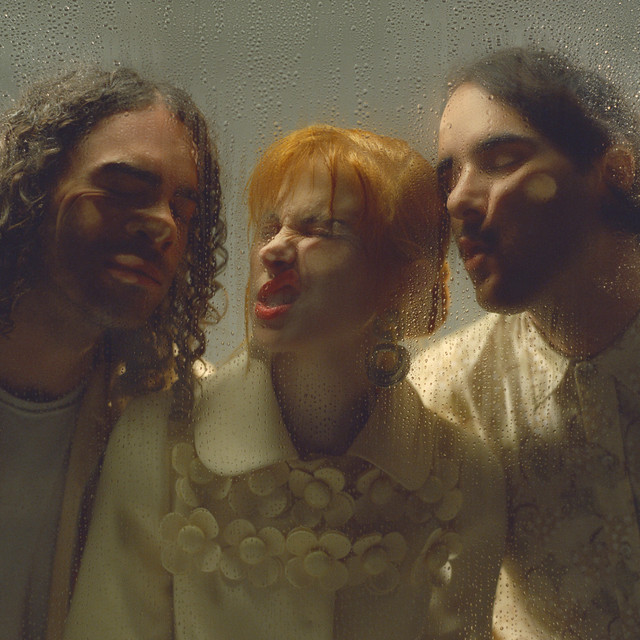
Paramore
Emo Pop
Candy Pop
Pixie
5
/5
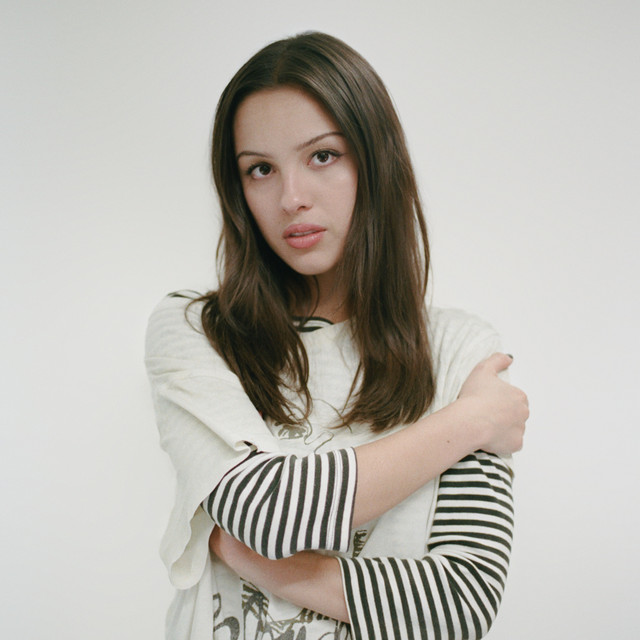
Olivia Rodrigo
Pop
Chill Pop
Chill R&b
5
/5
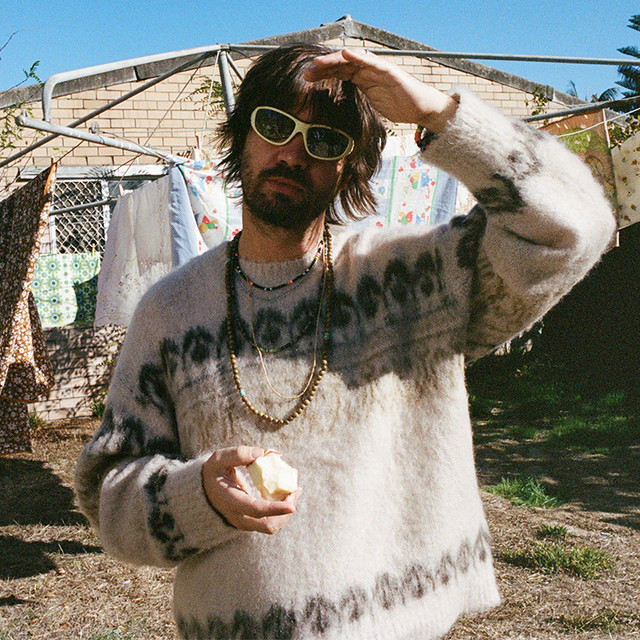
Tame Impala
Psychedelic Pop
Indie
Neo-Psychedelia
5
/5
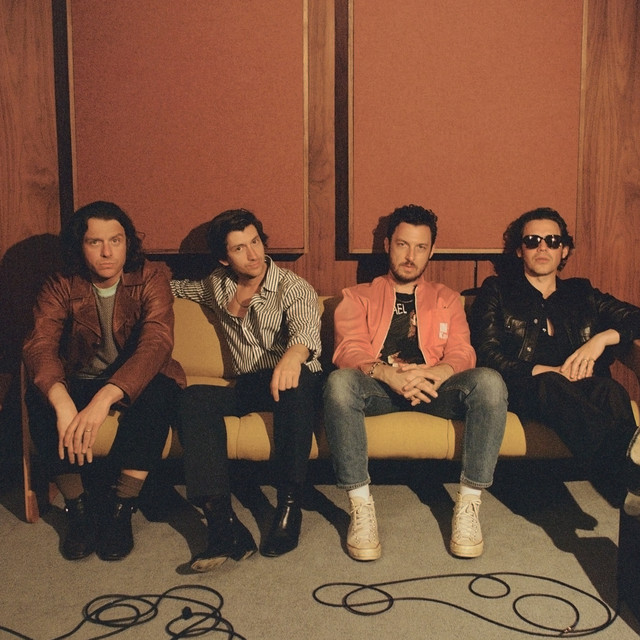
Arctic Monkeys
Garage Rock
Indie
Indie Rock
5
/5
Radiohead
Alternative Rock
Art Rock
Melancholia
5
/5
Frank Ocean
Neo Soul
Pop
Contemporary R&b
5
/5
Deftones
Alternative Metal
Shoegaze
Nu Metal
5
/5
Green Day
Pop Punk
Punk
Alternative Rock
5
/5
Fontaines D.C.
Post-Punk
Crank Wave
Rock
5
/5
Guns N' Roses
Glam Metal
Hard Rock
Rock
Download our mobile app
Get the Melodigging app and start digging for new genres on the go
Download on the App Store
Get it on Google Play
© 2026 Melodigging
Give feedback
Legal
Melodding was created as a tribute to
Every Noise at Once
, which inspired us to help curious minds keep digging into music's ever-evolving genres.