Genres
Make Music
Artists
Albums
Challenges
Sign in
Sign in
Albums
By Radiohead
Albums
By Radiohead
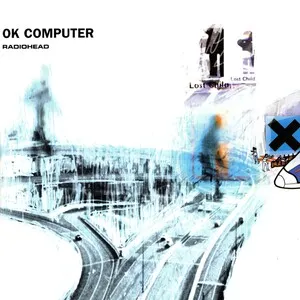
OK Computer
May 28, 1997
Listen
5
/5
Genres
Melancholia
Melancholia is an internet-era microgenre centered on soft-focus, sorrow-tinged pop and indie songs that foreground intimacy, space, and emotional candor. Tracks are typically slow to mid‑tempo, sung in a close, almost confessional register, and framed by sparse, reverb‑soaked textures. Sonically it lives between dream pop, bedroom pop, and slowcore: shimmering guitars or wistful synth pads drift over understated beats; piano, acoustic guitar, and low‑key electronic drums carry muted, pulsing grooves. Harmonies often favor minor keys, suspended chords, and gentle extensions (7ths/9ths) that heighten a bittersweet glow. Lyrically, melancholia lingers on solitude, late‑night self‑reflection, breakups, and fragile hope. The genre coalesced through streaming playlists and social media, where its hush, negative space, and diaristic tone translate into a cohesive, instantly recognizable mood.
Discover
Listen
Bullet Hell
Bullet hell (danmaku) refers to a subgenre of shoot ’em up video games defined by screen‑filling patterns of enemy projectiles that demand precise movement and pattern recognition. In music tagging and discourse, “bullet hell” commonly denotes the high‑energy soundtrack aesthetic associated with these games. Musically, bullet hell soundtracks emphasize very fast tempos, assertive and memorable melodies, bright synth leads, driving ostinatos, and dense but readable arrangements that sustain focus under extreme visual pressure. They mix arcade and PC‑98/console timbres (FM, PSG, and early PCM) with later trance, J‑core, and drum & bass production, yielding music that is simultaneously melodic, urgent, and loop‑friendly for stage and boss encounters.
Discover
Listen
Harem
Harem is primarily an anime/manga narrative genre in which multiple girls develop romantic interest in the same male lead (and, in gender-flipped “reverse harem,” multiple boys gather around a female lead). In music discourse, “harem” most often refers to the sound world that accompanies harem anime: bright, hook-driven J‑pop/J‑rock opening themes, tender or wistful ending ballads, and character songs performed by voice actors (seiyu). These tracks emphasize youthful infatuation, comedic misunderstandings, and ensemble chemistry, using glossy pop production, catchy refrains, and sometimes choral “group of friends” textures to mirror the multi‑love‑interest setup. Thus, while harem itself is a story genre, it has a recognizable musical profile within the broader sphere of Japanese anime music (anisong).
Discover
Listen
Magical Realism
Magical realism (in music) is an aesthetic where everyday, grounded songwriting is interwoven with subtly wondrous or uncanny sonic details. The fantastical is presented as ordinary: field‑recorded sounds feel like characters, folklore instruments sit next to synths, and surreal lyrics are narrated in a matter‑of‑fact voice. Rather than aiming for pure fantasy or psychedelia, the style keeps one foot in reality—acoustic timbres, intimate vocals, and story‑like verses—while the other foot introduces inexplicable textures, mythic motifs, or dream logic. The effect mirrors literary magical realism: magical elements are blended seamlessly with a realistic atmosphere to reveal a deeper sense of reality, culture, memory, and place.
Discover
Listen
Found Footage Horror
Found footage horror is a horror subgenre built around the conceit that what the audience is seeing (and hearing) was recorded by the characters themselves on consumer equipment. Musically, this yields a distinctive "anti-score": long stretches of room tone, mic clipping, tape hiss, HVAC hums, and environmental noises replace traditional cues. When non‑diegetic music appears at all, it is sparse—often low drones, sub‑bass rumbles, metallic scrapes, or degraded cassette/VHS textures that feel like artifacts inside the fiction rather than an external soundtrack. Because the camera is usually handheld and the audio is captured "on the mic," the sonic language overlaps with dark ambient and electroacoustic practice: reality-based sound, abrupt dynamic jumps, silence-as-tension, and found sounds processed into dread. Iconic examples (from Cannibal Holocaust to The Blair Witch Project, Paranormal Activity, REC, Cloverfield, and Host) codified a palette where sound design carries the horror as much as music does.
Discover
Listen
Alternative Rock
Alternative rock is a broad umbrella for guitar-based rock that emerged from the independent and college-radio scenes as a counterpoint to mainstream, commercial rock. It blends the energy and ethos of punk with the textural and songwriting experiments of post-punk, new wave, jangle pop, and noise rock, often foregrounding introspective or socially aware lyrics. Across its many strains—from the melodic minimalism of college rock to the loud-quiet-loud dynamics of grunge and the artful experimentation of Radiohead-era modernism—alternative rock prioritizes authenticity, sonic individuality, and a do-it-yourself approach. Its sound ranges from chiming, chorus-laden clean guitars to abrasive distortion and feedback, supported by straightforward rock rhythms or off-kilter grooves, and production that can be either raw and live-sounding or polished yet unconventional.
Discover
Listen
Permanent Wave
Permanent wave is a radio-friendly strain of new wave–era rock that blends the angular guitars and nervy energy of post-punk with the big hooks, glossy production, and FM-ready choruses of mainstream and arena rock. Characterized by clean, chorus-laden guitars, prominent analog and early digital synthesizers, tight rhythm sections, and charismatic pop-forward vocals, it sits between artful post-punk and commercial rock. Its sound became a staple of early MTV, with punchy arrangements, memorable synth hooks, and sleek studio techniques like gated reverb and precision overdubs. While rooted in late-1970s new wave, permanent wave crystallized in the early-to-mid 1980s as a cohesive, accessible style that emphasized songwriting craft, rhythmic drive, and modernist sheen.
Discover
Listen
Video Game Music
Video game music (VGM) is the soundtrack or background music composed specifically to accompany and enhance interactive gameplay. In its earliest decades, VGM was bound by severe hardware constraints: simple programmable sound generators (PSG) and later FM-synthesis chips limited composers to a handful of monophonic channels, basic waveforms, and tiny memory footprints. Those constraints forged a distinctive, catchy, loop-based idiom—often called “chip music” or “8‑bit”—that became the emblematic sound of early games. As technology advanced, VGM expanded into rich orchestral, rock, electronic, and hybrid palettes and adopted adaptive/interactive scoring techniques so the music could change with the player’s actions. Today it spans everything from intimate, textural ambience to full symphonic epics, while still celebrating its retro chip heritage.
Discover
Listen
Computer Graphics
Computer graphics (as a visual style used with music and audiovisual culture) consists of images and motion built entirely through computation—mathematical functions, procedural rules, and code rather than lenses or physical drawing. Its hallmark is the generation of geometric forms, algorithmic textures, particle systems, fractals, point/line/mesh abstractions, and shader-based effects that evolve over time. In music contexts, these visuals are often synchronized to sound, yielding reactive patterns, beat-synced transformations, and spectrum-driven animations.
Discover
Listen
Ink-Wash Animation
Ink-wash animation (as a music-tagged genre) refers to the soundtrack and scoring approach associated with Chinese ink-wash (shuimo) animated films. It aims to translate the aesthetics of traditional Chinese ink painting into sound: sparse, brush-like gestures; large amounts of “negative space” (silence); and timbres drawn from Chinese classical and folk instruments. Rather than Western cartoon scoring with constant mickey-mousing, ink-wash animation music typically supports atmosphere, poetic pacing, and visual breath, often leaning toward guqin- and dizi-centered chamber textures.
Discover
Listen
Sadistic Horror
Sadistic horror is a horror film subgenre whose narratives and imagery center on captivity, cruelty, and the spectacle of bodily threat. In music terms, it favors cues that amplify dread and pain through abrasive textures, infrasonic pressure, and sudden shock stingers. Prominently featuring scenes of torture and degradation, its scoring language leans on extended techniques for strings and winds, metallic percussion and foley, granular and spectral processing, and atonal or microtonal harmonies. The result is a claustrophobic, oppressive sound world designed to make the audience feel trapped alongside the on‑screen victims.
Discover
Listen
Art Rock
Art rock is a branch of rock music that treats the studio and the album as spaces for artistic experimentation, emphasizing conceptual ideas, ambitious arrangements, and cross-pollination with modernist and avant-garde traditions. It typically favors extended song forms, thematic or conceptual unity, and non-standard instrumentation (strings, woodwinds, synthesizers) alongside rock’s core band setup. Lyrically, it leans toward literary, surreal, or philosophical subjects and often adopts theatrical presentation. Where mainstream rock centers on immediacy and hooks, art rock embraces risk: unusual time signatures, timbral exploration, complex harmony, tape and electronic manipulation, and interludes that draw from classical, jazz, minimalism, and experimental music.
Discover
Listen
Dacoit Film
Dacoit film is an Indian cinema subgenre centered on the lives and outlaw activities of rural bandits (“dacoits”) in the Indian subcontinent. Musically, these films blend the idioms of Hindi film songwriting with rustic North Indian folk colors and the dramatic, twangy orchestration of Westerns. Expect keening flutes (bansuri), sarangi and harmonium for pathos; dholak, nagara, and khartal for earthy drive; plus trumpets, whistling, and electric guitars that echo spaghetti‑western tension. Songs often alternate between village festivities and ballads of honor, vendetta, and fate, while the background score leans on galloping rhythms and stark modal motifs to power chases and standoffs.
Discover
Listen
Police Procedural
Police procedural is a screen-driven genre whose stories follow the investigative work of law enforcement and/or forensics teams in their attempts to solve a crime and/or have criminals arrested. As a musical style associated with these films and series, it blends noir-influenced jazz, propulsive funk and rock rhythms, and later electronic/synth textures with suspenseful orchestral writing. The resulting sound world supports surveillance, interrogation, pursuit, and revelation: terse motifs for clues, anxious ostinatos for tailing suspects, stingers for jump-cuts, and cathartic cadences when cases close.
Discover
Listen
Rock
Rock is a broad family of popular music centered on amplified instruments, a strong backbeat, and song forms that foreground riffs, choruses, and anthemic hooks. Emerging from mid‑20th‑century American styles like rhythm & blues, country, and gospel-inflected rock and roll, rock quickly expanded in scope—absorbing folk, blues, and psychedelic ideas—while shaping global youth culture. Core sonic markers include electric guitar (often overdriven), electric bass, drum kit emphasizing beats 2 and 4, and emotive lead vocals. Rock songs commonly use verse–chorus structures, blues-derived harmony, and memorable melodic motifs, ranging from intimate ballads to high‑energy, stadium‑sized performances.
Discover
Listen
Crime
A cinematic musical tradition developed to accompany narratives about criminal activities, the lives of criminals, and their effects on the people around them. Musically, it is characterized by a tense, atmospheric, and often gritty sound palette that evolved from the 'Crime Jazz' of film noir—featuring walking basslines, dissonant brass, and smoky saxophones—into the 'Crime Funk' of 1970s cop shows, defined by wah-wah guitars and breakbeats. It serves to underscore suspense, danger, and the moral ambiguity of the urban underworld.
Discover
Listen
Film Gris
Film gris is a postwar American variant of film noir defined by its even harsher cynicism, systemic social critique, and a relentless blurring of the moral line between good and bad. Where classic noir often pits a doomed individual against fate, film gris widens the frame to implicate institutions—business, law, media, and politics—suggesting that corruption is structural rather than accidental. Stylistically, it keeps noir’s shadow-rich photography and fatalistic tone, but leans more into semi-documentary realism: greater use of location shooting, working‑class settings, and socially topical plots. Protagonists are morally compromised strivers (lawyers, truckers, sportsmen, cops, small-time crooks) ensnared in rigged systems. Endings tend to be bleak or inconclusive, emphasizing the costs of complicity and the difficulty of reform.
Discover
Listen
Psychological Horror
Psychological horror (as a music/style of scoring) uses sound to destabilize the listener’s sense of safety and to suggest inner turmoil rather than external, monster-on-screen threat. Instead of relying on loud "stingers" alone, it leans on ambiguity, silence, uneasy timbres, and subtly shifting textures to evoke dread, paranoia, and obsession. Common devices include lullabies made uncanny, breath-like drones, dissonant clusters, and noises that blur the line between diegetic sound and score. Classic examples range from Krzysztof Komeda’s nursery‑rhyme theme for Rosemary’s Baby—sweet on the surface, sinister in context—to game scores that weaponize quiet, space, and industrial ambience to mirror characters’ fractured psyches.
Discover
Listen
Gangster Film
A gangster film is a crime‑cinema genre centered on gangs and organized crime syndicates—most iconically the Italian‑American Mafia, but also Japanese Yakuza and Chinese Triads—charting the rise and fall of criminals, their codes of loyalty, and the social worlds that enable them. In American usage, the American Film Institute defines the genre as stories about organized crime or maverick criminals in a twentieth‑century setting; the template coalesced in early‑sound Hollywood and later diversified globally. Typical narratives explore power, family, migration, and moral ambiguity, often balancing critique with a stylized allure.
Discover
Listen
Horror
Horror (as a musical style) is music deliberately crafted to elicit fear, dread, and anxiety. It emphasizes tension, surprise, and the uncanny through dissonant harmony, destabilized rhythm, and disturbing timbres. Whether in film, television, games, theater, or concert works, horror music often uses clusters, tritones, micro-intervals, extended instrumental techniques, and sudden loud/quiet contrasts. Sound design is integral: tape manipulations, low-frequency rumbles, unsettling field recordings, and analog or modular synth textures blur the line between score and sonic environment. Above all, the aim is psychological—guiding the audience’s anticipation and startle responses to produce a sustained sense of terror.
Discover
Listen
Animation
Animation is a moving-image medium that rapidly displays static imagery to create the illusion of motion and change. Music written for animation is crafted to support this hyper-expressive visual grammar—accenting motion, enhancing character, and articulating comedic timing. Unlike many live‑action scores, animation scoring often embraces tightly synchronized "hit points" (sometimes called Mickey‑Mousing), brisk thematic development, and kaleidoscopic changes of mood to mirror frequent cuts and rapid action. Its stylistic palette ranges from orchestral light music and jazz/big band swing to modern electronic textures and pop songs (especially in anime OP/ED formats).
Discover
Listen
Silhouette Animation
Silhouette animation is a frame‑by‑frame animation technique in which characters and objects appear as flat, black paper cutouts (or their digital equivalents) seen in profile against illuminated backgrounds. Technique inspired by European shadow play and silhouette cutting. Pioneered most famously by German animator Lotte Reiniger, the style uses jointed puppets cut from black card, hinged with wire or rivets, and animated on a backlit glass table or multiplane rig. Its stark contrast, flowing cut‑paper articulation, and ornate backdrops lend themselves to fairy‑tale, mythic, and dreamlike narratives. Modern variants can be fully digital, but the core aesthetics—crisp contours, expressive profiles, filigreed scenery, and light‑through‑shadow staging—remain central.
Discover
Listen
Similar albums
2007
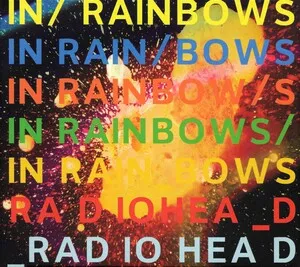
In Rainbows
Radiohead
1972
The Rise and Fall of Ziggy Stardust and The Spiders From Mars
David Bowie
1993
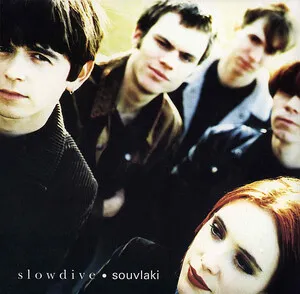
Souvlaki
Slowdive
1977
Animals
Pink Floyd
1991
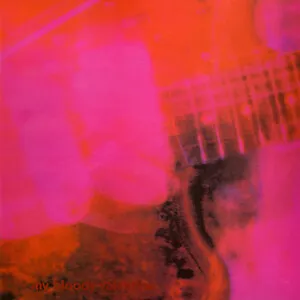
Loveless
my bloody valentine
1996
Long Season
Fishmans
1974
Red
King Crimson
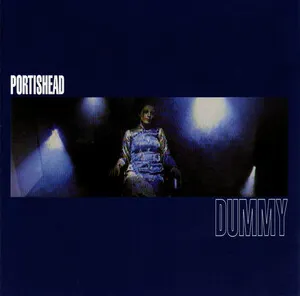
1994
Dummy
Portishead
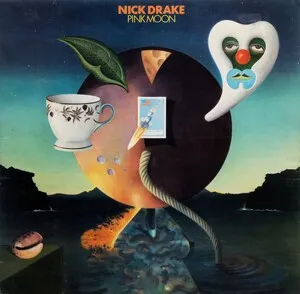
1972
Pink Moon
Nick Drake
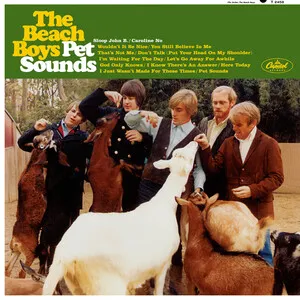
1966
Pet Sounds
The Beach Boys
Download our mobile app
Get the Melodigging app and start digging for new genres on the go
Download on the App Store
Get it on Google Play
© 2026 Melodigging
Give feedback
Legal
Melodding was created as a tribute to
Every Noise at Once
, which inspired us to help curious minds keep digging into music's ever-evolving genres.