Genres
Make Music
Artists
Albums
Challenges
Sign in
Sign in
Albums
By Neutral Milk Hotel
Albums
By Neutral Milk Hotel
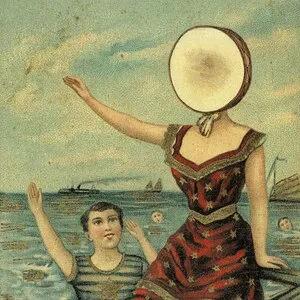
In the Aeroplane Over the Sea
February 20, 1998
Listen
1
/5
Genres
Indie Folk
Indie folk blends the DIY ethos and sonic aesthetics of independent rock with the acoustic instrumentation, intimate storytelling, and melodic simplicity of traditional folk. Timbres are typically warm and organic—fingerpicked acoustic guitars, close-mic’d vocals, subtle percussion, and spare ornamentation from banjo, mandolin, harmonium, or strings. Production often favors natural room ambiance, tape hiss, and gentle compression over glossy polish, creating a sense of proximity and emotional candor. Lyrically, the style is reflective and poetic, focusing on personal narratives, place, nature, spirituality, and memory. Harmony tends to be diatonic and modal, with drones, open tunings, and layered vocal harmonies adding depth. While understated, arrangements can scale into lush, choir-like textures and chamber-folk swells, balancing fragility with grandeur.
Discover
Listen
Elephant 6
Elephant 6 refers to the loose collective and label (Elephant 6 Recording Co.) that coalesced in the early–mid 1990s around a core of friends who made kaleidoscopic, 1960s-influenced psychedelic pop with a fiercely DIY, analog ethos. Sonically, the "Elephant 6 sound" blends psychedelic pop and sunshine pop melodicism with lo‑fi tape warmth, fuzzy guitars, Mellotron/organ, brass and strings, stacked vocal harmonies, and whimsical tape collages or musique concrète interludes. Songs often nod to The Beatles/Beach Boys baroque pop craft, but are recorded on 4‑track or other modest setups that emphasize saturated color, home‑spun texture, and playful experimentation. More than a single band or rigid genre, it is a scene and aesthetic centered on community, cross‑pollination, and collective authorship—rooted primarily in Athens, Georgia and Denver, Colorado in the United States.
Discover
Listen
Anti-Folk
Anti-folk is a subversive, DIY-minded offshoot of folk that blends the confessional songwriting of the 1960s coffeehouse scene with the irreverence, speed, and attitude of punk. It favors raw, often lo-fi production, simple chord progressions, direct melodies, and sardonic, self-aware lyrics that skewer both mainstream pop and earnest folk orthodoxy. Performances typically feel intimate and unvarnished, privileging personality, humor, and immediacy over polish. The scene coalesced around New York City’s Lower East Side/East Village in the 1980s and 1990s, later inspiring companion scenes in the UK and Europe. Anti-folk’s tone ranges from playful and comedic to biting and political, but it consistently celebrates individuality, candor, and a hand-made aesthetic.
Discover
Listen
Noise Pop
Noise pop blends the tunefulness and hook-centric structures of pop with abrasive textures such as feedback, distortion, and tape hiss. It typically features bright, simple melodies buried beneath a dense, overdriven "wall of sound," with vocals often mixed low or coated in reverb. The aesthetic draws on 1960s girl-group and power-pop songwriting but delivers it through punk-informed energy and noise-rock sonics, creating music that is simultaneously sweet and scuffed.
Discover
Listen
Dystopian
Dystopian music is a thematic style that evokes societies under repressive control, surveillance, and decay—often imagined in near‑ or far‑future settings. Sonically, it blends industrial abrasiveness, mechanical rhythms, and shadowy ambient textures with synth‑driven timbres and cinematic sound design. The result is a sense of unease, alienation, and technological overreach that mirrors the dystopian fiction tradition in literature and film.
Discover
Listen
Folk Punk
Folk punk fuses the raw speed, attitude, and DIY ethos of punk with the acoustic instruments, storytelling, and melodic traditions of folk. It often features shouted sing‑alongs, gang vocals, and energetic strumming alongside fiddles, accordions, banjos, and acoustic guitars. Lyrically, the genre ranges from personal confessionals and working‑class narratives to pointed political critique and anti‑establishment themes. Production can be intentionally rough or lo‑fi, reflecting its busking roots and community‑first approach to performance.
Discover
Listen
Indie Rock
Indie rock is a subgenre of rock and a branch of alternative rock that coalesced in the early–mid 1980s around independent labels and DIY practices in the United Kingdom, the United States, and New Zealand. Defined less by a single sound than by an ethos, indie rock favors non‑mainstream approaches, self‑recording and small‑label distribution, and an interest in pop‑informed melody and eclectic experimentation. Hallmarks include jangly or fuzzed guitars, intimate or deadpan vocals, off‑kilter song structures, and production that often preserves a raw, “authentic” feel rather than glossy studio polish.
Discover
Listen
Lo-Fi
Lo-fi is a music aesthetic and genre defined by an embrace of audible imperfections—tape hiss, clipping, room noise, distorted transients, and uneven performance—that would be treated as errors in high-fidelity recording. Emerging from the DIY ethos of American indie and punk scenes, lo-fi turns budget constraints and home-recording limitations into a signature sound. Songs are often intimate, direct, and unvarnished, prioritizing immediacy and personality over polish. Typical lo-fi recordings use 4-track cassette or similarly modest setups, simple chord progressions, and understated vocals, spanning rock, folk, pop, and experimental approaches while retaining a homemade warmth and nostalgic patina.
Discover
Listen
Brickfilm
Brickfilm is a stop‑motion animation style that uses interlocking plastic bricks—most commonly LEGO—and their minifigures to tell stories. Filmmakers build sets from bricks, pose figures frame by frame, and photograph each incremental movement to create motion when the images are sequenced. The medium embraces the toy’s modularity: walls, props, vehicles, and even special effects can be constructed from bricks, while post‑production adds sound design, music, and occasional CG compositing. Though it spans every genre (comedy, action, sci‑fi, drama), brickfilm is united by its playful, tactile aesthetic and the unmistakable look and limitations of minifigure performance. Since the late 1990s and early 2000s, brickfilm has flourished online, with a large community of hobbyists and professionals sharing work, techniques, and running fast‑turn contests. The style ranges from rough single‑weekend shorts to meticulously lit, cinematic productions shot with dedicated stop‑motion rigs.
Discover
Listen
Cannibal
Cannibal is a niche soundtrack-anchored genre tag tied to the Italian “cannibal” exploitation film cycle that peaked from the mid‑1970s to early 1980s. Musically, it blends lush European library/easy‑listening orchestration, prog‑rock rhythm sections, jazz/funk instrumentation, and so‑called “tribal” percussion and flutes, set against dark, suspenseful harmonic beds. Its aesthetic aims for high shock value consistent with the films’ violent and transgressive subject matter, juxtaposing deceptively beautiful themes with dread, ambient dissonance, and percussive ritual cues. Contemporary dark electronic and extreme metal acts sometimes reference this palette to evoke jungle survivalism, taboo, and visceral tension.
Discover
Listen
Video Game Music
Video game music (VGM) is the soundtrack or background music composed specifically to accompany and enhance interactive gameplay. In its earliest decades, VGM was bound by severe hardware constraints: simple programmable sound generators (PSG) and later FM-synthesis chips limited composers to a handful of monophonic channels, basic waveforms, and tiny memory footprints. Those constraints forged a distinctive, catchy, loop-based idiom—often called “chip music” or “8‑bit”—that became the emblematic sound of early games. As technology advanced, VGM expanded into rich orchestral, rock, electronic, and hybrid palettes and adopted adaptive/interactive scoring techniques so the music could change with the player’s actions. Today it spans everything from intimate, textural ambience to full symphonic epics, while still celebrating its retro chip heritage.
Discover
Listen
Mahō Shōjo
Mahō shōjo ("magical girl") is a Japanese media genre whose stories center on a girl or group of girls who gain magical powers, often through a pact or contract with a supernatural being, and use those powers to balance everyday life with heroic responsibility. Musically, the genre’s sound world is defined by bright, hook‑forward anison (anime song) aesthetics, idol‑style pop choruses, and transformation themes that blend orchestral sparkle (strings, brass, chimes, glockenspiel) with synths and rock rhythm sections. Openers and endings are typically high‑energy J‑pop tailored for dance routines and call‑and‑response, while background scores alternate between whimsical slice‑of‑life cues and triumphant, leitmotivic battle music. Darker deconstructions of the genre (e.g., psychological or tragic storylines) shift toward minor modes, choral textures, and dramatic harmony while retaining recognizably “magical girl” thematic signifiers.
Discover
Listen
Dacoit Film
Dacoit film is an Indian cinema subgenre centered on the lives and outlaw activities of rural bandits (“dacoits”) in the Indian subcontinent. Musically, these films blend the idioms of Hindi film songwriting with rustic North Indian folk colors and the dramatic, twangy orchestration of Westerns. Expect keening flutes (bansuri), sarangi and harmonium for pathos; dholak, nagara, and khartal for earthy drive; plus trumpets, whistling, and electric guitars that echo spaghetti‑western tension. Songs often alternate between village festivities and ballads of honor, vendetta, and fate, while the background score leans on galloping rhythms and stark modal motifs to power chases and standoffs.
Discover
Listen
Paint-On-Glass Animation
Paint-on-glass animation is a frame-by-frame animation technique in which an artist manipulates wet media (typically oil paint, gouache, or acrylics kept workable with additives) directly on panes of glass placed under a camera. Each incremental change is photographed, creating fluid, painterly motion when played back. Because the artwork is reworked continuously on the same surface (often on multiple layers of glass for depth), the results feature dissolving shapes, smudged transitions, and rich color blending that are difficult to achieve with cels or digital tools. The method is slow and highly artisanal, but prized for its dreamlike, impressionistic look.
Discover
Listen
Mafia Film
Mafia film is a crime-cinema subgenre centered on Italian and Italian‑American organized crime syndicates (the Mafia/Cosa Nostra and related clans). Narratives typically explore family hierarchies, codes of honor and omertà, the tension between old‑world tradition and new‑world capitalism, and the tragic costs of power. Musically, the style became strongly codified in the 1970s through scores that blend Italianate lyricism with noir‑era harmony: mournful waltzes, mandolin or accordion colors, solo trumpet or clarinet laments, and lush, elegiac strings. Contemporary entries often juxtapose this palette with curated period source music (doo‑wop, crooner ballads, Italian canzoni) and darker, minimalist textures to underscore brutality and fate.
Discover
Listen
Animation
Animation is a moving-image medium that rapidly displays static imagery to create the illusion of motion and change. Music written for animation is crafted to support this hyper-expressive visual grammar—accenting motion, enhancing character, and articulating comedic timing. Unlike many live‑action scores, animation scoring often embraces tightly synchronized "hit points" (sometimes called Mickey‑Mousing), brisk thematic development, and kaleidoscopic changes of mood to mirror frequent cuts and rapid action. Its stylistic palette ranges from orchestral light music and jazz/big band swing to modern electronic textures and pop songs (especially in anime OP/ED formats).
Discover
Listen
Kalanta
Kalanta (κάλαντα) are Greek carols traditionally sung on the eves of Christmas, New Year, and Epiphany. The repertoire comprises distinct songs for each feast: Nativity kalanta celebrate Christ’s birth, New Year’s kalanta invoke St. Basil, and Epiphany kalanta recount the Baptism of Christ. Etymologically, the term derives from the Latin calendae (first day of the month), reflecting pre‑Christian calendrical customs that were later absorbed and reshaped during the Byzantine period. In practice, children (and sometimes youth choirs) go door‑to‑door, asking “να τα πούμε;” (“shall we sing them?”) and perform with light percussion—most famously a small metal triangle—sometimes joined by santouri, laouto, or regional folk instruments. Householders respond with treats or coins, a custom that has shifted from sweets to monetary gifts in recent decades. Kalanta exhibit rich regional variation (islands, mainland, and diaspora communities), but share a simple, processional melodic profile, memorable refrains, and lyrics offering blessings and prosperity to the household. Signature pieces include the Christmas "Καλήν εσπέραν, άρχοντες" and the New Year’s "Αρχιμηνιά κι Αρχιχρονιά."
Discover
Listen
Similar albums
1986
The Queen Is Dead
The Smiths
1991
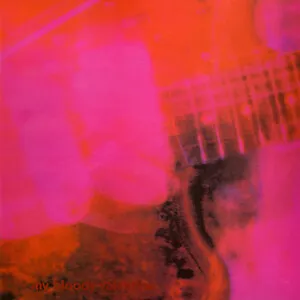
Loveless
my bloody valentine
2010
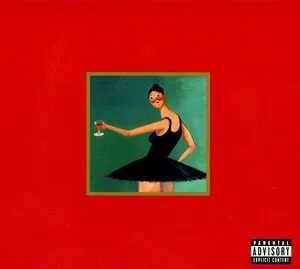
My Beautiful Dark Twisted Fantasy
Kanye West
1969
Abbey Road
The Beatles
2007
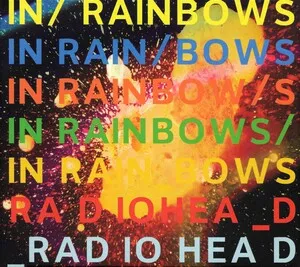
In Rainbows
Radiohead
2019
Igor
Tyler, The Creator
1972
The Rise and Fall of Ziggy Stardust and The Spiders From Mars
David Bowie
1994
Dummy
Portishead
1993
Souvlaki
Slowdive
2000
Kid A
Radiohead
Download our mobile app
Get the Melodigging app and start digging for new genres on the go
Download on the App Store
Get it on Google Play
© 2026 Melodigging
Give feedback
Legal
Melodding was created as a tribute to
Every Noise at Once
, which inspired us to help curious minds keep digging into music's ever-evolving genres.