Genres
Artists
Albums
Make Music
Sign in
Sign in
Artists
Analog Horror
Artists
Analog Horror
Wendy Carlos
5 albums
Listen
2
/5
Genres
Analog Horror
Analog horror is an internet-born horror style that foregrounds the texture and limits of obsolete media. It is characterized by lo‑fi, band‑limited sound, tape hiss, wow and flutter, and the sonic vocabulary of public‑access TV, VHS cassettes, emergency broadcast signals, and numbers stations. In narrative terms, it tends toward cryptic, surreal plots presented as faux archival broadcasts, training films, or interrupted transmissions. Musically, the idiom leans on drones, minimal motifs, degraded samples, and detuned analog synths, using period‑authentic processing to evoke dread, nostalgia, and the uncanny.
Discover
Listen
Liminal Space
Liminal space is an internet-borne microgenre/aesthetic of ambient and vaporwave-adjacent music that aims to evoke the uncanny feeling of being in empty transitional places—deserted school corridors, unlit parking structures, late-night office lobbies, or closed shopping malls. Sonically, it blends hushed drones, diffuse synth pads, tape hiss, and faraway environmental noises with fragments of public-address announcements or detuned muzak. The harmonic language is static, unresolved, and memory-like, with slow fades, extreme reverberation, and time-stretching that flatten the sense of motion. The result is a dreamlike, nostalgic, and often eerie atmosphere that feels suspended between past and present, presence and absence.
Discover
Listen
New Isolationism
New isolationism is a contemporary strain of isolationist ambient and post-industrial minimalism that emerged in the 2010s, particularly around Scandinavian experimental labels and studios. It foregrounds intimate, close-mic’d sound, negative space, and a quiet-but-present noise floor; its pieces feel both internal and architectural, like rooms built from reverb tails, tape hiss, and soft electronics. Sonically, the style blends glacial drones, fragile chamber timbres (strings, organ, piano), lo‑fi electronics, and field recordings into stark, slow-evolving tableaux. Melodic information is sparse—often only a few tones or gestures—while rhythm is either absent or reduced to distant pulses, heartbeats, or mechanical cycles. Vocals, when they appear, are murmured, diaristic, or abstracted by pitch and time manipulation. Aesthetically, new isolationism is post‑internet and diaristic: it captures solitude, memory, and dislocation with a palette that feels personal yet estranged, drawing as much from contemporary gallery sound practice as from classic dark ambient.
Discover
Listen
Progressive Electronic
Progressive electronic is a 1970s-born branch of electronic music that applies the exploratory ethos of progressive rock to synthesizers, sequencers, and studio-as-instrument techniques. It favors long-form structures, evolving textures, and thematic development over verse–chorus song forms. Hallmarks include analog synth timbres (Moog, ARP), step-sequenced ostinatos, spacious tape and plate reverbs, and gradual modulation of filters and envelopes. The music often embraces minimalistic repetition, cosmic and cinematic atmospheres, and a sense of narrative journey, connecting it to krautrock’s experimentalism and early ambient’s focus on tone and space.
Discover
Listen
Moogsploitation
Moogsploitation is a retroactively coined term for the late-1960s and early-1970s wave of pop-oriented records that showcased the Moog synthesizer as a novelty attraction. These albums typically featured playful, technicolor arrangements, catchy lead lines, and filter-swept timbres, often covering current chart hits, film themes, or familiar classical tunes in a cheeky, futuristic style. Sonically, moogsploitation sits at the crossroads of lounge and easy listening, space age pop, and early electronic experimentation. It foregrounds monophonic Moog leads, burbling bass ostinatos, spring/plate reverbs, tape echo, and stereo panning tricks, while rhythm sections lean on light pop, bossa-nova, or shuffle grooves. The genre blossomed after the commercial success of Wendy Carlos’s Switched-On Bach (1968), prompting labels and arrangers to release “Moog-ified” LPs that celebrated the synthesizer’s new, otherworldly character.
Discover
Listen
Microtonal Classical
Microtonal classical is a stream of Western art music that organizes pitch using intervals smaller than the conventional 12-tone equal temperament. Composers employ alternative equal temperaments (such as 19, 24, 31, or 72 tones per octave), just intonation, and other tuning systems to expand harmony, melody, and timbre beyond the familiar semitone grid. The genre foregrounds novel intervals, complex chordal spectra, continuous pitch (glissandi), and fine-grained intonational nuance. It can sound otherworldly, tense, or delicately shimmering, and often requires specially retuned instruments, extended techniques, or custom-built instruments to realize its pitch language.
Discover
Listen
Lecture
Lecture is a spoken-word audio genre centered on the delivery of information and ideas by a single speaker (or a small panel) to an audience. It prioritizes clarity, structure, and rhetorical craft over musical accompaniment, with production focusing on intelligible voice capture and minimal sonic distraction. As a recorded format, lecture evolved from public oratory and classroom teaching into publishable audio: first on phonograph cylinders and 78 rpm discs, later on LPs, cassettes, CDs, and today via digital streaming, podcasts, and open courseware. Topics span philosophy, science, social theory, religion, psychology, technology, and public policy. A typical lecture has an introduction that frames the thesis, a body that progresses through signposted sections and examples, and a conclusion that synthesizes takeaways—sometimes followed by audience Q&A. Audience ambience, brief applause, or light cues may be present, but music beds are rare or restrained.
Discover
Listen
Concerto Grosso
A concerto grosso is a Baroque-era orchestral form built on contrasts between a small group of soloists (the concertino) and the full ensemble (the ripieno or tutti). It typically features strings with basso continuo, terraced dynamics, antiphonal dialogue, and clear tonal harmony. Two principal subtypes emerged: the church-oriented sonata da chiesa (often in a four-movement slow–fast–slow–fast plan) and the dance-inflected sonata da camera (suite-like movements). The genre highlights thematic exchange, sequences, and imitation, with the concertino—often two violins and cello—embroidered against broader tutti refrains. Corelli’s models codified its syntax, and Handel’s sets represent its late-Baroque culmination.
Discover
Listen
Show all 8 genres
Albums
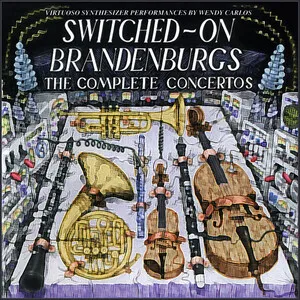
Switched-On Brandenburgs
Wendy Carlos
Concerto Grosso
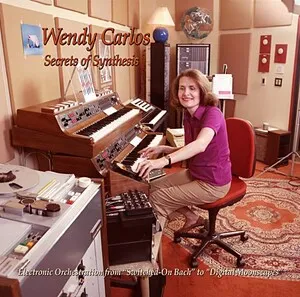
Secrets of Synthesis
Wendy Carlos
Lecture
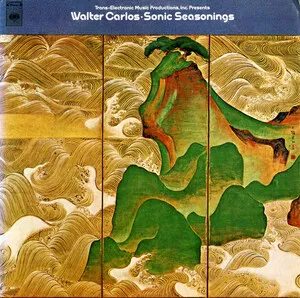
Sonic Seasonings
Wendy Carlos
Progressive Electronic
Beauty in the Beast
Wendy Carlos
Microtonal Classical
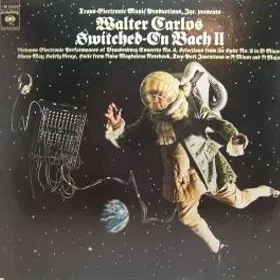
Switched-On Bach II
Wendy Carlos
Moogsploitation
Similar artists
5
/5
Gorillaz
Alternative Hip Hop
Electronic
Modern Rock
4
/5
Frank Sinatra
Big Band
Jazz
Swing
4
/5
Mc Gw
Funk Brasileiro
Funk Carioca
Phonk
4
/5
Toby Fox
Indie Game Soundtrack
Soundtrack
Video Game Music
4
/5
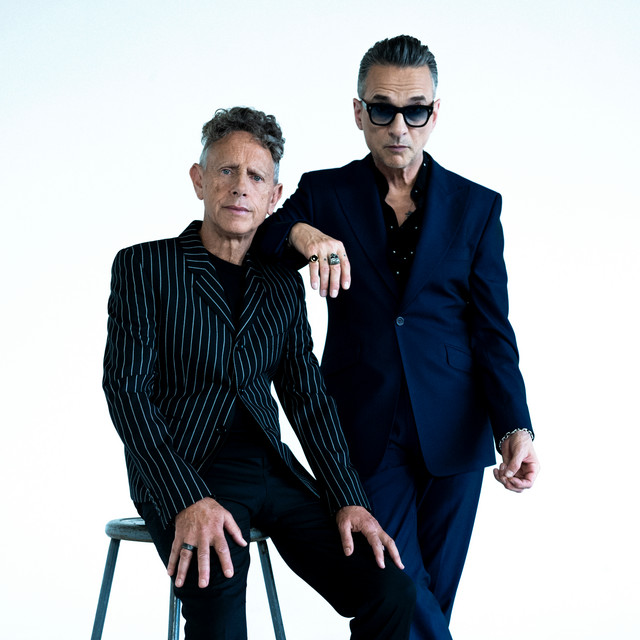
Depeche Mode
Synth-Pop
Electronic
Dance-Rock
4
/5
Dj Samir
Analog Horror
Brazilian Trap
Chill Phonk
4
/5
C418
Ambient
Electronic
Idm
4
/5
MGMT
Indie Rock
Neo-Psychedelia
Psychedelic Pop
4
/5
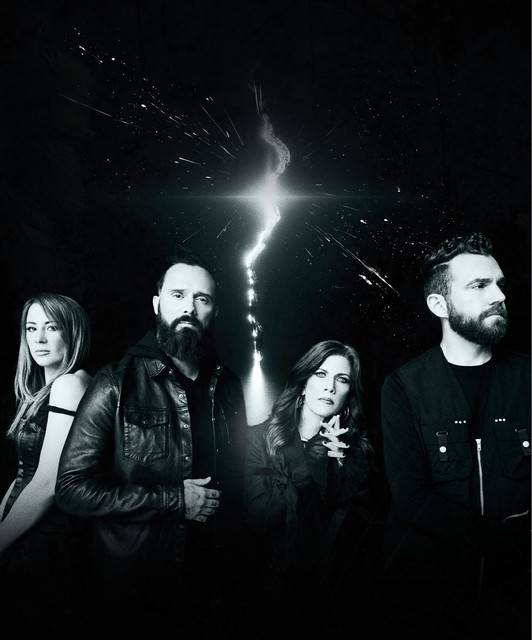
Skillet
Christian Rock
Christian Alternative Rock
Rock
4
/5
Beach House
Dream Pop
Indie Rock
Dreamo
Download our mobile app
Get the Melodigging app and start digging for new genres on the go
Download on the App Store
Get it on Google Play
© 2026 Melodigging
Give feedback
Legal
Melodding was created as a tribute to
Every Noise at Once
, which inspired us to help curious minds keep digging into music's ever-evolving genres.