Genres
Artists
Albums
Make Music
Sign in
Sign in
Artists
Big Band
Artists
Big Band
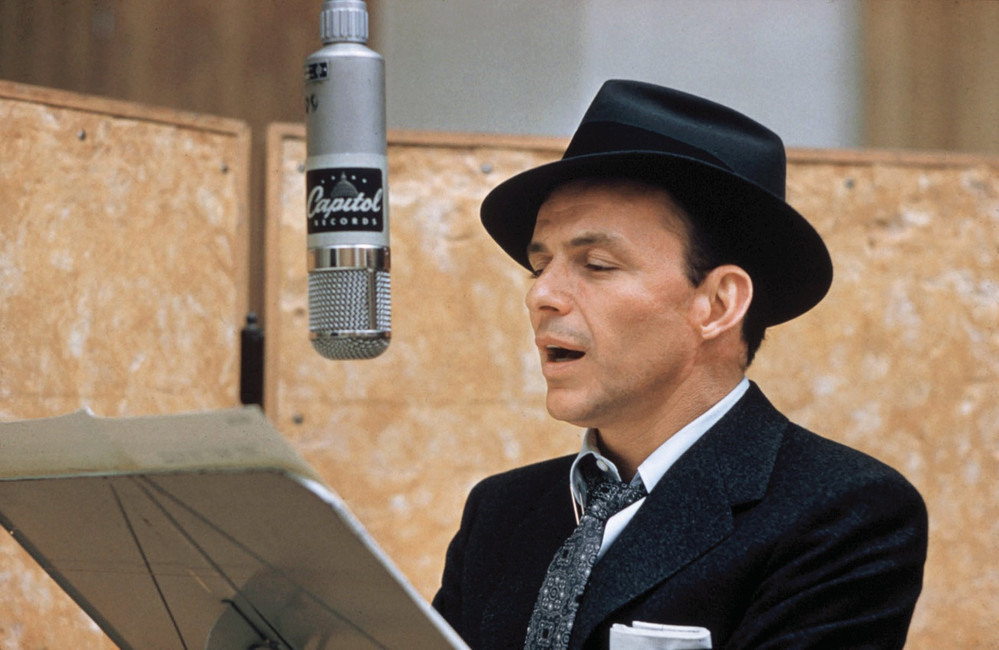
Frank Sinatra
1946–2024
·
85 albums
Listen
4
/5
Genres
Analog Horror
Analog horror is an internet-born horror style that foregrounds the texture and limits of obsolete media. It is characterized by lo‑fi, band‑limited sound, tape hiss, wow and flutter, and the sonic vocabulary of public‑access TV, VHS cassettes, emergency broadcast signals, and numbers stations. In narrative terms, it tends toward cryptic, surreal plots presented as faux archival broadcasts, training films, or interrupted transmissions. Musically, the idiom leans on drones, minimal motifs, degraded samples, and detuned analog synths, using period‑authentic processing to evoke dread, nostalgia, and the uncanny.
Discover
Listen
Indie Pop Rap
Indie pop rap blends the melodic hooks and DIY aesthetic of indie pop with conversational, often introspective rap delivery. The production favors warm, guitar- or synth-led beats, understated drums, and lo‑fi textures over bombastic trap maximalism. Lyrically, it leans personal and relatable—relationships, coming of age, mental health, and day-to-day vignettes—delivered in a half-sung, half-rapped style. The sound was shaped by bedroom producers and the streaming era, where low-stakes, catchy songs with intimate vocals thrive on playlists and social media.
Discover
Listen
Nyc Pop
NYC pop is a contemporary, hook-forward strain of alternative pop centered on artists living and working in New York City. It blends the sheen of electropop and dance-pop with the songwriting sensibilities of indie pop and indie rock, often pairing bright synths, rhythmic guitars, and punchy drums with large, chantable choruses. Lyrically, it frequently references urban life, ambition, relationships, and self-discovery, capturing the speed, romance, and pressure-cooker energy of the city. Production is glossy but retains an indie edge: live instruments sit beside modern electronic textures, with crisp vocal stacking and ear-catching toplines designed for both radio and festival stages.
Discover
Listen
Shimmer Psych
Shimmer psych is a contemporary strand of neo‑psychedelia that pairs sparkling, chorus‑washed guitars and gauzy vocal harmonies with dreamy pop songcraft. It emphasizes high‑end "shimmer," tape‑soft saturation, hypnagogic textures, and melodic hooks, sitting between dream pop, jangle pop, and classic psychedelic rock. Typical tracks are mid‑tempo, built on warm bass lines, gentle motorik or laid‑back breakbeats, and drenched in reverb, phaser, and delay. The result is sun‑bleached, nostalgic, and kaleidoscopic rather than heavy or jam‑oriented.
Discover
Listen
Thall
Thall is a hyper-percussive, ultra–low-tuned offshoot of djent and progressive metal popularized by Sweden’s Vildhjarta. The style emphasizes tightly gated, staccato down‑picking; dissonant chord voicings; and lurching, polymetric grooves that drop into sudden rests and accents. Characteristic techniques include rapid release bends, stark contrasts between pitch‑shifted highs and subterranean lows, and the use of lush, reverb‑heavy ambient interludes to heighten tension and reset the ear before the next rhythmic assault. The result is a sound that feels both mechanical and cinematic—aggressive yet spacious.
Discover
Listen
Baroque Pop
Baroque pop is a mid‑1960s fusion of contemporary pop/rock songwriting with the timbres, textures, and contrapuntal techniques of Baroque and broader European classical music. It is marked by harpsichord and piano doubling, string quartets or small orchestras, woodwinds (oboe, recorder, bassoon), French horn and piccolo trumpet colors, and melody‑forward arrangements that favor counter‑melodies and suspensions over riff‑based accompaniment. Harmonies tend to be richer than standard rock, with chromatic voice‑leading, circle‑of‑fifths motion, deceptive cadences, and occasional modulations. Production is usually lush and reverberant, supporting reflective, often nostalgic or romantic lyrics. Although it overlaps with orchestral pop and psychedelic pop, baroque pop is distinguished by its chamber‑scale instrumentation, Baroque idioms (basso continuo feel, ornamented lines), and the way classical elements are woven into compact pop song forms.
Discover
Listen
Art Pop
Art pop is a strand of pop music that treats the pop song as a canvas for high-concept ideas, experimental techniques, and cross-media aesthetics. It marries accessible melodies and hooks with the visual culture of art schools, the conceptual rigor of the avant-garde, and the studio-as-instrument ethos. Sonically, art pop favors eclectic instrumentation (synths, orchestral timbres, guitars, found sounds), unusual song forms, and sophisticated harmony. It often employs collage, musique concrète–like textures, and theatrical vocal delivery while still keeping a pop-facing surface. Beyond sound, art pop is deeply visual and conceptual: albums are framed as coherent artworks, stagecraft and video are integral, and lyrics tend toward intertextuality, character work, irony, and social commentary. The result is pop that is both immediate and idea-driven.
Discover
Listen
Easy Listening
Easy listening is a lush, melodic, and unobtrusive style of popular orchestral music designed to be pleasant in the foreground and effortless in the background. It favors smooth textures, lyrical melodies, and gentle rhythms over virtuosic display or dense complexity. Typical arrangements feature string sections, woodwinds, soft brass, vibraphone, harp, piano, subtle Latin or light swing percussion, and sometimes wordless choirs. Repertoire often consists of standards, film and television themes, and instrumental covers of contemporary hits, presented with polished studio production and wide stereo imaging. The mood ranges from romantic and sentimental to breezy and exotic, prioritizing warmth, clarity, and relaxed pacing. Improvisation, if present, is restrained, with harmony that leans on jazzy extensions while staying consonant and approachable.
Discover
Listen
Pop
Pop is a broad, hook-driven style of popular music designed for wide appeal. It emphasizes memorable melodies, concise song structures, polished vocals, and production intended for radio, charts, and mass media. While pop continually absorbs elements from other styles, its core remains singable choruses, accessible harmonies, and rhythmic clarity. Typical forms include verse–pre-chorus–chorus, frequent use of bridges and middle-eights, and ear-catching intros and outros. Pop is not defined by a single instrumentation. It flexibly incorporates acoustic and electric instruments, drum machines, synthesizers, and increasingly digital production techniques, always in service of the song and the hook.
Discover
Listen
Bossa Nova
Bossa nova is a Brazilian popular music style that emerged in Rio de Janeiro in the late 1950s, blending samba’s syncopated pulse with the harmonic sophistication and understated cool of jazz. It is characterized by intimate, almost whispered vocals; a nylon‑string guitar playing the distinctive batida (a gently syncopated, two-beat accompaniment); subtle, brushed percussion; and lush, extended jazz harmonies. The mood is relaxed, refined, and full of saudade—a bittersweet sense of longing—often evoking images of Rio’s beaches, nightclubs, and urban modernity.
Discover
Listen
Lounge
Lounge music is a style of easy listening designed to evoke a sense of place and atmosphere—tropical islands, jungles, elegant cocktail bars, or even outer space. It prizes a chilled, urbane mood achieved through light instrumentation, lush arrangements, and crooning or wordless vocals. Rooted in earlier light music and crooner traditions, classic lounge blossomed in the 1950s and 1960s alongside hi‑fi and stereo “space age” culture. It draws from Dixieland and small‑combo jazz, Latin dance rhythms (mambo, cha‑cha, bossa inflections), novelty/gimmick songs, and occasional experimental studio techniques. The spectrum ranges from exotica and beautiful‑music instrumentals to suave, jazzy vocal numbers—and in modern eras, it can intersect with downtempo and electronica while keeping its retro, escapist ambiance.
Discover
Listen
Swing
Swing is a jazz style centered on a buoyant, danceable groove created by a walking bass, four-to-the-bar rhythm guitar, a backbeat emphasis on 2 and 4, and a lilted “swung” eighth-note feel. Typically performed by big bands (saxes, trumpets, trombones, and a rhythm section) as well as small combos, it balances written arrangements with improvised solos. Hallmarks include call-and-response between horn sections, riff-based melodies, shout choruses that build intensity near the end of an arrangement, and rich sectional voicings grounded in blues language and ii–V–I harmonic motion. Tempos range from medium to brisk, serving social dances like the Lindy Hop and Jitterbug. Swing’s expressive phrasing, dance-floor focus, and sophisticated arranging made it the dominant popular music of the late 1930s and early 1940s.
Discover
Listen
Traditional Pop
Traditional pop is the pre–rock and roll mainstream of American popular song, centered on the Great American Songbook and the crooner/orchestral style that dominated radio, records, and film musicals from the 1930s through the 1950s. It favors memorable melodies, elegant lyrics (often about romance), and lush arrangements for strings, woodwinds, and big band rhythm sections. Singers use close‑mic "crooning" to deliver expressive, legato phrasing over jazz‑tinged harmonies and steady, unhurried grooves. Typical forms include the 32‑bar AABA standard, with sophisticated but accessible harmony (secondary dominants, ii–V–I cycles, tasteful modulations) and an emphasis on interpretation—how the vocalist shades timing, dynamics, and diction to make a familiar song feel personal.
Discover
Listen
Adult Standards
Adult standards is a song-based popular style and later radio format centered on the Great American Songbook and pre-rock era pop. It emphasizes sophisticated vocal performances, memorable melodies, and lush arrangements drawn from Broadway, Hollywood musicals, big bands, and jazz-influenced traditional pop. Typical recordings feature rich orchestration (strings, woodwinds, and brass), a polished rhythm section, and crooner-style vocals delivered with close-mic intimacy. Harmonies often include jazz chords, secondary dominants, and modulations, supporting elegant, urbane lyrics that focus on love, longing, and everyday romance. Although it predates rock ’n’ roll in repertoire, adult standards also encompasses later revivals and reinterpretations by contemporary singers who keep the classic songbook alive through modern recordings and live performances.
Discover
Listen
Big Band
Big band is a large-ensemble style of jazz and popular dance music built around brass, reed, and rhythm sections playing arranged parts. Typical instrumentation includes five saxophones (often doubling clarinet/flute), four trombones, four trumpets, and a rhythm section of piano, guitar, upright bass, and drum set. The music emphasizes swing rhythms, call-and-response between sections, riff-based writing, and dramatic shout choruses, while leaving space for improvised solos. Born in American ballrooms and theaters, big band became the sound of the Swing Era, providing both music for dancing and a platform for sophisticated arranging and orchestration that shaped much of 20th‑century jazz and popular music.
Discover
Listen
Vocal Jazz
Vocal jazz is a jazz tradition in which the human voice is treated as an instrument—matching the phrasing, articulation, and timbral nuance of horns or piano. Singers often improvise melodically and rhythmically, including using scat singing (nonsense syllables) to emulate instrumental solos. At the same time, many vocal‑jazz performances favor traditional, pop‑leaning song structures and clear lyric delivery, reducing the overall role of extended improvisation compared with small‑group instrumental jazz. Repertoires frequently draw from Tin Pan Alley and Broadway standards (the Great American Songbook), rendered with swing, ballad, or Latin feels.
Discover
Listen
Standards
Standards refers to the shared core repertoire of widely known songs in American popular music, especially those from the Great American Songbook. These pieces became "standards" because they have been performed, recorded, and reinterpreted across decades by countless singers and jazz instrumentalists. Typically originating from Tin Pan Alley, Broadway, and Hollywood films of the early–mid 20th century, standards are marked by memorable melodies, refined lyric craft, and harmonically rich progressions that invite interpretation and improvisation. Many use 32‑bar song forms (AABA or ABAC), employ circle‑of‑fifths motion, secondary dominants, and occasional key changes, and work equally well as ballads or swinging uptempo pieces. Today, standards function as a common language for jazz and traditional pop musicians, anchoring jam sessions, vocal recitals, and crossover projects while continuing to inspire new arrangements and recordings.
Discover
Listen
Jazz Blues
Jazz blues is a hybrid idiom that merges the expressive, melodic language and 12‑bar song forms of the blues with the harmony, improvisational vocabulary, and rhythmic feel of jazz. Typically, it retains a blues structure (often the 12‑bar form) while enriching it with jazz devices such as ii–V progressions, secondary dominants, turnarounds, tritone substitutions, and extended chords (9ths, 11ths, 13ths). The feel commonly swings, with walking bass lines, comping on piano or guitar, blue notes, call‑and‑response phrasing, and solos that mix blues scales with mixolydian and bebop lines. The result ranges from earthy shuffles to urbane, harmonically sophisticated vehicles for improvisation, sitting comfortably between New Orleans roots, Kansas City riff traditions, and modern bop language.
Discover
Listen
Jazz
Jazz is an improvisation-centered music tradition that emerged from African American communities in the early 20th century. It blends blues feeling, ragtime syncopation, European harmonic practice, and brass band instrumentation into a flexible, conversational art. Defining features include swing rhythm (a triplet-based pulse), call-and-response phrasing, blue notes, and extended harmonies built on 7ths, 9ths, 11ths, and 13ths. Jazz is as much a way of making music—spontaneous interaction, variation, and personal sound—as it is a set of forms and tunes. Across its history, jazz has continually hybridized, from New Orleans ensembles and big-band swing to bebop, cool and hard bop, modal and free jazz, fusion, and contemporary cross-genre experiments. Its influence permeates global popular and art music.
Discover
Listen
Piano Blues
Piano blues is a blues tradition centered on solo piano performance, where the instrument carries both rhythm-section drive and melodic lead. It fuses ragtime’s syncopation, early jazz phrasing, and the 12‑bar blues form into a percussive, highly expressive style. Hallmarks include steady left‑hand patterns (walking tenths, stride figures, broken octaves, and boogie ostinatos) supporting right‑hand riffs built from the blues scale, blue notes, crushed grace notes, tremolos, and call‑and‑response motifs. It flourished in saloons, rent parties, theaters, and recording studios, giving rise to regional approaches like Chicago’s understated, swinging shuffle and New Orleans’ rolling, rhumba‑tinged feel. Closely related to barrelhouse and boogie‑woogie, piano blues underpins much of later American popular music, feeding directly into jump blues, early R&B, rock and roll, and rockabilly.
Discover
Listen
Tin Pan Alley
Tin Pan Alley refers to the late‑19th- and early‑20th‑century New York music‑publishing hub that industrialized the creation and promotion of American popular song. Centered around West 28th Street in Manhattan, publishers and song pluggers churned out catchy tunes for mass sheet‑music sales and vaudeville performance. Musically, Tin Pan Alley songs favored memorable melodies, clear hooks, and singable ranges, often set in 3/4 waltz time or 4/4 with light syncopation picked up from ragtime. The prevailing 32‑bar AABA form became a defining template, with diatonic harmony enriched by secondary dominants, circle‑of‑fifths motion, and occasional modulations. Culturally, Tin Pan Alley fed Broadway revues, vaudeville circuits, and later radio and film, laying the foundation of the Great American Songbook. Its output ranges from romantic ballads to novelty numbers and uptempo dance songs, shaping the language of American popular music for decades.
Discover
Listen
Ballad
A ballad is a narrative song form that tells a story in simple, singable stanzas, traditionally using quatrains in ballad meter (alternating lines of iambic tetrameter and trimeter with an ABCB rhyme scheme). Ballads typically recount dramatic events—love, betrayal, tragedy, murder, the supernatural—or notable historical incidents. Early ballads were often sung unaccompanied or with minimal accompaniment, carried by memorable, modal melodies and refrains that aided oral transmission. Over time, the term also came to describe slow, sentimental popular songs in the 20th century, but the core of the genre remains the storytelling focus and strophic, easily learned structure. Ballads are central to the English- and Scots-language folk traditions, migrated to North America where they flourished in Appalachian singing, and continue to be performed, adapted, and reinterpreted in contemporary folk and roots scenes.
Discover
Listen
Christmas Music
Christmas music is a body of sacred and secular repertoire associated with the celebration of Christmas and the winter season. It spans medieval carols, liturgical hymns, and oratorios through to 20th‑century Tin Pan Alley standards, crooner ballads, jazz‑swing arrangements, pop hits, gospel renditions, and contemporary acoustic or R&B interpretations. Stylistically it is diverse but often shares warm, nostalgic melodies, memorable choruses, and lyrics that reference the Nativity story, peace and goodwill, family gatherings, winter imagery, and figures like Santa Claus. Sleigh bells, choirs, strings, brass, and glockenspiel/celesta are common coloristic touches, while harmony ranges from simple I–IV–V progressions to richer jazz voicings. Its seasonal recurrence has made it a cultural tradition that reappears annually across radio, streaming, film, advertising, and public spaces.
Discover
Listen
Classical
Classical music is the notated art-music tradition of Europe and its global descendants, characterized by durable forms, carefully codified harmony and counterpoint, and a literate score-based practice. The term “classical” can refer broadly to the entire Western art-music lineage from the Medieval era to today, not just the Classical period (c. 1750s–1820s). It privileges long-form structures (such as symphonies, sonatas, concertos, masses, and operas), functional or modal harmony, thematic development, and timbral nuance across ensembles ranging from solo instruments to full orchestras and choirs. Across centuries, the style evolved from chant and modal polyphony to tonal harmony, and later to post-tonal idioms, while maintaining a shared emphasis on written notation, performance practice, and craft.
Discover
Listen
Show all 24 genres
Albums
2024
Songs Selected From Young At Heart (Restored 2024)
Doris Day & Frank Sinatra
Standards
Traditional Pop
Vocal Jazz
2017
4
/5
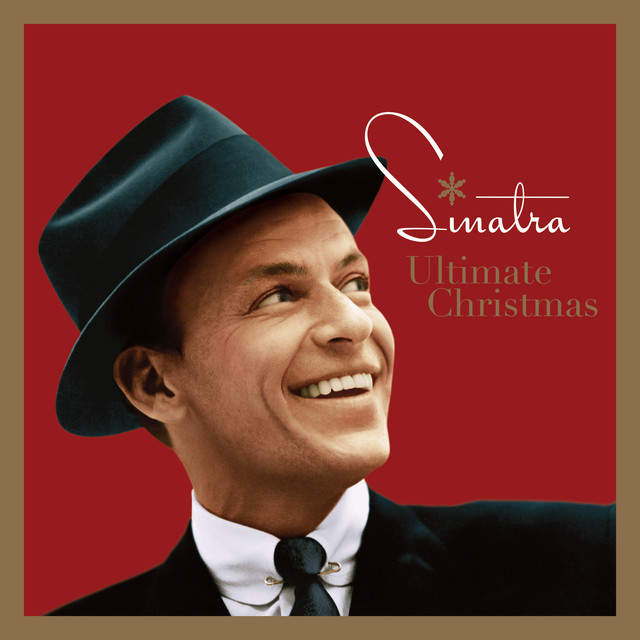
Ultimate Christmas
Frank Sinatra
Big Band
Vocal Jazz
Adult Standards
2015
4
/5
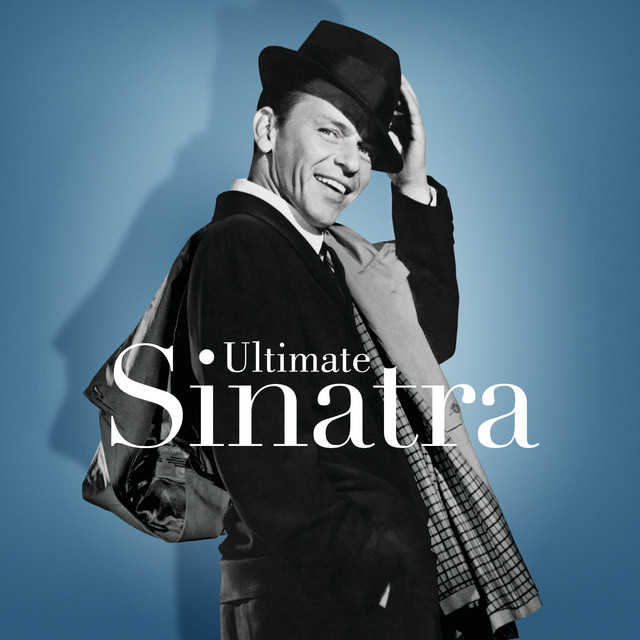
Ultimate Sinatra
Frank Sinatra
Big Band
2015
The Complete Hits 1943-62
Frank Sinatra
Standards
Traditional Pop
Vocal Jazz
2014
Close To You And More
Frank Sinatra, Nelson Riddle, The Hollywood String Quartet
Standards
Vocal Jazz
2012
3
/5
Evr’y Time We Say Goodbye - All-Time Romantic Duets
Ray Charles
Piano Blues
Jazz Blues
Classic Soul
2008
4
/5
Nothing But The Best (Remastered)
Frank Sinatra
Big Band
Vocal Jazz
Adult Standards
2005
3
/5
The Essential Frank Sinatra with the Tommy Dorsey Orchestra (with Frank Sinatra)
Tommy Dorsey
Tin Pan Alley
Jazz
Swing
2005
Collections
Frank Sinatra
Standards
Traditional Pop
Vocal Jazz
2004
Time After Time
Frank Sinatra
Standards
Traditional Pop
Vocal Jazz
2000
The Unique
Frank Sinatra
Standards
Traditional Pop
Vocal Jazz
1999
Frank Sinatra Sings Sy Oliver Arrangements
Frank Sinatra
Standards
Traditional Pop
Vocal Jazz
1998
Frank Sinatra - Legend Vocal Gold Series
Frank Sinatra
Standards
Traditional Pop
Vocal Jazz
1994
4
/5
Christmas Songs by Sinatra
Frank Sinatra
Big Band
Christmas Music
Jazz
1994
3
/5
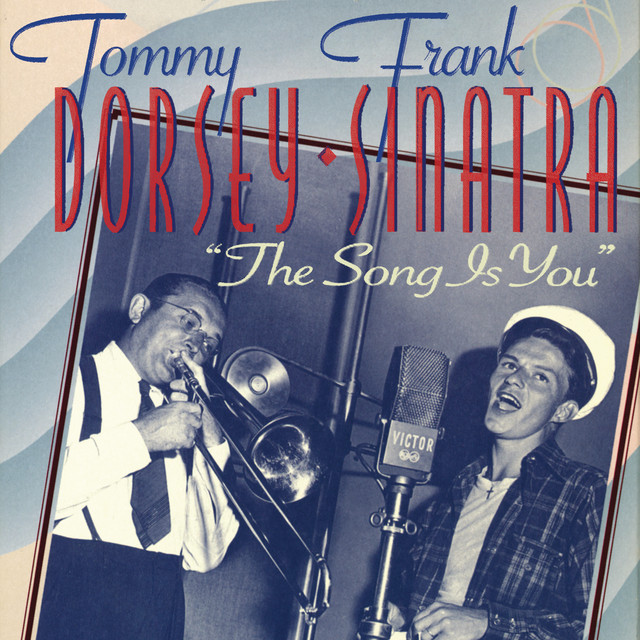
The Song Is You
Tommy Dorsey
Tin Pan Alley
Easy Listening
Jazz
1993
Duets
Frank Sinatra
Easy Listening
Jazz
Vocal Jazz
1987
Hello Young Lovers
Frank Sinatra
Standards
Traditional Pop
Vocal Jazz
1984
L.A. Is My Lady
Frank Sinatra with Quincy Jones and His Orchestra
Big Band
Easy Listening
Jazz
1981
She Shot Me Down
Frank Sinatra
Big Band
Jazz
Soul
1981
It Happened in Brooklyn (Original Motion Picture Soundtrack)
Frank Sinatra / Kathryn Grayson / Peter Lawford / Jimmy Durante
Jazz
1980
4
/5
Trilogy: Past, Present & Future
Frank Sinatra
Show Tunes
Musical Theatre And Entertainment
Easy Listening
1979
Anchors Aweigh
Frank Sinatra, Gene Kelly, Kathryn Grayson, Jose Iturbi
Classical
Jazz
1974
Some Nice Things I’ve Missed
Frank Sinatra
Baroque Pop
Jazz
Traditional Pop
1973
Ol’ Blue Eyes Is Back
Frank Sinatra
Baroque Pop
Jazz
Traditional Pop
1971
Sinatra & Company
Frank Sinatra
Bossa Nova
Jazz
Lounge
1970
2
/5
Watertown
Frank Sinatra
Traditional Pop
Baroque Pop
Art Pop
1969
A Man Alone & Other Songs of Rod McKuen
Frank Sinatra
Baroque Pop
Easy Listening
Jazz
1969
My Way
Frank Sinatra
Jazz
Pop
Traditional Pop
1968
Cycles
Frank Sinatra
Baroque Pop
Jazz
Traditional Pop
1967
Francis Albert Sinatra & Antônio Carlos Jobim
Francis Albert Sinatra & Antônio Carlos Jobim
Bossa Nova
Jazz
Vocal Jazz
1967
Francis A. & Edward K.
Frank Sinatra with Duke Ellington
Big Band
Jazz
Vocal Jazz
1967
4
/5
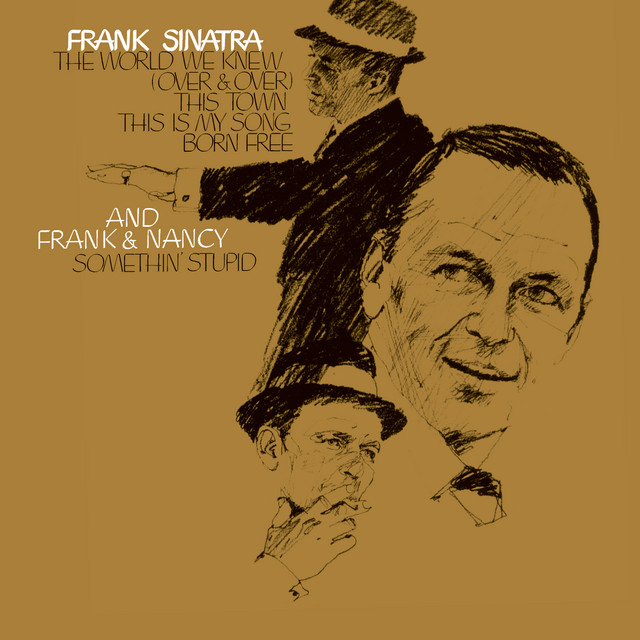
The World We Knew
Frank Sinatra
Big Band
Jazz
Traditional Pop
1966
That’s Life
Frank Sinatra
Jazz
Pop
Traditional Pop
1966
Moonlight Sinatra
Frank Sinatra
Big Band
Jazz
Pop
1966
Strangers in the Night
Frank Sinatra
Easy Listening
Jazz
Pop
1965
A Man and His Music
Frank Sinatra
Jazz
Traditional Pop
Vocal Jazz
1965
3
/5
September of My Years
Frank Sinatra
Standards
Traditional Pop
Jazz
1964
It Might as Well Be Swing
Frank Sinatra, Count Basie And His Orchestra
Jazz
Swing
Vocal Jazz
1964
12 Songs of Christmas
Bing Crosby, Frank Sinatra, Fred Waring and the Pennsylvanians
Christmas Music
Jazz
Pop
1964
Frank Sinatra Sings Days of Wine and Roses, Moon River and Other Academy Award Winners
Frank Sinatra
Easy Listening
Jazz
Vocal Jazz
1964
America I Hear You Singing
Frank Sinatra, Bing Crosby, Fred Waring & His Pennsylvanians
Easy Listening
Jazz
Traditional Pop
1963
The Concert Sinatra
Frank Sinatra
Jazz
Traditional Pop
Vocal Jazz
1963
Sinatra’s Sinatra
Frank Sinatra
Jazz
Traditional Pop
Vocal Jazz
1963
Tommy Dorsey and His Orchestra featuring Frank Sinatra
Tommy Dorsey and His Orchestra featuring Frank Sinatra
Ballad
Big Band
Easy Listening
1962
2
/5
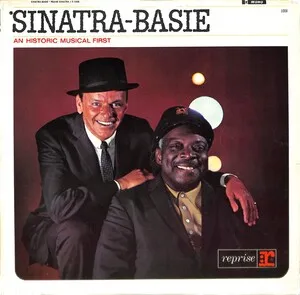
Sinatra-Basie
Frank Sinatra & Count Basie
Swing
Standards
Traditional Pop
1962
Point of No Return
Frank Sinatra, arranged and conducted by Axel Stordahl
Jazz
Pop
Standards
1962
All Alone
Frank Sinatra
Big Band
Jazz
Pop
1962
Sinatra & Strings
Frank Sinatra
Ballad
Jazz
Vocal Jazz
1962
Sinatra Sings Great Songs From Great Britain
Frank Sinatra
Ballad
Jazz
Pop
1962
3
/5
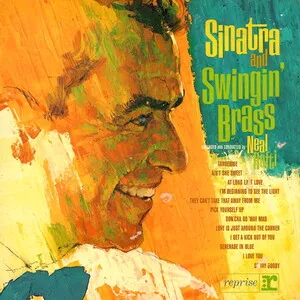
Sinatra and Swingin' Brass
Frank Sinatra
Swing
Jazz
Vocal Jazz
1961
Swing Along With Me
Frank Sinatra
Jazz
Pop
Swing
1961
Conducts Music From Pictures and Plays
Frank Sinatra
Easy Listening
Jazz
Pop
1961
I Remember Tommy
Frank Sinatra
Big Band
Jazz
Standards
1961
4
/5
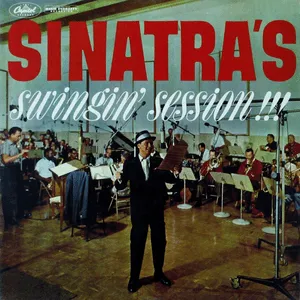
Sinatra's Swingin' Session!!!
Frank Sinatra
Standards
Swing
Vocal Jazz
1961
3
/5
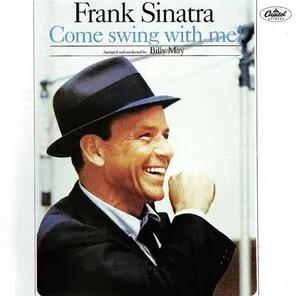
Come Swing With Me!
Frank Sinatra
Swing
Big Band
Jazz
1960
3
/5
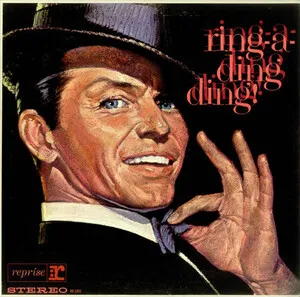
Ring-A-Ding Ding!
Frank Sinatra
Swing
Jazz
Standards
1960
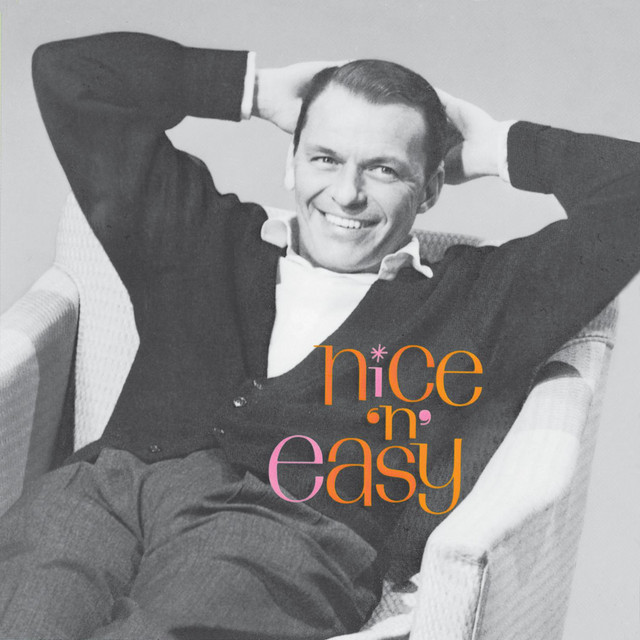
Nice ’n’ Easy
Frank Sinatra
Jazz
Standards
Vocal Jazz
1960
4
/5
Nice 'n' Easy (Remastered)
Frank Sinatra
Big Band
1959
No One Cares
Frank Sinatra, orchestra conducted by Gordon Jenkins
Jazz
Pop
Vocal Jazz
1959
Come Dance With Me!
Frank Sinatra with Billy May and His Orchestra
Big Band
Jazz
Vocal Jazz
Similar artists
4
/5
Ella Fitzgerald
Vocal Jazz
Swing
Standards
4
/5
Louis Armstrong
Dixieland
Harlem Renaissance
Jazz Trumpet
4
/5
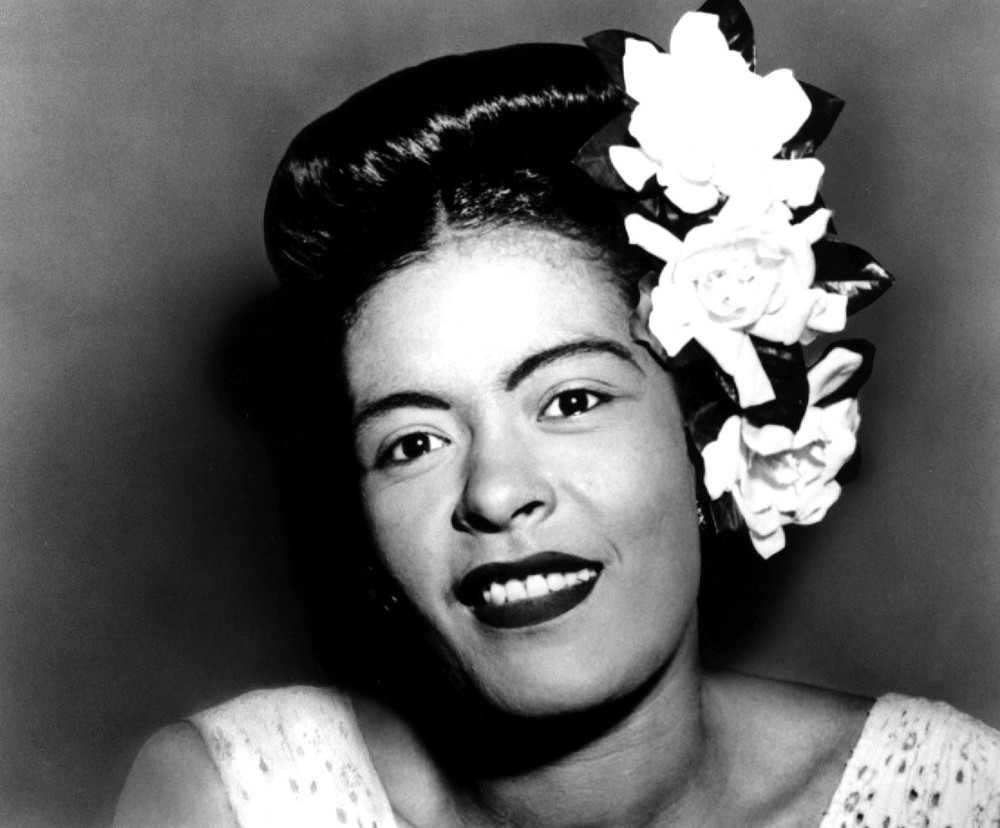
Billie Holiday
Harlem Renaissance
Jazz
Swing
4
/5
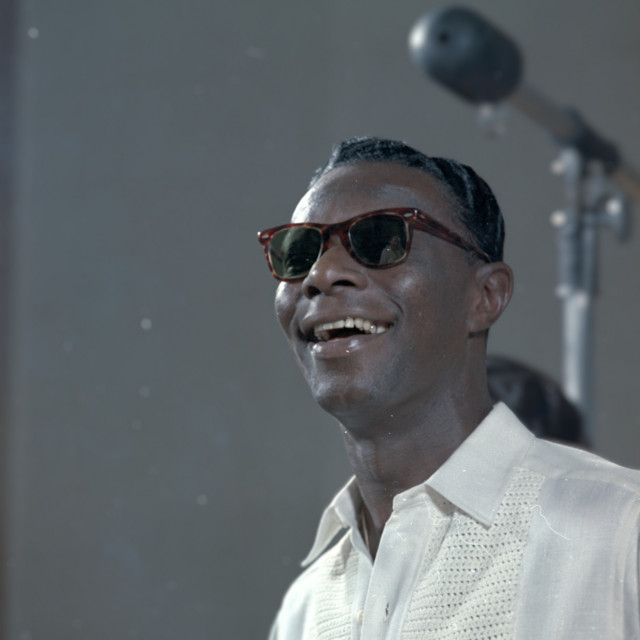
Nat King Cole
Swing
Vocal Jazz
Adult Standards
4
/5
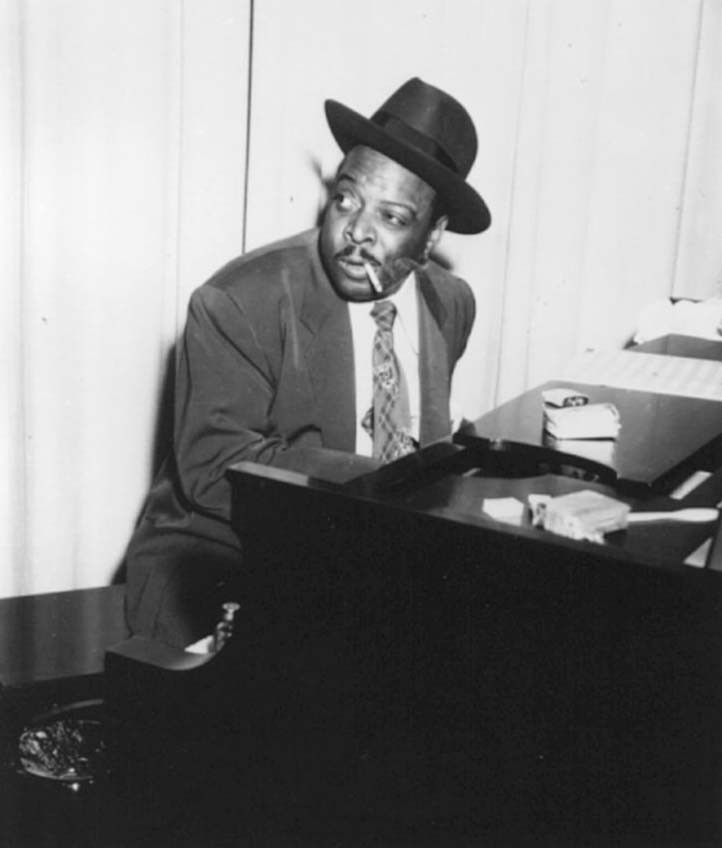
Count Basie
Harlem Renaissance
Swing
Jazz
4
/5
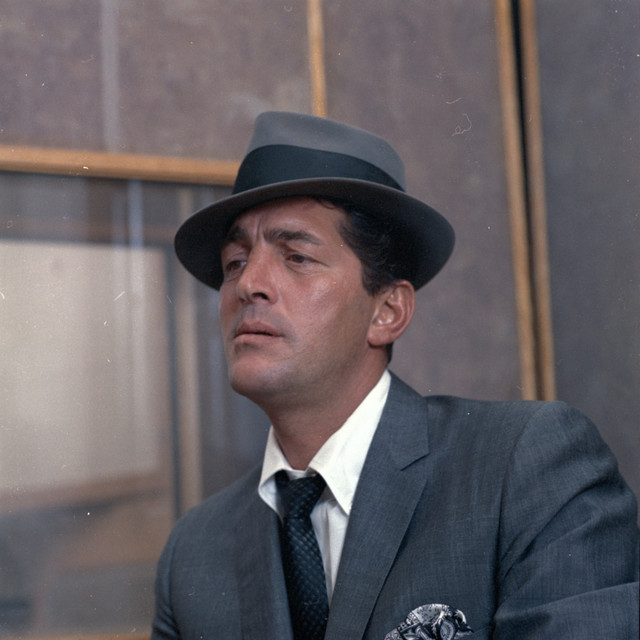
Dean Martin
Big Band
Easy Listening
Adult Standards
4
/5
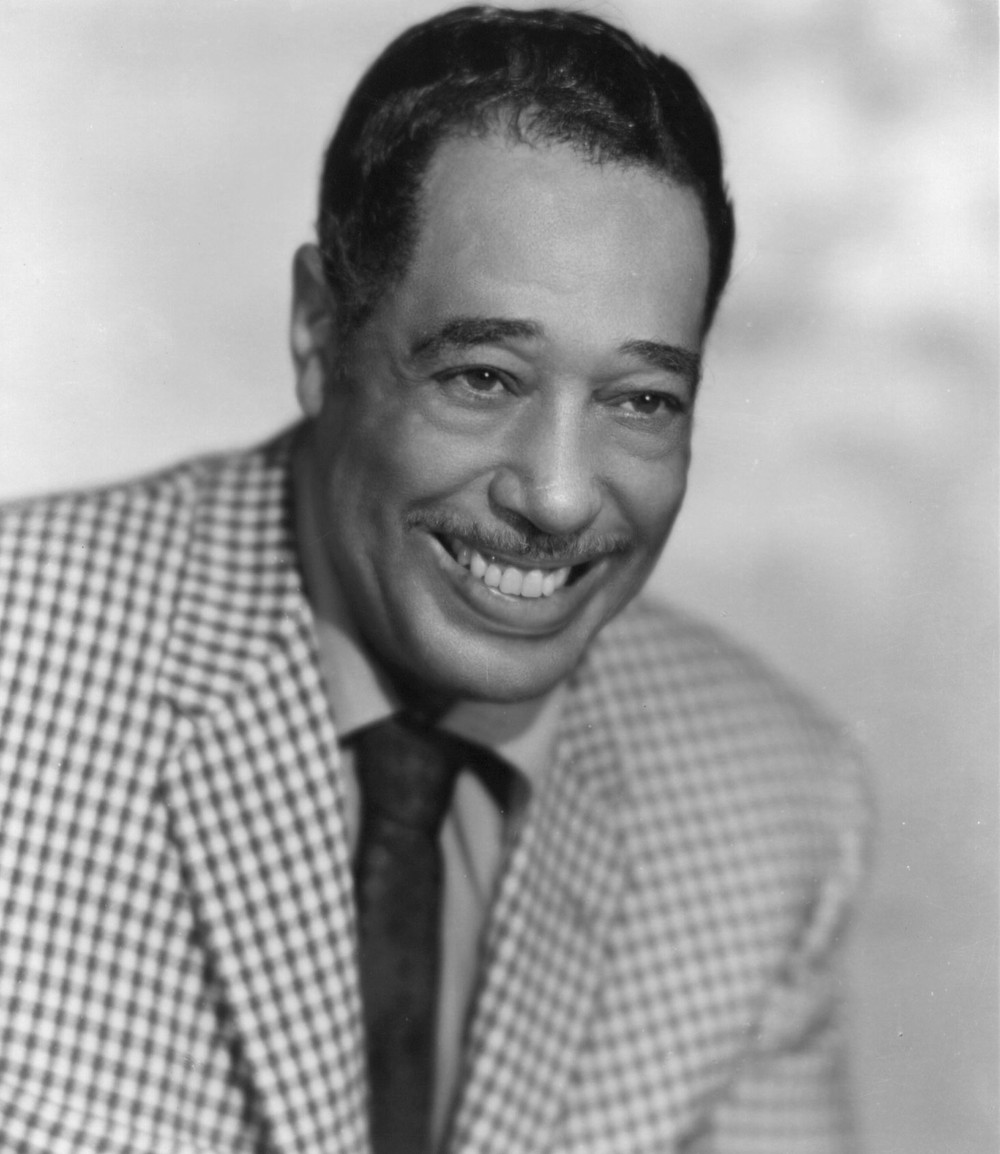
Duke Ellington
Big Band
Swing
Jazz
1
/5
Various Artists
Afro-Funk
Alternative Rock
Ambient
4
/5
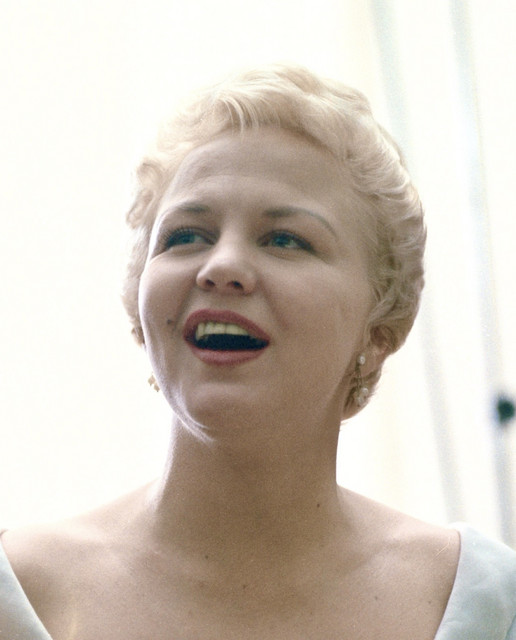
Peggy Lee
Big Band
Vocal Jazz
Jazz
2
/5
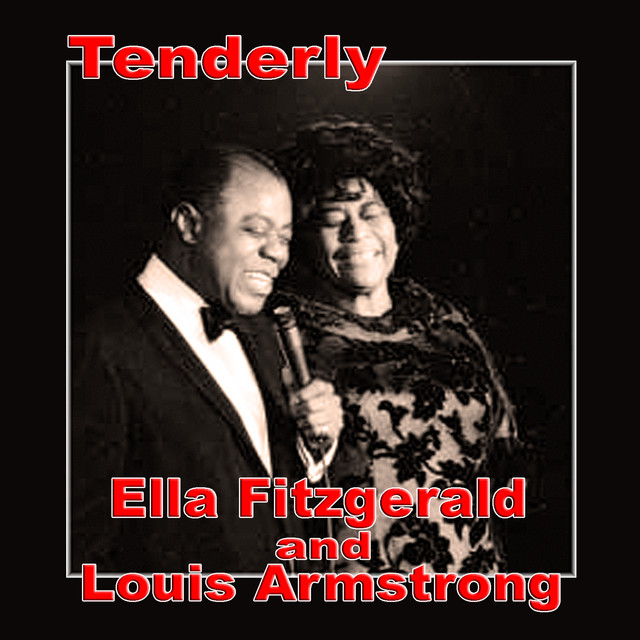
Ella Fitzgerald & Louis Armstrong
Vocal Jazz
Big Band
Jazz
Download our mobile app
Get the Melodigging app and start digging for new genres on the go
Download on the App Store
Get it on Google Play
© 2026 Melodigging
Give feedback
Legal
Melodding was created as a tribute to
Every Noise at Once
, which inspired us to help curious minds keep digging into music's ever-evolving genres.