Genres
Artists
Albums
Make Music
Sign in
Sign in
Artists
Progressive Metal
Artists
Progressive Metal
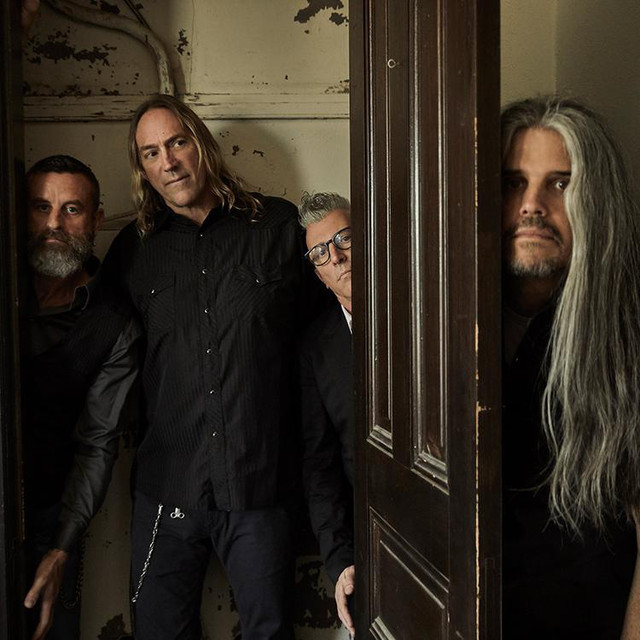
TOOL
1992–2022
·
8 albums
Listen
4
/5
Genres
Zoomergaze
Zoomergaze is a Gen Z, internet-native evolution of shoegaze that fuses the genre’s dense, guitar-washed textures with hyperpop/digicore maximalism and modern trap/emo-rap rhythm programming. It favors blown‑out saturation, brickwalled dynamics, digital clipping, and wide stereo fields, often pairing jet‑engine guitars with 808 subs, jittery hi‑hats, breakbeat flourishes, and intimate, lightly Auto‑Tuned vocals. The mood leans dreamy yet emotionally raw—nostalgic, melancholic, and diaristic—delivered through DIY production that thrives on Bandcamp, SoundCloud, and TikTok discovery. Where classic shoegaze hid the singer in the mix, Zoomergaze keeps the voice present and personal, weaving confessional hooks into shimmering noise and glitchy, internet-era sound design.
Discover
Listen
Grunge Revival
Grunge revival is a 21st‑century return to the gritty guitar tones, loud‑quiet‑loud dynamics, and confessional angst of late‑1980s/1990s grunge, reinterpreted by younger bands raised on streaming and DIY scenes. Where classic grunge fused punk urgency with Sabbath‑weight riffing and alternative rock hooks, grunge revival keeps the fuzzy, drop‑tuned power‑chord churn, slack‑jawed melodicism, and cathartic screams, but updates production (clearer lows, tighter drums) and broadens the palette with indie rock, shoegaze, and noise‑rock textures. Lyrics commonly tackle alienation, anxiety, small‑town ennui, and digital‑age overload, often through vivid everyday imagery. The result is music that feels both nostalgic and current: hooky but heavy, raw yet crafted, and emotionally direct.
Discover
Listen
Indian Indie
Indian indie is the umbrella for independent, non-film music made in India across languages such as Hindi, English, and numerous regional tongues. It is defined more by its DIY production and artist-led release model than by a single sound. Musically, it spans indie pop and rock, folk-fusion, singer‑songwriter ballads, dream‑pop/shoegaze textures, and electronic‑leaning productions. Artists often blend Western harmony and song forms with raga‑tinged melodies, Indian rhythmic feels, and occasional use of traditional instruments like tabla, bansuri, or sitar. The scene grew rapidly with college festivals, small venues, and digital platforms (YouTube, streaming services, Bandcamp), plus boutique labels and festivals such as NH7 Weekender that created national visibility. Lyrically, it tends to be intimate and contemporary—touching on romance, urban life, identity, and nostalgia—while maintaining accessible hooks and warm, organic sonics.
Discover
Listen
Nu-Metalcore
Nu‑metalcore (often nicknamed "nu‑core") blends the bounce, hip‑hop inflections, and downtuned groove of late‑1990s nu metal with the breakdown‑heavy aggression and precise syncopation of 2000s metalcore. Expect sharply gated, low‑tuned riffs, halftime drops, and elastic grooves that swing between punchy chugs and percussive, djent‑like accents. Vocals typically jump from harsh screams and pitched‑down growls to rap‑leaning cadences and hooky, melodic choruses. Electronic textures—turntable cuts, glitch edits, sub‑drops, and 808 layers—are common, supporting a glossy yet crushing modern production aesthetic. Lyrically, the style carries nu metal’s confessional angst and social frustration while adopting metalcore’s cathartic intensity and mosh‑centric energy. The result is a contemporary, club‑ready heaviness that feels both nostalgic and forward‑looking.
Discover
Listen
Rap Metalcore
Rap metalcore is a hybrid style that fuses the rhythmic, lyrical flow of hip hop with the high-gain guitars, breakdowns, and screamed/sung hooks of metalcore. Compared to 1990s rap metal and nu metal, it keeps metalcore’s tighter, modern low-tuned riffing, double-time drumming, and cathartic breakdown structures, while foregrounding MC-style verses, rhyme schemes, and hip‑hop cadences. Production often blends live drums with programmed elements (808 subs, trap hats) and layers percussive, djent-leaning guitar chugs under rapped verses, then explodes into screamed or anthemic sung choruses. Lyrical themes span personal struggle, social commentary, resilience, and identity, delivered with a mix of rap’s directness and metalcore’s emotive intensity.
Discover
Listen
Spacegrunge
Spacegrunge is a modern hybrid that fuses the serrated, riff‑driven power of 1990s grunge with the expansive ambience of space rock and the hazy textures of shoegaze. It typically features heavy, detuned guitars wrapped in delay, reverb, and chorus; muscular, driving basslines; and roomy, mid‑tempo drums that swing between soft‑loud dynamics and tidal crescendos. Vocals often sit slightly submerged in the mix, conveying themes of cosmic isolation, nostalgia, and interior reflection. While rooted in alt‑rock songcraft, spacegrunge widens the sonic field with drones, synth pads, and atmospheric interludes, creating a sense of lift‑off without abandoning the grit and immediacy of guitar music.
Discover
Listen
Thall
Thall is a hyper-percussive, ultra–low-tuned offshoot of djent and progressive metal popularized by Sweden’s Vildhjarta. The style emphasizes tightly gated, staccato down‑picking; dissonant chord voicings; and lurching, polymetric grooves that drop into sudden rests and accents. Characteristic techniques include rapid release bends, stark contrasts between pitch‑shifted highs and subterranean lows, and the use of lush, reverb‑heavy ambient interludes to heighten tension and reset the ear before the next rhythmic assault. The result is a sound that feels both mechanical and cinematic—aggressive yet spacious.
Discover
Listen
Soundclown
Soundclown is an internet-born remix and mashup style that thrives on comedic juxtaposition, bait‑and‑switch reveals, and hyper-referential sample collage. It blends pop hits, game and cartoon music, ad jingles, meme sounds, and viral speech into quick-cut audio gags. The genre developed across YouTube and SoundCloud, favoring shock humor, nostalgia, and absurdity over traditional song form. Hallmarks include sudden key/tempo whiplash, exaggerated pitch-shifts, ear‑rending “earrape” peaks, and punchline drops that transform a familiar source into something hilariously incongruent. Because it is fundamentally platform-native, soundclown is as much a memetic editing culture as a musical style. Its tracks often function like sonic shitposts: fast, punchy, and built for instant recognition and shareability.
Discover
Listen
The Wave
The Wave is a loosely defined cluster of American post-hardcore/emo bands that surged in the early 2010s as emo-pop’s mainstream moment faded. The name was a tongue‑in‑cheek scene tag that stuck in press coverage, but it points to a real overlap in sound, ethos, and touring networks. Musically, The Wave fuses the urgency of 1990s post‑hardcore and screamo with confessional, literate lyric writing associated with emo. Expect shouted or half‑sung/half‑spoken vocals, dynamic quiet‑loud builds, intricate but driving drums, and guitar textures that shift between glassy clean arpeggios and overdriven, emotive climaxes. The songs often emphasize catharsis, narrative detail, and community-minded DIY presentation.
Discover
Listen
Bossbeat
Bossbeat is an internet‑born, high‑octane branch of EDM tailored to evoke the intensity of a video‑game “boss fight.” Producers fuse modern dubstep and trap sound design with melodic, leitmotif‑driven writing borrowed from video game music and film scoring, aiming for cinematic build‑ups and explosive, riff‑like drops. Characteristic features include minor‑key motifs, fast and syncopated percussion, halftime switch‑ups, aggressive bass design (growls, reeses, metallic FM), and hybrid orchestral layers (brass stabs, choirs, epic drums). The result is music that feels both dance‑floor ready and narratively dramatic—perfect for action montages, game content, and creator culture.
Discover
Listen
Classify
Classify is a streaming-era microgenre that blends light classical technique with contemporary pop repertoire, typically presented as unobtrusive instrumental covers. It prioritizes soft dynamics, gentle tempos, and intimate recording to create a calm, elegant backdrop suitable for studying, working, or events. Most arrangements are for solo piano, string quartet, cello/piano duos, or small chamber ensembles. Harmonies remain diatonic and consonant, melodies are clearly voiced, and textures favor arpeggios, ostinati, and sustained legato lines. The overall aesthetic borrows from modern classical and new age moods while retaining the familiarity of pop song forms.
Discover
Listen
Escape Room
Escape room is a data-driven label popularized by Spotify to cluster artists who blur lines between alternative R&B, experimental pop, left-field hip hop, and cutting‑edge club/electronic production. Rather than a strict set of musical rules, it signals a sound defined by textural minimalism, sub‑heavy and off‑kilter rhythms, intimate vocal delivery (often breathy or ASMR-adjacent), and a strong emphasis on sound design and negative space. Songs frequently juxtapose glossy melodies with abrasive or deconstructed percussive layers, creating a stylish, future‑leaning mood that resists easy categorization. The name is unrelated to physical puzzle rooms; instead, it marks music that “escapes” legacy genre boxes while remaining pop‑adjacent and internet‑native in aesthetics and distribution.
Discover
Listen
New Isolationism
New isolationism is a contemporary strain of isolationist ambient and post-industrial minimalism that emerged in the 2010s, particularly around Scandinavian experimental labels and studios. It foregrounds intimate, close-mic’d sound, negative space, and a quiet-but-present noise floor; its pieces feel both internal and architectural, like rooms built from reverb tails, tape hiss, and soft electronics. Sonically, the style blends glacial drones, fragile chamber timbres (strings, organ, piano), lo‑fi electronics, and field recordings into stark, slow-evolving tableaux. Melodic information is sparse—often only a few tones or gestures—while rhythm is either absent or reduced to distant pulses, heartbeats, or mechanical cycles. Vocals, when they appear, are murmured, diaristic, or abstracted by pitch and time manipulation. Aesthetically, new isolationism is post‑internet and diaristic: it captures solitude, memory, and dislocation with a palette that feels personal yet estranged, drawing as much from contemporary gallery sound practice as from classic dark ambient.
Discover
Listen
Post-Grunge
Post-grunge is a radio-friendly evolution of grunge that retains distorted guitars and introspective themes while streamlining song structures, smoothing rough edges, and emphasizing big, anthemic choruses. It shifts the raw abrasion and anti-commercial stance of early-1990s grunge toward a more polished, hook-driven sound suited to mainstream rock and adult-alternative formats. The style typically features mid-tempo grooves, muscular yet clean production, vowel-forward baritone or tenor vocals, and lyrics that universalize angst, resilience, and everyday struggle. Where grunge leaned noisy and cathartic, post-grunge prioritizes clarity, melody, and arena-scale dynamics.
Discover
Listen
Nu Metal
Nu metal is a hybrid style that fuses the weight and riff-centric attack of heavy metal with hip‑hop rhythms, turntablism, funk bounce, and the angst‑laden melodicism of alternative rock. It favors down‑tuned, percussive guitar work, punchy bass lines, and groove‑heavy drum patterns over extended solos. Vocals often switch rapidly between rapped verses, shouted/screamed passages, and soaring melodic choruses. Production tends to be glossy yet bass‑forward, frequently incorporating DJ scratches, samples, electronic textures, and syncopated, hip‑hop‑influenced beats. Lyrical themes commonly explore alienation, trauma, social pressure, and catharsis. The result is an accessible but aggressive sound that emphasizes groove, dynamics, and hook‑writing as much as heaviness.
Discover
Listen
Progressive Metal
Progressive metal blends the ambition and extended song forms of progressive rock with the heaviness, timbre, and energy of heavy metal. It is characterized by complex arrangements, frequent time‑signature changes, virtuosic instrumental passages, thematic or concept‑driven albums, and a wide dynamic range from delicate, atmospheric sections to aggressive, high‑gain climaxes. Harmonically it draws on modal interchange, chromatic voice‑leading, and jazz‑fusion colors, while rhythmically it favors polymeters, polyrhythms, and metric modulation. Keyboards and layered production often add orchestral or cinematic scope.
Discover
Listen
Alternative Metal
Alternative metal blends the weight and riff-centric power of heavy metal with the experimentation, attitude, and sonic breadth of alternative rock. It favors downtuned guitars, groove-forward rhythm sections, dynamic shifts between quiet and loud passages, and a wide stylistic toolkit that can include funk syncopation, industrial textures, noise rock abrasion, and even hip-hop cadences. Vocals range from melodic crooning to aggressive shouts and screams; song forms often depart from standard verse–chorus structures in favor of unpredictable builds, angular bridges, and atmospheric interludes. Harmonically, it leans on modal colors (Aeolian, Dorian, Phrygian), dissonant intervals, and chromatic motion, while production choices highlight contrast—thick guitar layers set against open space, clean arpeggios against crushing walls of sound, and organic performances enhanced by creative effects.
Discover
Listen
Alternative Rock
Alternative rock is a broad umbrella for guitar-based rock that emerged from the independent and college-radio scenes as a counterpoint to mainstream, commercial rock. It blends the energy and ethos of punk with the textural and songwriting experiments of post-punk, new wave, jangle pop, and noise rock, often foregrounding introspective or socially aware lyrics. Across its many strains—from the melodic minimalism of college rock to the loud-quiet-loud dynamics of grunge and the artful experimentation of Radiohead-era modernism—alternative rock prioritizes authenticity, sonic individuality, and a do-it-yourself approach. Its sound ranges from chiming, chorus-laden clean guitars to abrasive distortion and feedback, supported by straightforward rock rhythms or off-kilter grooves, and production that can be either raw and live-sounding or polished yet unconventional.
Discover
Listen
Metal
Metal (often used to mean heavy metal in its broad, umbrella sense) is a loud, guitar-driven style of rock defined by high-gain distortion, emphatic and often martial rhythms, and a dense, powerful low end. It foregrounds riff-based songwriting, dramatic dynamics, virtuosic guitar solos, and commanding vocals that range from melodic wails to aggressive snarls and growls. Harmonically, metal favors minor modes, modal color (Aeolian, Phrygian), chromaticism, and tritone-inflected tension, while thematically it explores power, mythology, the occult, social critique, fantasy, and existential subjects. While adjacent to hard rock, metal typically pushes amplification, distortion, precision, and thematic intensity further, forming a foundation for many specialized subgenres.
Discover
Listen
Heavy Metal
Heavy metal is a loud, guitar-driven style of rock defined by heavily distorted riffs, thunderous drums, and powerful vocals. Its musical language emphasizes minor modes, modal (Aeolian, Phrygian) riffing, and energy over groove, often featuring virtuosic guitar solos and dramatic dynamic contrasts. Emerging from late-1960s blues rock and psychedelic experimentation, heavy metal codified a darker, heavier sound with bands like Black Sabbath, Deep Purple, and Led Zeppelin. The genre values weight, intensity, and grandeur—whether through plodding, doom-laden tempos or galloping, high-energy rhythms—paired with themes that range from personal struggle and social critique to fantasy, mythology, and the occult.
Discover
Listen
Progressive Rock
Progressive rock is a rock subgenre that expands the genre’s formal, harmonic, and conceptual boundaries. It favors long-form compositions, intricate arrangements, and virtuosic musicianship, often drawing on Western classical, jazz, folk, and psychedelic idioms. Typical hallmarks include multi-part suites, shifting time signatures, extended instrumental passages, recurring motifs, and concept albums that present unified themes or narratives. The sound palette commonly features electric guitar, bass, and drums alongside an array of keyboards (Hammond organ, Mellotron, Moog/ARP synthesizers, piano), woodwinds or brass, and occasional orchestral additions. Lyrics often explore science fiction, mythology, philosophy, social commentary, and introspective themes.
Discover
Listen
Art Rock
Art rock is a branch of rock music that treats the studio and the album as spaces for artistic experimentation, emphasizing conceptual ideas, ambitious arrangements, and cross-pollination with modernist and avant-garde traditions. It typically favors extended song forms, thematic or conceptual unity, and non-standard instrumentation (strings, woodwinds, synthesizers) alongside rock’s core band setup. Lyrically, it leans toward literary, surreal, or philosophical subjects and often adopts theatrical presentation. Where mainstream rock centers on immediacy and hooks, art rock embraces risk: unusual time signatures, timbral exploration, complex harmony, tape and electronic manipulation, and interludes that draw from classical, jazz, minimalism, and experimental music.
Discover
Listen
Hard Rock
Hard rock is a loud, riff-driven style of rock music built around heavily amplified electric guitars, a powerful rhythm section, and assertive vocals. Songs typically center on memorable, blues-based guitar riffs, strong backbeats, and energetic, often shouted or belted choruses. The genre emphasizes power, groove, and visceral impact over intricate harmony or extended improvisation. Distortion, power chords, pentatonic melodies, and call‑and‑response between vocals and guitar are core traits, while lyrical themes often explore rebellion, lust, swagger, escape, and cathartic release.
Discover
Listen
Rock
Rock is a broad family of popular music centered on amplified instruments, a strong backbeat, and song forms that foreground riffs, choruses, and anthemic hooks. Emerging from mid‑20th‑century American styles like rhythm & blues, country, and gospel-inflected rock and roll, rock quickly expanded in scope—absorbing folk, blues, and psychedelic ideas—while shaping global youth culture. Core sonic markers include electric guitar (often overdriven), electric bass, drum kit emphasizing beats 2 and 4, and emotive lead vocals. Rock songs commonly use verse–chorus structures, blues-derived harmony, and memorable melodic motifs, ranging from intimate ballads to high‑energy, stadium‑sized performances.
Discover
Listen
Show all 24 genres
Albums
2022
3
/5
Opiate²
TOOL
Progressive Metal
Progressive Rock
Art Rock
2019
4
/5
Fear Inoculum
TOOL
Progressive Rock
Progressive Metal
Art Rock
2006
4
/5
10,000 Days
Tool
Progressive Rock
Progressive Metal
Alternative Metal
2001
4
/5
Lateralus
Tool
Progressive Metal
Alternative Metal
Progressive Rock
1996
4
/5
Ænima
Tool
Progressive Metal
Alternative Metal
Progressive Rock
1993
4
/5
Undertow
TOOL
Progressive Rock
Progressive Metal
Art Rock
1992
3
/5
Opiate
TOOL
Progressive Rock
Progressive Metal
Alternative Metal
Lateralus
Tool
Progressive Metal
Similar artists
5
/5
Avenged Sevenfold
Heavy Metal
Alternative Metal
Metal
4
/5
Sleep Token
Progressive Metal
Metalcore
Alternative Rock
3
/5
Soen
Progressive Rock
Progressive Metal
Djent
3
/5
Katatonia
Doom Metal
Gothic Metal
Alternative Metal
3
/5
Devin Townsend Project
Djent
Indian Indie
Metal
4
/5
Opeth
Death Metal
Progressive Death Metal
Progressive Metal
3
/5
Queensrÿche
Us Power Metal
Heavy Metal
Progressive Metal
4
/5
Gojira
French Death Metal
Progressive Groove Metal
Progressive Metal
4
/5
Mastodon
Sludge Metal
Progressive Metal
Stoner Metal
2
/5
IQ
Neo-Progressive Rock
Rock
Progressive Rock
Download our mobile app
Get the Melodigging app and start digging for new genres on the go
Download on the App Store
Get it on Google Play
© 2026 Melodigging
Give feedback
Legal
Melodding was created as a tribute to
Every Noise at Once
, which inspired us to help curious minds keep digging into music's ever-evolving genres.