Genres
Artists
Albums
Make Music
Sign in
Sign in
Artists
Nu Skool Breaks
Artists
Nu Skool Breaks
Tipper
1999–2022
·
13 albums
Listen
3
/5
Genres
Glitch Hop Edm
Glitch hop EDM is a bass-heavy, midtempo offshoot of glitch and hip-hop that adopts the large-scale sound design, drops, and festival-ready structures of contemporary EDM. It typically runs around 90–115 BPM with a swung or syncopated hip-hop groove, while employing stutter edits, tape stops, bitcrushing, buffer repeats, granular chops, and intricate automation to create the characteristic "glitched" feel. Tracks often feature thick, modulated basslines; punchy, off-kilter drums; chopped vocals and foley; and harmonies that borrow from jazz, funk, and soul, all arranged in EDM-style buildups and drops.
Discover
Listen
Neurohop
Neurohop is a bass music subgenre that fuses the intricate, high-tech sound design and tense atmospheres of neurofunk with the swagger, swing, and groove of hip hop and glitch-hop tempos. Typically sitting around 90–115 BPM (often felt as halftime), it emphasizes surgically sculpted mid-bass lines, resampled textures, and precision drum programming. The result is music that is simultaneously head‑nodding and highly technical, pairing hip hop’s rhythmic feel with the detailed modulation, movement, and spectral complexity associated with modern drum and bass and dubstep.
Discover
Listen
Psybass
Psybass (often written psy-bass) is a psychedelic bass-music style that blends the sound-design mentality of psytrance with the swagger and groove of modern bass genres. It typically runs at midtempo speeds, emphasizes hypnotic low-end movement, and layers kaleidoscopic textures over organic percussion and field recordings. Expect intricately modulated basslines, trippy FX, and elastic halftime rhythms. The mood ranges from shamanic and ceremonial to futuristic and glitchy, with arrangements that breathe—swelling from spacious, downtempo passages into dense, polyrhythmic climaxes. Tonally, psybass leans on modal and drone-like harmonies (Dorian, Phrygian, pentatonic colors) and often incorporates timbres from world instruments and nature recordings, while maintaining an unmistakably electronic, high-fidelity sheen.
Discover
Listen
Downtempo Bass
Downtempo bass is a modern electronic style that fuses the relaxed pacing and texture-first focus of downtempo with the sound‑design intensity and low‑frequency weight of contemporary bass music. Typically sitting around 70–100 BPM (or 140–200 BPM felt in halftime), it features sub‑heavy, sculpted bass lines, crisp but unhurried drums, and spacious, cinematic atmospheres. Producers draw from ambient pads, world/organic instrumentation, and field recordings, then anchor these timbres with dubstep‑informed subs, glitchy ear‑candy, and hip‑hop/halftime grooves. The result is music that can be both meditative and body‑moving: intimate in texture yet powerful on a sound system, equally at home in headphones, yoga/downtempo gatherings, and late‑night bass stages.
Discover
Listen
Experimental Bass
Experimental bass is a left‑field branch of contemporary bass music that prioritizes sound design, unusual rhythms, and non‑standard song structures over traditional drops and formulas. Built on cavernous sub‑bass and halftime grooves, it pulls equally from dubstep’s low‑end weight, glitch hop’s cut‑up editing, and IDM’s exploratory mindset. Producers lean into resampling, granular and FM synthesis, spectral processing, and heavy use of space (silence, gating, and extreme dynamics) to craft ultra-detailed, often psychedelic textures. The result is bass music that feels tactile and three‑dimensional: lurching grooves, asymmetrical motifs, and cinematic soundscapes that reward close listening while still moving a dancefloor.
Discover
Listen
Artcore
Artcore is a subgenre of hardcore techno that fuses high-BPM club energy with the orchestral colors and dramatic writing of cinematic classical music. Producers combine pounding four-on-the-floor kicks, breakbeats, and modern EDM sound design with strings, piano, choirs, and sweeping harmonic progressions. The result is a maximalist, emotive style: towering builds, through-composed sections, key changes, and leitmotifs are common, while supersaw leads, reese basses, and intricate percussion keep the dancefloor intensity. The sound took shape in Japan’s doujin and rhythm-game circles, but it has since spread globally among electronic musicians who favor epic, narrative arrangements.
Discover
Listen
Ghetto Funk
Ghetto funk is a mid‑tempo, breakbeat-driven style that fuses classic funk, soul, and disco samples with modern bass music sound design. It typically sits around 100–112 BPM and pairs swinging drum breaks with chunky, wobbling basslines and hip‑hop style vocal chops. Emerging from the UK’s breaks and nu‑funk scenes, the genre celebrates crate‑digging aesthetics—horn stabs, guitar licks, talkbox hooks—while using contemporary production tools like aggressive saturation, multiband compression, and LFO‑modulated bass. The result is party‑ready, DJ‑friendly tracks that feel both retro and fresh: the attitude of hip hop, the groove of funk, and the weight of modern bass music.
Discover
Listen
Hybrid Trap
Hybrid trap is an EDM subgenre that fuses Southern hip hop–derived trap rhythms and 808 low end with the sound-design intensity and drop-centric structure of dubstep and electro house. It typically runs at 75/150 BPM in a halftime feel, features skittering hi-hats and snare/clap hits on beat three, and pairs punchy 808 kick–sub combos with midrange growls, reese basses, screeches, and cinematic brass stabs. Producers lean heavily on modern synthesis, resampling, and aggressive processing (distortion, multiband compression, OTT) to craft dynamic, call-and-response drops suited to festival stages. Compared with “classic” EDM trap, hybrid trap places greater emphasis on dubstep-like bass design, complex fills, and theatrical builds, while retaining trap’s swaggering grooves and minimalistic, percussive motifs.
Discover
Listen
Organic Electronic
Organic electronic is a downtempo, groove‑driven branch of electronic music that blends acoustic and world instruments with modern production. Typically sitting around 100–115 BPM, it favors hand percussion, mallets, strings, winds, and field recordings over hard-edged drum machines. The result is a warm, tactile sound where shakers, frame drums, and ethnic instruments (such as oud, kora, saz, flutes, or kalimba) weave through gentle synth pads and understated basslines. Melodic language often leans on modal colors (Dorian, Phrygian, Mixolydian) and drone‑like sustains, creating a hypnotic, earthy atmosphere. Born from bohemian club culture and outdoor gatherings, the style emphasizes long, evolving arrangements, subtle crescendos, and humanized timing—music equally at home on intimate dancefloors, sunset sets, and mindful listening contexts.
Discover
Listen
Neurostep
Neurostep is a hybrid subgenre that merges the sound‑design intensity of neurofunk drum & bass with the halftime groove and weight of dubstep. Typically sitting around 140 BPM (sometimes 150), it emphasizes intricate, constantly morphing bass timbres, razor‑edged transients, and tightly engineered drops. Compared to classic dubstep, neurostep is less about sparse wobble basses and more about complex, resampled, FM/phase‑modulated bass layers that evolve bar by bar. The drums are punchy and surgical—kicks carve through dense low‑end, snares land hard on the third beat, and ghosted percussion and glitch fills keep momentum between phrases. Its overall aesthetic is dark, technical, and cinematic: dystopian atmospheres, granular textures, and call‑and‑response bass motifs are common, while breakdowns often showcase sound‑design detail and tension before a precision‑engineered drop.
Discover
Listen
Glitch Hop
Glitch hop blends the rhythmic foundations of hip hop with the sound-design ethos of glitch and IDM. It is characterized by half-time, head-nodding grooves, intricately edited drums, and meticulous digital processing such as stutter edits, bit-crushing, time-stretch artifacts, and granular slicing. Typically sitting around 80–110 BPM (often felt in half-time), the style emphasizes heavy, syncopated bass lines, swung percussion, and detailed micro-edits that create a "broken yet groovy" feel. While largely instrumental, it often incorporates vocal chops, turntable scratches, and foley textures to add human feel and narrative color.
Discover
Listen
Nu Skool Breaks
Nu skool breaks (often shortened to "nu breaks") is a late-1990s/early-2000s evolution of breakbeat that emphasizes tight, futuristic sound design, heavy sub-bass, and punchy, syncopated drum programming. Compared to big beat’s sample-heavy, rock-influenced swagger, nu skool breaks is cleaner, more club-focused, and more tech-driven. Tracks typically run around 125–135 BPM, feature rolling breakbeats and crisp percussion, and blend influences from techno, electro, house, hip hop, and Miami/Florida breaks. The result is dancefloor-primed music with a strong low-end, sculpted midrange, and sleek, modern aesthetics. Key labels and nights—such as Marine Parade, Finger Lickin’, TCR (Thursday Club Recordings), and Botchit & Scarper—helped codify the sound and push it globally during its peak in the early 2000s.
Discover
Listen
Downtempo
Downtempo is a mellow, groove-oriented branch of electronic music characterized by slower tempos, plush textures, and a focus on atmosphere over dancefloor intensity. Typical tempos range from about 60–110 BPM, with swung or laid-back rhythms, dub-informed basslines, and warm, jazz-tinged harmonies. Stylistically, it blends the spaciousness of ambient, the head-nodding rhythms of hip hop and breakbeat, and the cosmopolitan smoothness of lounge and acid jazz. Producers often use sampled drums, Rhodes or Wurlitzer electric pianos, guitar licks with delay, and field recordings to create intimate, cinematic soundscapes. The mood spans from soulful and romantic to introspective and dusk-lit, making it a staple of after-hours listening, cafes, and relaxed club back rooms.
Discover
Listen
Idm
IDM (often expanded as "Intelligent Dance Music") is a strand of experimental electronic music that applies the sound palette and production methods of club genres to listening-focused, often home-oriented works. It favors intricate rhythm programming, unusual time signatures, and richly textured sound design, blending ambient atmospheres with techno’s pulse, electro’s syncopation, and breakbeat’s fragmentation. The music often de-emphasizes the dancefloor in favor of headphone detail, algorithmic structure, and timbral exploration. The term itself is contentious—many artists rejected the "intelligent" label—yet it became a convenient tag for the early- to mid‑1990s cluster of Warp, Rephlex, and related scenes that foregrounded complexity, abstraction, and emotional ambiguity.
Discover
Listen
Glitch
Glitch is an experimental electronic music genre that foregrounds the sounds of technological error—digital clicks, pops, clipping, buffer underruns, CD skipping, software crashes, and bit‑reduction. Rather than hiding artifacts, producers use them as primary musical material, often arranged through extreme micro‑editing and non‑linear sequencing. Texturally, glitch spans austere minimalism to warm, hazy ambience. Rhythms tend to be fragmented and asymmetrical, with sudden cuts, stutters, and silences that create tension and negative space. The palette commonly includes sine‑tone grains, granular clouds, filtered noise, and hyper‑detailed percussive fragments, sometimes sitting over subdued drones or dub‑inflected low end. The style emerged in the late 1990s around labels such as Mille Plateaux, influenced by IDM, minimal techno, and the aesthetics of failure in digital media. It later permeated pop and beat‑driven styles through sound‑design techniques that evoke imperfection and transience.
Discover
Listen
Progressive Breaks
Progressive breaks is a melodic, atmospheric branch of breakbeat that applies the long-form arrangement, harmonic richness, and textural detail of progressive house and progressive trance to syncopated breakbeat rhythms. Typically in the 125–135 BPM range, it features wide stereo pads, evolving arpeggios, deep and warm basslines, and patient, DJ‑friendly builds. Rather than the raw, ravey edge of classic breaks or the gnarlier energy of nu skool breaks, progressive breaks prefers cinematic sound design, modal harmonies, and gradual tension-and-release across extended arrangements. The result is dancefloor music that feels transportive and emotive: rolling break patterns underpin soaring chords and motifs, with motifs introduced, developed, and recontextualized over many minutes.
Discover
Listen
Trip Hop
Trip hop is a downtempo, atmospheric fusion of hip hop rhythm and sampling techniques with the textures of dub, soul, jazz, and ambient music. Emerging from the Bristol scene in the early 1990s, it favors slow, head‑nodding breakbeats, deep bass, and cinematic sound design. The style is characterized by moody harmonies (often in minor keys), woozy tape- and vinyl-derived timbres, and liberal use of delay and reverb. Vocals frequently alternate between intimate, breathy singing and spoken word/rap, and lyrical themes tend toward noir, introspective, and melancholic subjects. Strings, Rhodes pianos, turntable scratches, and field recordings are common, creating a shadowy, filmic vibe.
Discover
Listen
Bass Music
Bass music is an umbrella category that emphasizes heavy, foregrounded low‑frequency content—whether a booming kick drum, a sub‑bassline, or both. It spans electronic dance music and hip hop lineages from the 1980s onward and is less about one fixed rhythm than about putting the bass spectrum at the center of the mix. Producers typically sculpt the bass using synthesizers, samplers, and drum machines—famously the Roland TR‑808—along with modern soft synths and sub‑enhancement tools. Because it is a broad label, bass music can range from half‑time hip hop swing to four‑on‑the‑floor house pulses and breakbeat frameworks, but in every case the arrangement, sound design, and mix are built to make the low end the driving force.
Discover
Listen
Ambient
Ambient is a form of electronic and electroacoustic music that prioritizes tone, atmosphere, and texture over conventional song structures and rhythmic drive. It typically features slow-moving harmonies, sustained drones, gentle timbral shifts, and extensive use of space and silence. Rather than drawing attention to itself through hooks or beats, ambient is designed to be as ignorable as it is interesting, rewarding both background listening and focused immersion. Artists often employ synthesizers, samplers, tape loops, field recordings, and subtle acoustic instruments, with reverb and delay creating a sense of place. Substyles range from luminous, consonant soundscapes to darker, more dissonant atmospheres.
Discover
Listen
Breakbeat
Breakbeat is a broad branch of electronic music defined by its use of broken, syncopated drum patterns ("breakbeats") rather than straight four-on-the-floor rhythms. Producers typically build tracks from looped and chopped drum breaks—often sampled from vintage funk, jazz, and R&B recordings—layered with basslines, synths, and effects. As both a production technique and a stylistic umbrella, breakbeat underpins and intersects with many scenes: from old‑school hip‑hop turntablism and electro to the UK rave continuum (breakbeat hardcore, big beat, Florida breaks) and onward to garage-derived styles. While not synonymous with jungle and drum & bass, the same culture of sampling and chopping classic breaks (e.g., the Amen break) helped inform those genres as well.
Discover
Listen
Experimental
Experimental music is an umbrella term for practices that prioritize exploration, process, and discovery over adherence to established genre norms. It embraces new sound sources, nonstandard tuning systems, indeterminacy and chance operations, graphic and open-form scores, extended techniques, and technology-led sound design (tape, electronics, computers, and live processing). Rather than a single style, it is a methodology and ethos: testing hypotheses about sound, structure, and performance, often blurring boundaries between composition, improvisation, sound art, and performance art. Listeners can expect unfamiliar timbres, unusual forms, and an emphasis on how music is made as much as the resulting sound.
Discover
Listen
Electronic
Electronic is a broad umbrella genre defined by the primary use of electronically generated or electronically processed sound. It encompasses music made with synthesizers, drum machines, samplers, computers, and studio/tape techniques, as well as electroacoustic manipulation of recorded or synthetic sources. The genre ranges from academic and experimental traditions to popular and dance-oriented forms. While its sonic palette is rooted in electricity and circuitry, its aesthetics span minimal and textural explorations, structured song forms, and beat-driven club permutations. Electronic emphasizes sound design, timbre, and studio-as-instrument practices as much as melody and harmony.
Discover
Listen
Show all 22 genres
Albums
2022
2
/5
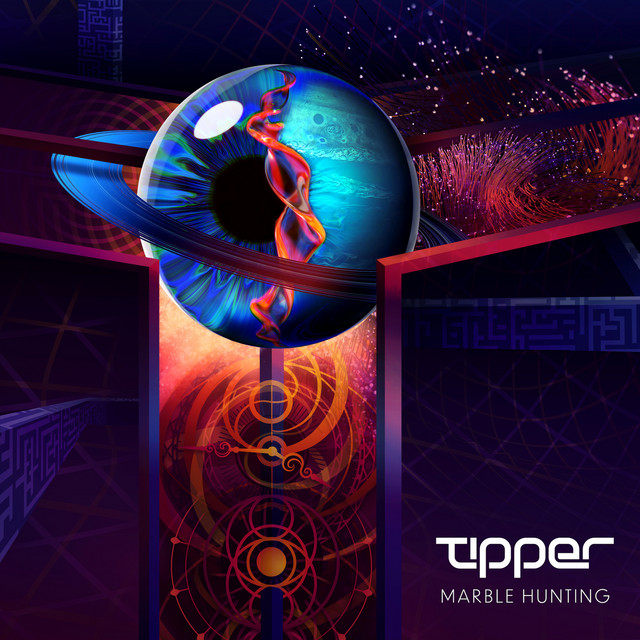
Marble Hunting
Tipper
Neurohop
Glitch Hop Edm
Nu Skool Breaks
2021
2
/5
Insolito
Tipper
Nu Skool Breaks
Electronic
2019
2
/5
Jettison Mind Hatch
Tipper
Nu Skool Breaks
2019
1
/5
Jettison Mind Hatch
Tipper
Neurohop
Glitch Hop Edm
Ambient
2014
1
/5
Forward Escape
Tipper
Glitch Hop Edm
2014
3
/5
Forward Escape
Tipper
Nu Skool Breaks
2010
2
/5
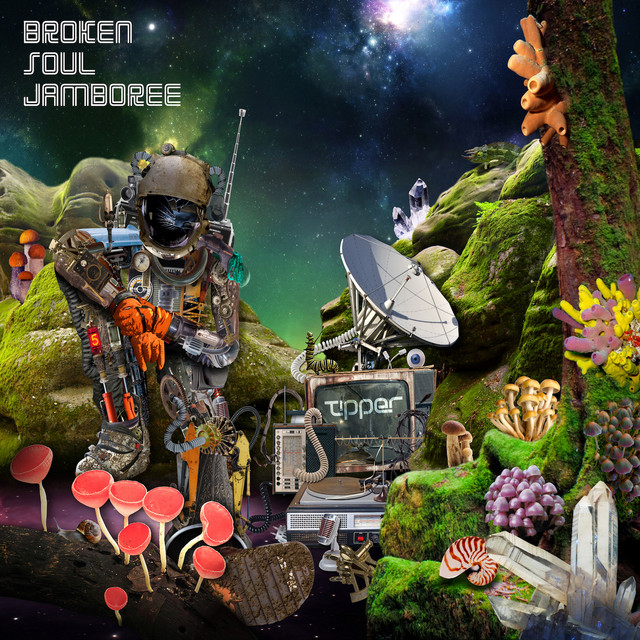
Broken Soul Jamboree
Tipper
Nu Skool Breaks
2010
1
/5
Broken Soul Jamboree
Tipper
Glitch Hop
2008
1
/5
Tertiary Noise
Tipper
Nu Skool Breaks
2006
2
/5
Relish the Trough
Tipper
Nu Skool Breaks
Progressive Breaks
2003
2
/5
Illabye (Single Version)
Tipper
Nu Skool Breaks
2001
2
/5
Holding Pattern
Tipper
Nu Skool Breaks
1999
1
/5
The Critical Path
Tipper
Nu Skool Breaks
Electronic
Experimental
Similar artists
1
/5
Various Artists
Afro-Funk
Alternative Rock
Ambient
4
/5
Groove Armada
Nu Skool Breaks
Big Beat
Electronic
4
/5
Boards of Canada
Downtempo
Electronic
Idm
2
/5
Casino Versus Japan
Ambient
Idm
Downtempo
2
/5
AES Dana
Ambient
Ambient Trance
Downtempo
2
/5
Banco De Gaia
Ambient
Ambient Trance
Downtempo
4
/5
C418
Ambient
Electronic
Idm
4
/5
Björk
Art Pop
Icelandic Experimental
Electronic
4
/5
Four Tet
Folktronica
Idm
Electronic
3
/5
Carbon Based Lifeforms
Ambient
Ambient Trance
Downtempo
Download our mobile app
Get the Melodigging app and start digging for new genres on the go
Download on the App Store
Get it on Google Play
© 2026 Melodigging
Give feedback
Legal
Melodding was created as a tribute to
Every Noise at Once
, which inspired us to help curious minds keep digging into music's ever-evolving genres.