Genres
Artists
Albums
Make Music
Sign in
Sign in
Artists
Punk
Artists
Punk
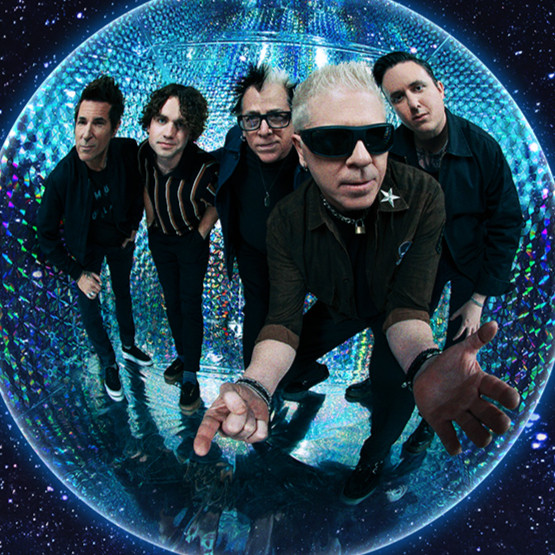
The Offspring
1989–2025
·
13 albums
Listen
4
/5
Genres
Pixie
Pixie is a Gen‑Z, internet‑native microgenre that sits at the bright, whimsical end of the hyperpop/digicore spectrum. It favors sparkling, “fairy‑like” sound design: glassy arpeggios, glittering supersaws, twinkling bells, and breathy, often pitched‑up or formant‑shifted vocals. Songs tend to be short and hook‑forward, balancing innocent, daydreamy textures with maximal drops and elastic rhythms. Lyrically it blends diaristic vulnerability, romance, and coming‑of‑age themes with online culture references and a playful sense of fantasy. Aesthetically, pixie borrows the cute/kawaii visual language (soft pastels, magical motifs) while keeping the DIY, Discord‑server ethos of the hyperpop underground. Production is fast, DAW‑focused (FL Studio/Ableton), and built for streaming, TikTok loops, and community playlists.
Discover
Listen
Rage
Rage is a high-energy, synth-forward trap production style characterized by bright, detuned supersaw leads, pounding 808s, and fast, looping drum patterns built for explosive rap performances. It emphasizes instant-impact hooks, minimal chord movement, and anthemic drops that feel closer to festival EDM crescendos than traditional hip hop breakdowns. The sound rose from the post–SoundCloud, punk-influenced branch of trap, drawing on the icy simplicity of Playboi Carti’s late-2010s palette and marrying it with trance/eurodance-styled leads and EDM trap dynamics. The result is a glossy, adrenalized bed for shouted, rebellious vocals—music designed for mosh pits, arena stages, and viral snippets alike.
Discover
Listen
Beats
Beats is a loose, producer-driven category for rhythm-forward instrumentals built around hip‑hop drum patterns without necessarily being rap songs or featuring vocals. It functions as an umbrella for stock, "type," and backing tracks used by rappers, singers, streamers, and content creators, spanning boom‑bap swing to trap hi‑hat grids and R&B‑leaning grooves. On streaming platforms it often appears as standalone instrumentals packaged by tempo, mood, or artist style (e.g., “trap type beat,” “R&B instrumental,” “club beat”), prioritizing portability and utility over artist identity. While rooted in hip‑hop production aesthetics—kicks, snares, 808s, chopped samples—Beats blends downtempo, electronic, and contemporary R&B sensibilities, aiming for clarity, loopability, and immediate vibe.
Discover
Listen
Soundclown
Soundclown is an internet-born remix and mashup style that thrives on comedic juxtaposition, bait‑and‑switch reveals, and hyper-referential sample collage. It blends pop hits, game and cartoon music, ad jingles, meme sounds, and viral speech into quick-cut audio gags. The genre developed across YouTube and SoundCloud, favoring shock humor, nostalgia, and absurdity over traditional song form. Hallmarks include sudden key/tempo whiplash, exaggerated pitch-shifts, ear‑rending “earrape” peaks, and punchline drops that transform a familiar source into something hilariously incongruent. Because it is fundamentally platform-native, soundclown is as much a memetic editing culture as a musical style. Its tracks often function like sonic shitposts: fast, punchy, and built for instant recognition and shareability.
Discover
Listen
Bossbeat
Bossbeat is an internet‑born, high‑octane branch of EDM tailored to evoke the intensity of a video‑game “boss fight.” Producers fuse modern dubstep and trap sound design with melodic, leitmotif‑driven writing borrowed from video game music and film scoring, aiming for cinematic build‑ups and explosive, riff‑like drops. Characteristic features include minor‑key motifs, fast and syncopated percussion, halftime switch‑ups, aggressive bass design (growls, reeses, metallic FM), and hybrid orchestral layers (brass stabs, choirs, epic drums). The result is music that feels both dance‑floor ready and narratively dramatic—perfect for action montages, game content, and creator culture.
Discover
Listen
Classify
Classify is a streaming-era microgenre that blends light classical technique with contemporary pop repertoire, typically presented as unobtrusive instrumental covers. It prioritizes soft dynamics, gentle tempos, and intimate recording to create a calm, elegant backdrop suitable for studying, working, or events. Most arrangements are for solo piano, string quartet, cello/piano duos, or small chamber ensembles. Harmonies remain diatonic and consonant, melodies are clearly voiced, and textures favor arpeggios, ostinati, and sustained legato lines. The overall aesthetic borrows from modern classical and new age moods while retaining the familiarity of pop song forms.
Discover
Listen
Modern Ska Punk
Modern ska punk is a 2010s–2020s reboot of ska’s off‑beat guitar “skank” and brass arrangements fused with pop‑punk hooks, hardcore energy, and contemporary indie/DIY production. It keeps Jamaican ska’s upstroke rhythm and walking bass feel, but toggles to double‑time punk beats and distortion for choruses, foregrounding big gang vocals and tightly voiced horn stabs. Culturally, the scene coalesced around inclusive, explicitly anti‑racist/anti‑sexist, queer‑affirming DIY communities (e.g., Bad Time Records), and a new crop of bands that treat ska not as nostalgia but as a flexible songwriting language. High‑profile signals of the revival included Jeff Rosenstock’s 2021 full‑album ska rework SKA DREAM, and We Are the Union’s Ordinary Life, a trans‑affirming, hook‑forward ska‑punk LP. The term “New Tone,” popularized by members of Bad Operation, captures a cleaner, roots‑aware but forward‑looking branch of the sound.
Discover
Listen
Otacore
Otacore is a fan-driven, internet-native umbrella for music centered on anime, manga, gaming, and broader otaku culture. Rather than a single strict musical style, it describes a cluster of scenes where pop, electronic, rock, and rap intersect with anime aesthetics, story tropes, and character/fandom references. Typical otacore repertoires include Vocaloid productions, anisong-style pop/rock, high-energy EDM with kawaii sound design, nightcore-style edits, game-inspired chiptune flourishes, and cover cultures (English/Japanese) tied to anime and game franchises. Distribution and discovery are powered by platforms such as Nico Nico Douga, YouTube, SoundCloud, streaming playlists, and later TikTok, where memeability, fan videos (AMVs), and vtuber performances help songs spread globally.
Discover
Listen
The Wave
The Wave is a loosely defined cluster of American post-hardcore/emo bands that surged in the early 2010s as emo-pop’s mainstream moment faded. The name was a tongue‑in‑cheek scene tag that stuck in press coverage, but it points to a real overlap in sound, ethos, and touring networks. Musically, The Wave fuses the urgency of 1990s post‑hardcore and screamo with confessional, literate lyric writing associated with emo. Expect shouted or half‑sung/half‑spoken vocals, dynamic quiet‑loud builds, intricate but driving drums, and guitar textures that shift between glassy clean arpeggios and overdriven, emotive climaxes. The songs often emphasize catharsis, narrative detail, and community-minded DIY presentation.
Discover
Listen
Bytebeat
Bytebeat is a minimalist form of algorithmic music in which very short computer programs (often a single arithmetic expression) generate raw PCM audio directly. It typically uses 8-bit integer math and a running time counter t to produce harsh, glitchy, melody-like patterns, rhythms, and textures through bitwise operations, shifts, modular arithmetic, and simple integer multiplications. The aesthetic sits between chiptune timbres and noise art: crunchy aliasing, stepping waveforms, and emergent structure arise from extremely compact code. First popularized online in 2011, bytebeat is as much a programming puzzle as it is a musical style, celebrated for revealing how complex musical behaviors can emerge from ultra-simple rules.
Discover
Listen
Chicago Bop
Chicago bop is a buoyant, dance-driven offshoot of Chicago drill that emerged in the early 2010s. Where drill is dark and menacing, bop flips the script with upbeat tempos, bright synth melodies, and heavy Auto-Tune, encouraging party atmospheres and dance challenges. The style typically blends trap drum programming (808 kicks, fast hi-hat rolls, crisp claps) with sugary, bell-like or plucked synth leads and playful sing-rap flows. Lyrics lean toward fun, flexing, neighborhood slang, and dance instructions rather than street narratives, and the music is closely tied to the local “bop” dance movement that went viral on social media.
Discover
Listen
Dolewave
Dolewave is a strand of Australian indie rock known for jangly, clean guitars, laconic and conversational vocals, and lyrics that linger on the small details of everyday suburban life. The songs often feel unhurried and unvarnished, balancing bittersweet nostalgia with wry humor. Production tends toward the DIY and lo‑fi: room sounds, modest mic techniques, and minimal studio polish underscore the music’s unpretentious character. Harmonies are simple but catchy—major keys, suspended chords, and ringing arpeggios—while tempos hover at a relaxed mid‑pace. The term "dolewave" began as a tongue‑in‑cheek label referencing Australia’s social welfare (“the dole”) and the music’s slacker, home‑recorded ethos. Despite the loaded nickname, the style has come to signify a specific Melbourne‑centred guitar pop sensibility steeped in jangle‑pop, the Dunedin sound, and slacker rock.
Discover
Listen
Electronic Trap
Electronic trap is a club-oriented hybrid that fuses modern trap’s drum language (punchy 808 kicks, snappy snares, fast hi-hat rolls) with EDM sound design and festival-style arrangement. Compared to rap-first trap, electronic trap is typically more instrumental and drop-driven, with dramatic buildups, heavy bass drops, and highly processed synths. Common sonic traits include distorted 808 subs, aggressive lead synths, chopped or pitched vocal samples, and big FX transitions (risers, impacts, sweeps). The overall focus is energy, bass weight, and crowd impact on large sound systems.
Discover
Listen
Modern Melodic Hardcore
Modern melodic hardcore is a contemporary evolution of hardcore punk that foregrounds tuneful, emotive guitar lines and memorable vocal hooks without sacrificing speed, urgency, or bite. It typically pairs fast, driving rhythms (often in the 160–210 BPM range) and shouted–sung vocals with bright octave riffs, ringing chords, and dynamic shifts between explosive passages and reflective, melodic breaks. Compared with earlier waves, the modern form embraces cleaner production, bigger choruses, and influences from emo, post-hardcore, and power-pop—producing songs that are both cathartic and catchy.
Discover
Listen
Pov: Indie
"pov: indie" is a social-media-native microstyle built around short, cinematic indie-pop/indie-rock snippets designed to accompany a first-person (POV) narrative. Instead of being defined by a single new musical technique, it is defined by context: the music is chosen or written to feel like the soundtrack to a specific moment (a crush, a late-night walk, moving to a new city, seasonal nostalgia). Sonically it typically uses bright but soft guitars or synths, intimate vocals, simple memorable hooks, and production that reads clearly on phone speakers. The emotional tone is often wistful, tender, and “coming-of-age,” with lyrics that can be understood quickly in a 10–30 second clip.
Discover
Listen
Post-Grunge
Post-grunge is a radio-friendly evolution of grunge that retains distorted guitars and introspective themes while streamlining song structures, smoothing rough edges, and emphasizing big, anthemic choruses. It shifts the raw abrasion and anti-commercial stance of early-1990s grunge toward a more polished, hook-driven sound suited to mainstream rock and adult-alternative formats. The style typically features mid-tempo grooves, muscular yet clean production, vowel-forward baritone or tenor vocals, and lyrics that universalize angst, resilience, and everyday struggle. Where grunge leaned noisy and cathartic, post-grunge prioritizes clarity, melody, and arena-scale dynamics.
Discover
Listen
Skate Punk
Skate punk is a fast, energetic subgenre of punk closely tied to 1980s Southern California skate culture. It favors rapid tempos, tight downstroked power-chord guitars, punchy bass played with a pick, and driving, skank- or d‑beat‑adjacent drum patterns. Vocals range from nasal, melodic leads to gang shouts, with big, shout-along choruses. Lyrically, skate punk mixes anti-authoritarian commentary with personal and youthful themes—friendship, boredom, suburban malaise, and of course skateboarding. Melodic sophistication distinguishes it from rawer hardcore, while its speed and intensity keep it edgier than most pop punk. Labels like Epitaph and Fat Wreck Chords helped define the sound’s crisp, high-BPM assault with tight harmonies and hook-laden riffs.
Discover
Listen
Alternative Rock
Alternative rock is a broad umbrella for guitar-based rock that emerged from the independent and college-radio scenes as a counterpoint to mainstream, commercial rock. It blends the energy and ethos of punk with the textural and songwriting experiments of post-punk, new wave, jangle pop, and noise rock, often foregrounding introspective or socially aware lyrics. Across its many strains—from the melodic minimalism of college rock to the loud-quiet-loud dynamics of grunge and the artful experimentation of Radiohead-era modernism—alternative rock prioritizes authenticity, sonic individuality, and a do-it-yourself approach. Its sound ranges from chiming, chorus-laden clean guitars to abrasive distortion and feedback, supported by straightforward rock rhythms or off-kilter grooves, and production that can be either raw and live-sounding or polished yet unconventional.
Discover
Listen
Permanent Wave
Permanent wave is a radio-friendly strain of new wave–era rock that blends the angular guitars and nervy energy of post-punk with the big hooks, glossy production, and FM-ready choruses of mainstream and arena rock. Characterized by clean, chorus-laden guitars, prominent analog and early digital synthesizers, tight rhythm sections, and charismatic pop-forward vocals, it sits between artful post-punk and commercial rock. Its sound became a staple of early MTV, with punchy arrangements, memorable synth hooks, and sleek studio techniques like gated reverb and precision overdubs. While rooted in late-1970s new wave, permanent wave crystallized in the early-to-mid 1980s as a cohesive, accessible style that emphasized songwriting craft, rhythmic drive, and modernist sheen.
Discover
Listen
Punk
Punk is a fast, abrasive, and minimalist form of rock music built around short songs, stripped-down instrumentation, and confrontational, anti-establishment lyrics. It emphasizes DIY ethics, raw energy, and immediacy over virtuosity, often featuring distorted guitars, shouted or sneered vocals, and simple, catchy melodies. Typical songs run 1–3 minutes, sit around 140–200 BPM, use power chords and basic progressions (often I–IV–V), and favor live, unpolished production. Beyond sound, punk is a cultural movement encompassing zines, independent labels, political activism, and a fashion vocabulary of ripped clothes, leather, and safety pins.
Discover
Listen
Punk Rock
Punk rock is a fast, raw, and stripped‑down form of rock music that foregrounds energy, attitude, and the DIY ethic over technical polish. Songs are short (often 90–180 seconds), in 4/4, and driven by down‑stroked power‑chord guitars, eighth‑note bass, and relentless backbeat drumming. Vocals are shouted or sneered rather than crooned, and lyrics are direct, often political, anti‑establishment, or wryly humorous. Production is intentionally unvarnished, prioritizing immediacy and live feel over studio perfection. Beyond sound, punk rock is a culture and practice: independent labels, fanzines, all‑ages venues, self‑organized tours, and a participatory scene that values inclusivity, affordability, and self‑reliance.
Discover
Listen
Pop Punk
Pop punk blends the speed and attitude of punk rock with the melody, hooks, and songcraft of pop. It features bright, concise songs driven by crunchy power-chord guitars, punchy drums, and catchy vocal lines that often favor gang shouts and harmonies. Lyrically, pop punk tends to focus on adolescence, relationships, boredom, suburbia, and self-deprecating humor, delivered with a mix of earnestness and wit. Production ranges from raw and DIY to radio-ready polish, but the core is always immediacy: big choruses, tight structures, and energetic performances.
Discover
Listen
Rock
Rock is a broad family of popular music centered on amplified instruments, a strong backbeat, and song forms that foreground riffs, choruses, and anthemic hooks. Emerging from mid‑20th‑century American styles like rhythm & blues, country, and gospel-inflected rock and roll, rock quickly expanded in scope—absorbing folk, blues, and psychedelic ideas—while shaping global youth culture. Core sonic markers include electric guitar (often overdriven), electric bass, drum kit emphasizing beats 2 and 4, and emotive lead vocals. Rock songs commonly use verse–chorus structures, blues-derived harmony, and memorable melodic motifs, ranging from intimate ballads to high‑energy, stadium‑sized performances.
Discover
Listen
Pop
Pop is a broad, hook-driven style of popular music designed for wide appeal. It emphasizes memorable melodies, concise song structures, polished vocals, and production intended for radio, charts, and mass media. While pop continually absorbs elements from other styles, its core remains singable choruses, accessible harmonies, and rhythmic clarity. Typical forms include verse–pre-chorus–chorus, frequent use of bridges and middle-eights, and ear-catching intros and outros. Pop is not defined by a single instrumentation. It flexibly incorporates acoustic and electric instruments, drum machines, synthesizers, and increasingly digital production techniques, always in service of the song and the hook.
Discover
Listen
Show all 24 genres
Albums
2025
2
/5
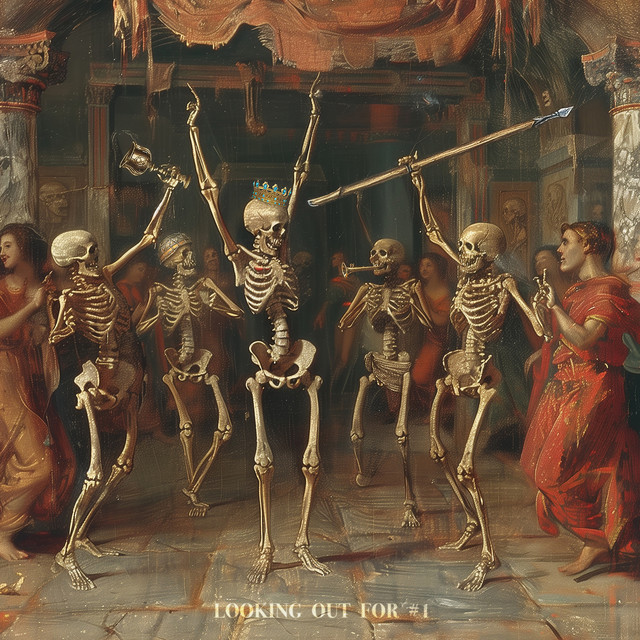
Looking Out For #1
The Offspring
Skate Punk
2024
3
/5
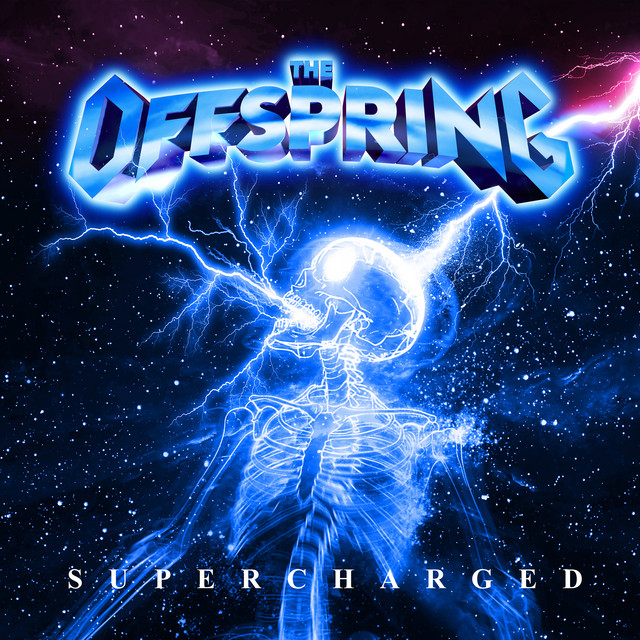
SUPERCHARGED
The Offspring
Skate Punk
Pop Punk
Punk
2021
Let the Bad Times Roll
The Offspring
Pop
Punk
Punk Rock
2012
Days Go By
The Offspring
Alternative Rock
Punk Rock
Rock
2008
4
/5
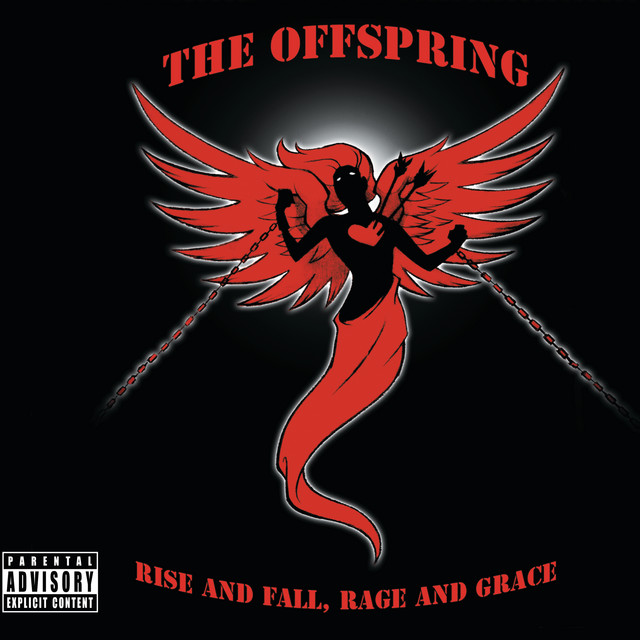
Rise And Fall, Rage And Grace
The Offspring
Skate Punk
Alternative Rock
Punk
2003
Splinter
The Offspring
Punk
Punk Rock
Rock
2000
4
/5
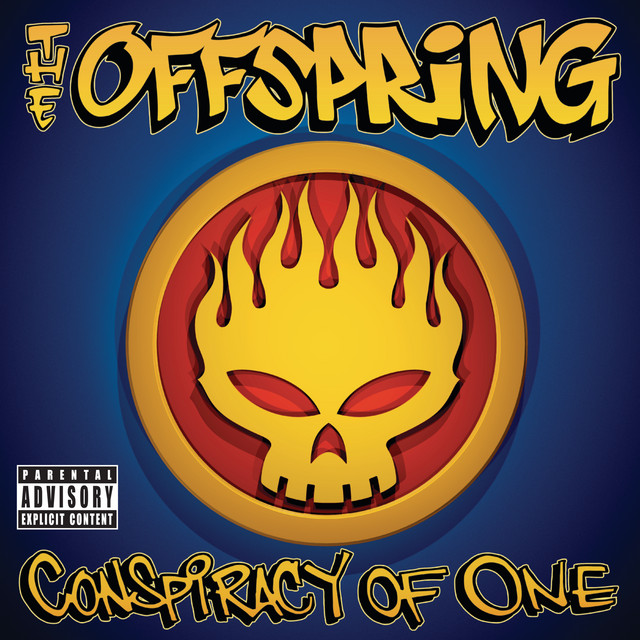
Conspiracy Of One
The Offspring
Skate Punk
Alternative Rock
Punk Rock
1998
5
/5
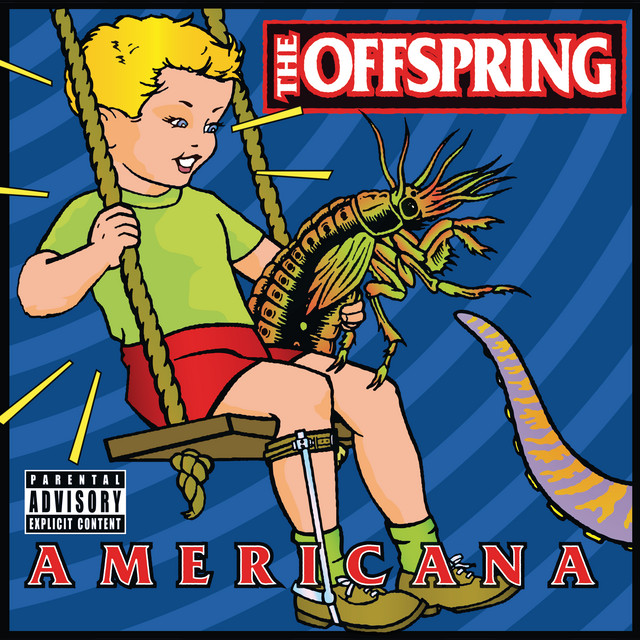
Americana
The Offspring
Skate Punk
Punk
Post-Grunge
1997
4
/5
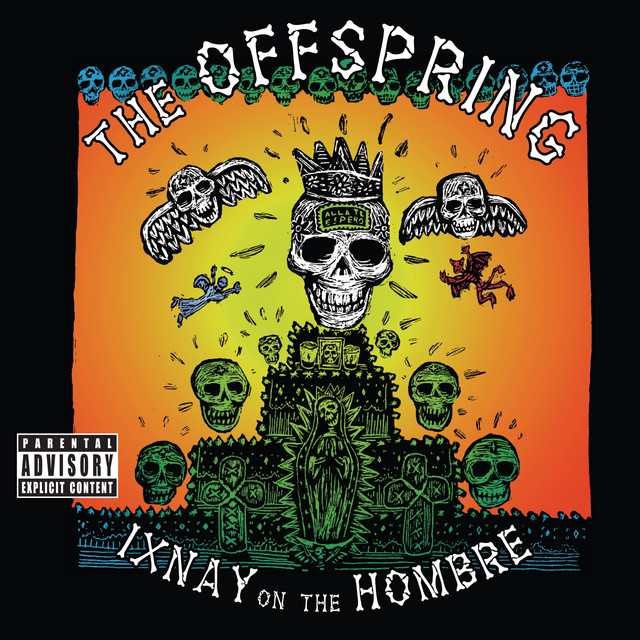
Ixnay On The Hombre
The Offspring
Skate Punk
Punk
Punk Rock
1994
4
/5
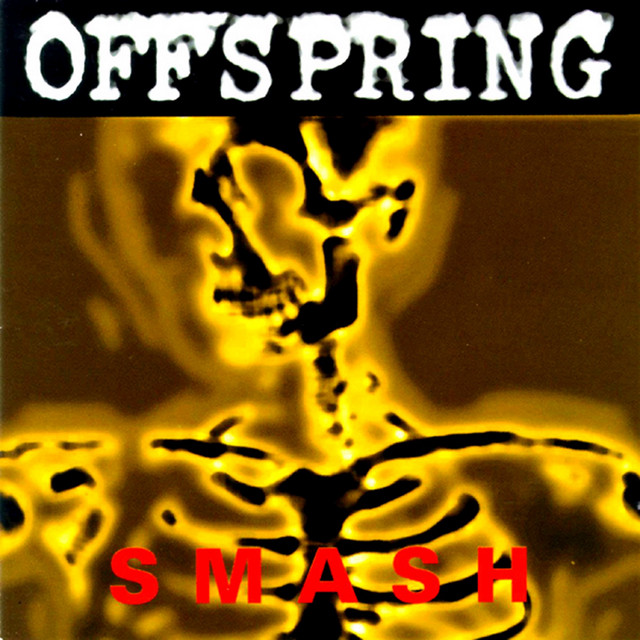
Smash
The Offspring
Skate Punk
Punk
Punk Rock
1994
1
/5
Smash
Offspring
Skate Punk
Punk
Punk Rock
1992
Ignition
The Offspring
Punk
Punk Rock
Rock
1989
The Offspring
The Offspring
Punk
Punk Rock
Rock
Similar artists
5
/5
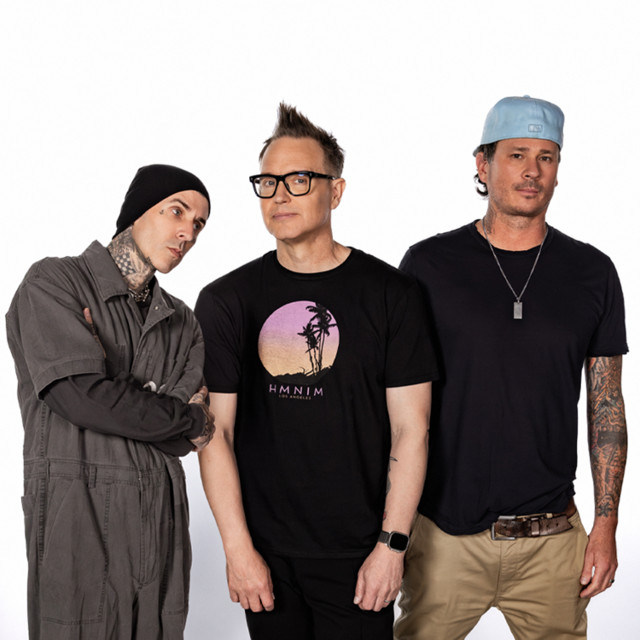
blink-182
Pop Punk
Punk
Alternative Rock
3
/5
Alkaline Trio
Pop Punk
Punk
Skate Punk
3
/5
Against Me!
Punk
Orgcore
Rock
3
/5
Hot Water Music
Emocore
Punk
Melodic Hardcore
3
/5
Social Distortion
Punk
Punk 'n' Roll
Psychobilly
4
/5
AFI
Horror Punk
Skate Punk
Punk
4
/5
Sum 41
Skate Punk
Pop Punk
Punk
4
/5
Neck Deep
Punk
Emo Pop
Pop Punk
3
/5
Face To Face
Skate Punk
Punk
Pop Punk
3
/5
The Distillers
Riot Grrrl
Ska Punk
Alternative Rock
Download our mobile app
Get the Melodigging app and start digging for new genres on the go
Download on the App Store
Get it on Google Play
© 2026 Melodigging
Give feedback
Legal
Melodding was created as a tribute to
Every Noise at Once
, which inspired us to help curious minds keep digging into music's ever-evolving genres.