Your digging level
Description
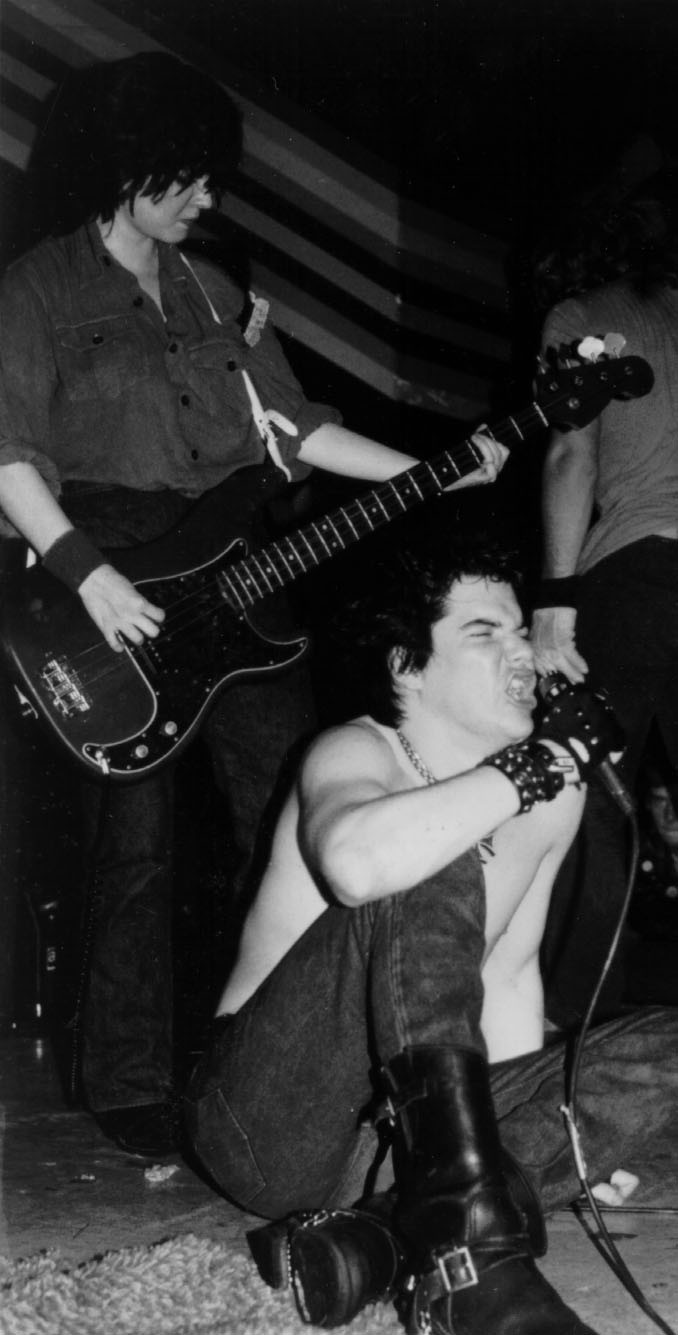
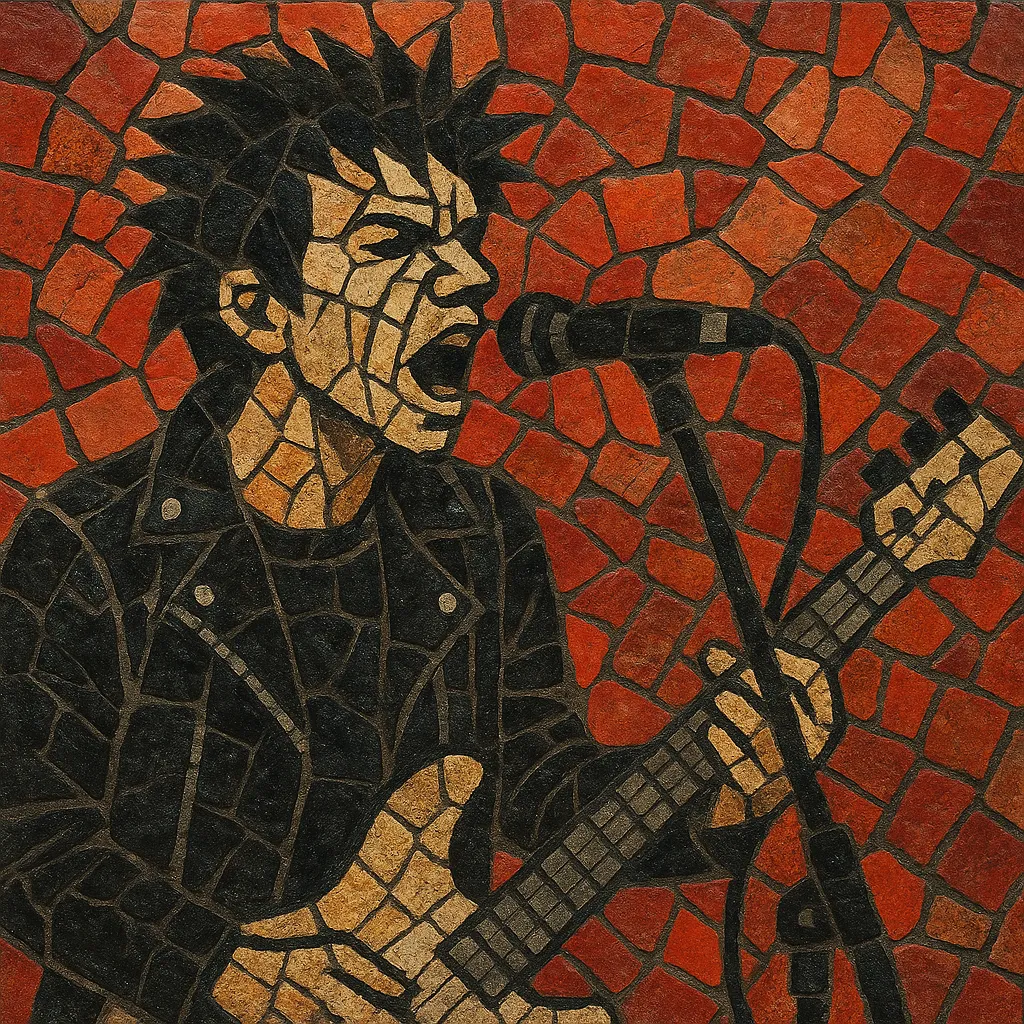
Early US punk is the first wave of American punk rock that crystallized in the mid-to-late 1970s around small clubs, fanzines, and DIY labels. It prized speed, brevity, and immediacy: short songs with few chords, downstroke guitar strums, driving eighth‑note bass, and unembellished, straight‑ahead drumming.
Aesthetically it pushed back against bloated arena rock and slick mainstream production, cultivating raw sonics, sardonic or confrontational lyrics, and a street‑level, anti‑establishment stance. While rooted in rock & roll fundamentals, it drew on the bite and minimalism of 1960s garage bands and the attitude of proto‑punk, forging a blueprint that would power post‑punk, new wave, and hardcore.
History
The groundwork for early US punk was laid by 1960s garage rock and high‑energy proto‑punk groups that stripped rock back to its core. Bands like The Stooges and MC5 (proto‑punk) and numerous one‑take garage singles modeled a raw, unrefined intensity that contrasted sharply with burgeoning arena rock excess.
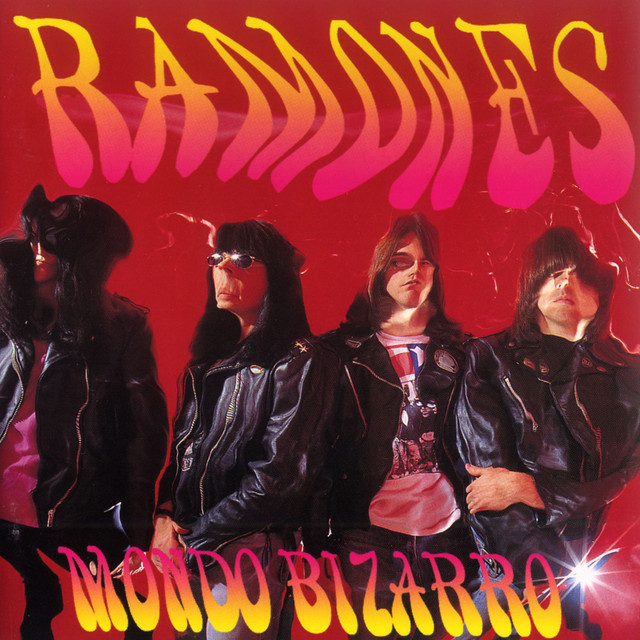
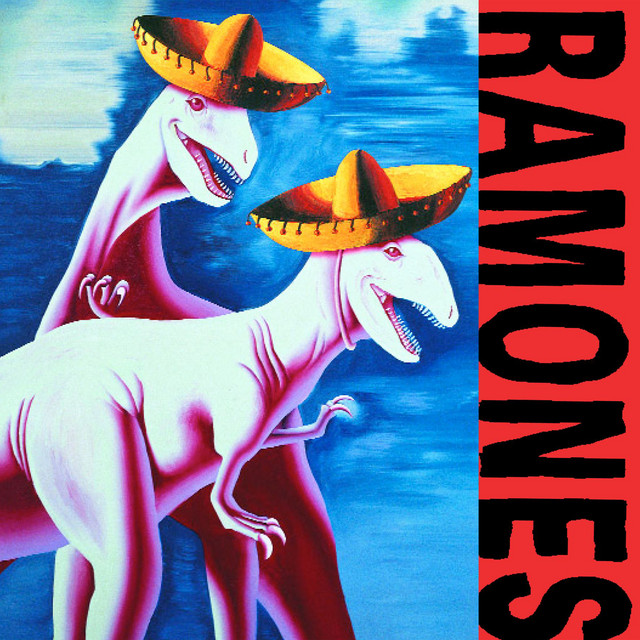
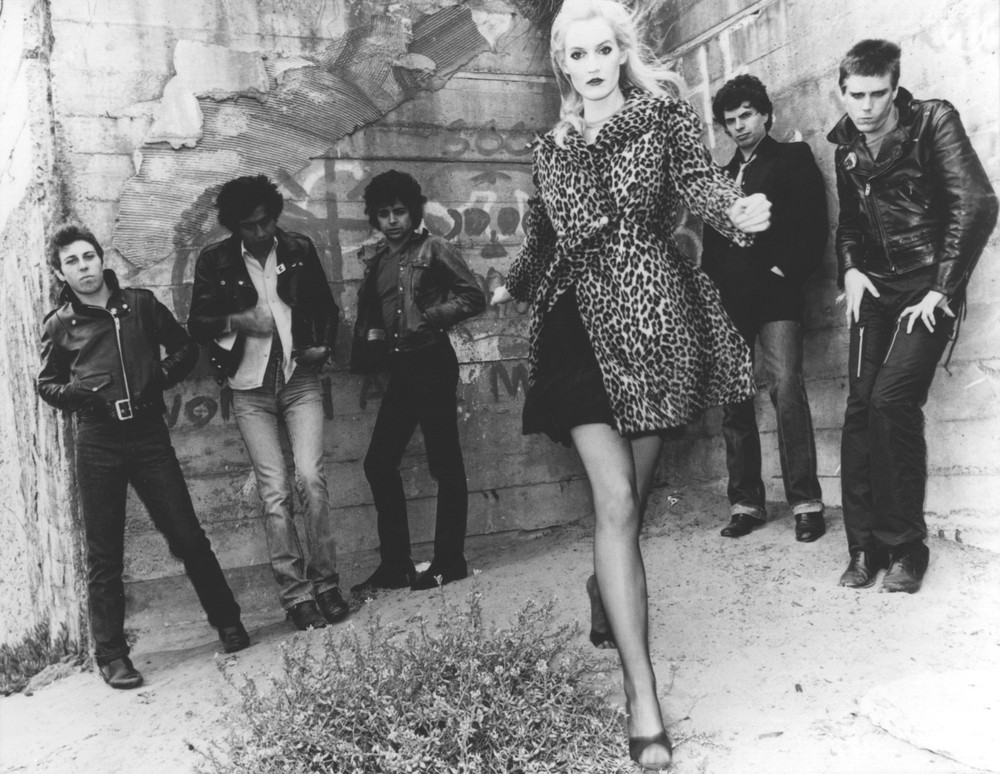
The most visible ignition point was New York’s CBGB and Max’s Kansas City. Patti Smith merged poetry and rock with urgent minimal backing; Television carved wiry interlocking guitars; the Ramones codified the two‑minute, four‑chord sprint; Blondie mixed pop savvy with punk economy; Richard Hell personified the torn‑shirt aesthetic and DIY ethos. Local zines like PUNK magazine, small labels (Ork, Sire’s early signings, Bomp!), and a thriving community of photographers, promoters, and writers amplified the scene’s reach.
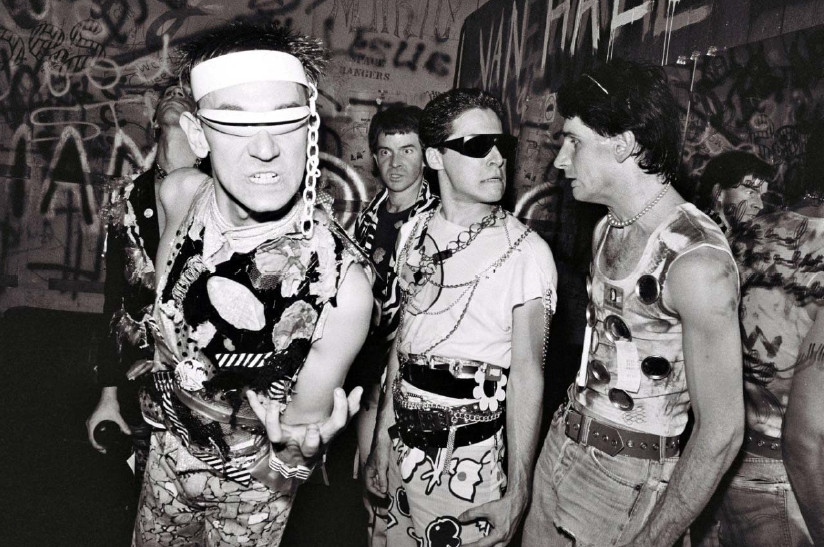
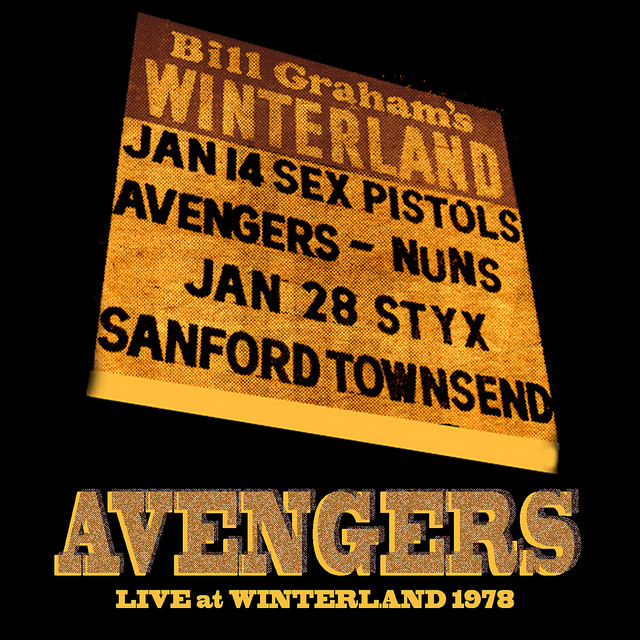
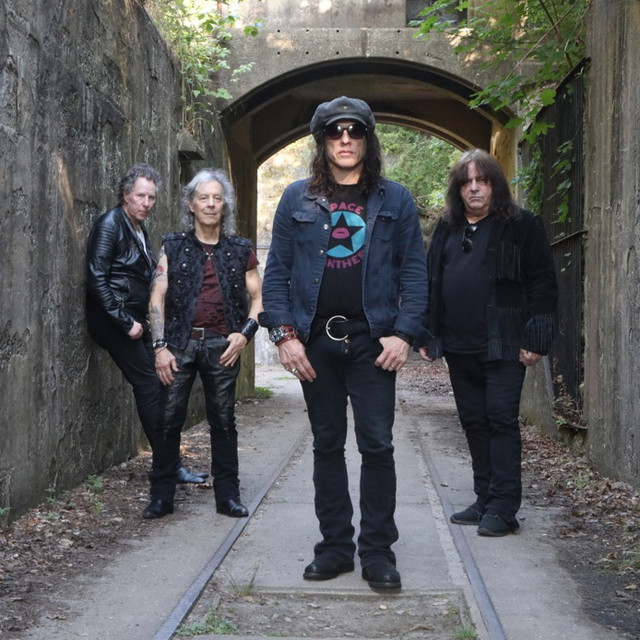
Cleveland/Akron produced abrasive, art‑leaning outfits (Rocket from the Tombs splintering into Dead Boys and Pere Ubu; Devo’s angular minimalism). Los Angeles and San Francisco incubated their own takes: The Germs, X, The Weirdos, and The Avengers favored velocity and confrontational stagecraft, while Crime and other SF acts courted notoriety with DIY singles and headline‑grabbing stunts. Boston’s Rat club nurtured DMZ and The Real Kids; pockets emerged in Chicago and elsewhere, connected by fanzines, mail‑order, and touring.
By the end of the 1970s, the first‑wave blueprint had seeded multiple directions. Hardcore punk amped the speed and aggression; post‑punk and no wave deconstructed song form and timbre; new wave retained punk’s concision while embracing hooks and keyboards; alternative and indie rock inherited the DIY infrastructure (indie labels, college radio) and ethos. Early US punk thus served as both a sonic and organizational template for American underground music for decades to come.
Use a classic guitar–bass–drums lineup, optionally with a single vocal mic and minimal effects. Guitars should be bright and mid‑forward through cranked tube amps; rely on downstrokes, power chords, and light overdrive rather than heavy distortion. Keep production raw: close miking, minimal overdubs, and mostly live takes.
Write in 4/4 at brisk tempi (roughly 150–200 BPM). Drums emphasize straight eighths on hi‑hat, a driving kick on beats 1 & 3 (or 1 & the “and” of 3 for momentum), and a crisp snare on 2 & 4. Bass doubles root notes in steady eighths, occasionally walking or outlining simple chord changes. Harmony stays simple: I–IV–V, I–bVII–IV, or two‑chord vamps; aim for 2–3 chords per section.
Keep songs short (1:45–2:45). Use tight verse–chorus forms, with a brief pre‑chorus or a middle‑eight for contrast. Melodies are punchy and syllabic; gang shouts or unison hooks add immediacy. Guitar breaks should be terse, melodic, or noisy rather than virtuosic.
Write direct, street‑level lyrics: disaffection, humor, media culture, urban life, and anti‑establishment themes. Favor sharp imagery over florid metaphor. Deliver vocals with attitude—half‑sung, half‑shouted—staying ahead of the beat for urgency.
Adopt the DIY ethos: self‑book shows at small venues, record quickly, print handbills, and distribute via indie channels. Artwork can be collage‑like and stark. Embrace imperfection; energy and viewpoint matter more than polish.