Genres
Artists
Albums
Make Music
Sign in
Sign in
Artists
Funk
Artists
Funk
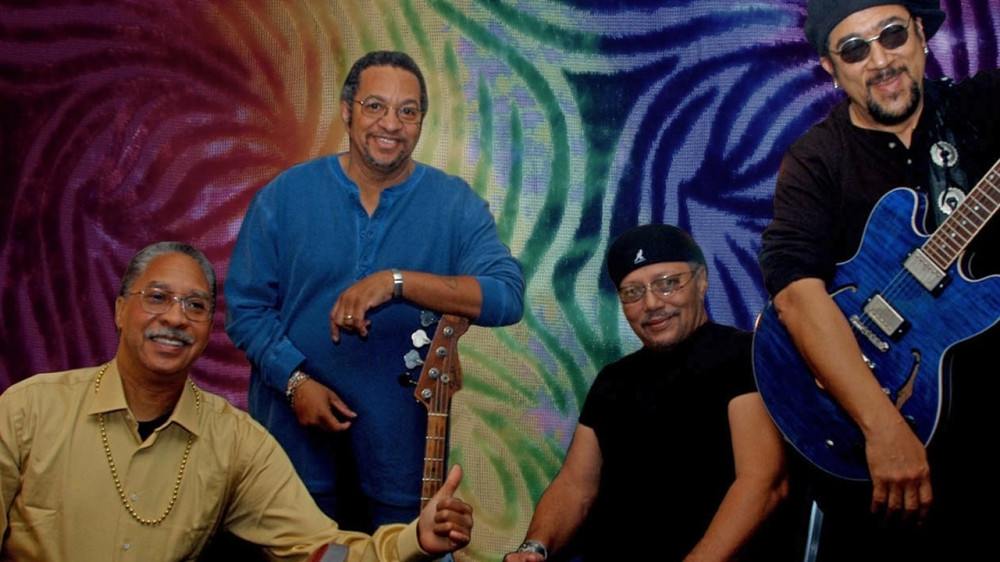
The Meters
1969–1974
·
5 albums
Listen
3
/5
Genres
Ai
AI (artificial intelligence) as a music genre refers to works in which machine-learning systems are central to generating, arranging, or performing core musical material, rather than being used only as peripheral studio tools. The style spans fully generative ambient soundscapes and pop songs written from text prompts, to voice-cloned performances and neural resynthesis of timbres. Stylistically it borrows from contemporary electronic and internet-born aesthetics (hyperpop, vaporwave, IDM, electropop), while foregrounding the uncanny, synthetic qualities of ML models. Beyond sonics, AI music is also a process-driven genre: datasets, prompts, model architectures, and iterative sampling are treated as creative choices on par with chords or instrumentation. Ethical and legal questions around training data, consent, and authorship are part of its identity and discourse.
Discover
Listen
Organic Ambient
Organic ambient is a strain of ambient music that emphasizes natural, acoustic, and tactile timbres over purely synthetic ones. Its sound world is built from softly mic’d pianos and guitars, mallet percussion, strings, voice layers, and environmental field recordings (wind, water, birds, room tone), then gently processed with spacious reverbs, tape warmth, and subtle granular or delay treatments. Compared with classic electronic ambient, the adjective “organic” points to breath, touch, and the audible presence of rooms and spaces: creaking pedals, bow noise, finger sounds on strings, and a bed of environmental sound. Harmony tends toward consonant, slowly evolving chords; rhythm is minimal or absent; and dynamics are restrained, inviting calm, contemplation, and connection with place.
Discover
Listen
Ghetto Funk
Ghetto funk is a mid‑tempo, breakbeat-driven style that fuses classic funk, soul, and disco samples with modern bass music sound design. It typically sits around 100–112 BPM and pairs swinging drum breaks with chunky, wobbling basslines and hip‑hop style vocal chops. Emerging from the UK’s breaks and nu‑funk scenes, the genre celebrates crate‑digging aesthetics—horn stabs, guitar licks, talkbox hooks—while using contemporary production tools like aggressive saturation, multiband compression, and LFO‑modulated bass. The result is party‑ready, DJ‑friendly tracks that feel both retro and fresh: the attitude of hip hop, the groove of funk, and the weight of modern bass music.
Discover
Listen
Souldies
Souldies is a modern revival of classic lowrider “oldies” soul—slow, tender ballads rooted in 1960s and early-’70s sweet soul and doo‑wop aesthetics, reimagined by a new generation of largely Chicano/Latinx artists in Southern California. Characterized by warm, analog-leaning production, mellow backbeats, honeyed vocal harmonies, and heart‑on‑sleeve lyricism, the style favors mid‑slow tempos, tape‑like saturation, spring/plate reverb, and minimalist yet expressive arrangements. English and Spanish (or Spanglish) lyrics often explore love, longing, devotion, and cruising/lowrider culture. Souldies sits at the intersection of classic soul, rhythm & blues, northern soul selections, and Latin soul, offering a contemporary, community‑centered sound that feels both timeless and newly personal.
Discover
Listen
Jazz-Funk
Jazz-funk is a groove-forward hybrid of jazz improvisation and harmony with the rhythmic drive and backbeat of funk. It features syncopated basslines, crisp drum patterns, and tight horn or keyboard riffs, often organized around vamping two- or four-bar progressions rather than complex chord changes. The sound is defined by electric instruments—Fender Rhodes, Clavinet, analog and early digital synthesizers, electric bass, and wah-inflected guitar—alongside punchy horn sections and extended solos. Compared to traditional jazz, the harmonic language is leaner but still rich, emphasizing 9ths, 11ths, 13ths, and modal centers (especially Dorian). The music aims for deep, danceable pocket, slick production, and a soulful, urban feel.
Discover
Listen
P-Funk
P-funk (short for Parliament-Funkadelic or pure funk) is a highly amplified, psychedelic strain of funk characterized by deep, “on-the-one” grooves, rubbery bass lines, dense horn and vocal arrangements, and sci‑fi mythology. It blends earthy danceability with surreal, cosmic imagery and extended jam-based song forms. Centering around George Clinton’s Parliament and Funkadelic collectives, P-funk turned funk into an expansive, theatrical universe. Its sound mixes gospel call‑and‑response, soul harmonies, psychedelic rock guitars, and analog synthesizers into a thick, syncopated stew designed for both the dance floor and immersive listening. The result is music that is at once humorous and visionary, gritty and cosmic.
Discover
Listen
Funk
Funk is a rhythm-forward African American popular music style that centers on groove, syncopation, and interlocking parts. Rather than emphasizing complex chord progressions, funk builds tight, repetitive vamps that highlight the rhythm section and create an irresistible dance feel. The genre is marked by syncopated drum patterns, melodic yet percussive bass lines, choppy guitar "chanks," punchy horn stabs, call‑and‑response vocals, and a strong backbeat. Funk’s stripped-down harmony, prominent use of the one (accenting the downbeat), and polyrhythmic layering draw deeply from soul, rhythm and blues, jazz, gospel, and African rhythmic traditions. From James Brown’s late-1960s innovations through the expansive P-Funk universe and the slicker sounds of the 1970s and 1980s, funk has continually evolved while seeding countless other genres, from disco and hip hop to house and modern R&B.
Discover
Listen
Deep Funk
Deep funk is a raw, hard-edged strain of funk that prioritizes drum-and-bass-driven grooves, terse horn stabs, and gritty, unpolished production. Emerging at the tail end of the 1960s, it captures the most stripped-down, rhythm-first aspects of funk—vamps on one or two chords, prominent syncopation, and an emphasis on “the one” —often recorded by regional bands on small labels and released as 7-inch singles. Vocals tend to be call-and-response or fervent shouts, while instruments such as drum kit, electric bass, rhythm guitar, Hammond organ or clavinet, and tight horn sections carry the energy. The term “deep funk” later became associated with crate-dug obscurities and a 1990s/2000s revivalist movement that honored the sound’s rugged, dancefloor-focused aesthetic.
Discover
Listen
Soul
Soul is a genre of popular music that blends the spiritual fervor and vocal techniques of African‑American gospel with the grooves and song forms of rhythm & blues and the harmonic palette of jazz and blues. It is defined by impassioned, melismatic lead vocals; call‑and‑response with backing singers; handclaps and a strong backbeat; syncopated bass lines; and memorable horn or string riffs. Typical instrumentation includes drum kit, electric bass, electric guitar, piano or Hammond organ, horns (trumpet, saxophone, trombone), and sometimes orchestral strings. Lyrically, soul ranges from love and heartbreak to pride, social commentary, and spiritual yearning. Regionally distinct scenes—such as Detroit’s Motown, Memphis/Stax, Muscle Shoals, Chicago, New Orleans, and Philadelphia—shaped different flavors of soul, while the style’s emotional directness and rhythmic drive made it a cornerstone of later funk, disco, contemporary R&B, and hip hop.
Discover
Listen
New Orleans R&b
New Orleans R&B is a piano-driven, horn-rich strain of rhythm and blues that emerged in the late 1940s and flourished through the 1950s. It blends blues harmony with the lilt of Caribbean rhythms, the swing of jazz, and gospel’s vocal inflections, creating an irresistibly rolling groove. The style is marked by triplet-based piano patterns, parade-inspired backbeats, syncopated horn riffs, and relaxed yet danceable shuffles. Its sound was defined by the city’s storied studio scene (notably Cosimo Matassa’s J&M Studio), visionary bandleaders and producers like Dave Bartholomew and Allen Toussaint, and charismatic singer-pianists such as Fats Domino and Professor Longhair. Lyrically, New Orleans R&B favors good-time party themes, romance, and streetwise vignettes. Its warm, unhurried feel and rhythmic cross-pollination would prove foundational to rock and roll, soul, funk, ska, and swamp pop.
Discover
Listen
Louisiana Music
Louisiana music is a rich regional tapestry that blends African, French, Caribbean, and American roots into a set of distinctive styles associated with the state of Louisiana, especially New Orleans and the Acadiana region. It encompasses the second‑line brass band tradition, early jazz and rhythm & blues from New Orleans, Cajun dance tunes and waltzes, Creole zydeco grooves built around accordion and rubboard, and the humid, blues‑inflected sounds of swamp pop and swamp blues. Hallmarks include syncopated “second‑line” rhythms, the Cuban habanera/clave pulse in early New Orleans music, call‑and‑response, blue notes, and a unique mingling of English, Louisiana French, and Creole lyrics. More than a single genre, “Louisiana music” denotes a family of styles whose feel is communal, dance‑forward, and deeply tied to local celebrations like Mardi Gras, trail rides, fais‑do‑dos, and second‑lines.
Discover
Listen
Show all 11 genres
Albums
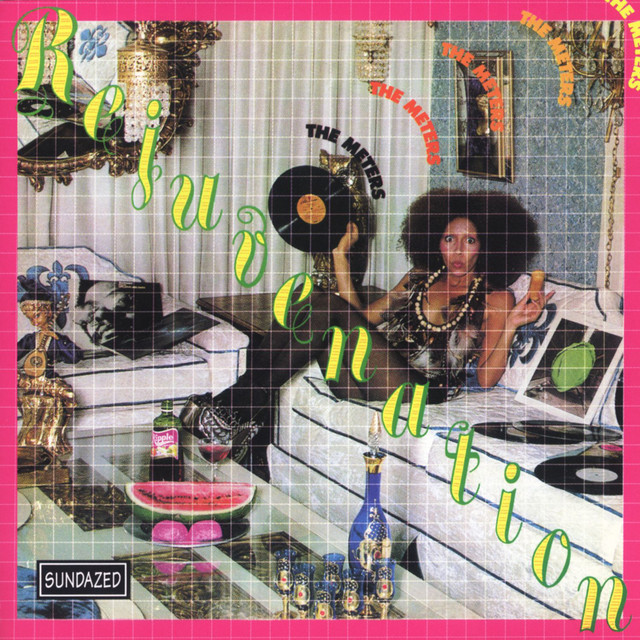
1974
3
/5
Rejuvenation
The Meters
Louisiana Music
New Orleans R&b
P-Funk
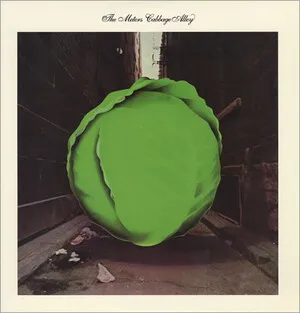
1972
2
/5
Cabbage Alley
The Meters
Deep Funk
New Orleans R&b
Louisiana Music
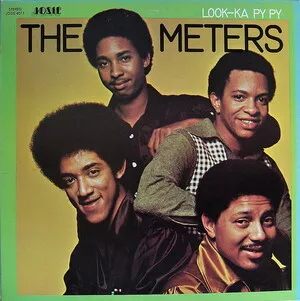
1970
2
/5
Look-Ka Py Py
The Meters
Deep Funk
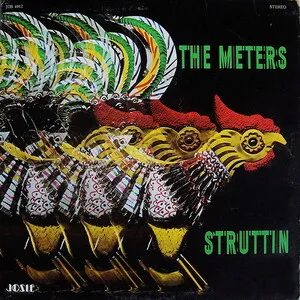
1970
3
/5
Struttin'
The Meters
Deep Funk
New Orleans R&b
Louisiana Music
1969
3
/5
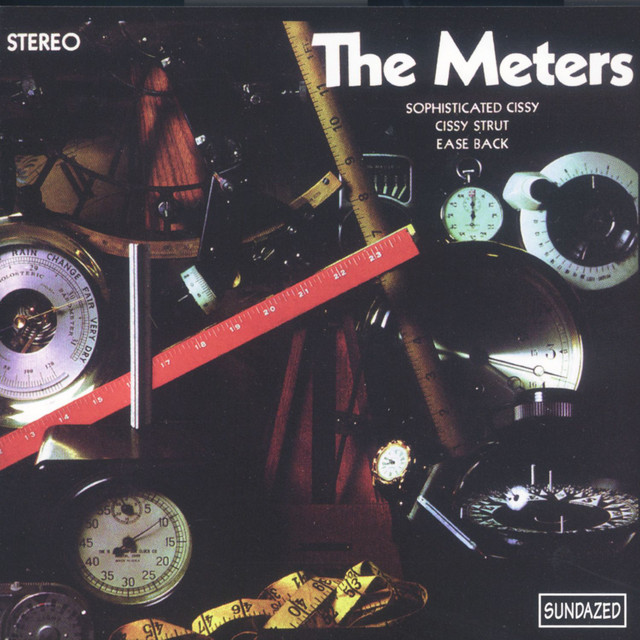
The Meters
The Meters
Deep Funk
New Orleans R&b
Louisiana Music
Similar artists
4
/5
James Brown
Funk
Deep Funk
Soul
1
/5
Various Artists
Afro-Funk
Alternative Rock
Ambient
3
/5
Sly & The Family Stone
Funk
Psychedelic Soul
Soul
3
/5
The Quantic Soul Orchestra
Funk
Acid Jazz
Latin Funk
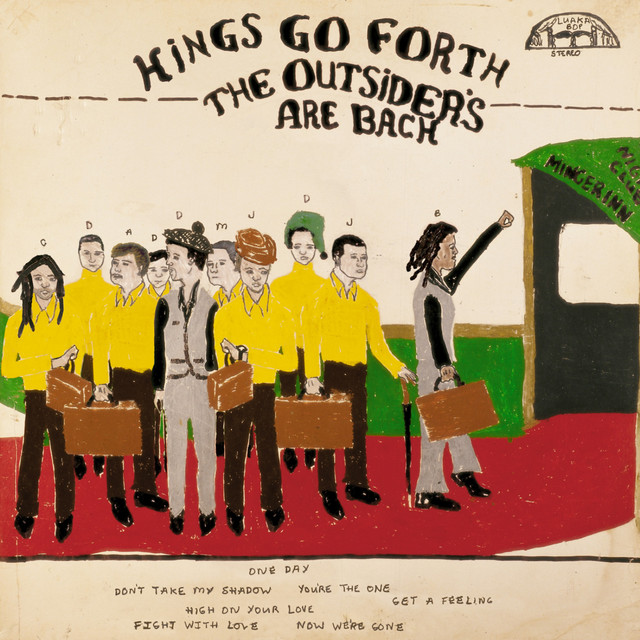
Kings Go Forth
Deep Funk
Funk
Soul
4
/5
Quantic
Electronic
Nu-Cumbia
Downtempo
2
/5
The Diasonics
Soul Jazz
Deep Funk
Funk
2
/5
The Dirty Dozen Brass Band
New Orleans Brass Band
Street Band
Jazz
4
/5
Stevie Wonder
Soul
Funk
Motown
4
/5
Prince
Funk
Minneapolis Sound
Synth Funk
Download our mobile app
Get the Melodigging app and start digging for new genres on the go
Download on the App Store
Get it on Google Play
© 2026 Melodigging
Give feedback
Legal
Melodding was created as a tribute to
Every Noise at Once
, which inspired us to help curious minds keep digging into music's ever-evolving genres.