Your digging level
Description
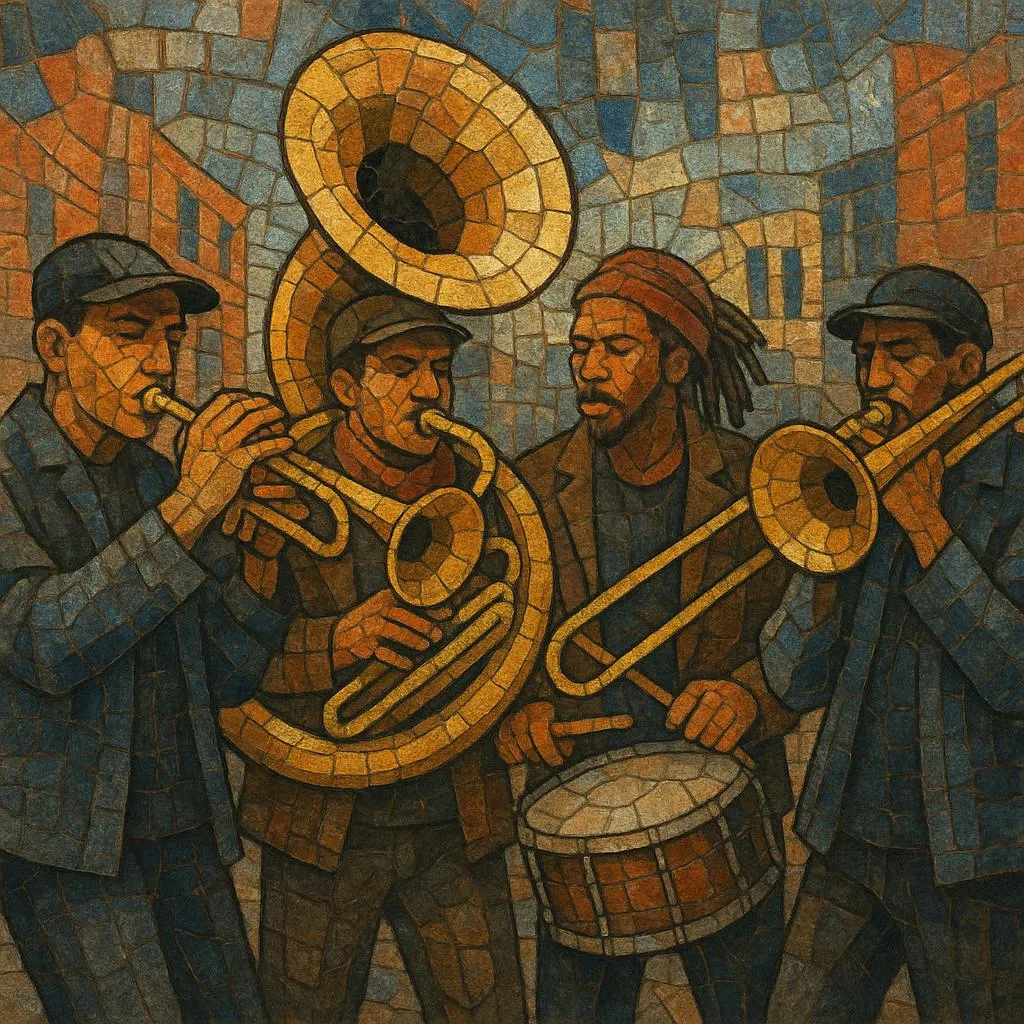
Street band refers to the modern, ambulatory brass-and-percussion ensemble movement that performs at street level in parades, protests, and festivals without stages or amplification. These groups are mobile, acoustic, and participatory, collapsing the space between performers and audience and often engaging communities directly.
Musically, contemporary street bands draw on a broad palette: New Orleans second line grooves and jazz, Balkan/Romani fanfare traditions, klezmer, Brazilian samba/batucada, Afrobeat and Highlife, as well as punk, funk, and hip hop. The result is a high-energy, rhythm-forward sound designed for dancing, procession, and public celebration or protest.
History
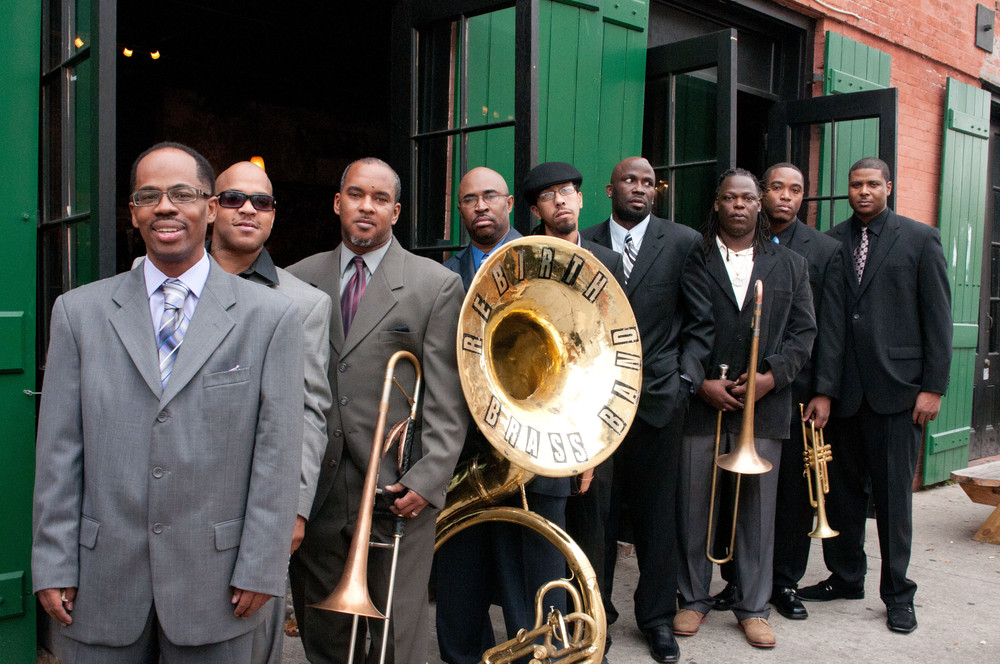
Street music traditions predate the 21st century, especially in New Orleans brass bands and the second line parade culture, where community members literally follow the band, dance, and participate. This parade practice helped define the sound (snare/bass-drum backbeat, tuba/sousaphone bass lines, call-and-response horns) and the participatory ethos that modern street bands adopt.
In the mid‑2000s a self-identified movement of activist street bands coalesced around the HONK! Festival in Somerville, Massachusetts (founded 2006). HONK! framed an inclusive, brass‑roots model—mobile, unamplified bands reclaiming public space, aligning music with social justice, and drawing stylistic influence from New Orleans second line, Balkan and Romani fanfare, klezmer, samba, Afrobeat/Highlife, punk, funk, and hip hop. The festival’s growth and replication worldwide helped the term “street band” take on a specific, contemporary meaning.
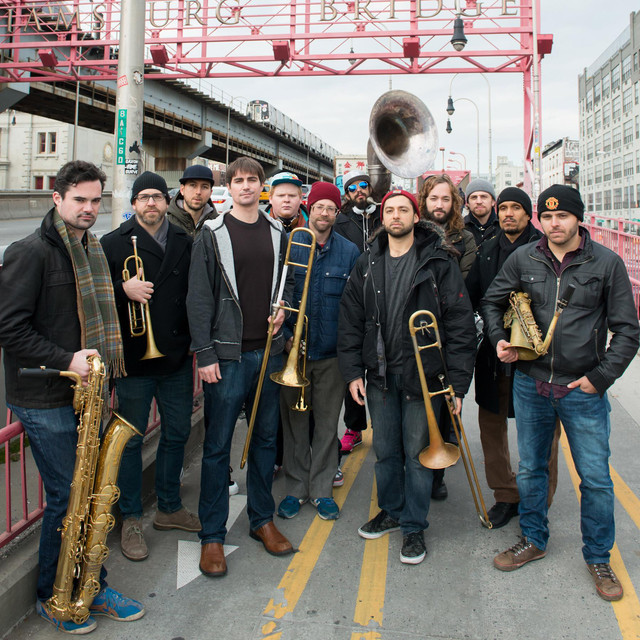
Through the 2010s–2020s, ensembles across North America and beyond popularized the format—some fusing brass with hip hop, punk, or EDM aesthetics, others busking and going viral from subway and street performances (e.g., NYC-based groups). Parallel to this, reviews and media coverage documented brass/hip hop hybrids, while second-line culture in New Orleans remained a living touchstone and public rite.