Genres
Make Music
Artists
Albums
Challenges
Sign in
Sign in
Albums
By The Meters
Albums
By The Meters
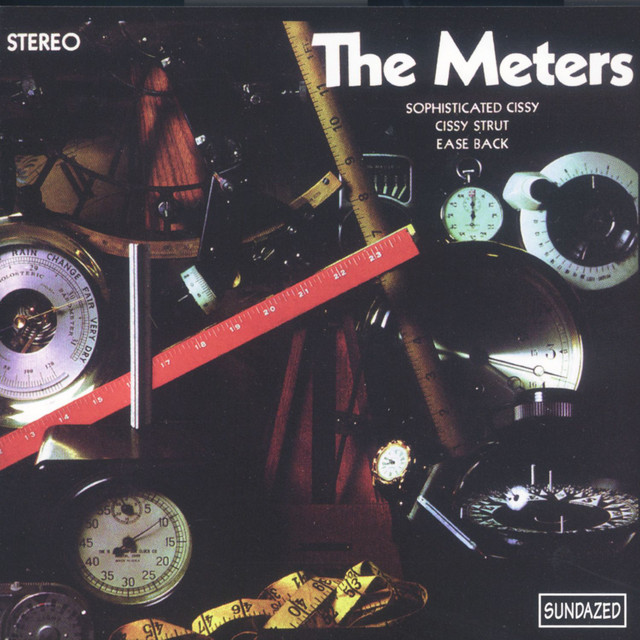
The Meters
1969
Listen
3
/5
Genres
P-Funk
P-funk (short for Parliament-Funkadelic or pure funk) is a highly amplified, psychedelic strain of funk characterized by deep, “on-the-one” grooves, rubbery bass lines, dense horn and vocal arrangements, and sci‑fi mythology. It blends earthy danceability with surreal, cosmic imagery and extended jam-based song forms. Centering around George Clinton’s Parliament and Funkadelic collectives, P-funk turned funk into an expansive, theatrical universe. Its sound mixes gospel call‑and‑response, soul harmonies, psychedelic rock guitars, and analog synthesizers into a thick, syncopated stew designed for both the dance floor and immersive listening. The result is music that is at once humorous and visionary, gritty and cosmic.
Discover
Listen
Deep Funk
Deep funk is a raw, hard-edged strain of funk that prioritizes drum-and-bass-driven grooves, terse horn stabs, and gritty, unpolished production. Emerging at the tail end of the 1960s, it captures the most stripped-down, rhythm-first aspects of funk—vamps on one or two chords, prominent syncopation, and an emphasis on “the one” —often recorded by regional bands on small labels and released as 7-inch singles. Vocals tend to be call-and-response or fervent shouts, while instruments such as drum kit, electric bass, rhythm guitar, Hammond organ or clavinet, and tight horn sections carry the energy. The term “deep funk” later became associated with crate-dug obscurities and a 1990s/2000s revivalist movement that honored the sound’s rugged, dancefloor-focused aesthetic.
Discover
Listen
Funk
Funk is a rhythm-forward African American popular music style that centers on groove, syncopation, and interlocking parts. Rather than emphasizing complex chord progressions, funk builds tight, repetitive vamps that highlight the rhythm section and create an irresistible dance feel. The genre is marked by syncopated drum patterns, melodic yet percussive bass lines, choppy guitar "chanks," punchy horn stabs, call‑and‑response vocals, and a strong backbeat. Funk’s stripped-down harmony, prominent use of the one (accenting the downbeat), and polyrhythmic layering draw deeply from soul, rhythm and blues, jazz, gospel, and African rhythmic traditions. From James Brown’s late-1960s innovations through the expansive P-Funk universe and the slicker sounds of the 1970s and 1980s, funk has continually evolved while seeding countless other genres, from disco and hip hop to house and modern R&B.
Discover
Listen
New Orleans R&b
New Orleans R&B is a piano-driven, horn-rich strain of rhythm and blues that emerged in the late 1940s and flourished through the 1950s. It blends blues harmony with the lilt of Caribbean rhythms, the swing of jazz, and gospel’s vocal inflections, creating an irresistibly rolling groove. The style is marked by triplet-based piano patterns, parade-inspired backbeats, syncopated horn riffs, and relaxed yet danceable shuffles. Its sound was defined by the city’s storied studio scene (notably Cosimo Matassa’s J&M Studio), visionary bandleaders and producers like Dave Bartholomew and Allen Toussaint, and charismatic singer-pianists such as Fats Domino and Professor Longhair. Lyrically, New Orleans R&B favors good-time party themes, romance, and streetwise vignettes. Its warm, unhurried feel and rhythmic cross-pollination would prove foundational to rock and roll, soul, funk, ska, and swamp pop.
Discover
Listen
Louisiana Music
Louisiana music is a rich regional tapestry that blends African, French, Caribbean, and American roots into a set of distinctive styles associated with the state of Louisiana, especially New Orleans and the Acadiana region. It encompasses the second‑line brass band tradition, early jazz and rhythm & blues from New Orleans, Cajun dance tunes and waltzes, Creole zydeco grooves built around accordion and rubboard, and the humid, blues‑inflected sounds of swamp pop and swamp blues. Hallmarks include syncopated “second‑line” rhythms, the Cuban habanera/clave pulse in early New Orleans music, call‑and‑response, blue notes, and a unique mingling of English, Louisiana French, and Creole lyrics. More than a single genre, “Louisiana music” denotes a family of styles whose feel is communal, dance‑forward, and deeply tied to local celebrations like Mardi Gras, trail rides, fais‑do‑dos, and second‑lines.
Discover
Listen
Similar albums
1972
Cabbage Alley
The Meters
1974
Rejuvenation
The Meters
1970
Struttin'
The Meters
1975
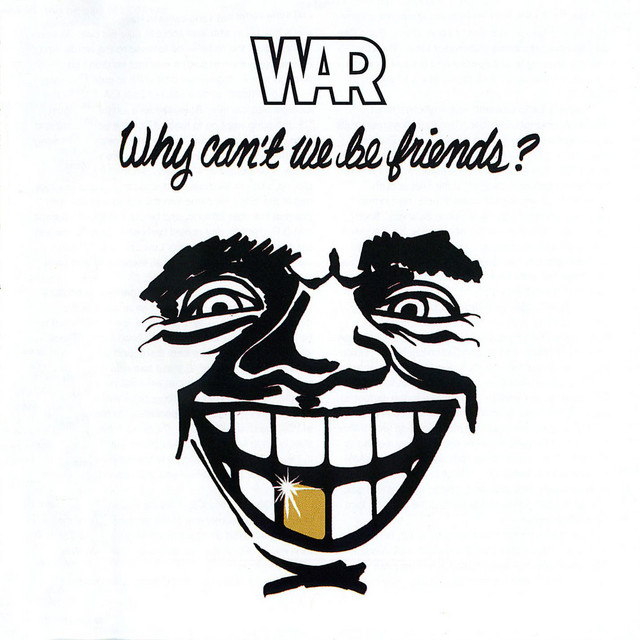
Why Can't We Be Friends?
War
1957
Here's Little Richard
Little Richard
1969
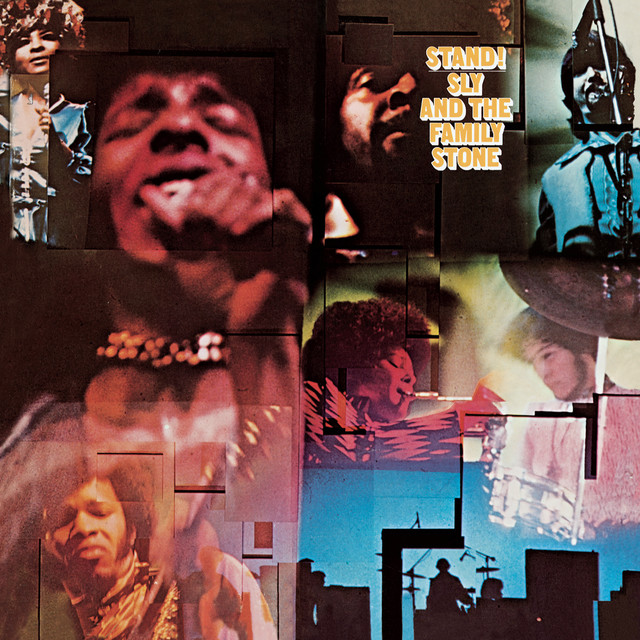
Stand!
Sly & The Family Stone
1978
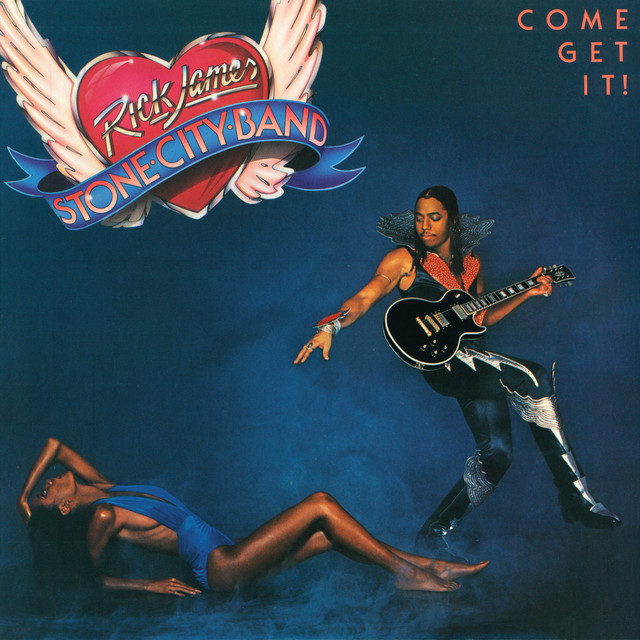
Come Get It! (Expanded Edition)
Rick James
1975
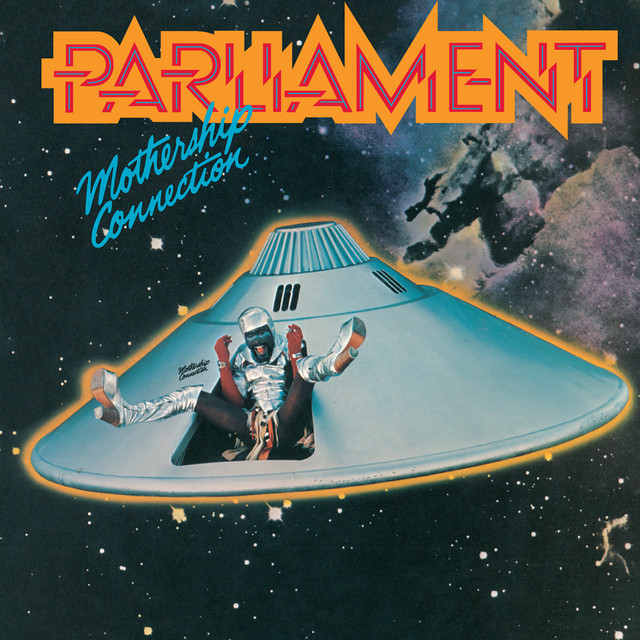
Mothership Connection
Parliament
1973
In the Right Place
Dr. John
1975
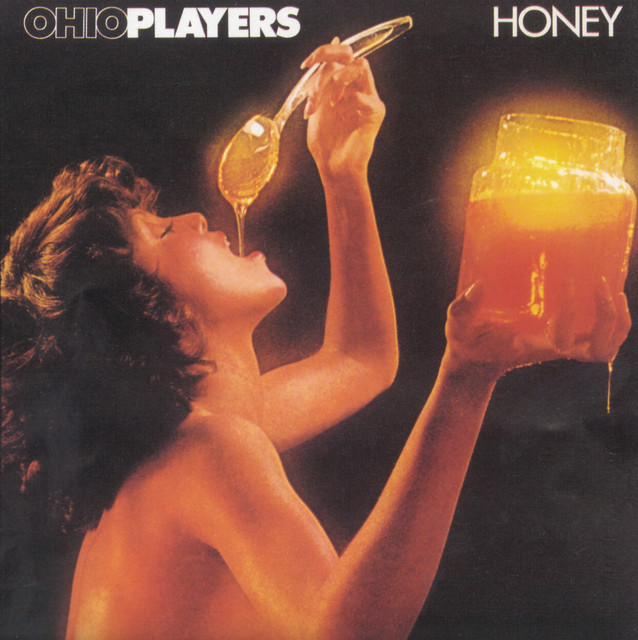
Honey
Ohio Players
Download our mobile app
Get the Melodigging app and start digging for new genres on the go
Download on the App Store
Get it on Google Play
© 2026 Melodigging
Give feedback
Legal
Melodding was created as a tribute to
Every Noise at Once
, which inspired us to help curious minds keep digging into music's ever-evolving genres.