Genres
Artists
Albums
Make Music
Sign in
Sign in
Artists
Ambient
Artists
Ambient
Seungmin Cha
2019
·
1 album
Listen
1
/5
Genres
Fusion Gugak
Fusion gugak is a contemporary style that blends Korea’s traditional music (gugak) and instruments with modern genres such as jazz, rock, post-rock, ambient, and electronic music. It keeps core gugak elements—traditional modes, ornamentation (sigimsae), cyclic jangdan rhythms, and timbres of instruments like gayageum, geomungo, haegeum, piri, daegeum, janggu, and buk—while adopting modern harmony, song forms, amplification, and studio production. The result ranges from high-energy percussion- and groove-driven performances to atmospheric, minimalist soundscapes, making gugak accessible to new audiences without abandoning its identity.
Discover
Listen
Leftfield
Leftfield is a broad umbrella term for experimental, boundary‑pushing electronic and dance music that sits to the "left" of the mainstream. Rather than adhering to standard club formulas, it privileges adventurous sound design, unexpected rhythms, and collage‑like production choices. While the term is sometimes used loosely, in practice it refers to a UK‑rooted sensibility that blends elements of house, techno, ambient, dub, breakbeat, and hip‑hop into unconventional forms. Leftfield music often emphasizes texture and atmosphere, favors asymmetry over predictable drops, and prizes originality over genre purity.
Discover
Listen
Ambient
Ambient is a form of electronic and electroacoustic music that prioritizes tone, atmosphere, and texture over conventional song structures and rhythmic drive. It typically features slow-moving harmonies, sustained drones, gentle timbral shifts, and extensive use of space and silence. Rather than drawing attention to itself through hooks or beats, ambient is designed to be as ignorable as it is interesting, rewarding both background listening and focused immersion. Artists often employ synthesizers, samplers, tape loops, field recordings, and subtle acoustic instruments, with reverb and delay creating a sense of place. Substyles range from luminous, consonant soundscapes to darker, more dissonant atmospheres.
Discover
Listen
Experimental
Experimental music is an umbrella term for practices that prioritize exploration, process, and discovery over adherence to established genre norms. It embraces new sound sources, nonstandard tuning systems, indeterminacy and chance operations, graphic and open-form scores, extended techniques, and technology-led sound design (tape, electronics, computers, and live processing). Rather than a single style, it is a methodology and ethos: testing hypotheses about sound, structure, and performance, often blurring boundaries between composition, improvisation, sound art, and performance art. Listeners can expect unfamiliar timbres, unusual forms, and an emphasis on how music is made as much as the resulting sound.
Discover
Listen
Korean Folk Music
Korean folk music (minyo and related traditions) encompasses the vernacular songs, percussion ensembles, narrative epics, and ritual pieces that grew outside the court in villages and marketplaces across the Korean peninsula. It features cyclic rhythmic patterns (jangdan), pentatonic modal systems such as pyeongjo, ujo, and gyemyeonjo, and distinctive vocal ornamentation (sigimsae) that conveys the affect known as han (a bittersweet, often plaintive sentiment). Core idioms include minyo (regional folksongs like Arirang), pansori (long-form sung storytelling), sinawi (shamanic-rooted ensemble improvisation), and pungmul/nongak (outdoor farmers’ percussion), performed on instruments such as gayageum and geomungo (zithers), haegeum (spike fiddle), daegeum and piri (flutes/oboes), and the four samul percussion instruments (kkwaenggwari, jing, janggu, buk).
Discover
Listen
Korean Music
Korean music (gugak) encompasses the traditional, courtly, religious, and folk music of the Korean Peninsula, as well as the modern popular styles that emerged in the 20th and 21st centuries. Traditional Korean music is built on modal systems such as pyeongjo and gyemyeonjo, cyclical rhythms called jangdan (e.g., jinyangjo, jungmori, jajinmori), heterophonic textures, and expressive ornamentation known as sigimsae. Core instruments include the gayageum (zither), geomungo (plucked zither), daegeum (bamboo flute), haegeum (two-string fiddle), piri (oboe), and percussion like janggu and buk. Modern Korean music ranges from trot and ballad to globalized K-pop, K-rap, and K-rock, blending indigenous aesthetics with Western harmony, electronic production, and tightly choreographed performance.
Discover
Listen
Albums
2019
1
/5
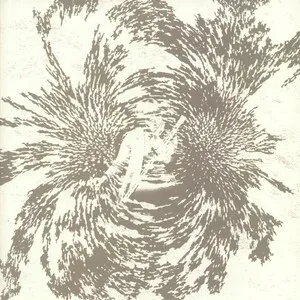
Nuunmuun
Cha Seungmin 차승민
Korean Folk Music
Fusion Gugak
Korean Music
Similar artists
4
/5
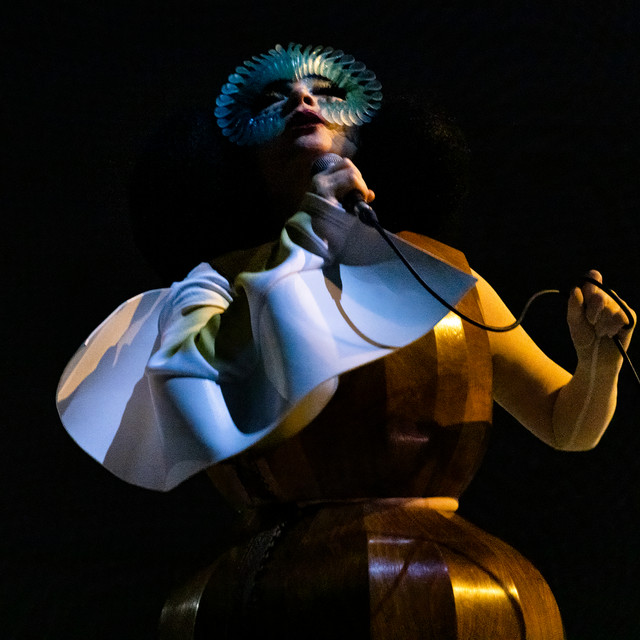
Björk
Art Pop
Icelandic Experimental
Electronic
3
/5
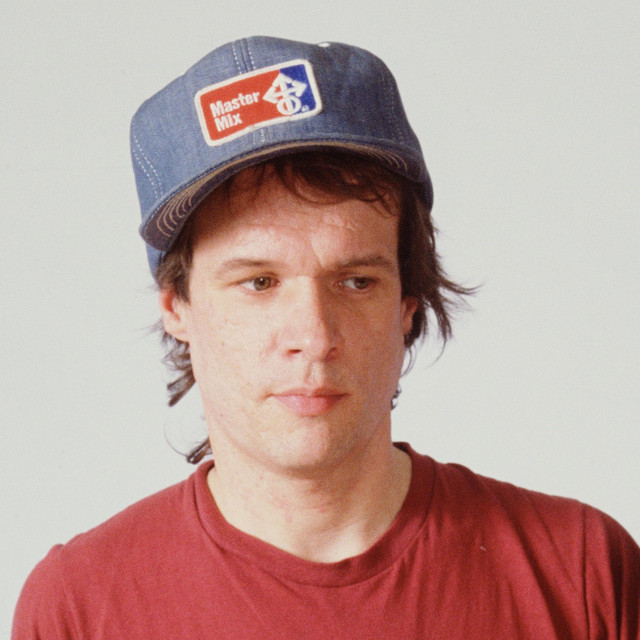
Arthur Russell
Modern Cello
No Wave
Fourth World
3
/5
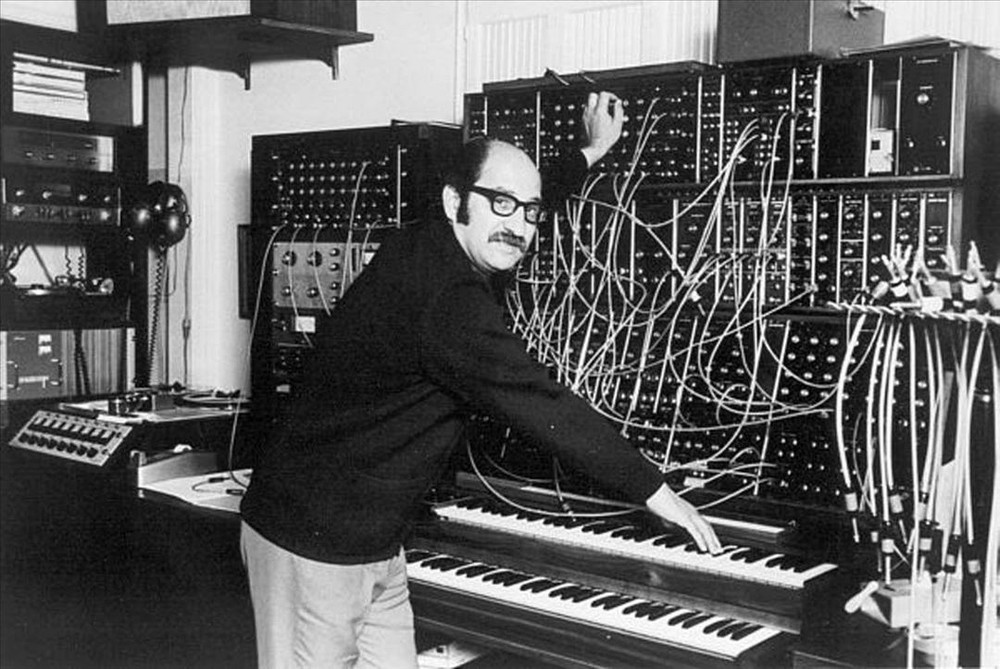
Mort Garson
Space Age Pop
Electronic
Moogsploitation
2
/5
Park Jiha
Avant-Garde
Post-Minimalism
Fusion Gugak
5
/5
A$AP Rocky
East Coast Hip Hop
Hip Hop
Rap
5
/5
Diplo
Jungle Terror
Bass Trap
The Wave
5
/5
David Bowie
Art Rock
Rock
Glam Rock
4
/5
Toby Fox
Indie Game Soundtrack
Soundtrack
Video Game Music
4
/5
C418
Ambient
Electronic
Idm
4
/5
M83
French Shoegaze
French Synthpop
Electronic
Download our mobile app
Get the Melodigging app and start digging for new genres on the go
Download on the App Store
Get it on Google Play
© 2026 Melodigging
Give feedback
Legal
Melodding was created as a tribute to
Every Noise at Once
, which inspired us to help curious minds keep digging into music's ever-evolving genres.