Genres
Artists
Albums
Make Music
Sign in
Sign in
Artists
Modern Cello
Artists
Modern Cello
Arthur Russell
1983–2023
·
12 albums
Listen
3
/5
Genres
Chamber Psych
Chamber psych blends the intimate, acoustic instrumentation and careful arrangements of chamber pop with the hazy textures, tape-warm production, and surreal harmonies of psychedelic pop. Expect strings, woodwinds, vibraphone, Mellotron, and harpsichord to sit alongside vintage keyboards, gently motorik drums, and fluttering tape delays. Vocals are often close‑mic’d and breathy, melodies skew wistful or otherworldly, and songs privilege mood and arrangement craft over volume. The result feels simultaneously handcrafted and dreamlike: miniature orchestras scoring psychedelic reveries.
Discover
Listen
Queer Country
Queer country is a contemporary movement within country and Americana that centers LGBTQ+ voices, stories, and aesthetics while keeping strong ties to classic country songwriting, instrumentation, and vocal styles. Musically, it often draws from traditional country, outlaw country, honky-tonk, and folk-country, but its defining feature is lyrical perspective: songs about queer love, gender expression, chosen family, rural/working-class life, and the tension between tradition and belonging. Rather than being a single fixed sound, queer country is best understood as a scene and cultural re-framing of country music—one that challenges the genre’s historic heteronormativity while celebrating its narrative power and community roots.
Discover
Listen
Cover Acustico
“Cover acústico” (Spanish/Portuguese for “acoustic cover”) refers to intimate, stripped‑down reinterpretations of existing songs performed primarily with acoustic instruments—most often voice with guitar or piano, sometimes light percussion (cajón, brushes) and close‑miked harmonies. On streaming services and digital stores catering to Iberian and Latin American audiences, the label appears explicitly in titles and artist metadata (e.g., singles or albums tagged “cover acústico”), reflecting a cataloging convention for acoustic versions of well‑known repertoire.
Discover
Listen
Modern Cello
Modern cello is a contemporary, post-classical approach to writing and performing for the cello that blends classical technique with ambient textures, minimalist harmony, electronics, and studio-layered production. It treats the cello as both a lyrical, melodic instrument and a sound-design source, using looping, extended techniques, and effects to create cinematic atmospheres as often as traditional concert works. Across albums, film/TV scores, and live solo sets, modern cello emphasizes intimacy, clarity of tone, and evolving textures over virtuosic display, often appealing to classical, ambient, and indie audiences alike.
Discover
Listen
Leftfield
Leftfield is a broad umbrella term for experimental, boundary‑pushing electronic and dance music that sits to the "left" of the mainstream. Rather than adhering to standard club formulas, it privileges adventurous sound design, unexpected rhythms, and collage‑like production choices. While the term is sometimes used loosely, in practice it refers to a UK‑rooted sensibility that blends elements of house, techno, ambient, dub, breakbeat, and hip‑hop into unconventional forms. Leftfield music often emphasizes texture and atmosphere, favors asymmetry over predictable drops, and prizes originality over genre purity.
Discover
Listen
Fourth World
Fourth World is a term coined by trumpeter-composer Jon Hassell to describe a "unified primitive/futuristic sound" that blends ambient minimalism, non-Western traditional musics, and studio electronics into an imagined global music. The style is characterized by modal drones, cyclical hand percussion, and timbral experimentation (often through harmonizers, delays, and pitch-shifting) applied to acoustic instruments—famously Hassell’s processed trumpet—alongside sampled or evoked elements of African, Indian, Southeast Asian, and other traditions. Rather than ethnographic authenticity, Fourth World proposes an imaginative, post-geographic sound world where the studio acts as a cultural crossroads. Musically it favors slow to mid tempos, layered polyrhythms, pentatonic or raga-like modality, microtonal color, spacious reverbs, and textural foregrounding. The result is meditative and sensuous, at once ancient-sounding and hyper-modern.
Discover
Listen
Ambient Pop
Ambient pop is a style of pop music that foregrounds atmosphere, timbre, and texture over conventional hooks, while still retaining song-based structures and accessible melodies. It drapes simple chordal movement and soft vocals in capacious reverbs, delays, and drones, often letting sound design and spatial depth carry as much expressive weight as lyrics. Compared with mainstream pop, ambient pop tends to be slower, quieter, and more minimal. It borrows the weightless pads and sustained tones of ambient music, the hazy guitar treatments of dream pop and shoegaze, and the gentle pulse of downtempo and chillout. The result is intimate, nocturnal, and cinematic music that feels both approachable and immersive.
Discover
Listen
Alternative Rock
Alternative rock is a broad umbrella for guitar-based rock that emerged from the independent and college-radio scenes as a counterpoint to mainstream, commercial rock. It blends the energy and ethos of punk with the textural and songwriting experiments of post-punk, new wave, jangle pop, and noise rock, often foregrounding introspective or socially aware lyrics. Across its many strains—from the melodic minimalism of college rock to the loud-quiet-loud dynamics of grunge and the artful experimentation of Radiohead-era modernism—alternative rock prioritizes authenticity, sonic individuality, and a do-it-yourself approach. Its sound ranges from chiming, chorus-laden clean guitars to abrasive distortion and feedback, supported by straightforward rock rhythms or off-kilter grooves, and production that can be either raw and live-sounding or polished yet unconventional.
Discover
Listen
Club
Club is an umbrella style of mainstream dance music crafted primarily for nightclub sound systems and DJ-centric environments. It emphasizes steady four-on-the-floor rhythms, prominent basslines, repetitive hooks, and builds/drops designed to energize a dance floor. While it borrows from house, techno, disco, italo-disco, freestyle, and electro, Club prioritizes immediacy and crowd response over subcultural purity. Tracks are arranged for mixing, extended grooves, and vocal refrains that translate well to peak-time moments. In radio or chart contexts, "club" often denotes dance-forward pop or DJ-led productions tailored for mass club play.
Discover
Listen
No Wave
No wave is a late-1970s New York City underground movement that rejected the orthodoxies of punk, rock, and pop in favor of abrasive sonics, anti-virtuosic playing, and an art-forward, confrontational attitude. Its sound ranges from skronky, free-jazz-influenced sax blasts and scraping, detuned guitars to rigid, mechanical rhythms and stark, minimal song structures. Lyrics are often spoken, shouted, or declaimed in a deadpan or feral style, addressing urban anxiety, alienation, and cultural decay. More than a fixed style, no wave was a short, intense rupture: a scene of musicians and artists who intentionally dismantled conventional harmony, groove, and song form to foreground texture, noise, and performance as critique.
Discover
Listen
Disco
Disco is a dance-music genre and nightlife subculture that crystallized in the United States during the 1970s, drawing especially from African-American, Italian-American, Latino, and queer club communities. Musically, disco is typified by a steady four-on-the-floor kick drum, syncopated and melodic electric-bass lines, lush string sections, bright brass and horns, electric pianos and synthesizers, and percussive, choppy rhythm guitars. Arrangements often feature orchestral colors, handclaps, congas, and vibraphone or bell textures, all engineered to deliver a continuous, groove-forward experience for the dance floor. The style combines the rich orchestration and romantic sweep of Philadelphia soul with the bottom-end drive of funk and the songcraft of contemporary R&B/pop, delivered in DJ-friendly extended mixes and 12-inch singles designed for club play.
Discover
Listen
Ambient
Ambient is a form of electronic and electroacoustic music that prioritizes tone, atmosphere, and texture over conventional song structures and rhythmic drive. It typically features slow-moving harmonies, sustained drones, gentle timbral shifts, and extensive use of space and silence. Rather than drawing attention to itself through hooks or beats, ambient is designed to be as ignorable as it is interesting, rewarding both background listening and focused immersion. Artists often employ synthesizers, samplers, tape loops, field recordings, and subtle acoustic instruments, with reverb and delay creating a sense of place. Substyles range from luminous, consonant soundscapes to darker, more dissonant atmospheres.
Discover
Listen
Dance
Dance (as a broad, mainstream club- and radio-oriented style) is pop-leaning music designed primarily for dancing, characterized by steady, driving beats, catchy hooks, and production that translates well to nightclubs and large sound systems. It emerged after disco, blending four-on-the-floor rhythms with electronic instrumentation and pop songwriting, and it continually absorbs elements from house, techno, Hi-NRG, synth-pop, and later EDM. Tempos commonly fall between 110–130 BPM, vocals often emphasize memorable choruses, and arrangements are structured for both club mixing and mass appeal.
Discover
Listen
Art Pop
Art pop is a strand of pop music that treats the pop song as a canvas for high-concept ideas, experimental techniques, and cross-media aesthetics. It marries accessible melodies and hooks with the visual culture of art schools, the conceptual rigor of the avant-garde, and the studio-as-instrument ethos. Sonically, art pop favors eclectic instrumentation (synths, orchestral timbres, guitars, found sounds), unusual song forms, and sophisticated harmony. It often employs collage, musique concrète–like textures, and theatrical vocal delivery while still keeping a pop-facing surface. Beyond sound, art pop is deeply visual and conceptual: albums are framed as coherent artworks, stagecraft and video are integral, and lyrics tend toward intertextuality, character work, irony, and social commentary. The result is pop that is both immediate and idea-driven.
Discover
Listen
Avant-Folk
Avant-folk is a strand of folk music that applies avant-garde, experimental, and modernist techniques to traditional song forms, instrumental vocabularies, and storytelling. It retains acoustic timbres and folk modalities while embracing unusual tunings, extended techniques, drones, free improvisation, tape collage, and nonstandard song structures. The result is music that sounds rooted and ancient yet exploratory and boundary-pushing, often intimate in texture but radical in form.
Discover
Listen
Minimalism
Minimalism is a style of Western art music that emerged in the United States during the 1960s, characterized by the use of very limited musical materials, steady pulse, and extensive repetition. Composers often build pieces from short cells or motifs that are repeated and slowly transformed through additive or subtractive processes, phase shifting, and gradual changes in harmony, texture, or register. Harmony is typically consonant (often modal or diatonic), though just intonation and extended drones are also common. The result is music that foregrounds process, clarity, audibility of structure, and a hypnotic sense of stasis and flow. Typical ensembles include keyboards, mallet percussion, strings, winds, voices, and electronics or tape. Minimalism influenced a wide array of later styles, from ambient and new age to post-minimalism and minimal techno.
Discover
Listen
Experimental
Experimental music is an umbrella term for practices that prioritize exploration, process, and discovery over adherence to established genre norms. It embraces new sound sources, nonstandard tuning systems, indeterminacy and chance operations, graphic and open-form scores, extended techniques, and technology-led sound design (tape, electronics, computers, and live processing). Rather than a single style, it is a methodology and ethos: testing hypotheses about sound, structure, and performance, often blurring boundaries between composition, improvisation, sound art, and performance art. Listeners can expect unfamiliar timbres, unusual forms, and an emphasis on how music is made as much as the resulting sound.
Discover
Listen
Rock
Rock is a broad family of popular music centered on amplified instruments, a strong backbeat, and song forms that foreground riffs, choruses, and anthemic hooks. Emerging from mid‑20th‑century American styles like rhythm & blues, country, and gospel-inflected rock and roll, rock quickly expanded in scope—absorbing folk, blues, and psychedelic ideas—while shaping global youth culture. Core sonic markers include electric guitar (often overdriven), electric bass, drum kit emphasizing beats 2 and 4, and emotive lead vocals. Rock songs commonly use verse–chorus structures, blues-derived harmony, and memorable melodic motifs, ranging from intimate ballads to high‑energy, stadium‑sized performances.
Discover
Listen
Pop
Pop is a broad, hook-driven style of popular music designed for wide appeal. It emphasizes memorable melodies, concise song structures, polished vocals, and production intended for radio, charts, and mass media. While pop continually absorbs elements from other styles, its core remains singable choruses, accessible harmonies, and rhythmic clarity. Typical forms include verse–pre-chorus–chorus, frequent use of bridges and middle-eights, and ear-catching intros and outros. Pop is not defined by a single instrumentation. It flexibly incorporates acoustic and electric instruments, drum machines, synthesizers, and increasingly digital production techniques, always in service of the song and the hook.
Discover
Listen
Folk
Folk is a song-centered acoustic tradition rooted in community storytelling, everyday life, and social history. It emphasizes clear melodies, simple harmonies, and lyrics that foreground narrative, protest, and personal testimony. As a modern recorded genre, folk coalesced in the early-to-mid 20th century in the United States out of older ballad, work song, and rural dance traditions. It typically features acoustic instruments (guitar, banjo, fiddle, mandolin, harmonica), strophic song forms, and participatory singing (choruses, call-and-response).
Discover
Listen
Avant-Garde
Avant-garde music is an umbrella term for boundary-pushing practices that challenge prevailing norms of harmony, rhythm, timbre, form, and performance. It privileges experimentation, conceptual rigor, and a willingness to reframe what counts as music at all. Historically tied to early 20th‑century artistic modernism, avant-garde music introduced atonality, the emancipation of noise, and new forms of notation and process. It embraces indeterminacy, extended techniques, electronics, spatialization, and multimedia performance, treating sound as material to be sculpted, questioned, and reinvented.
Discover
Listen
Electronic
Electronic is a broad umbrella genre defined by the primary use of electronically generated or electronically processed sound. It encompasses music made with synthesizers, drum machines, samplers, computers, and studio/tape techniques, as well as electroacoustic manipulation of recorded or synthetic sources. The genre ranges from academic and experimental traditions to popular and dance-oriented forms. While its sonic palette is rooted in electricity and circuitry, its aesthetics span minimal and textural explorations, structured song forms, and beat-driven club permutations. Electronic emphasizes sound design, timbre, and studio-as-instrument practices as much as melody and harmony.
Discover
Listen
Classical
Classical music is the notated art-music tradition of Europe and its global descendants, characterized by durable forms, carefully codified harmony and counterpoint, and a literate score-based practice. The term “classical” can refer broadly to the entire Western art-music lineage from the Medieval era to today, not just the Classical period (c. 1750s–1820s). It privileges long-form structures (such as symphonies, sonatas, concertos, masses, and operas), functional or modal harmony, thematic development, and timbral nuance across ensembles ranging from solo instruments to full orchestras and choirs. Across centuries, the style evolved from chant and modal polyphony to tonal harmony, and later to post-tonal idioms, while maintaining a shared emphasis on written notation, performance practice, and craft.
Discover
Listen
Show all 23 genres
Albums
2023
Picture of Bunny Rabbit
Arthur Russell
Rock
2020
2
/5
Love Life (Music from the Original TV Series)
Arthur Russell
Modern Cello
2019
1
/5
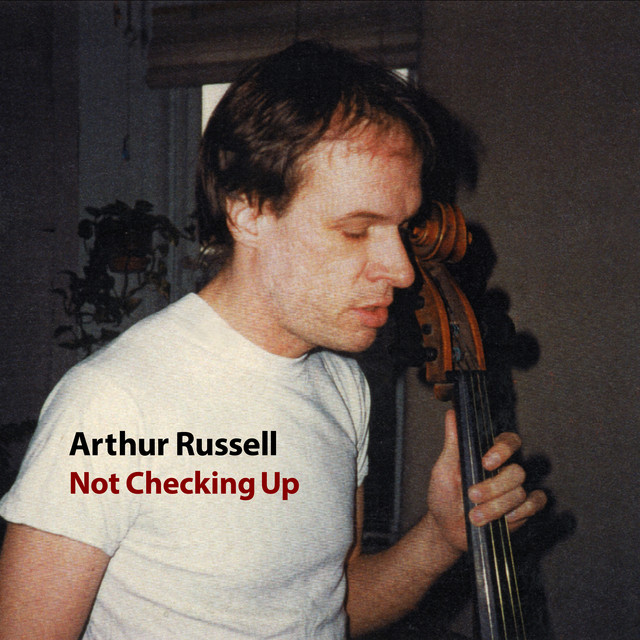
Not Checking Up
Arthur Russell
Modern Cello
2015
Corn
Arthur Russell
Disco
2012
Keep the Lights On (Original Motion Picture Soundtrack)
Arthur Russell
Electronic
Modern Cello
No Wave
2008
1
/5
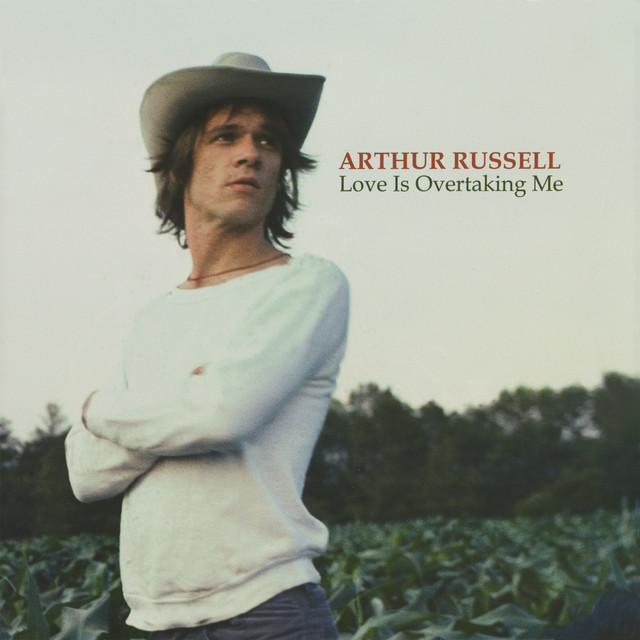
Love Is Overtaking Me
Arthur Russell
Modern Cello
No Wave
Fourth World
2004
1
/5
Love Is Overtaking Me
Arthur Russell
Modern Cello
No Wave
Folk
2004
3
/5
Calling Out Of Context
Arthur Russell
Modern Cello
No Wave
Disco
2002
1
/5
First Thought Best Thought
Arthur Russell
Modern Cello
Electronic
Experimental
1993
3
/5
Another Thought
Arthur Russell
Avant-Folk
Modern Cello
Ambient
1986
3
/5
World of Echo
Arthur Russell
Ambient Pop
Avant-Folk
Modern Cello
1983
Tower of Meaning
Arthur Russell
Avant-Garde
Classical
Experimental
Similar artists
1
/5
Various Artists
Afro-Funk
Alternative Rock
Ambient
3
/5
Stereolab
Experimental Rock
No Wave
Post-Rock
3
/5
Swans
Experimental Rock
Post-Rock
No Wave
3
/5
Hildur Guðnadóttir
Icelandic Experimental
Modern Cello
Classical
4
/5
Brian Eno
Ambient
Krautrock
Experimental
3
/5
CAN
Krautrock
No Wave
Experimental Rock
2
/5
Lizzy Mercier Descloux
No Wave
Disco
Mutant Disco
3
/5
Hiroshi Yoshimura
Ambient
Fourth World
Drone
2
/5
Yu Su
Fourth World
Ambient
Electronic
2
/5
Jefre Cantu-Ledesma
Sound Art
Ambient
Experimental
Download our mobile app
Get the Melodigging app and start digging for new genres on the go
Download on the App Store
Get it on Google Play
© 2026 Melodigging
Give feedback
Legal
Melodding was created as a tribute to
Every Noise at Once
, which inspired us to help curious minds keep digging into music's ever-evolving genres.