Your digging level
Description
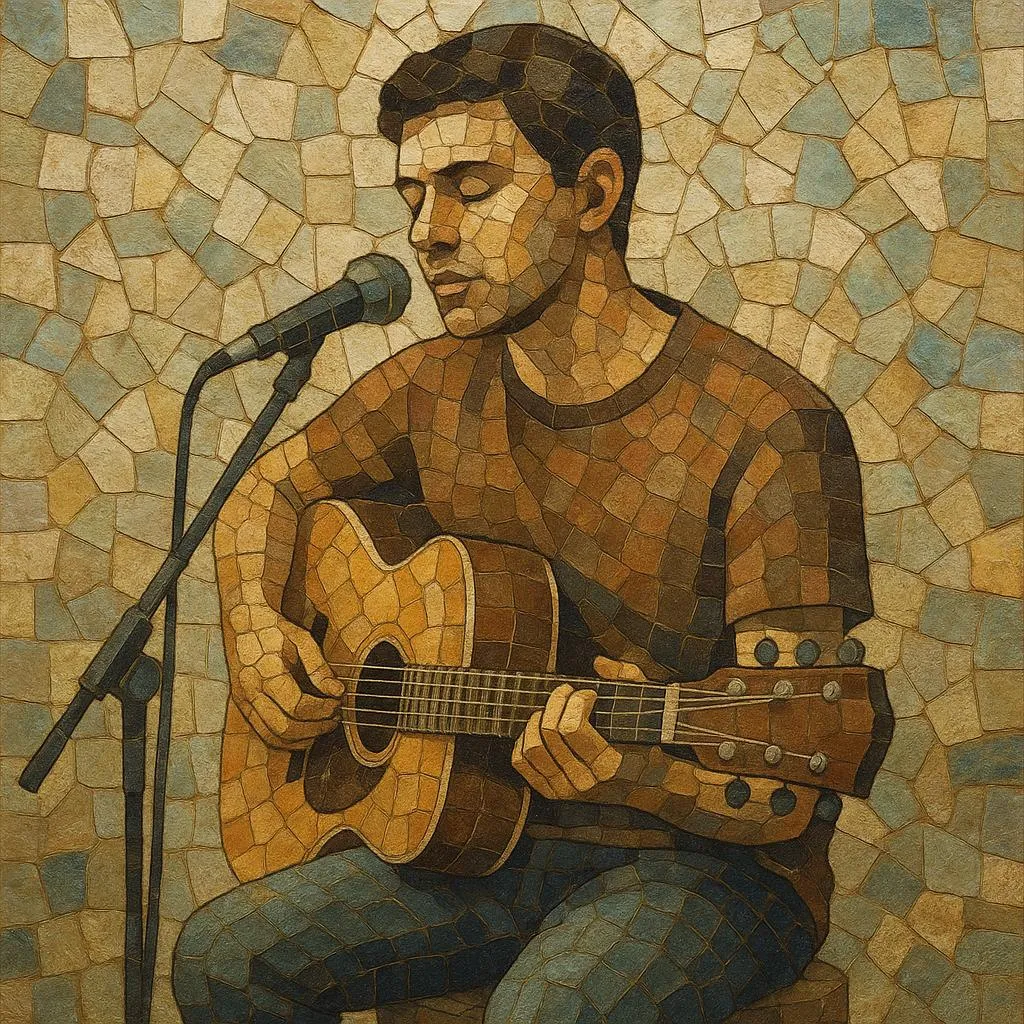
“Cover acústico” (Spanish/Portuguese for “acoustic cover”) refers to intimate, stripped‑down reinterpretations of existing songs performed primarily with acoustic instruments—most often voice with guitar or piano, sometimes light percussion (cajón, brushes) and close‑miked harmonies.
On streaming services and digital stores catering to Iberian and Latin American audiences, the label appears explicitly in titles and artist metadata (e.g., singles or albums tagged “cover acústico”), reflecting a cataloging convention for acoustic versions of well‑known repertoire.
History
Acoustic reinterpretation is as old as popular song culture itself, drawing on folk and singer‑songwriter practice (voice + guitar/piano) and on the tradition of performing alternate, “unplugged” versions for radio or small venues. The late‑1980s launch of MTV Unplugged popularized the idea of recasting hits acoustically for a mass audience.
Blockbuster acoustic sets—most famously Eric Clapton’s Grammy‑winning Unplugged (1992) and other high‑profile sessions—cemented the commercial and aesthetic legitimacy of stripped‑down covers and re‑arrangements. Retrospectives continue to frame Unplugged as a pivotal format that spotlighted songcraft over production.
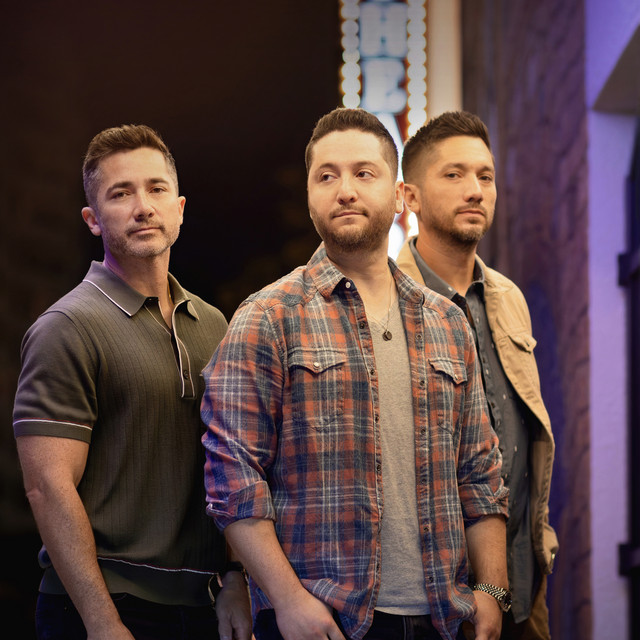
With low‑cost recording and video platforms, thousands of creators built careers on acoustic covers. Groups like Boyce Avenue and solo artists such as Leroy Sánchez, Madilyn Bailey, Daniela Andrade, and Sofia Karlberg grew large followings by releasing close‑miked, guitar‑ or piano‑led versions of contemporary hits—often bilingual for global audiences. This creator ecosystem normalized “acoustic cover” as a global micro‑scene, of which “cover acústico” is the Iberian/Latin market label.
In Spanish‑ and Portuguese‑language catalogs, the convention appears directly in titles and artist pages (e.g., ‘Cover Acústico’ EPs/singles), and even mainstream Latin genres have issued acoustic re‑versions marketed for relaxed listening (e.g., a platform‑curated “Reggaetón Acústico”). This solidified “cover acústico” as a searchable label rather than a strict stylistic rule.
• Pick a well‑known song whose melody and lyric will survive minimal backing. Transpose to place the vocal comfortably (often down a whole or minor third for pop hits).
• Core setups: voice + acoustic guitar or voice + piano. Add light percussion (cajón, shaker, side‑stick), a second guitar for finger‑picked arpeggios, or a subtle pad (harmonium/soft synth) only if it doesn’t break the “unplugged” feel.
• Use close miking and dry mixes to keep intimacy; double‑track lead or add tight thirds/sixths for choruses.
• Thin dense pop chords to triads or add tasteful color (sus2/sus4, add9) for openness. Try relative‑minor reframing or modal interchange (♭VII, IVm) to shift mood without over‑arranging.
• Slow the tempo 5–20 BPM vs. the original for a contemplative feel; use fingerstyle, broken‑chord piano, or light bossa/folk patterns. If the original is dance‑heavy, imply the groove with percussive guitar taps or left‑hand piano ostinatos.
• Start sparse (solo voice + single instrument), add harmony or a counter‑melody in verse 2, crest dynamically at the bridge, and end with a rubato tag or soft falsetto refrain.
• If targeting Iberian/Latin audiences, consider Spanish/Portuguese lyric versions or bilingual refrains; prioritize diction, breath control, and narrative phrasing to foreground the lyric.
• Small‑diaphragm condenser on guitar (12th‑fret, off‑axis) + large‑diaphragm on voice, 24‑bit at low noise; minimal compression (2:1–3:1), gentle high‑shelf air (10–12 kHz), and plate or room reverb under 1.2 s to preserve closeness.