Genres
Artists
Albums
Make Music
Sign in
Sign in
Artists
Indie Folk
Artists
Indie Folk
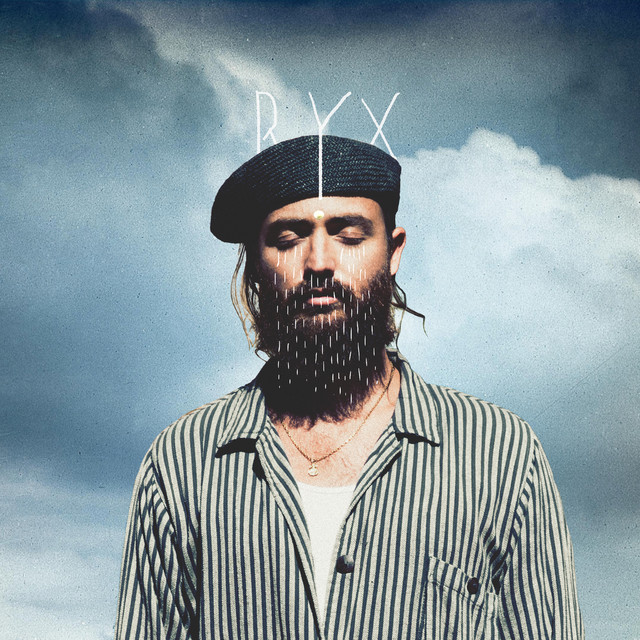
RY X
2016
·
1 album
Listen
4
/5
Genres
Lo-Fi Product
Lo-fi product is a micro–genre of lo-fi hip hop tailored for "product" use-cases: background beds for ads, explainer videos, tutorials, livestreams, apps, and UX/product demos. It keeps the warm vinyl patina, jazzy chords, and relaxed drums of lo-fi hip hop, but avoids attention-grabbing elements (vocals, intrusive melodies, dramatic drops) to remain non-distracting and fully licensable. Tracks are usually short, loopable, and delivered in multiple cutdowns (60/30/15 seconds, stings, loop stems) for commercial editorial and production work. Compared to artist-first lo-fi, lo-fi product is more neutral in mood, sparser in arrangement, cleaner in rights (no uncleared samples), and mastered for consistent, unobtrusive playback in mixed media contexts.
Discover
Listen
Nervous Music
Nervous music is a dark, minimal subgenre of hip hop that foregrounds ominous atmosphere over virtuoso melody. It is defined by heavy, chest-rattling sub‑bass (often 808s with long tails and glide), simple, repeating minor-key motifs, and slow, sparse, slamming drums. The space between sounds is intentional: roomy mixes, few layers, and austere arrangements build a sense of menace and unease. Vocals, when present, tend to be low-register, restrained, and intimidating, favoring short phrases, whispered ad‑libs, and tight rhyme density over melodic hooks. The style proliferated online as a beat-tag and micro-scene for rappers seeking sinister, brooding instrumentals—bridging modern trap drum design with the shadowy mood of horrorcore and the negative space of cloud rap.
Discover
Listen
Liquid Riddim
Liquid riddim is a melodic, atmospheric strain of riddim dubstep that fuses the sparse, half‑time bounce and call‑and‑response bass writing of riddim with the lush pads, emotive chord progressions, and airy textures of liquid drum and bass. Compared with heavier festival riddim, liquid riddim favors fluid, legato bass timbres, glassy arpeggios, and generous reverb and delay. The result is a sound that remains dance‑floor friendly at 140 BPM yet leans introspective, dreamy, and sentimental, often using water‑like foley, silky supersaw layers, and soft vocal chops to enhance its “liquid” aesthetic.
Discover
Listen
Indie Anthem-Folk
Indie anthem-folk blends the intimate storytelling and acoustic textures of indie folk with the big, festival-ready hooks and dynamics of anthemic pop-rock. You’ll hear stomping four-on-the-floor kick patterns, clap-and-tambourine backbeats, and rousing gang vocals that swell into shout-along choruses. Acoustic guitars, banjo, mandolin, and occasional fiddle carry bright, diatonic melodies, while floor toms, handclaps, and “whoa-oh” refrains turn small ideas into communal singalongs. Lyrically, it leans into themes of resilience, friendship, wanderlust, and hopeful nostalgia—music designed for campfire intimacy that scales to arena-sized catharsis.
Discover
Listen
Flint Sound
Flint sound is a contemporary Michigan rap style centered in Flint, United States. It is characterized by fast, minimal, piano- or organ-led beats, dry and upfront vocals, and bar-by-bar “punch‑in” delivery that often rides slightly ahead of or behind the grid for a conversational, off‑kilter feel. The production typically favors bright piano loops, staccato 808 slides, crisp claps or rimshots, and sparse percussion, leaving plenty of space for relentless punchlines, gritty street reportage, and mischievous humor. While hard-edged and streetwise, the style frequently leans into charismatic personality and wit, making it both aggressive and infectious for dancing.
Discover
Listen
Indiecoustica
Indiecoustica blends the intimacy of acoustic singer‑songwriter traditions with the melodic sensibilities of indie pop and the organic warmth of indie folk. Typically centered on fingerpicked or lightly strummed acoustic guitar (often paired with piano, soft percussion, and stacked vocal harmonies), the style favors close‑mic'd vocals, gentle dynamics, and evocative, cinematic builds. Its songs are crafted for emotional immediacy and clarity, making the genre a frequent fit for sync placements in film, television, and branded content. Arrangements are spacious and textural rather than dense, using handclaps, stomps, shakers, glockenspiel, and subtle strings to add lift without overpowering the core acoustic performance.
Discover
Listen
Post-Dubstep
Post-dubstep is a loosely defined wave of UK-born electronic music that grew out of dubstep but moved away from its rigid 140 BPM wobble-bass formula. It keeps the bass-weight, sound-system focus, and rhythmic syncopation of dubstep and UK garage, but folds in house and techno tempos, R&B vocal chops, ambient space, and experimental production. Typical tracks explore 120–135 BPM (not fixed at 140), use broken 2‑step/garage swing instead of 4/4, and favor detailed sound design over maximal drops. You’ll often hear hushed, intimate vocals (sampled or original), neo-soul/jazz-influenced chords, and micro-edited percussion with lots of negative space. The mood is frequently introspective, melancholic, and textural—more headphone-oriented than festival-leaning—yet still rooted in club culture.
Discover
Listen
Sleep
Sleep is a functional music category designed to support falling asleep and sustaining restful, uninterrupted sleep. It favors extremely low stimulation: slow or absent pulse, very soft dynamics, long envelopes, and timbres that avoid sharp transients. Stylistically, it borrows from ambient and new-age traditions (drones, gentle pads, soft piano), environmental and field recordings (rain, waves, wind), and unobtrusive tonal fragments. Production emphasizes smooth spectral balance, minimal movement, and gradual change so the listener can disengage without sudden arousal. In the streaming era, “sleep” became a distinct, curated space: long-form tracks and continuous mixes, colored-noise beds, and sparse neoclassical motifs, optimized for bedtime routines, night-long playback, and bedroom acoustics.
Discover
Listen
Tulum
Tulum is a contemporary electronic dance music sound that crystallized around the boutique party scene in Tulum, Mexico, during the 2010s. It blends deep, organic house grooves with downtempo sensibilities, hand-played percussion, and "world"-leaning timbres such as oud, bansuri, handpan, and Latin guitar. The style favors warm, analog textures; modal, minor-key harmonies (often Dorian or Phrygian); long, reverb-washed atmospheres; and subtle, mantra-like vocals or chants. Tempos usually sit between 112–120 BPM, with earthy polyrhythms and shuffling, Afro- and Latin-influenced percussion propelling a hypnotic four-on-the-floor. Aesthetically, the Tulum sound is associated with sunrise/sunset beach settings, bohemian design, and a wellness-forward, festival-adjacent culture. Musically it overlaps with the broader “organic house/downtempo” movement while retaining a distinctly tropical, ritualistic character.
Discover
Listen
Workout Product
Workout product is a functional, production-oriented music micro-genre built for high-energy exercise contexts—HIIT, cardio, strength circuits, spin, and bootcamps. Rather than being artist-led, it is library- and catalog-driven: concise, loop-friendly tracks emphasize a steady, powerful four-on-the-floor pulse, simple hyping hooks, and drop-focused structures that sustain intensity. Typical tempos fall in the 120–150 BPM range (often synced to rep cadence or interval timers), with bright, compressed sonics, sidechained bass, and clear transitional cues for work/rest blocks. It draws from mainstream EDM and dance-pop (big-room builds, future-bass lift, electro-house grit) and modern pop/rap percussion. The result is highly motivational, durable background music that helps pace workouts and energize group classes, digital fitness content, and gym environments.
Discover
Listen
Writing
Writing is a functional, streaming-era microgenre designed to support reading and writing by providing an unobtrusive sonic backdrop. It favors gentle dynamics, sparse textures, and a stable emotional temperature that reduces distraction while maintaining a subtle sense of flow. The sound palette commonly blends modern classical elements (felt piano, light strings), ambient pads and drones, soft post-rock guitars with long reverb tails, and understated downtempo or lo-fi rhythms. Tempos are typically slow to moderate (often 60–90 BPM) or pulse-free, with simple, repetitive motifs and gradual evolution rather than dramatic contrasts. Harmonically, it leans on consonant, slowly changing chords, modal centers, and extended triads for warmth, avoiding sharp dissonance or sudden modulations. Vocals, when present at all, are wordless; most tracks are instrumental to preserve focus.
Discover
Listen
Deep Indie Pop
Deep indie pop is a moody, finely textured branch of indie pop that favors introspective songwriting, soft-focus production, and intimate vocal delivery. It sits between bedroom pop and dream pop, borrowing lo‑fi warmth and hazy ambience while maintaining the hook sensibility of pop. Compared with mainstream indie pop, the "deep" variant leans toward slower to mid‑tempo grooves, lush synth pads, chorus‑soaked guitars, and subdued drum programming. Lyrics often explore memory, late‑night reflection, and bittersweet romance, presented with close‑miked, breathy vocals and understated arrangements.
Discover
Listen
Deep Deep Tech House
Deep deep tech house is a particularly stripped‑back, hypnotic strain of tech house that leans heavily into deep house harmony and minimal, dub‑tinged textures. It keeps the 4/4 groove and club functionality of house while favoring restrained arrangements, long tension arcs, and subtle sound‑design over big breakdowns. Typical tempos sit around 120–126 BPM; drums emphasize tight 909‑style hats and crisp, short kicks; basslines are warm, rolling subs that lock with lightly swung percussion; harmonic content tends to be sparse—muted chord stabs, airy pads, and occasional soulful vocal fragments used as texture rather than focal hooks. The overall aim is an immersive “head‑down” flow that rewards long blends and extended sets. The palette and structure trace back to tech house’s fusion of house and techno and to deep house’s smoother harmonies.
Discover
Listen
Gauze Pop
Gauze pop is a hazy, soft‑focus strain of indie and electronic pop built around breathy vocals, blurred textures, and nostalgic synth palettes. The term evokes music that feels veiled—like hearing a pop song through gauze—where reverb, delay, chorus, and tape‑like warble soften contours and melt rhythms into a pastel wash. Musically it blends the tunefulness of synth‑pop and indietronica with the dreamy atmospherics of chillwave and dream pop. Tempo tends to sit in a relaxed mid‑range, drums are cushioned and low‑passed, and harmonies favor warm major‑7ths and add9 colors. The result is intimate, memory‑soaked pop that’s equal parts bedroom‑made and cinema‑wide.
Discover
Listen
Organic Ambient
Organic ambient is a strain of ambient music that emphasizes natural, acoustic, and tactile timbres over purely synthetic ones. Its sound world is built from softly mic’d pianos and guitars, mallet percussion, strings, voice layers, and environmental field recordings (wind, water, birds, room tone), then gently processed with spacious reverbs, tape warmth, and subtle granular or delay treatments. Compared with classic electronic ambient, the adjective “organic” points to breath, touch, and the audible presence of rooms and spaces: creaking pedals, bow noise, finger sounds on strings, and a bed of environmental sound. Harmony tends toward consonant, slowly evolving chords; rhythm is minimal or absent; and dynamics are restrained, inviting calm, contemplation, and connection with place.
Discover
Listen
Pop Urbaine
Pop urbaine is a French mainstream pop style that blends contemporary R&B, hip hop, Afrobeats, dancehall, zouk, raï, and reggaeton with chart‑friendly songwriting. It emphasizes melodic hooks, mid‑tempo grooves, and sleek vocal production (often with Auto‑Tune) while foregrounding everyday, romantic, and nightlife themes in colloquial French. Rhythmically it favors syncopated Afro‑Caribbean patterns, sparse but bouncy 808 drums, and light guitar or synth plucks, creating a buoyant, danceable feel without the aggressiveness of club music. Vocals typically alternate between sung refrains and rap‑influenced verses, with catchy refrains designed for streaming and social media virality. The genre became a defining sound of French popular culture in the late 2010s, driven by a new generation of Francophone artists with diasporic roots who globalized French pop while keeping its language and local slang at the center.
Discover
Listen
Dark Disco
Dark disco is a mid‑tempo, nocturnal strain of club music that fuses the hypnotic pulse of disco with the grit of post‑punk, EBM, coldwave, and industrial. It favors ominous basslines, minor‑key harmonies, reverb‑soaked guitars and vocals, and analog synth textures, resulting in a moody, cinematic atmosphere that is equally suited to sweaty basements and late‑night festival stages. Tempos typically sit between 105–120 BPM, with emphasis on groove, tension, and shadowy drama rather than maximal speed or brightness.
Discover
Listen
Deep Tech
Deep tech (often shorthand for deep tech house) is a stripped‑back, groove‑led branch of house/tech house that emphasizes hypnotic repetition, swing, and sound design over big hooks. Typical tracks sit around 124–128 BPM, use tight, shuffling drum programming, and rely on deep sub‑bass, crisp hi‑hats, and minimal, percussive motifs. Harmony tends to be sparse—dubby chords, single‑note stabs, or short pads—leaving space for long DJ‑friendly arrangements. Vocals, if present, are usually snippets or whispered phrases processed with delay and reverb to blend into the texture rather than sit on top. The result is functional and heady: music optimized for long, seamless mixes, late‑night dancefloors, and a rolling, understated energy rather than explosive drops.
Discover
Listen
Indie Folk
Indie folk blends the DIY ethos and sonic aesthetics of independent rock with the acoustic instrumentation, intimate storytelling, and melodic simplicity of traditional folk. Timbres are typically warm and organic—fingerpicked acoustic guitars, close-mic’d vocals, subtle percussion, and spare ornamentation from banjo, mandolin, harmonium, or strings. Production often favors natural room ambiance, tape hiss, and gentle compression over glossy polish, creating a sense of proximity and emotional candor. Lyrically, the style is reflective and poetic, focusing on personal narratives, place, nature, spirituality, and memory. Harmony tends to be diatonic and modal, with drones, open tunings, and layered vocal harmonies adding depth. While understated, arrangements can scale into lush, choir-like textures and chamber-folk swells, balancing fragility with grandeur.
Discover
Listen
Downtempo
Downtempo is a mellow, groove-oriented branch of electronic music characterized by slower tempos, plush textures, and a focus on atmosphere over dancefloor intensity. Typical tempos range from about 60–110 BPM, with swung or laid-back rhythms, dub-informed basslines, and warm, jazz-tinged harmonies. Stylistically, it blends the spaciousness of ambient, the head-nodding rhythms of hip hop and breakbeat, and the cosmopolitan smoothness of lounge and acid jazz. Producers often use sampled drums, Rhodes or Wurlitzer electric pianos, guitar licks with delay, and field recordings to create intimate, cinematic soundscapes. The mood spans from soulful and romantic to introspective and dusk-lit, making it a staple of after-hours listening, cafes, and relaxed club back rooms.
Discover
Listen
Drum And Bass
Drum and bass (DnB) is a fast, rhythmically intricate form of electronic dance music centered on breakbeats at roughly 160–180 BPM and powerful, sub‑heavy basslines. It grew out of the UK’s early ’90s rave and jungle scenes, combining chopped funk breaks (most famously the Amen break), dub and reggae sound‑system aesthetics, hip‑hop sampling, and techno’s futurist sound design. Across its many substyles—liquid funk’s soulful harmonies, techstep and neurofunk’s cold, machine‑like bass engineering, jump‑up’s hooky bass riffs, atmospheric DnB’s pads and space—drum and bass remains a DJ‑oriented, dancefloor‑driven genre that prizes tight drum programming, deep low end, and precise arrangement for mixing.
Discover
Listen
Dance
Dance (as a broad, mainstream club- and radio-oriented style) is pop-leaning music designed primarily for dancing, characterized by steady, driving beats, catchy hooks, and production that translates well to nightclubs and large sound systems. It emerged after disco, blending four-on-the-floor rhythms with electronic instrumentation and pop songwriting, and it continually absorbs elements from house, techno, Hi-NRG, synth-pop, and later EDM. Tempos commonly fall between 110–130 BPM, vocals often emphasize memorable choruses, and arrangements are structured for both club mixing and mass appeal.
Discover
Listen
Pop
Pop is a broad, hook-driven style of popular music designed for wide appeal. It emphasizes memorable melodies, concise song structures, polished vocals, and production intended for radio, charts, and mass media. While pop continually absorbs elements from other styles, its core remains singable choruses, accessible harmonies, and rhythmic clarity. Typical forms include verse–pre-chorus–chorus, frequent use of bridges and middle-eights, and ear-catching intros and outros. Pop is not defined by a single instrumentation. It flexibly incorporates acoustic and electric instruments, drum machines, synthesizers, and increasingly digital production techniques, always in service of the song and the hook.
Discover
Listen
Electronic
Electronic is a broad umbrella genre defined by the primary use of electronically generated or electronically processed sound. It encompasses music made with synthesizers, drum machines, samplers, computers, and studio/tape techniques, as well as electroacoustic manipulation of recorded or synthetic sources. The genre ranges from academic and experimental traditions to popular and dance-oriented forms. While its sonic palette is rooted in electricity and circuitry, its aesthetics span minimal and textural explorations, structured song forms, and beat-driven club permutations. Electronic emphasizes sound design, timbre, and studio-as-instrument practices as much as melody and harmony.
Discover
Listen
Show all 24 genres
Albums
2016
4
/5
Dawn
RY X
Indie Anthem-Folk
Indie Folk
Similar artists
4
/5
Øneheart
Hardwave
Ambient
Dark Ambient
4
/5
reidenshi
Dark Ambient
Calming Instrumental
Deep Soundtrack
4
/5
Mareux
Dark Synthpop
Dark Wave
Chill Phonk
4
/5
my head is empty
Ambient
Dark Ambient
Ambient Lo-Fi
3
/5
Vague003
Sad Lo-Fi
Flint Sound
Modern Downshift
5
/5
XXXTENTACION
Emo Rap
Miami Hip Hop
Hip Hop
1
/5
Various Artists
Afro-Funk
Alternative Rock
Ambient
4
/5
The Paper Kites
Stomp And Flutter
Stomp And Holler
Indie Anthem-Folk
4
/5
Hollow Coves
Indie Folk
Indie Anthem-Folk
Indiecoustica
3
/5
Old Sea Brigade
Indie Folk
Indie Anthem-Folk
Folk Pop
Download our mobile app
Get the Melodigging app and start digging for new genres on the go
Download on the App Store
Get it on Google Play
© 2026 Melodigging
Give feedback
Legal
Melodding was created as a tribute to
Every Noise at Once
, which inspired us to help curious minds keep digging into music's ever-evolving genres.