Genres
Artists
Albums
Make Music
Sign in
Sign in
Artists
Dance-Rock
Artists
Dance-Rock
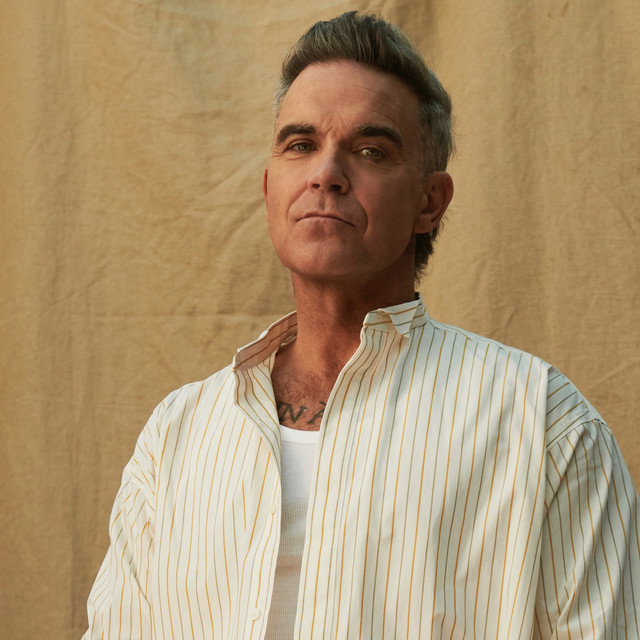
Robbie Williams
2000–2026
·
6 albums
Listen
4
/5
Genres
Spectra
Spectra is a contemporary, internet-native microgenre of moody alternative electronic and R&B-adjacent music characterized by spectral, hazy textures, soft-focus vocals, and lush, wide stereo sound design. It blends downtempo grooves with post-dubstep sound palettes, dreamy pads, and understated, melancholic songwriting. Production often favors granular and time-stretched atmospheres, filtered synths, submerged bass, and delicate percussion patterns that feel intimate yet cinematic. Vocals are commonly breathy and layered with subtle pitch/formant processing, while harmony leans toward extended, suspended, and add-color chords that emphasize bittersweet, nocturnal moods.
Discover
Listen
Sped-Up Music
Sped-up music is the practice of releasing or circulating versions of existing tracks that have been deliberately accelerated, often with a corresponding pitch raise that produces the classic "chipmunk" timbre. These versions are typically 10–35% faster than the original and are optimized for short‑form video platforms, where quick hooks and heightened energy improve replayability and engagement. While the aesthetic traces back to 2000s nightcore and fan edits on YouTube, the 2020s saw a commercial normalization: labels and artists now issue official “sped up” (and often “slowed”) versions on streaming services. The result is a micro‑genre defined less by unique compositional vocabulary than by a production treatment that recontextualizes mainstream pop, R&B, hip hop, and dance records for viral, danceable, hook‑forward consumption.
Discover
Listen
Chill Pop
Chill pop is a contemporary pop micro‑genre that blends radio‑friendly songwriting with the mellow textures of chillout and lo‑fi aesthetics. It favors soft vocals, smooth synths, clean guitar plucks, understated bass, and relaxed, mid‑tempo grooves. Instead of big, bombastic hooks, chill pop tends toward intimate, conversational melodies and minimal, airy arrangements. Production often borrows from bedroom pop and alternative R&B—subtle trap hi‑hats, warm saturation, roomy reverbs, and gentle side‑chain compression—to create a breezy, pastel sound palette well suited to playlists and late‑night listening. Lyrically, chill pop is introspective and relatable: romance, longing, gentle optimism, and coming‑of‑age themes delivered in a plain‑spoken, whisper‑close tone. The result sits between indie pop’s understated cool and mainstream pop’s catchy structures, optimized for the streaming era’s mood‑driven consumption.
Discover
Listen
Modern Indie Folk
Modern indie folk is a 2010s-era evolution of indie folk that blends intimate, acoustic songwriting with contemporary production aesthetics. It keeps the core of folk—storytelling, fingerpicked guitars, and close-miked vocals—but expands the palette with ambient textures, chamber-style strings, subtle electronics, cinematic reverb, and spacious, headphone-first mixes. The result is a sound that feels both handcrafted and atmospheric: confessional lyrics carried by hushed deliveries, layered harmonies, and warm analog or tape-like saturation, often moving between 4/4 and swaying 6/8/12/8 meters. At its center are themes of memory, nature, relationships, and quiet self-reckoning, expressed through vivid imagery and minimalist arrangements that bloom into emotive crescendos.
Discover
Listen
Tulum
Tulum is a contemporary electronic dance music sound that crystallized around the boutique party scene in Tulum, Mexico, during the 2010s. It blends deep, organic house grooves with downtempo sensibilities, hand-played percussion, and "world"-leaning timbres such as oud, bansuri, handpan, and Latin guitar. The style favors warm, analog textures; modal, minor-key harmonies (often Dorian or Phrygian); long, reverb-washed atmospheres; and subtle, mantra-like vocals or chants. Tempos usually sit between 112–120 BPM, with earthy polyrhythms and shuffling, Afro- and Latin-influenced percussion propelling a hypnotic four-on-the-floor. Aesthetically, the Tulum sound is associated with sunrise/sunset beach settings, bohemian design, and a wellness-forward, festival-adjacent culture. Musically it overlaps with the broader “organic house/downtempo” movement while retaining a distinctly tropical, ritualistic character.
Discover
Listen
432hz
432hz is a wellness-oriented ambient/New Age micro-genre built around tuning music to the alternative concert pitch A=432 Hz instead of the modern standard A=440 Hz. In practice, 432hz releases are largely instrumental, slow-tempo, and reverb-rich, combining soft pads, drones, gentle piano, bowls/chimes, and nature sounds. Tracks are marketed for relaxation, meditation, yoga, sleep, and "energy" or "chakra" work, and are frequently tagged with wellness keywords. While advocates claim psychoacoustic or physiological benefits from 432 Hz tuning, these claims remain unproven; the sound signature audiences respond to is the calm production, consonant harmony, and spacious mixing typical of ambient and New Age music. As a streaming-native style, 432hz thrives on platforms like YouTube and Spotify where long-form background listening, SEO-friendly titling, and looping visuals support use-cases such as study, mindfulness, and sleep.
Discover
Listen
Cover Acustico
“Cover acústico” (Spanish/Portuguese for “acoustic cover”) refers to intimate, stripped‑down reinterpretations of existing songs performed primarily with acoustic instruments—most often voice with guitar or piano, sometimes light percussion (cajón, brushes) and close‑miked harmonies. On streaming services and digital stores catering to Iberian and Latin American audiences, the label appears explicitly in titles and artist metadata (e.g., singles or albums tagged “cover acústico”), reflecting a cataloging convention for acoustic versions of well‑known repertoire.
Discover
Listen
Drikkelek
Drikkelek is a Scandinavian micro‑genre of high‑energy party music built around drinking games. The word itself means "drinking game" in Norwegian/Danish, and the tracks function as soundtracks that give simple, shouted instructions to a crowd (drink, swap seats, point people out, count‑downs) while riding big, festival‑style drops. Musically it blends Eurodance and big‑room/electro‑house sonics—four‑on‑the‑floor kicks, supersaw leads, risers and air‑horn FX—with ultra‑catchy chant hooks and easy rhymes. The tone is playful and rowdy; lyrics favor commands and call‑and‑response over storytelling so the party can follow along instantly. The result is music optimized for pre‑games, party buses/boats, student events and cabin trips across Norway (and neighboring Nordic scenes).
Discover
Listen
High Vibe
High vibe is a contemporary, wellness-oriented microgenre that blends uplifting pop songwriting with gentle electronic textures and spiritually tinged lyrics. It emphasizes positivity, gratitude, self-empowerment, and connection to nature, often employing soothing vocal timbres, airy pads, acoustic guitars or piano, and light, mid-tempo grooves. The production is spacious and warm, favoring reverb-washed atmospheres, soft percussion, and subtle world-influenced instrumentation to create a sense of calm elevation. While rooted in pop accessibility, high vibe draws on new age and devotional traditions, bringing mantra-like hooks and affirmational refrains into modern indie and electronic frameworks.
Discover
Listen
Retro Pop
Retro pop is contemporary pop music that deliberately evokes the sound, songwriting, and studio aesthetics of earlier eras—most commonly the late 1970s and 1980s, but also the 1960s girl‑group era, 1970s disco, soft rock, and early 1990s pop-R&B. Hallmarks include analog-leaning synth textures, danceable four-on-the-floor or funky backbeats, prominent basslines, glossy chorus-heavy guitars, gated-reverb drums, stacked background vocals, and big, unforgettable hooks. While its palette looks backward, retro pop uses modern production workflows—tight low-end, streaming-friendly loudness, and contemporary vocal processing—so it feels nostalgic yet current. Lyrically, retro pop often pairs timeless pop themes (romance, yearning, nightlife, bittersweet memories) with sleek, neon-tinged imagery and cinematic nostalgia, bridging classic pop sensibilities with today’s chart expectations.
Discover
Listen
The Wave
The Wave is a loosely defined cluster of American post-hardcore/emo bands that surged in the early 2010s as emo-pop’s mainstream moment faded. The name was a tongue‑in‑cheek scene tag that stuck in press coverage, but it points to a real overlap in sound, ethos, and touring networks. Musically, The Wave fuses the urgency of 1990s post‑hardcore and screamo with confessional, literate lyric writing associated with emo. Expect shouted or half‑sung/half‑spoken vocals, dynamic quiet‑loud builds, intricate but driving drums, and guitar textures that shift between glassy clean arpeggios and overdriven, emotive climaxes. The songs often emphasize catharsis, narrative detail, and community-minded DIY presentation.
Discover
Listen
Escape Room
Escape room is a data-driven label popularized by Spotify to cluster artists who blur lines between alternative R&B, experimental pop, left-field hip hop, and cutting‑edge club/electronic production. Rather than a strict set of musical rules, it signals a sound defined by textural minimalism, sub‑heavy and off‑kilter rhythms, intimate vocal delivery (often breathy or ASMR-adjacent), and a strong emphasis on sound design and negative space. Songs frequently juxtapose glossy melodies with abrasive or deconstructed percussive layers, creating a stylish, future‑leaning mood that resists easy categorization. The name is unrelated to physical puzzle rooms; instead, it marks music that “escapes” legacy genre boxes while remaining pop‑adjacent and internet‑native in aesthetics and distribution.
Discover
Listen
Pov: Indie
"pov: indie" is a social-media-native microstyle built around short, cinematic indie-pop/indie-rock snippets designed to accompany a first-person (POV) narrative. Instead of being defined by a single new musical technique, it is defined by context: the music is chosen or written to feel like the soundtrack to a specific moment (a crush, a late-night walk, moving to a new city, seasonal nostalgia). Sonically it typically uses bright but soft guitars or synths, intimate vocals, simple memorable hooks, and production that reads clearly on phone speakers. The emotional tone is often wistful, tender, and “coming-of-age,” with lyrics that can be understood quickly in a 10–30 second clip.
Discover
Listen
Britpop Revival
Britpop revival is a 21st‑century resurgence of the bright, catchy guitar‑based British pop/rock associated with 1990s Britpop. Bands in this style channel the melodic immediacy, sing‑along choruses and wry, everyday storytelling of classic Britpop, itself rooted in 1960s British pop and mod. The sound typically features chiming or crunchy guitars, prominent hooks, mid‑to‑up‑tempo backbeats and anthemic refrains that celebrate local identity and ordinary life. Culturally, Britpop revival leans on nostalgia for the "Cool Britannia" moment while updating production sheen and festival‑ready dynamics, often positioning itself as a lively, communal alternative to darker indie trends.
Discover
Listen
Modern Alternative Pop
Modern alternative pop is a broad, internet-era strain of pop that blends mainstream songcraft with left-of-center production, aesthetics, and subject matter. It borrows glossy hooks from radio pop while incorporating indie sensibilities, electronic textures, and experimental arrangement ideas. Lyrics lean confessional and self-aware—often addressing mental health, digital life, identity, and complicated relationships—with an emphasis on personality-forward vocal delivery. Sonically it spans hushed, minimal, bass-forward tracks to bright, synth-led anthems; what unites it is a willingness to break Top 40 conventions while remaining hook-centric and emotionally direct.
Discover
Listen
Weirdcore
Weirdcore is an internet-native microgenre and aesthetic of experimental electronic music that leans into liminal nostalgia, eerie memory, and uncanny ambience. Its sound palette often combines misty pads, degraded samples, tape hiss, and bitcrushed percussion with disembodied voices, classroom and mall PA announcements, retro operating system chimes, and field recordings of empty or transitional spaces. Harmonically, weirdcore favors drones, slowly shifting modal clusters, and ambiguous, memory-warping intervals that feel familiar yet distorted. Rhythm ranges from beatless, foggy soundscapes to brittle, broken 2-step and slow, stumbling downtempo pulses. Heavy time-stretching, granular manipulation, wow-and-flutter, convolution reverbs, and spectral or cassette-style degradation are central to its texture. Although closely tied to a visual aesthetic (liminal spaces, late-night analog glow, low-resolution signage), weirdcore as a musical style is defined by its uncanny collage sensibility: sampling and warping everyday audio detritus until it becomes emotionally charged, melancholic, and faintly unsettling.
Discover
Listen
Britpop
Britpop is a UK-centered movement of the early-to-mid 1990s that revived classic British guitar-pop values—memorable hooks, concise songcraft, and everyday storytelling—while positioning itself as a confident alternative to American grunge. It celebrated Britishness in sound and subject matter, drawing heavily on 1960s and 1970s British pop and rock traditions. Stylistically, britpop tends to feature jangly or crunchy electric guitars, sing-along choruses, and tuneful melodies over straightforward rhythms. Lyrics often focus on ordinary life, class, romance, and wry social observation, typically delivered in unvarnished British accents. The production is generally clean and punchy, favoring clarity over heavy effects and emphasizing immediacy and radio-friendliness.
Discover
Listen
Dance-Rock
Dance-rock is a fusion of rock’s guitar-driven energy with the steady, club-ready pulse of dance music. It favors tight, syncopated rhythm sections, prominent basslines, four-on-the-floor or disco-derived grooves, and the liberal use of synthesizers, sequencers, and drum machines alongside live instrumentation. The style often overlaps with new wave and post-punk, delivering hooky choruses, glossy production, and extended 12-inch remixes designed for DJs and dance floors. Typical sonics include choppy funk guitar, gated-reverb drums, bright synth leads or pads, and pop-leaning vocal melodies with an urbane, stylish aesthetic.
Discover
Listen
Europop
Europop is a broad pop music style that developed in continental Europe and emphasizes catchy melodies, strong hooks, and danceable rhythms. It often features bright, polished production, simple and memorable choruses, and a preference for major keys and sing‑along refrains. While early europop drew on local traditions like schlager and yé‑yé, the genre quickly integrated international influences such as disco, synth‑pop, and new wave. English‑language lyrics are common to facilitate cross‑border appeal, though many hits also mix languages. Europop is closely associated with the Eurovision Song Contest aesthetic—big choruses, theatrical staging, and accessible, universal themes.
Discover
Listen
Pop Rock
Pop rock blends the hook-focused immediacy of pop with the instrumentation and drive of rock. It prioritizes catchy melodies, concise song structures, and polished production while retaining guitars, bass, and drums as core elements. Typical pop rock tracks use verse–pre-chorus–chorus forms, strong vocal harmonies, and memorable riffs. The sound ranges from jangly and bright to mildly overdriven and arena-ready, aiming for radio-friendly appeal without abandoning rock’s rhythmic punch.
Discover
Listen
Rock
Rock is a broad family of popular music centered on amplified instruments, a strong backbeat, and song forms that foreground riffs, choruses, and anthemic hooks. Emerging from mid‑20th‑century American styles like rhythm & blues, country, and gospel-inflected rock and roll, rock quickly expanded in scope—absorbing folk, blues, and psychedelic ideas—while shaping global youth culture. Core sonic markers include electric guitar (often overdriven), electric bass, drum kit emphasizing beats 2 and 4, and emotive lead vocals. Rock songs commonly use verse–chorus structures, blues-derived harmony, and memorable melodic motifs, ranging from intimate ballads to high‑energy, stadium‑sized performances.
Discover
Listen
Pop
Pop is a broad, hook-driven style of popular music designed for wide appeal. It emphasizes memorable melodies, concise song structures, polished vocals, and production intended for radio, charts, and mass media. While pop continually absorbs elements from other styles, its core remains singable choruses, accessible harmonies, and rhythmic clarity. Typical forms include verse–pre-chorus–chorus, frequent use of bridges and middle-eights, and ear-catching intros and outros. Pop is not defined by a single instrumentation. It flexibly incorporates acoustic and electric instruments, drum machines, synthesizers, and increasingly digital production techniques, always in service of the song and the hook.
Discover
Listen
Swing
Swing is a jazz style centered on a buoyant, danceable groove created by a walking bass, four-to-the-bar rhythm guitar, a backbeat emphasis on 2 and 4, and a lilted “swung” eighth-note feel. Typically performed by big bands (saxes, trumpets, trombones, and a rhythm section) as well as small combos, it balances written arrangements with improvised solos. Hallmarks include call-and-response between horn sections, riff-based melodies, shout choruses that build intensity near the end of an arrangement, and rich sectional voicings grounded in blues language and ii–V–I harmonic motion. Tempos range from medium to brisk, serving social dances like the Lindy Hop and Jitterbug. Swing’s expressive phrasing, dance-floor focus, and sophisticated arranging made it the dominant popular music of the late 1930s and early 1940s.
Discover
Listen
Show all 23 genres
Albums
2026
3
/5
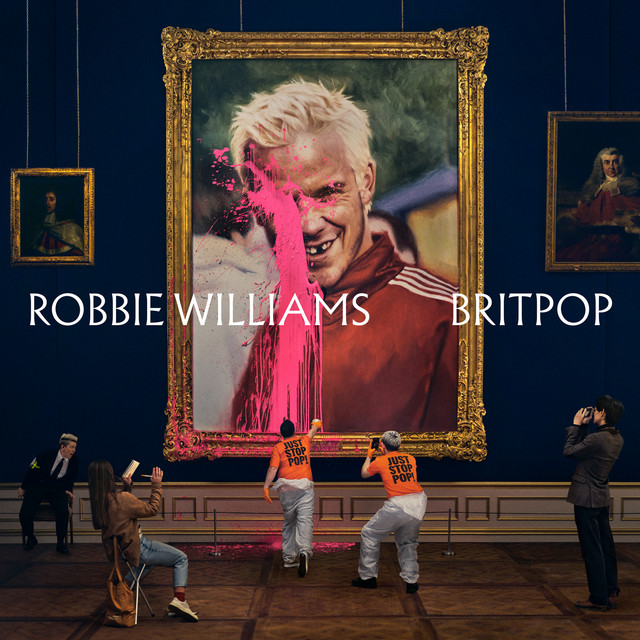
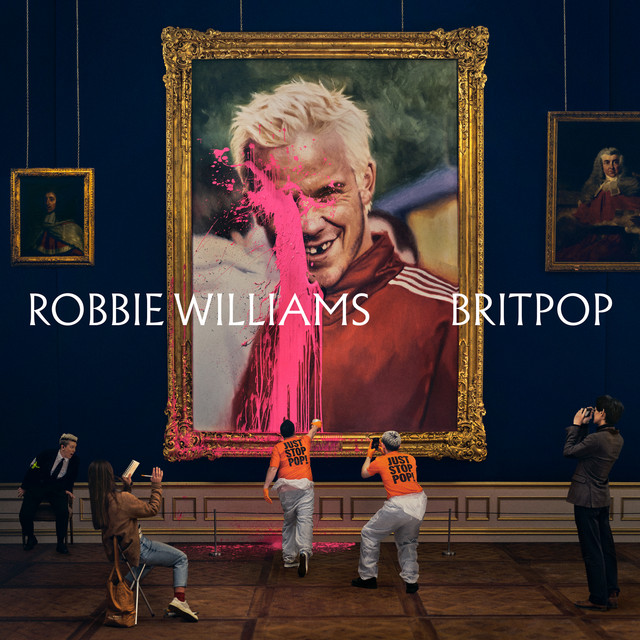
BRITPOP
Robbie Williams
Dance-Rock
Europop
Pop Rock
2025
2
/5
Pretty Face
Robbie Williams
Dance-Rock
2025
2
/5
Pocket Rocket
Robbie Williams
Dance-Rock
Europop
2024
3
/5
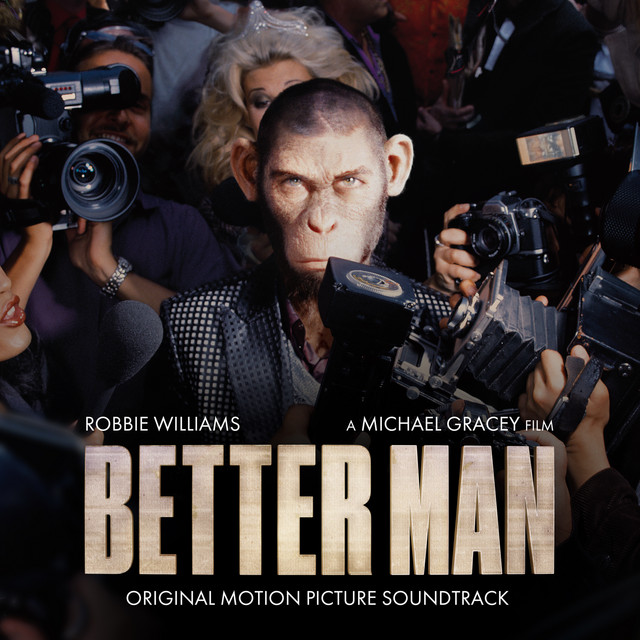
Forbidden Road (From Better Man: Original Motion Picture Soundtrack)
Robbie Williams
Dance-Rock
Europop
2001
3
/5
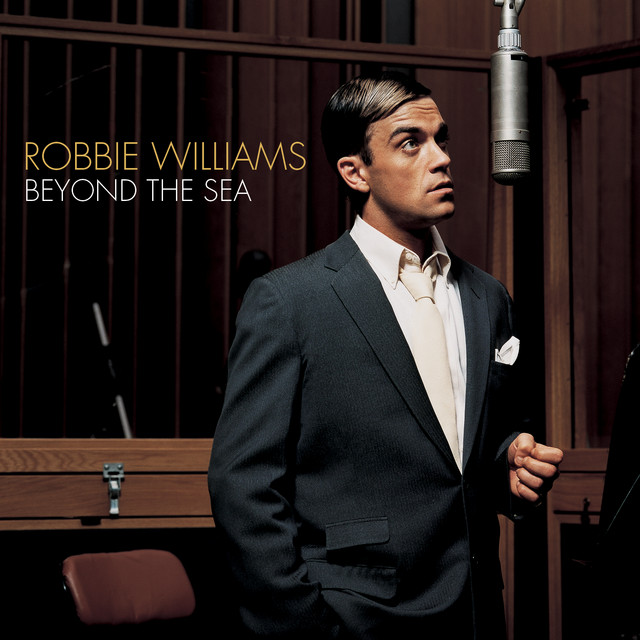
Beyond The Sea
Robbie Williams
Dance-Rock
Europop
2000
3
/5
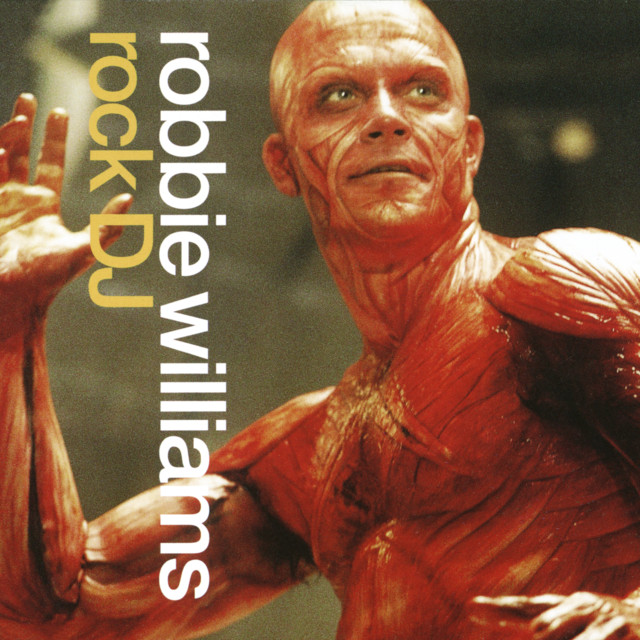
Rock DJ
Robbie Williams
Dance-Rock
Europop
Similar artists
5
/5
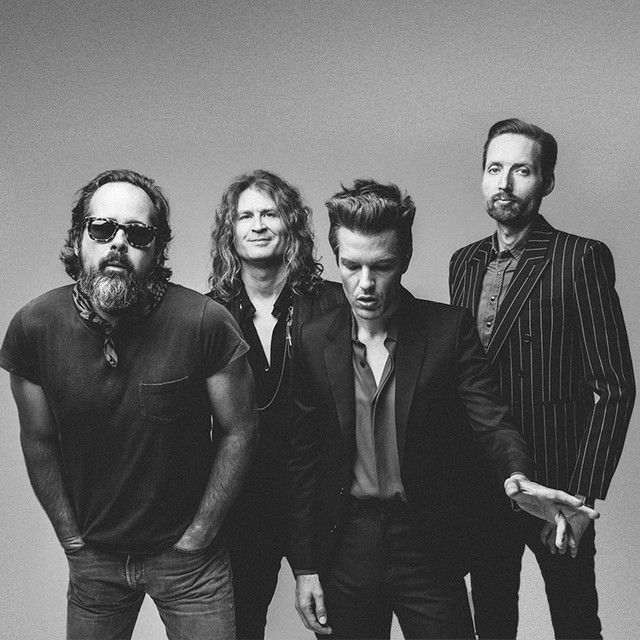
The Killers
Dance-Rock
Alternative Rock
Permanent Wave
5
/5
The Rolling Stones
Rock
Blues Rock
Hard Rock
4
/5
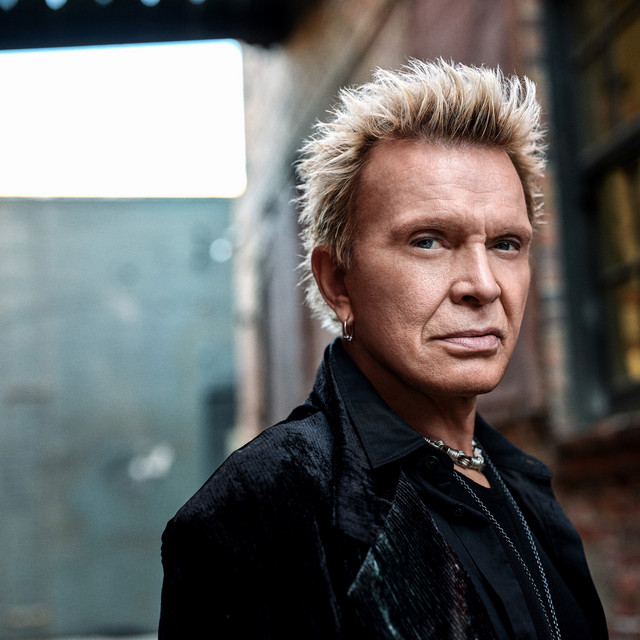
Billy Idol
New Romantic
New Wave
New Wave Pop
5
/5
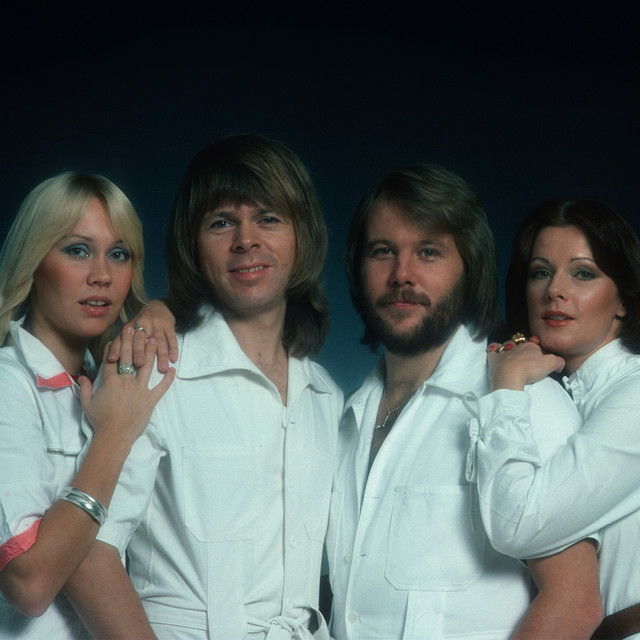
ABBA
Europop
Pop
Swedish Pop
1
/5
Various Artists
Afro-Funk
Alternative Rock
Ambient
4
/5
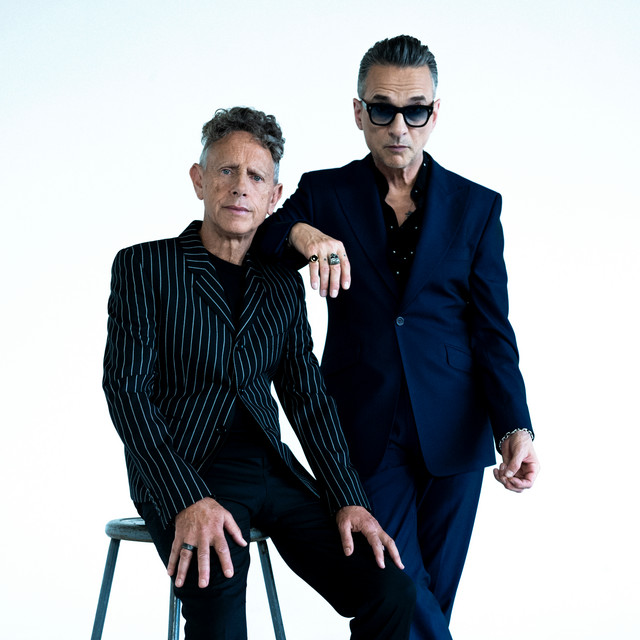
Depeche Mode
Synth-Pop
Electronic
Dance-Rock
4
/5
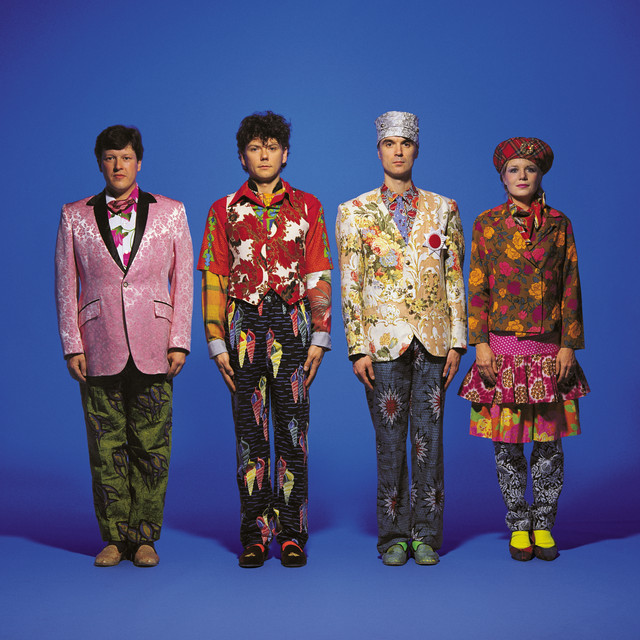
Talking Heads
Art Punk
New Wave
Post-Punk
4
/5
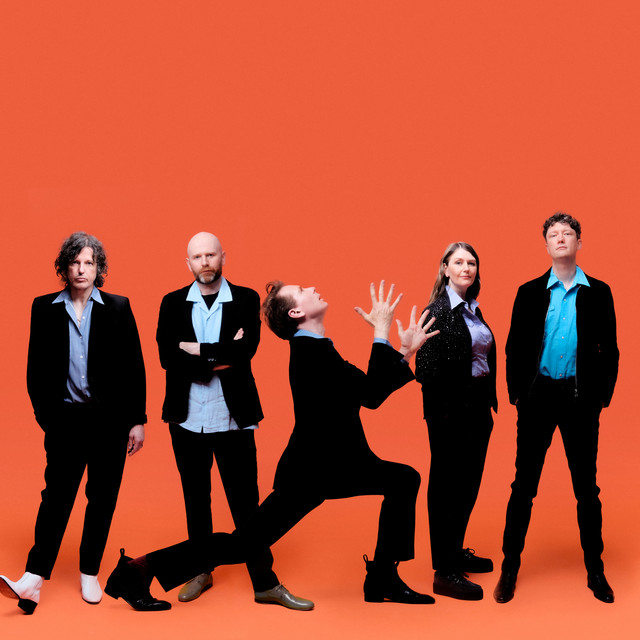
Franz Ferdinand
Indie Rock
Dance-Rock
Chill Pop
5
/5
The Beatles
Merseybeat
Rock
Pop
5
/5
Red Hot Chili Peppers
Alternative Rock
Funk Metal
Funk Rock
Download our mobile app
Get the Melodigging app and start digging for new genres on the go
Download on the App Store
Get it on Google Play
© 2026 Melodigging
Give feedback
Legal
Melodding was created as a tribute to
Every Noise at Once
, which inspired us to help curious minds keep digging into music's ever-evolving genres.