Genres
Artists
Albums
Make Music
Sign in
Sign in
Artists
Old-Time
Artists
Old-Time
Pete Seeger
1954–1999
·
11 albums
Listen
3
/5
Genres
Modern Indie Folk
Modern indie folk is a 2010s-era evolution of indie folk that blends intimate, acoustic songwriting with contemporary production aesthetics. It keeps the core of folk—storytelling, fingerpicked guitars, and close-miked vocals—but expands the palette with ambient textures, chamber-style strings, subtle electronics, cinematic reverb, and spacious, headphone-first mixes. The result is a sound that feels both handcrafted and atmospheric: confessional lyrics carried by hushed deliveries, layered harmonies, and warm analog or tape-like saturation, often moving between 4/4 and swaying 6/8/12/8 meters. At its center are themes of memory, nature, relationships, and quiet self-reckoning, expressed through vivid imagery and minimalist arrangements that bloom into emotive crescendos.
Discover
Listen
Deep Indie Singer-Songwriter
Deep indie singer-songwriter is a micro-genre that spotlights intimate, hushed, and highly personal songwriting crafted outside the mainstream. It blends the confessional lyricism and acoustic focus of the classic singer-songwriter tradition with the understated aesthetics of indie and bedroom production. Arrangements are typically sparse—fingerpicked acoustic guitars, soft pianos, light strings, and subtle electronic atmospheres—so that breathy, close-miked vocals and storytelling take center stage. The overall feel is introspective and reflective, often leaning toward melancholy or tender warmth. Songs prize texture and space over flash, favoring gentle dynamics, slow-to-mid tempos, and an “up-close” emotional delivery that suits late-night listening, film/TV syncs, and reflective playlists.
Discover
Listen
Queer Country
Queer country is a contemporary movement within country and Americana that centers LGBTQ+ voices, stories, and aesthetics while keeping strong ties to classic country songwriting, instrumentation, and vocal styles. Musically, it often draws from traditional country, outlaw country, honky-tonk, and folk-country, but its defining feature is lyrical perspective: songs about queer love, gender expression, chosen family, rural/working-class life, and the tension between tradition and belonging. Rather than being a single fixed sound, queer country is best understood as a scene and cultural re-framing of country music—one that challenges the genre’s historic heteronormativity while celebrating its narrative power and community roots.
Discover
Listen
Americana
Americana is a contemporary umbrella term for U.S. roots music that blends folk, country, blues, bluegrass, gospel, and roots rock into a songwriter-centered, largely acoustic-leaning sound. Hallmarks include story-driven lyrics; warm, organic production; and traditional instrumentation such as acoustic guitar, mandolin, banjo, fiddle, harmonica, pedal steel, upright or electric bass, and restrained drums. Rhythms often draw on the train beat, shuffles, two-step, waltz time, and relaxed backbeats. Harmonically it favors diatonic progressions (I–IV–V, I–vi–IV–V), modal tinges (Mixolydian), and close vocal harmonies. Rather than a rigid style, Americana functions as a bridge among related roots traditions, emphasizing authenticity, regional imagery, and narrative songwriting over genre flashiness.
Discover
Listen
Contemporary Folk
Contemporary folk is a modern evolution of traditional folk aesthetics centered on intimate storytelling, clear melodies, and largely acoustic instrumentation. It favors voice-forward production, fingerpicked or gently strummed guitars, and arrangements that leave space for lyrics to resonate. While rooted in older folk ballad traditions, contemporary folk embraces current themes, production values, and song forms. Artists often blend guitar, banjo, mandolin, fiddle, upright or electric bass, light percussion, and close vocal harmonies, creating a warm, organic sound. The genre frequently addresses personal reflection, social issues, place, memory, and identity, balancing timeless simplicity with contemporary sensibilities.
Discover
Listen
Singer-Songwriter
Singer-songwriter is a song-focused style in which the same person writes, composes, and performs their own material, often accompanying themselves on acoustic guitar or piano. It emphasizes personal voice, lyrical intimacy, and storytelling over elaborate production. Arrangements are typically sparse, allowing the melody, words, and performance nuance to carry the song’s emotional weight. While rooted in folk and blues traditions, singer-songwriter embraces pop and rock songcraft, producing works that can range from quiet confessional ballads to subtly orchestrated, radio-ready pieces.
Discover
Listen
Folk Rock
Folk rock is a fusion genre that blends the narrative lyricism, modal melodies, and acoustic timbres of traditional folk with the backbeat, amplification, and song structures of rock. It typically pairs acoustic or traditional instruments (acoustic guitar, mandolin, fiddle) with a rock rhythm section (electric guitar, bass, drums), often featuring chiming 12‑string guitar textures, close vocal harmonies, and socially conscious or storytelling lyrics. The result ranges from intimate, reflective ballads with a steady backbeat to more anthemic, roots‑driven rock. Emerging in the mid‑1960s through artists such as Bob Dylan and The Byrds, folk rock became a gateway for traditional and roots materials to enter mainstream popular music, and it seeded later movements from country rock and Americana to jangle pop and modern indie folk.
Discover
Listen
Greenwich Village Scene
The Greenwich Village scene refers to the acoustic folk- and blues-centered singer‑songwriter movement that coalesced in the coffeehouses, clubs, and streets of Greenwich Village in New York City during the late 1950s and especially the early to mid‑1960s. Rather than a single strict musical genre, it was a fertile urban hub where traditional American folk, country blues, and topical songwriting converged. Artists favored intimate, lyric‑driven songs performed with acoustic guitar, unadorned vocals, and occasional harmonica, emphasizing storytelling, social commentary, and a direct connection with audiences. The scene’s clubs—Gerde’s Folk City, the Gaslight Café, Café Wha?, and Café Au Go Go—nurtured emerging writers who transformed folk traditions into contemporary protest, confessional, and narrative songs, laying the groundwork for the modern singer‑songwriter and the rise of folk rock.
Discover
Listen
Pop Rock
Pop rock blends the hook-focused immediacy of pop with the instrumentation and drive of rock. It prioritizes catchy melodies, concise song structures, and polished production while retaining guitars, bass, and drums as core elements. Typical pop rock tracks use verse–pre-chorus–chorus forms, strong vocal harmonies, and memorable riffs. The sound ranges from jangly and bright to mildly overdriven and arena-ready, aiming for radio-friendly appeal without abandoning rock’s rhythmic punch.
Discover
Listen
Educational Music
Educational music is a functional genre designed specifically to facilitate learning and retention of information through song. It leverages musical elements like rhythm, rhyme, and melody to act as mnemonic devices, making complex or rote information (such as the alphabet, multiplication tables, historical facts, or scientific concepts) easier to memorize. While often overlapping with children's music, it is distinct in its primary pedagogical intent. The genre ranges from simple folk-based nursery rhymes to sophisticated pop and rock compositions found in television edutainment, and more recently, hip-hop and electronic styles used in online educational content.
Discover
Listen
Bluegrass
Bluegrass is a style of American roots music that coalesced in the Appalachian region in the 1940s around Bill Monroe and his Blue Grass Boys. It is defined by all‑acoustic instrumentation (typically fiddle, mandolin, 5‑string banjo, guitar, and upright bass, with dobro often added), virtuosic ensemble interplay, and a distinctive “high lonesome” lead vocal timbre supported by tight three‑part harmonies. Musically, bluegrass fuses African American blues and jazz phrasing with Anglo‑Celtic ballads and dance tunes. Hallmarks include driving tempos, syncopated 3‑finger banjo rolls (popularized by Earl Scruggs), off‑beat mandolin “chop” backbeats, boom‑chuck guitar rhythm, two‑beat bass, and alternating instrumental “breaks.” Repertoires mix breakdowns and fiddle tunes with narrative ballads, gospel numbers, and contemporary songwriter material.
Discover
Listen
Folk
Folk is a song-centered acoustic tradition rooted in community storytelling, everyday life, and social history. It emphasizes clear melodies, simple harmonies, and lyrics that foreground narrative, protest, and personal testimony. As a modern recorded genre, folk coalesced in the early-to-mid 20th century in the United States out of older ballad, work song, and rural dance traditions. It typically features acoustic instruments (guitar, banjo, fiddle, mandolin, harmonica), strophic song forms, and participatory singing (choruses, call-and-response).
Discover
Listen
Lecture
Lecture is a spoken-word audio genre centered on the delivery of information and ideas by a single speaker (or a small panel) to an audience. It prioritizes clarity, structure, and rhetorical craft over musical accompaniment, with production focusing on intelligible voice capture and minimal sonic distraction. As a recorded format, lecture evolved from public oratory and classroom teaching into publishable audio: first on phonograph cylinders and 78 rpm discs, later on LPs, cassettes, CDs, and today via digital streaming, podcasts, and open courseware. Topics span philosophy, science, social theory, religion, psychology, technology, and public policy. A typical lecture has an introduction that frames the thesis, a body that progresses through signposted sections and examples, and a conclusion that synthesizes takeaways—sometimes followed by audience Q&A. Audience ambience, brief applause, or light cues may be present, but music beds are rare or restrained.
Discover
Listen
Old-Time
Old-time is a North American string-band tradition rooted in the rural South and Appalachia, where fiddles and banjos lead dance tunes, ballads, and breakdowns. It emphasizes a steady, trance-like groove for social dancing, ensemble playing over solos, and strong melodic riffs supported by drones and rhythmic ostinati. The sound blends British Isles balladry and fiddle repertory with African American banjo technique and rhythmic sensibilities. Tunes are commonly modal (Dorian, Mixolydian, Aeolian), arranged in two repeated strains (AABB), and played for extended durations to serve square and contra dancing. Vocals, when present, are often old ballads or topical songs delivered with a plain, direct style.
Discover
Listen
Traditional Folk
Traditional folk is a broad umbrella for orally transmitted songs and dance tunes that circulated in rural and working-class communities before the age of mass recording. Repertoires include narrative ballads, laments, love songs, work songs, lullabies, and instrumental dance sets such as reels, jigs, hornpipes, and marches. Stylistically, traditional folk favors strophic forms, pentatonic or modal melodies (often Dorian and Mixolydian), limited harmonic movement, and strong, memorable tunes designed for communal singing and dancing. Performances range from unaccompanied solo voice to small ensembles built around fiddle, flute/whistle, pipes, concertina/accordion, guitar, banjo, and frame drum. Ornamentation, variation by verse, and flexible tempo are integral, reflecting an oral tradition where songs live through continual reinterpretation. Although it is pan‑regional, the modern idea of “traditional folk” coalesced in the 19th century through collectors and revivalists who documented vernacular music and framed it as cultural heritage.
Discover
Listen
American Folk Music
American folk music is a broad family of traditional and vernacular musics that developed in the United States from the 19th century onward, drawing on British Isles balladry, African American spirituals and work songs, Native American traditions, and frontier songs. It is typically acoustic, emphasizing voice and narrative over virtuoso display. Common instruments include acoustic guitar, banjo, fiddle, harmonica, mandolin, dulcimer, and upright bass. Forms are often strophic with repeated refrains, and melodies frequently use pentatonic or modal scales (Mixolydian, Dorian). Lyrical themes range from love, labor, faith, migration, and rural life to topical protest and social justice. Regional styles—such as Appalachian ballads and string-band music, cowboy songs of the West, maritime shanties of New England, Cajun and Creole influences in Louisiana, and Midwestern and Southwestern dance tunes—sit under the umbrella of American folk, which later fed revivals and singer‑songwriter traditions.
Discover
Listen
German Folk Music
German folk music (Deutsche Volksmusik) is the traditional music of German-speaking regions, encompassing rural dance tunes, narrative ballads, dialect songs, and communal singing traditions. It is typically performed with acoustic instruments such as diatonic button accordion (Steirische Harmonika), zither, hammered dulcimer (Hackbrett), fiddle, clarinet, guitar, double bass, and, in many regions, brass band instruments. Stylistically, it includes dance forms such as Ländler (3/4), Waltz (3/4), Polka (2/4), Schottische (4/4), Rheinländer (2/4), and the Bavarian Zwiefacher (alternating 3/4 and 2/4). Vocal traditions range from narrative and humorous couplet songs to yodeling (Jodeln) in the Alpine areas and Low German (Plattdeutsch) song in the north. Over time, German folk music evolved along two parallel lines: an "authentic" regional practice centered on social dance and local ensembles (Stubnmusi/Tanzlmusi) and a popularized, media-friendly form (volkstümliche Musik) that intersected with Schlager and television entertainment, while later revivals blended folk with rock, pop, and brass idioms (Neue Volksmusik).
Discover
Listen
Industrial Folk Song
Industrial folk song (also called industrial folk music, industrial work song, or industrial working song) is a branch of folk and traditional music that focuses on the lives, risks, and solidarities of industrial laborers. It typically adapts older folk forms—especially narrative ballads and agricultural work songs—into songs about factories, mines, mills, railways, shipyards, and other industrial workplaces. Lyrically, it often documents working conditions, class struggle, accidents and disasters, migration for work, unionization, and protest, while musically it tends to remain direct and singable so groups can perform it together in social or organizing settings.
Discover
Listen
Show all 18 genres
Albums
1999
2
/5
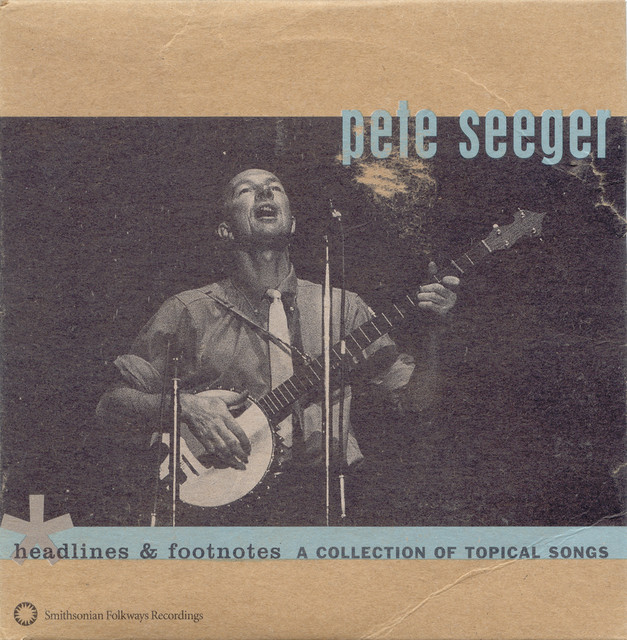
Headlines and Footnotes: A Collection of Topical Songs
Pete Seeger
Old-Time
1998
3
/5
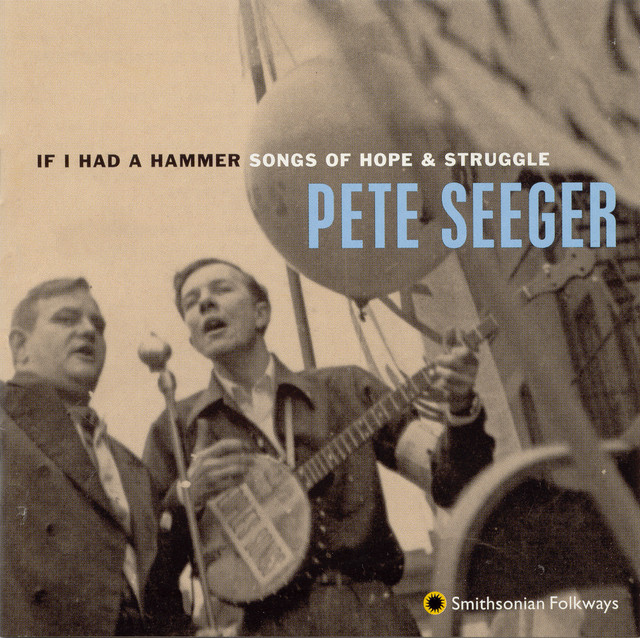
If I Had a Hammer: Songs of Hope and Struggle
Pete Seeger
Old-Time
1992
1
/5
American Industrial Ballads
P. Seeger
Industrial Folk Song
Greenwich Village Scene
Bluegrass
1987
2
/5
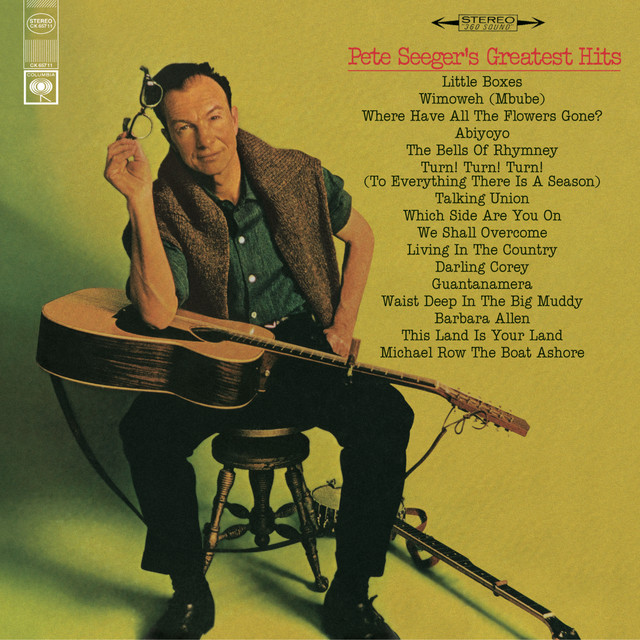
Pete Seeger's Greatest Hits
Pete Seeger
Old-Time
Folk
Pop Rock
1979
2
/5
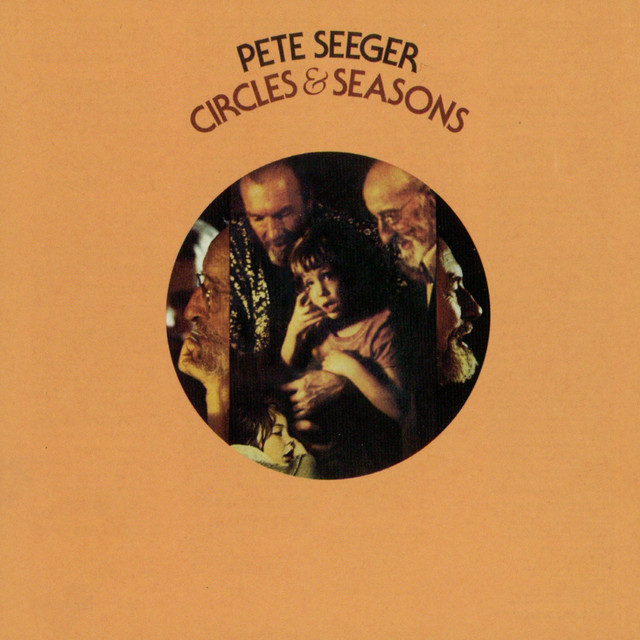
Circles & Seasons
Pete Seeger
Old-Time
Contemporary Folk
Folk
1972
2
/5
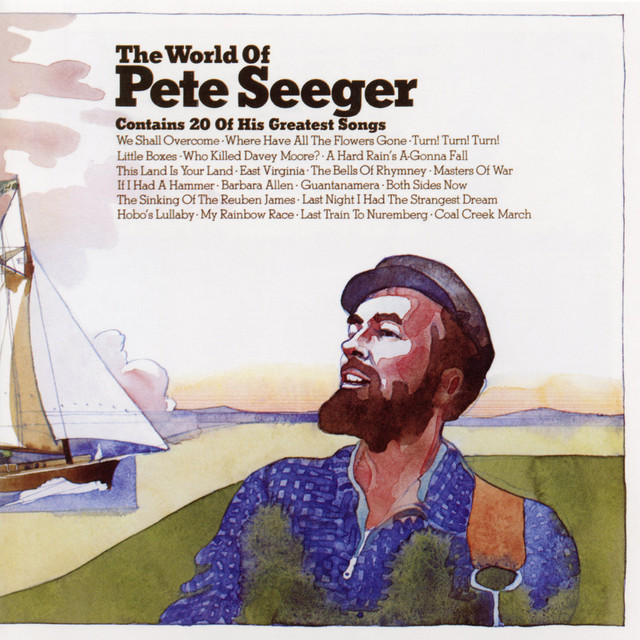
The World of Pete Seeger
Pete Seeger
Old-Time
1964
2
/5
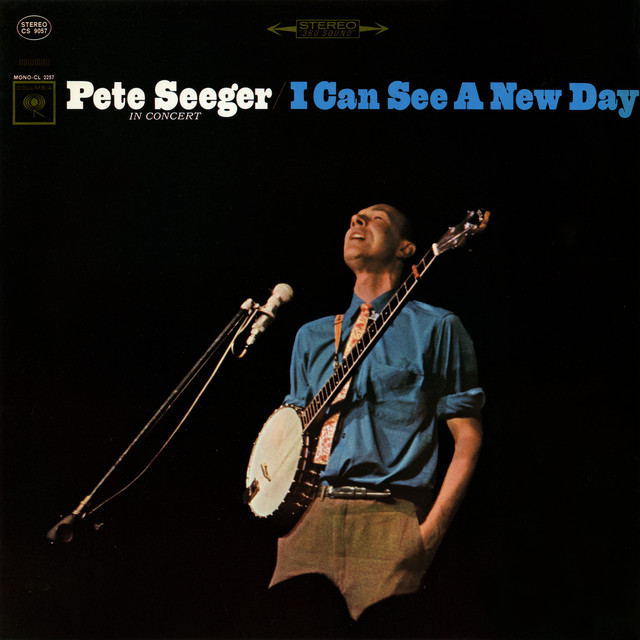
I Can See a New Day (Live)
Pete Seeger
Old-Time
Folk
1962
1
/5
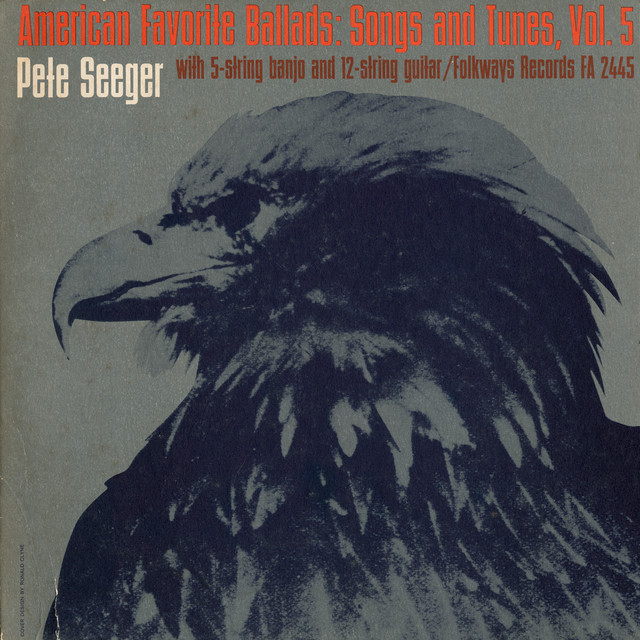
American Favorite Ballads, Vol 5: Tunes and Songs as Sung by Pete Seeger
Pete Seeger
Old-Time
1955
2
/5
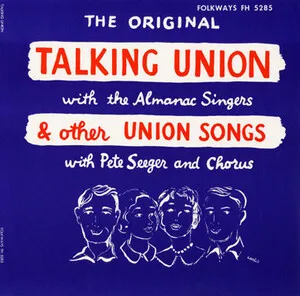
The Original Talking Union & Other Union Songs
The Almanac Singers
Industrial Folk Song
American Folk Music
Contemporary Folk
1954
1
/5
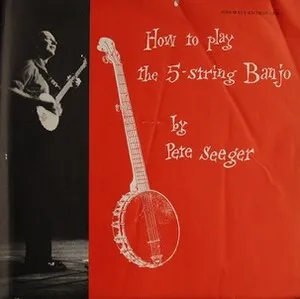
How to Play the 5-String Banjo
Pete Seeger
Lecture
Educational Music
1954
1
/5
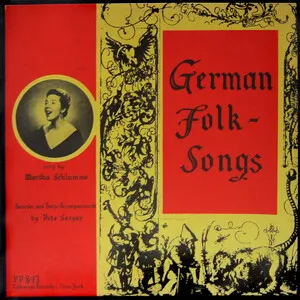
German Folk-Songs
Martha Schlamme
German Folk Music
Similar artists
4
/5
John Prine
Folk
Americana
Roots Rock
3
/5
Townes Van Zandt
Folk
Country Folk
Outlaw Country
4
/5
Adrianne Lenker
Small Room
Countrygaze
Indie Pop
5
/5
Zach Bryan
Country
Red Dirt
Singer-Songwriter
4
/5
Sufjan Stevens
Singer-Songwriter
Chamber Pop
Indie Rock
2
/5
Richard Shindell
Americana
Folk
Singer-Songwriter
2
/5
John Gorka
Americana
Folk
Singer-Songwriter
3
/5
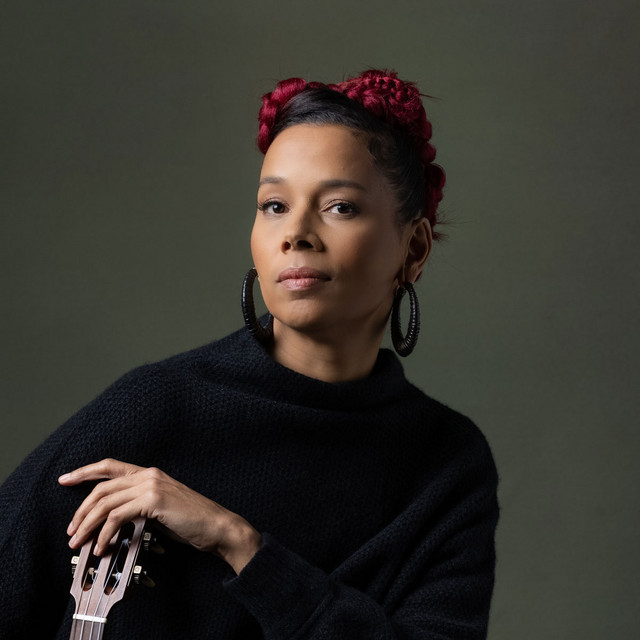
Rhiannon Giddens
Americana
Bluegrass
Folk
1
/5
Various Artists
Afro-Funk
Alternative Rock
Ambient
3
/5
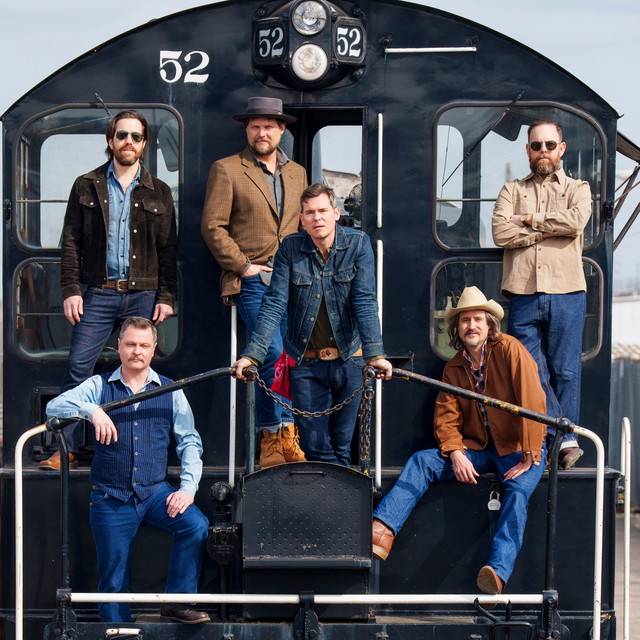
Old Crow Medicine Show
Bluegrass
Folk
Old-Time
Download our mobile app
Get the Melodigging app and start digging for new genres on the go
Download on the App Store
Get it on Google Play
© 2026 Melodigging
Give feedback
Legal
Melodding was created as a tribute to
Every Noise at Once
, which inspired us to help curious minds keep digging into music's ever-evolving genres.