Genres
Artists
Albums
Make Music
Sign in
Sign in
Artists
Bluegrass
Artists
Bluegrass
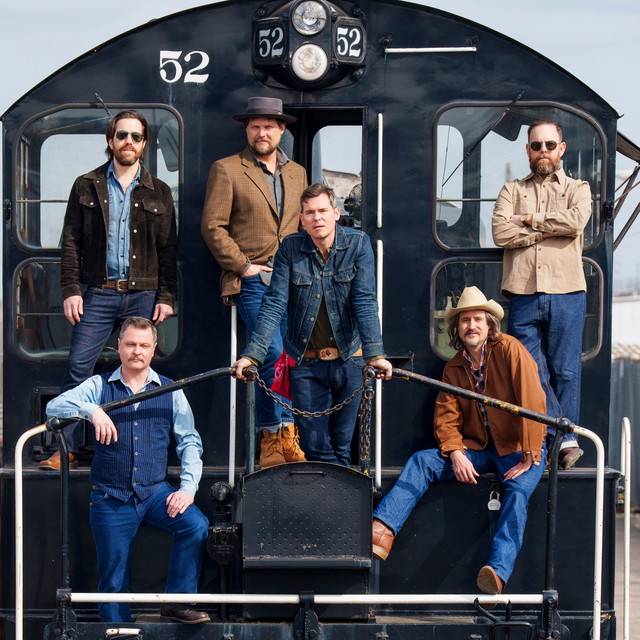
Old Crow Medicine Show
2001–2023
·
6 albums
Listen
3
/5
Genres
Northern Gothic
Northern gothic is a modern recontextualization of gothic sensibility rooted in the post‑industrial landscapes, politics, and culture of 21st‑century Northern England. It blends post‑punk austerity, industrial and dark ambient textures, hauntological memory work, and stark folk storytelling. The sound often evokes mills, moorland, sea ports, terraces, and cooling towers—spaces marked by deindustrialization—through tape patina, reverberant spaces, modular drones, and vernacular narratives. Compared with classic goth, it is less theatrical and more documentary or folkloric in tone, prioritizing regional specificity, minimalism, and social realism.
Discover
Listen
Stomp And Holler
Stomp and holler is a modern folk/roots-leaning style marked by foot-stomping rhythms, handclaps, group vocal shouts, and anthemic, sing-along choruses. It blends the acoustic timbres of Americana and bluegrass with the immediacy of indie rock and pop songcraft. Typical arrangements feature acoustic guitar, banjo or mandolin, upright or floor-tom style percussion (often a kick-driven, four-on-the-floor pulse), and layered gang vocals that surge from hushed verses to cathartic, shoutable hooks. Harmonies are simple and diatonic, while lyrics favor earnest themes of resilience, community, travel, love, and self-discovery. The sound rose to mainstream prominence in the early 2010s through festival-ready bands whose performances emphasized communal energy—clapping, stomping, and call-and-response—bridging campfire intimacy and arena-scale uplift.
Discover
Listen
Soundclown
Soundclown is an internet-born remix and mashup style that thrives on comedic juxtaposition, bait‑and‑switch reveals, and hyper-referential sample collage. It blends pop hits, game and cartoon music, ad jingles, meme sounds, and viral speech into quick-cut audio gags. The genre developed across YouTube and SoundCloud, favoring shock humor, nostalgia, and absurdity over traditional song form. Hallmarks include sudden key/tempo whiplash, exaggerated pitch-shifts, ear‑rending “earrape” peaks, and punchline drops that transform a familiar source into something hilariously incongruent. Because it is fundamentally platform-native, soundclown is as much a memetic editing culture as a musical style. Its tracks often function like sonic shitposts: fast, punchy, and built for instant recognition and shareability.
Discover
Listen
New Americana
New Americana is a 2010s wave of roots-informed indie that blends the songwriting and instrumentation of classic Americana with the hooks and production polish of contemporary pop and alternative rock. It typically features acoustic guitars, banjo or mandolin accents, warm vocal harmonies, and organic percussion, while also embracing modern elements like atmospheric pads, tasteful compression, and stadium-ready choruses. Lyrically, it favors intimate storytelling about place, identity, love, and resilience, often delivered with an earnest, nostalgic tone that balances hope with a soft melancholy. What distinguishes New Americana from classic Americana and 1990s alt-country is its streaming-era sheen, crossover sensibility, and a tendency to fuse roots textures with indie pop structures and festival-sized dynamics.
Discover
Listen
Southern Americana
Southern Americana is a regional strain of Americana rooted in the musical vernacular of the U.S. South. It blends songwriting-first aesthetics with the organic textures of country, folk, and blues, and the swagger of Southern rock. Typical recordings feature warm, lived‑in tones: Telecasters and acoustic guitars alongside pedal steel, Hammond organ, fiddle, mandolin, and harmony vocals. Lyrically it is grounded in place—small towns, highways, kudzu, pine line horizons—and in the South’s complicated histories of faith, work, love, and loss. The groove ranges from back‑porch shuffles and waltzes to swampy, slow‑burn rhythms, keeping the focus on stories and melody rather than studio gloss.
Discover
Listen
Bossbeat
Bossbeat is an internet‑born, high‑octane branch of EDM tailored to evoke the intensity of a video‑game “boss fight.” Producers fuse modern dubstep and trap sound design with melodic, leitmotif‑driven writing borrowed from video game music and film scoring, aiming for cinematic build‑ups and explosive, riff‑like drops. Characteristic features include minor‑key motifs, fast and syncopated percussion, halftime switch‑ups, aggressive bass design (growls, reeses, metallic FM), and hybrid orchestral layers (brass stabs, choirs, epic drums). The result is music that feels both dance‑floor ready and narratively dramatic—perfect for action montages, game content, and creator culture.
Discover
Listen
Bro-Country
Bro-country is a commercially oriented subgenre of contemporary country music that blends radio-friendly country with pop, rock, and hip-hop production tropes. It is typified by party-ready choruses, glossy, high-gain electric guitars, sub-bass and programmed drums, and hook-first songwriting aimed at arena and festival stages. Lyrically, the songs often revolve around small-town escapism, pickup trucks, tailgate parties, summertime romance, beer brands, and uncomplicated good times, frequently told from a male, first-person perspective. Vocals commonly employ talk-singing, light rap cadences, or chantable gang hooks, while harmonies stay simple and consonant. The overall affect is upbeat, celebratory, and instantly memorable, designed for mass sing-alongs and high streaming/radio rotation.
Discover
Listen
Indie Folk
Indie folk blends the DIY ethos and sonic aesthetics of independent rock with the acoustic instrumentation, intimate storytelling, and melodic simplicity of traditional folk. Timbres are typically warm and organic—fingerpicked acoustic guitars, close-mic’d vocals, subtle percussion, and spare ornamentation from banjo, mandolin, harmonium, or strings. Production often favors natural room ambiance, tape hiss, and gentle compression over glossy polish, creating a sense of proximity and emotional candor. Lyrically, the style is reflective and poetic, focusing on personal narratives, place, nature, spirituality, and memory. Harmony tends to be diatonic and modal, with drones, open tunings, and layered vocal harmonies adding depth. While understated, arrangements can scale into lush, choir-like textures and chamber-folk swells, balancing fragility with grandeur.
Discover
Listen
Americana
Americana is a contemporary umbrella term for U.S. roots music that blends folk, country, blues, bluegrass, gospel, and roots rock into a songwriter-centered, largely acoustic-leaning sound. Hallmarks include story-driven lyrics; warm, organic production; and traditional instrumentation such as acoustic guitar, mandolin, banjo, fiddle, harmonica, pedal steel, upright or electric bass, and restrained drums. Rhythms often draw on the train beat, shuffles, two-step, waltz time, and relaxed backbeats. Harmonically it favors diatonic progressions (I–IV–V, I–vi–IV–V), modal tinges (Mixolydian), and close vocal harmonies. Rather than a rigid style, Americana functions as a bridge among related roots traditions, emphasizing authenticity, regional imagery, and narrative songwriting over genre flashiness.
Discover
Listen
Newgrass
Newgrass (often synonymous with progressive bluegrass) is a modern, exploratory branch of bluegrass that blends the acoustic virtuosity and ensemble interplay of traditional bluegrass with the harmony, rhythm, and songcraft of rock, folk, and jazz. Typical newgrass ensembles keep the bluegrass core—mandolin, banjo, fiddle, acoustic guitar, and bass—while freely adding Dobro, percussion/drum set, piano, and occasional electric instruments. The style favors extended solos, odd meters, sophisticated harmonies, and reinterpretations of non-bluegrass repertoire alongside original songwriting. The spirit of newgrass is adventurous and improvisational: players stretch traditional forms, use complex chord colors and modal harmony, and treat arrangements as living frameworks for creative interplay.
Discover
Listen
Rock
Rock is a broad family of popular music centered on amplified instruments, a strong backbeat, and song forms that foreground riffs, choruses, and anthemic hooks. Emerging from mid‑20th‑century American styles like rhythm & blues, country, and gospel-inflected rock and roll, rock quickly expanded in scope—absorbing folk, blues, and psychedelic ideas—while shaping global youth culture. Core sonic markers include electric guitar (often overdriven), electric bass, drum kit emphasizing beats 2 and 4, and emotive lead vocals. Rock songs commonly use verse–chorus structures, blues-derived harmony, and memorable melodic motifs, ranging from intimate ballads to high‑energy, stadium‑sized performances.
Discover
Listen
Bluegrass
Bluegrass is a style of American roots music that coalesced in the Appalachian region in the 1940s around Bill Monroe and his Blue Grass Boys. It is defined by all‑acoustic instrumentation (typically fiddle, mandolin, 5‑string banjo, guitar, and upright bass, with dobro often added), virtuosic ensemble interplay, and a distinctive “high lonesome” lead vocal timbre supported by tight three‑part harmonies. Musically, bluegrass fuses African American blues and jazz phrasing with Anglo‑Celtic ballads and dance tunes. Hallmarks include driving tempos, syncopated 3‑finger banjo rolls (popularized by Earl Scruggs), off‑beat mandolin “chop” backbeats, boom‑chuck guitar rhythm, two‑beat bass, and alternating instrumental “breaks.” Repertoires mix breakdowns and fiddle tunes with narrative ballads, gospel numbers, and contemporary songwriter material.
Discover
Listen
Folk
Folk is a song-centered acoustic tradition rooted in community storytelling, everyday life, and social history. It emphasizes clear melodies, simple harmonies, and lyrics that foreground narrative, protest, and personal testimony. As a modern recorded genre, folk coalesced in the early-to-mid 20th century in the United States out of older ballad, work song, and rural dance traditions. It typically features acoustic instruments (guitar, banjo, fiddle, mandolin, harmonica), strophic song forms, and participatory singing (choruses, call-and-response).
Discover
Listen
Country
Country is a roots-based popular music from the rural American South that blends Anglo-Celtic ballad traditions with African American blues, gospel, and string-band dance music. It is characterized by narrative songwriting, plainspoken vocals with regional twang, and a palette of acoustic and electric instruments such as acoustic guitar, fiddle, banjo, pedal steel, and telecaster guitar. Rhythmically it favors two-step feels, train beats, shuffles, and waltzes, while harmony is largely diatonic (I–IV–V) with occasional country chromaticism and secondary dominants. Across a century, country has evolved through substyles like honky-tonk, the Nashville and Bakersfield sounds, outlaw country, neotraditionalist revivals, pop-country, and country-rap hybrids, but it consistently prioritizes storytelling about everyday life, love, work, faith, place, and identity.
Discover
Listen
Blues
Blues is an African American musical tradition defined by expressive "blue notes," call-and-response phrasing, and a characteristic use of dominant-seventh harmony in cyclical song forms (most famously the 12‑bar blues). It is as much a feeling as a form, conveying sorrow, resilience, humor, and hard-won joy. Musically, blues commonly employs the I–IV–V progression, swung or shuffled rhythms, and the AAB lyric stanza. Melodies lean on the minor/major third ambiguity and the flattened fifth and seventh degrees. Core instruments include voice, guitar (acoustic or electric), harmonica, piano, bass, and drums, with slide guitar, bends, and vocal melismas as signature techniques. Over time the blues has diversified into regional and stylistic currents—Delta and Piedmont country blues, urban Chicago and Texas blues, West Coast jump and boogie-woogie—while profoundly shaping jazz, rhythm & blues, rock and roll, soul, funk, and much of modern popular music.
Discover
Listen
Old-Time
Old-time is a North American string-band tradition rooted in the rural South and Appalachia, where fiddles and banjos lead dance tunes, ballads, and breakdowns. It emphasizes a steady, trance-like groove for social dancing, ensemble playing over solos, and strong melodic riffs supported by drones and rhythmic ostinati. The sound blends British Isles balladry and fiddle repertory with African American banjo technique and rhythmic sensibilities. Tunes are commonly modal (Dorian, Mixolydian, Aeolian), arranged in two repeated strains (AABB), and played for extended durations to serve square and contra dancing. Vocals, when present, are often old ballads or topical songs delivered with a plain, direct style.
Discover
Listen
Appalachian Folk
Appalachian folk is a traditional music of the Appalachian Mountains in the eastern United States, shaped by Scots-Irish and English balladry, African American musical practices (especially the banjo and work songs), and sacred singing traditions. It centers on narrative ballads, dance tunes (reels, breakdowns, waltzes), and hymns, typically performed with fiddle, clawhammer banjo, voice, guitar, Appalachian dulcimer, and sometimes autoharp or mandolin. Melodies often use modal scales (Dorian, Mixolydian, Aeolian) and pentatonic figures, with strong rhythmic drive for square dances and flatfooting, as well as unaccompanied or sparsely accompanied ballads. The style is both communal and intimate—suitable for porches, kitchen gatherings, church singings, and dance halls—and it has been a major foundation for later American roots genres like old-time, bluegrass, country, and Americana.
Discover
Listen
Show all 17 genres
Albums
2023
2
/5
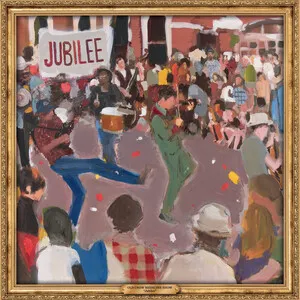
Jubilee
Old Crow Medicine Show
Old-Time
2018
3
/5
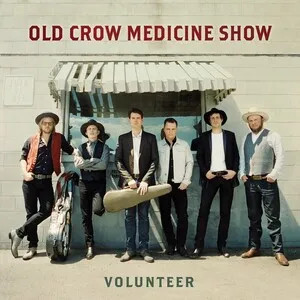
Volunteer
Old Crow Medicine Show
Old-Time
Appalachian Folk
Folk
2014
2
/5
Remedy
Old Crow Medicine Show
Old-Time
Appalachian Folk
Bluegrass
2012
2
/5
Carry Me Back
Old Crow Medicine Show
Old-Time
Appalachian Folk
Bluegrass
2004
1
/5
O.C.M.S.
Old Crow Medicine Show
Old-Time
Appalachian Folk
Bluegrass
2001
2
/5
Eutaw
Old Crow Medicine Show
Old-Time
Bluegrass
Blues
Similar artists
1
/5
Various Artists
Afro-Funk
Alternative Rock
Ambient
3
/5
The Devil Makes Three
Bluegrass
Folk
Folk Punk
3
/5
Doc Watson
Appalachian Folk
Bluegrass
Folk
4
/5
Watchhouse
Progressive Bluegrass
Newgrass
Bluegrass
2
/5
Roscoe Holcomb
Appalachian Folk
Bluegrass
Folk
3
/5
The Bridge City Sinners
Folk Punk
Anti-Folk
Bluegrass
2
/5
Dock Boggs
Appalachian Folk
Old-Time
Bluegrass
4
/5
Tyler Childers
Bluegrass
Country
Outlaw Country
2
/5
Carolina Chocolate Drops
Jug Band
Old-Time
Americana
2
/5
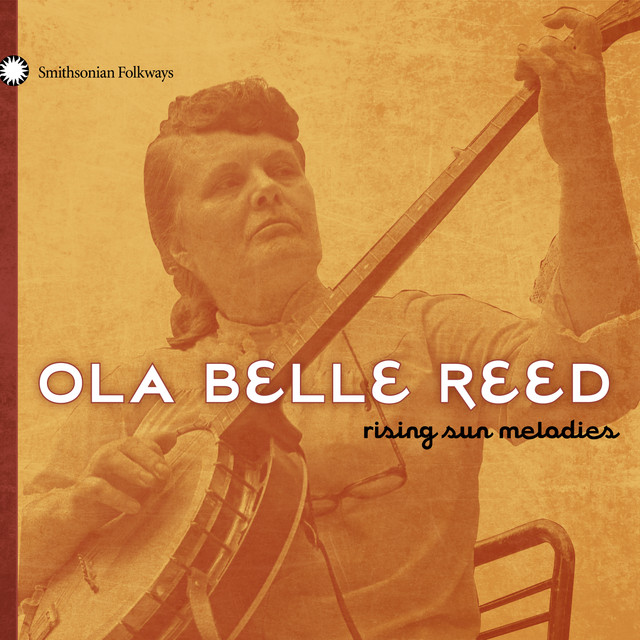
Ola Belle Reed
Appalachian Folk
Bluegrass
Folk
Download our mobile app
Get the Melodigging app and start digging for new genres on the go
Download on the App Store
Get it on Google Play
© 2026 Melodigging
Give feedback
Legal
Melodding was created as a tribute to
Every Noise at Once
, which inspired us to help curious minds keep digging into music's ever-evolving genres.