Genres
Artists
Albums
Make Music
Sign in
Sign in
Artists
Appalachian Folk
Artists
Appalachian Folk
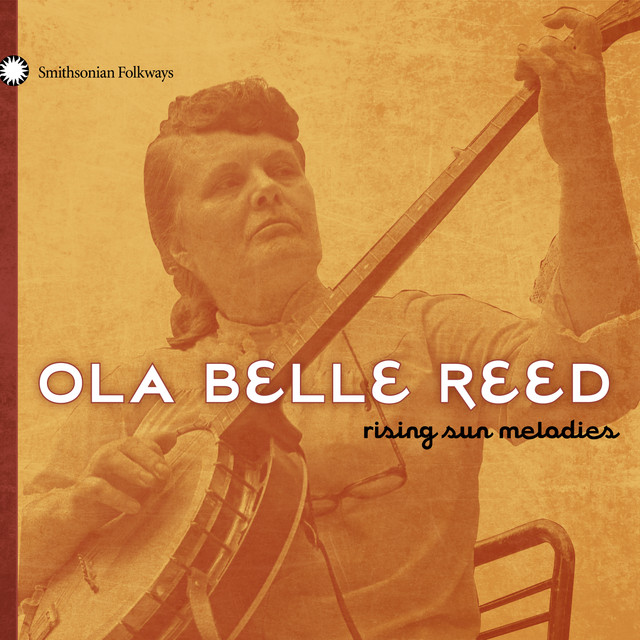
Ola Belle Reed
1976
·
1 album
Listen
2
/5
Genres
Southern Americana
Southern Americana is a regional strain of Americana rooted in the musical vernacular of the U.S. South. It blends songwriting-first aesthetics with the organic textures of country, folk, and blues, and the swagger of Southern rock. Typical recordings feature warm, lived‑in tones: Telecasters and acoustic guitars alongside pedal steel, Hammond organ, fiddle, mandolin, and harmony vocals. Lyrically it is grounded in place—small towns, highways, kudzu, pine line horizons—and in the South’s complicated histories of faith, work, love, and loss. The groove ranges from back‑porch shuffles and waltzes to swampy, slow‑burn rhythms, keeping the focus on stories and melody rather than studio gloss.
Discover
Listen
Bluegrass
Bluegrass is a style of American roots music that coalesced in the Appalachian region in the 1940s around Bill Monroe and his Blue Grass Boys. It is defined by all‑acoustic instrumentation (typically fiddle, mandolin, 5‑string banjo, guitar, and upright bass, with dobro often added), virtuosic ensemble interplay, and a distinctive “high lonesome” lead vocal timbre supported by tight three‑part harmonies. Musically, bluegrass fuses African American blues and jazz phrasing with Anglo‑Celtic ballads and dance tunes. Hallmarks include driving tempos, syncopated 3‑finger banjo rolls (popularized by Earl Scruggs), off‑beat mandolin “chop” backbeats, boom‑chuck guitar rhythm, two‑beat bass, and alternating instrumental “breaks.” Repertoires mix breakdowns and fiddle tunes with narrative ballads, gospel numbers, and contemporary songwriter material.
Discover
Listen
Folk
Folk is a song-centered acoustic tradition rooted in community storytelling, everyday life, and social history. It emphasizes clear melodies, simple harmonies, and lyrics that foreground narrative, protest, and personal testimony. As a modern recorded genre, folk coalesced in the early-to-mid 20th century in the United States out of older ballad, work song, and rural dance traditions. It typically features acoustic instruments (guitar, banjo, fiddle, mandolin, harmonica), strophic song forms, and participatory singing (choruses, call-and-response).
Discover
Listen
Audio Documentary
Audio documentary is a narrative non‑fiction form created specifically for listening. It blends reportage, interviews, archival tape, field recordings, narration, and montage to present real events, people, and ideas. Unlike audio drama, which stages fiction with actors, audio documentary prioritizes factual storytelling and journalistic ethics while borrowing dramatic structure, pacing, and sound design to deepen engagement. Its craft relies on careful research, on‑location sound, and editorial shaping to build scenes and a clear point of view.
Discover
Listen
Interview
Interview is a spoken-word recording genre that documents a conversation—typically between a host and a guest—focused on biography, creative process, cultural context, or timely topics. Although not musical in the strict sense, interview releases are integral to the music ecosystem: labels and media have long issued press-only promos, radio transcription discs, fan-club LPs, and CD box-set extras featuring interviews with artists. These recordings foreground voice, narrative, and authenticity, often serving as historical primary sources that frame an artist’s work and era.
Discover
Listen
Old-Time
Old-time is a North American string-band tradition rooted in the rural South and Appalachia, where fiddles and banjos lead dance tunes, ballads, and breakdowns. It emphasizes a steady, trance-like groove for social dancing, ensemble playing over solos, and strong melodic riffs supported by drones and rhythmic ostinati. The sound blends British Isles balladry and fiddle repertory with African American banjo technique and rhythmic sensibilities. Tunes are commonly modal (Dorian, Mixolydian, Aeolian), arranged in two repeated strains (AABB), and played for extended durations to serve square and contra dancing. Vocals, when present, are often old ballads or topical songs delivered with a plain, direct style.
Discover
Listen
Traditional Folk
Traditional folk is a broad umbrella for orally transmitted songs and dance tunes that circulated in rural and working-class communities before the age of mass recording. Repertoires include narrative ballads, laments, love songs, work songs, lullabies, and instrumental dance sets such as reels, jigs, hornpipes, and marches. Stylistically, traditional folk favors strophic forms, pentatonic or modal melodies (often Dorian and Mixolydian), limited harmonic movement, and strong, memorable tunes designed for communal singing and dancing. Performances range from unaccompanied solo voice to small ensembles built around fiddle, flute/whistle, pipes, concertina/accordion, guitar, banjo, and frame drum. Ornamentation, variation by verse, and flexible tempo are integral, reflecting an oral tradition where songs live through continual reinterpretation. Although it is pan‑regional, the modern idea of “traditional folk” coalesced in the 19th century through collectors and revivalists who documented vernacular music and framed it as cultural heritage.
Discover
Listen
Appalachian Folk
Appalachian folk is a traditional music of the Appalachian Mountains in the eastern United States, shaped by Scots-Irish and English balladry, African American musical practices (especially the banjo and work songs), and sacred singing traditions. It centers on narrative ballads, dance tunes (reels, breakdowns, waltzes), and hymns, typically performed with fiddle, clawhammer banjo, voice, guitar, Appalachian dulcimer, and sometimes autoharp or mandolin. Melodies often use modal scales (Dorian, Mixolydian, Aeolian) and pentatonic figures, with strong rhythmic drive for square dances and flatfooting, as well as unaccompanied or sparsely accompanied ballads. The style is both communal and intimate—suitable for porches, kitchen gatherings, church singings, and dance halls—and it has been a major foundation for later American roots genres like old-time, bluegrass, country, and Americana.
Discover
Listen
Show all 8 genres
Albums
1976
1
/5
My Epitaph: A Documentary in Song and Lyric
Ola Belle Reed
Interview
Audio Documentary
Appalachian Folk
Similar artists
2
/5
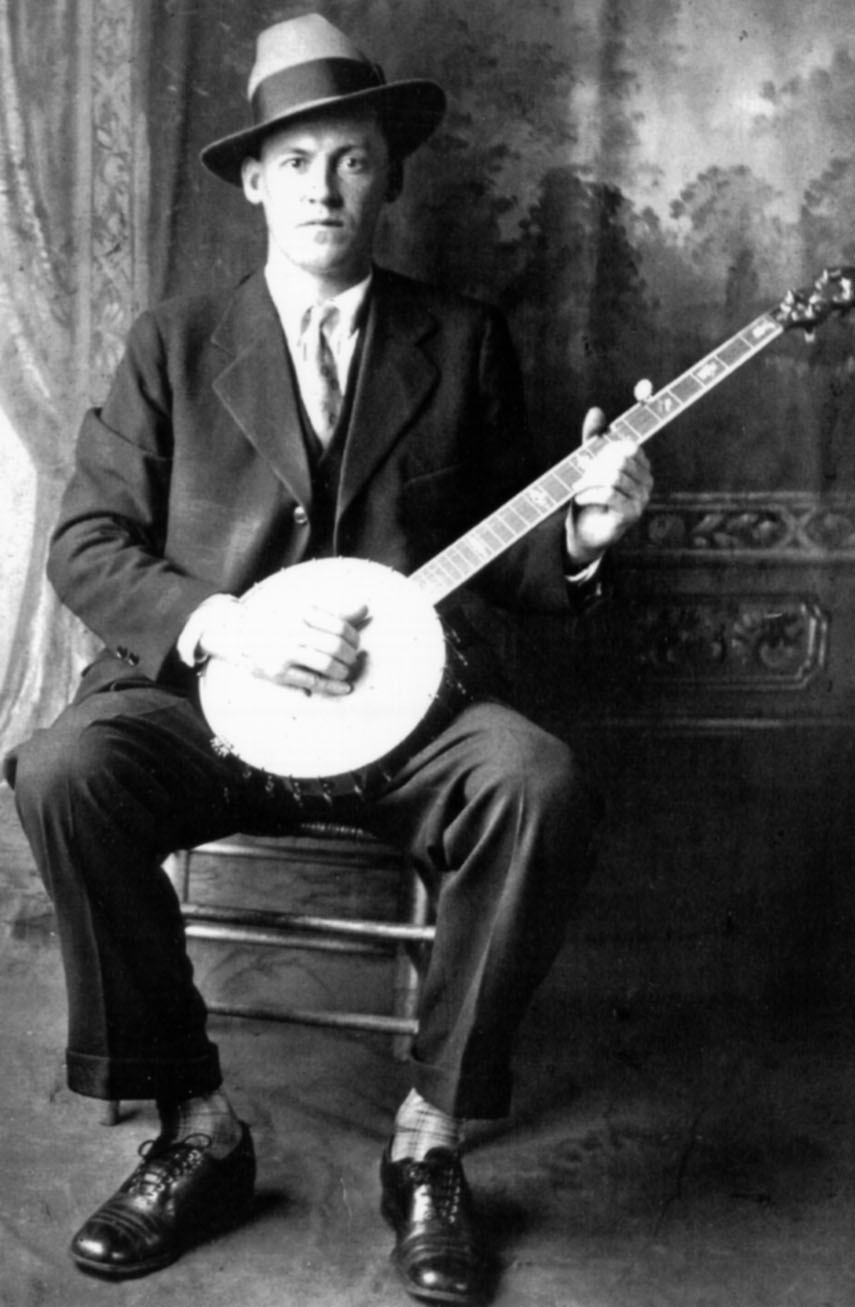
Dock Boggs
Appalachian Folk
Old-Time
Bluegrass
2
/5
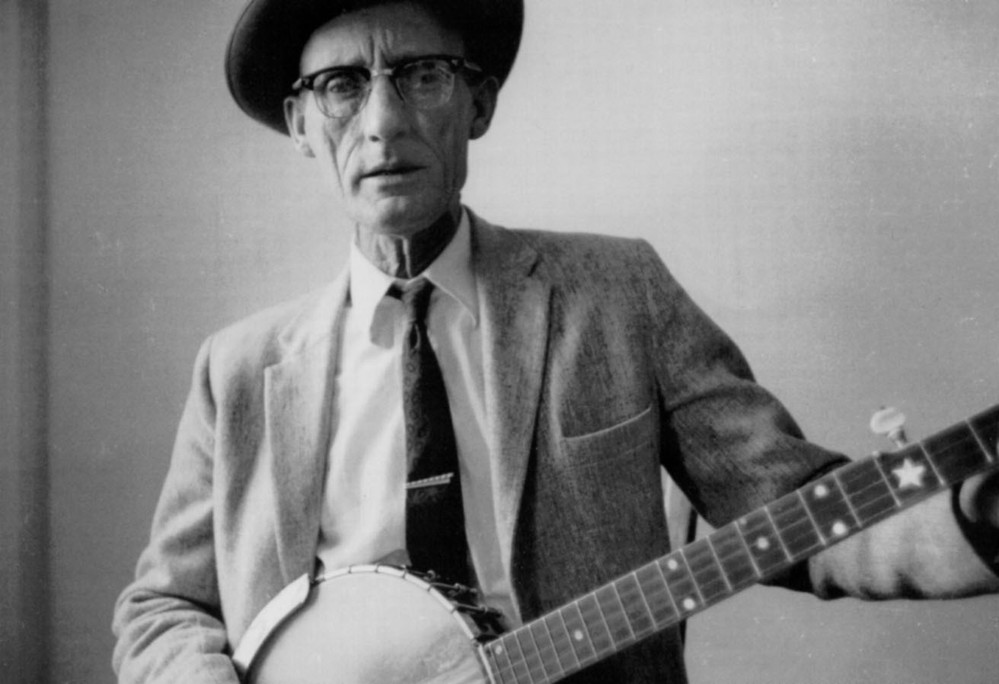
Roscoe Holcomb
Appalachian Folk
Bluegrass
Folk
2
/5
Clarence Ashley
Appalachian Folk
Bluegrass
Country Blues
2
/5
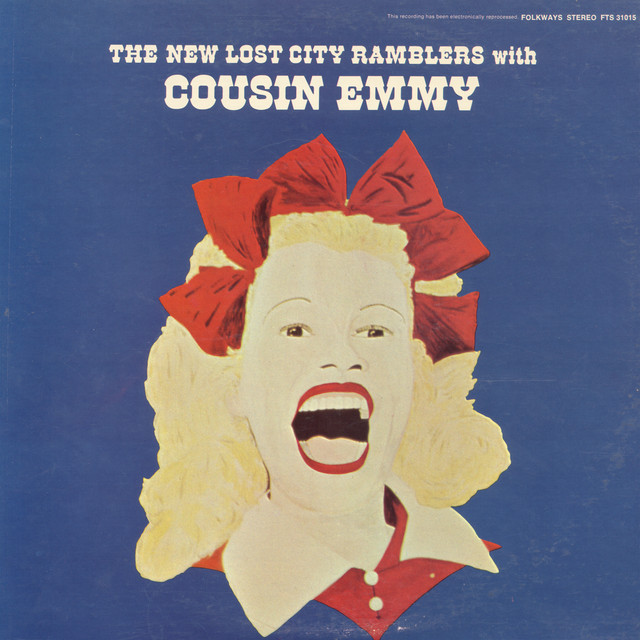
The New Lost City Ramblers
Bluegrass
Cajun
Folk
1
/5
Various Artists
Afro-Funk
Alternative Rock
Ambient
3
/5
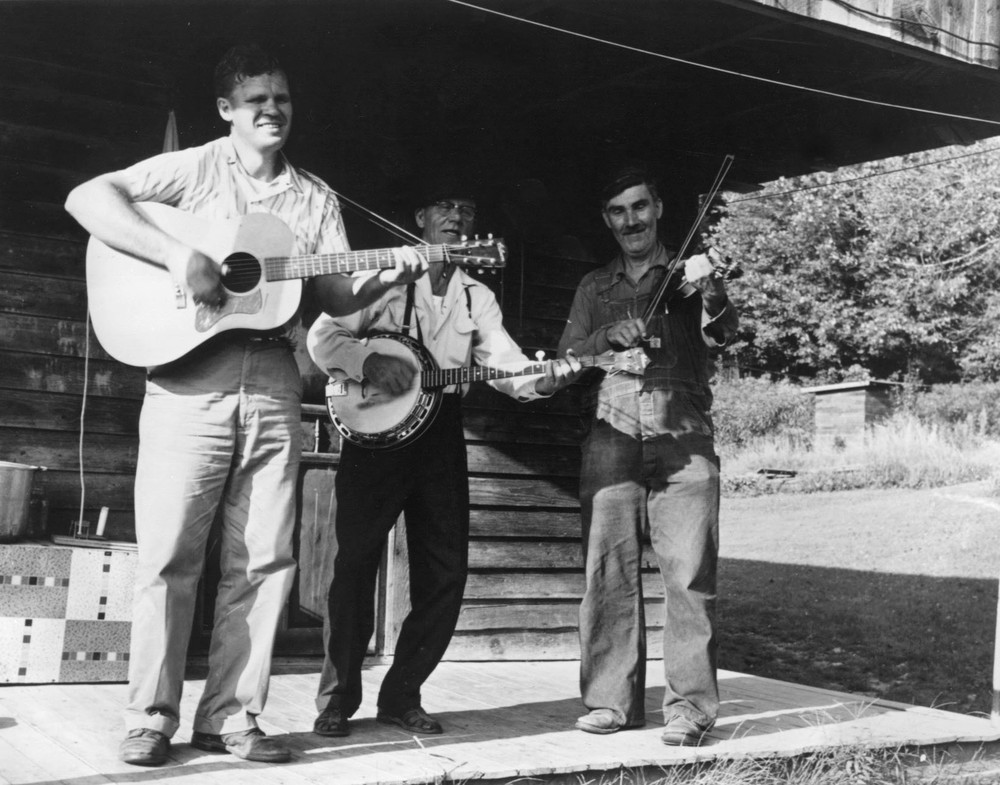
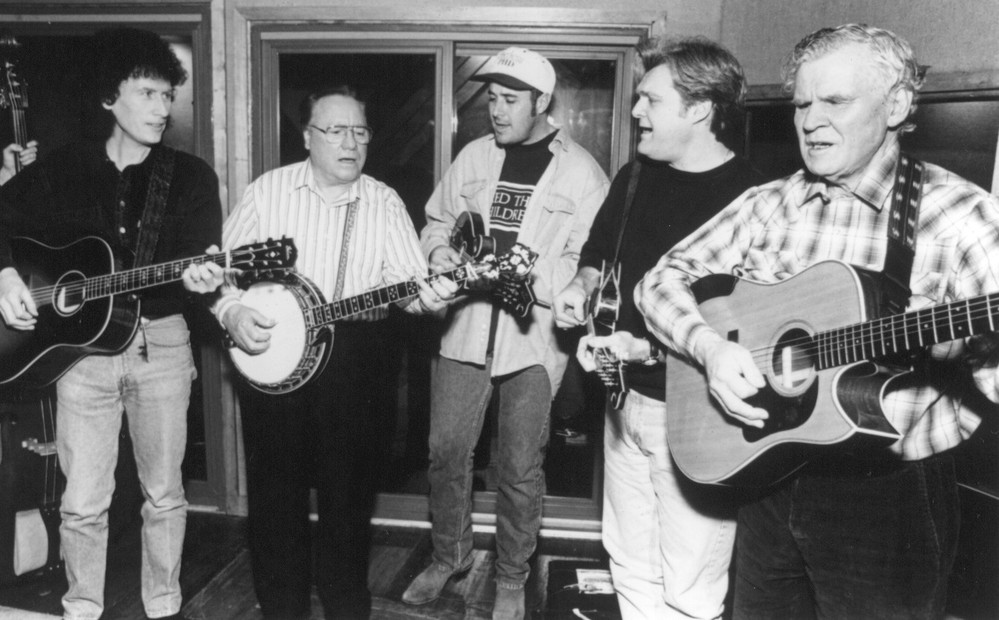
Doc Watson
Appalachian Folk
Bluegrass
Folk
2
/5
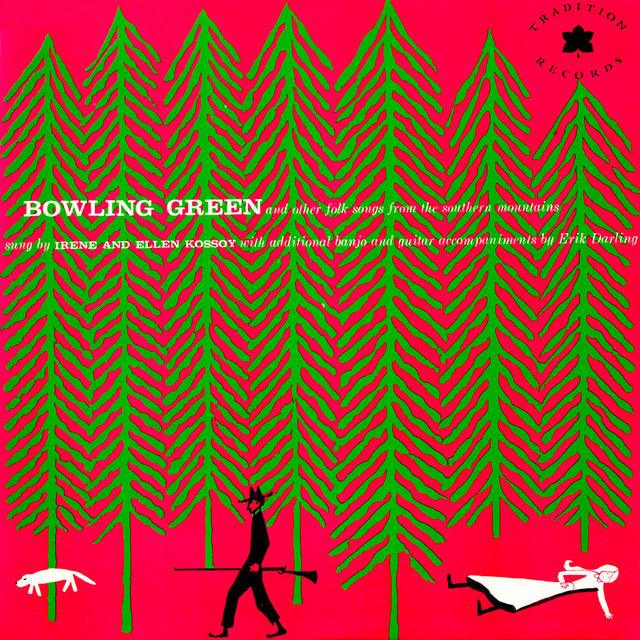
The Kossoy Sisters
Appalachian Folk
Bluegrass
Folk
2
/5
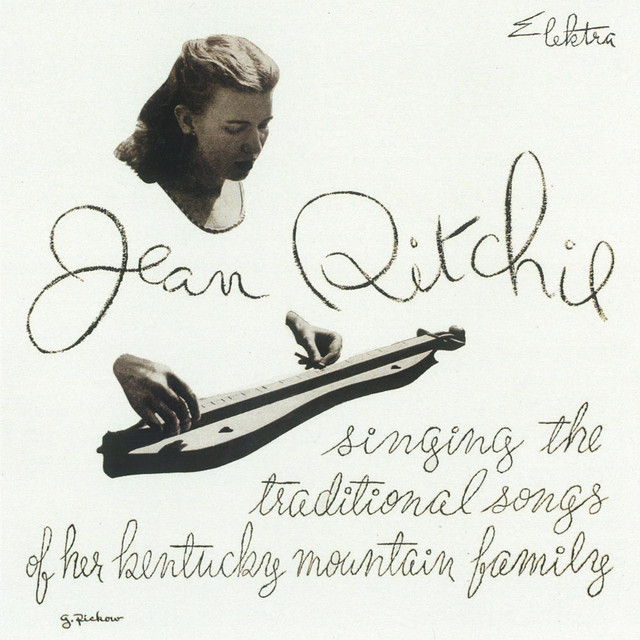
Jean Ritchie
Appalachian Folk
Bluegrass
Folk
2
/5
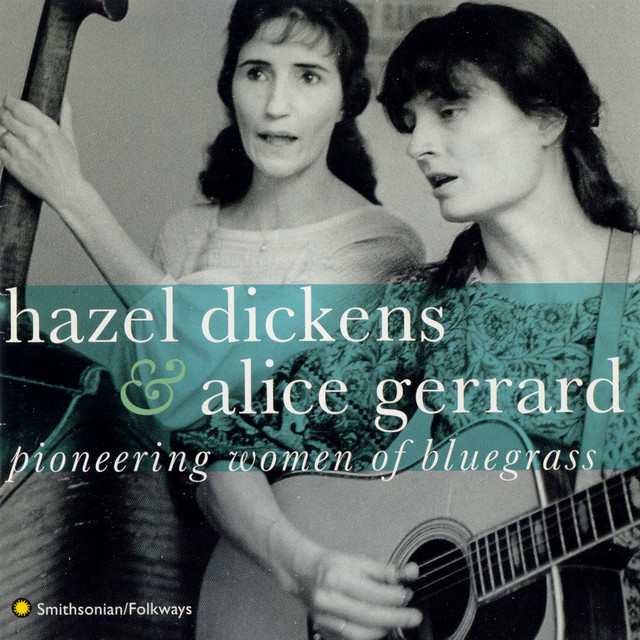
Hazel Dickens
Appalachian Folk
Bluegrass
Old-Time
3
/5
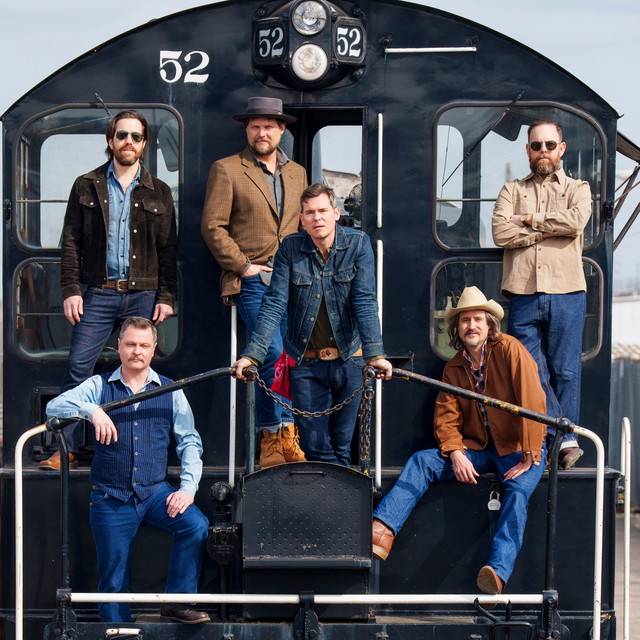
Old Crow Medicine Show
Bluegrass
Folk
Old-Time
Download our mobile app
Get the Melodigging app and start digging for new genres on the go
Download on the App Store
Get it on Google Play
© 2026 Melodigging
Give feedback
Legal
Melodding was created as a tribute to
Every Noise at Once
, which inspired us to help curious minds keep digging into music's ever-evolving genres.