Genres
Make Music
Artists
Albums
Challenges
Sign in
Sign in
Albums
By Pete Seeger
Albums
By Pete Seeger
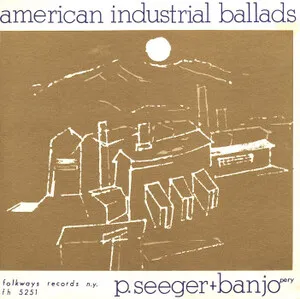
American Industrial Ballads
January 1, 1992
Listen
1
/5
Genres
Greenwich Village Scene
The Greenwich Village scene refers to the acoustic folk- and blues-centered singer‑songwriter movement that coalesced in the coffeehouses, clubs, and streets of Greenwich Village in New York City during the late 1950s and especially the early to mid‑1960s. Rather than a single strict musical genre, it was a fertile urban hub where traditional American folk, country blues, and topical songwriting converged. Artists favored intimate, lyric‑driven songs performed with acoustic guitar, unadorned vocals, and occasional harmonica, emphasizing storytelling, social commentary, and a direct connection with audiences. The scene’s clubs—Gerde’s Folk City, the Gaslight Café, Café Wha?, and Café Au Go Go—nurtured emerging writers who transformed folk traditions into contemporary protest, confessional, and narrative songs, laying the groundwork for the modern singer‑songwriter and the rise of folk rock.
Discover
Listen
Bluegrass
Bluegrass is a style of American roots music that coalesced in the Appalachian region in the 1940s around Bill Monroe and his Blue Grass Boys. It is defined by all‑acoustic instrumentation (typically fiddle, mandolin, 5‑string banjo, guitar, and upright bass, with dobro often added), virtuosic ensemble interplay, and a distinctive “high lonesome” lead vocal timbre supported by tight three‑part harmonies. Musically, bluegrass fuses African American blues and jazz phrasing with Anglo‑Celtic ballads and dance tunes. Hallmarks include driving tempos, syncopated 3‑finger banjo rolls (popularized by Earl Scruggs), off‑beat mandolin “chop” backbeats, boom‑chuck guitar rhythm, two‑beat bass, and alternating instrumental “breaks.” Repertoires mix breakdowns and fiddle tunes with narrative ballads, gospel numbers, and contemporary songwriter material.
Discover
Listen
Folk
Folk is a song-centered acoustic tradition rooted in community storytelling, everyday life, and social history. It emphasizes clear melodies, simple harmonies, and lyrics that foreground narrative, protest, and personal testimony. As a modern recorded genre, folk coalesced in the early-to-mid 20th century in the United States out of older ballad, work song, and rural dance traditions. It typically features acoustic instruments (guitar, banjo, fiddle, mandolin, harmonica), strophic song forms, and participatory singing (choruses, call-and-response).
Discover
Listen
Industrial Folk Song
Industrial folk song (also called industrial folk music, industrial work song, or industrial working song) is a branch of folk and traditional music that focuses on the lives, risks, and solidarities of industrial laborers. It typically adapts older folk forms—especially narrative ballads and agricultural work songs—into songs about factories, mines, mills, railways, shipyards, and other industrial workplaces. Lyrically, it often documents working conditions, class struggle, accidents and disasters, migration for work, unionization, and protest, while musically it tends to remain direct and singable so groups can perform it together in social or organizing settings.
Discover
Listen
Similar albums
1964
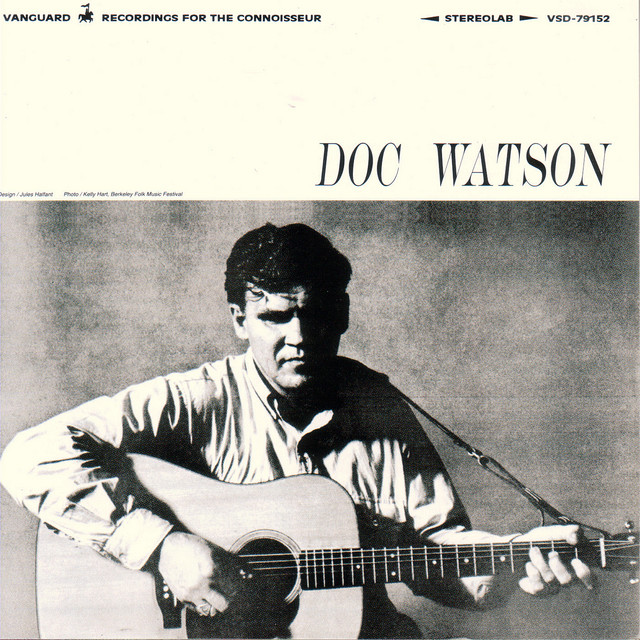
Doc Watson
Doc Watson
2006
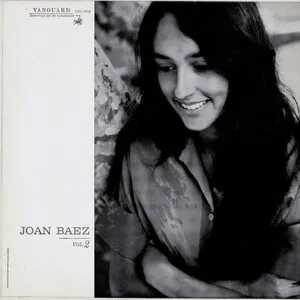
Joan Baez, Vol. 2
Joan Baez
1963
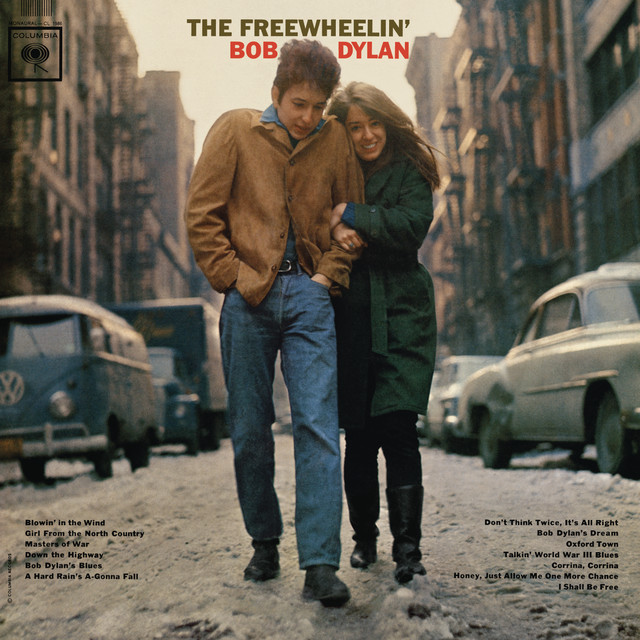
The Freewheelin' Bob Dylan
Bob Dylan
2017
A Long Way From Your Heart
Turnpike Troubadours
2000
O Brother, Where Art Thou? (Original Motion Picture Soundtrack)
The Cox Family
2012
Babel (Deluxe Version)
Mumford & Sons
2019
The Music of Red Dead Redemption 2 (Original Soundtrack)
Rhiannon Giddens
1964
The Times They Are A-Changin'
Bob Dylan
2015
Such Jubilee
Watchhouse
2002
The Devil Makes Three
The Devil Makes Three
Download our mobile app
Get the Melodigging app and start digging for new genres on the go
Download on the App Store
Get it on Google Play
© 2026 Melodigging
Give feedback
Legal
Melodding was created as a tribute to
Every Noise at Once
, which inspired us to help curious minds keep digging into music's ever-evolving genres.