Genres
Artists
Albums
Make Music
Sign in
Sign in
Artists
Opera
Artists
Opera
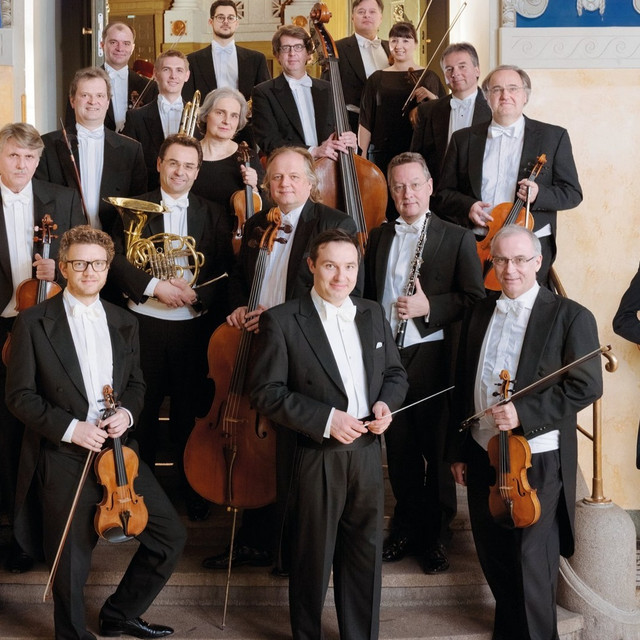
London Philharmonic Orchestra
1975–2018
·
7 albums
Listen
4
/5
Genres
Deep Soundtrack
Deep soundtrack is a modern, cinematic substyle that emphasizes low, immersive textures, slow-moving harmony, and spacious ambience over bombast. It sits at the intersection of ambient music, post-classical scoring, and contemporary film/TV/game underscore, favoring drones, soft pulses, and intimate instruments (piano, strings, analog synths) treated with generous space and subtle sound design. Rather than foregrounding memorable themes or trailer-scale crescendos, deep soundtrack cultivates mood: tense, melancholic, or quietly hopeful. It is designed to sit under narrative, visuals, or concentration—music that breathes, evolves slowly, and suggests emotion without overwhelming it.
Discover
Listen
Pet Calming
Pet calming is a functional micro‑genre designed to reduce stress and arousal in companion animals—primarily dogs and cats—during triggering situations such as owner absence, fireworks, vet visits, thunderstorms, or travel. Musically it favors very slow tempos, sparse arrangements, soft timbres (piano, pads, gentle strings, warm guitars), long sustains, smooth envelopes, and stable, consonant harmonies. Dynamics are kept narrow and transients are tamed to avoid startle responses. Many releases add gentle environmental ambiences (rain, ocean, rustling leaves) or unobtrusive pink/white‑noise beds to mask external sounds. Structures are highly repetitive with gradual variation so the soundscape feels predictable and safe. While aimed at non‑human listeners, the genre is informed by animal‑behavior findings (e.g., predictable low‑arousal sound reduces stress) and by human relaxation idioms (ambient, new age, lullaby). It is commonly delivered as long‑form, streaming‑friendly content that owners can loop for hours.
Discover
Listen
Meme
Meme is an internet-native umbrella genre for songs and audio clips that are created for, shaped by, or propelled through online meme culture. It blends humor, parody, and fast-turnaround production with infectious hooks designed to spread rapidly across platforms. Stylistically, meme music is eclectic. It can be rap, pop, EDM, rock, or mashup-driven collage; the common thread is comedic framing, referential lyrics, exaggerated vocal processing, and recognizable samples that cue shared online in-jokes. Tracks often favor short runtimes, bold punchlines, and instantly loopable sections optimized for social media. Because it thrives on virality rather than a fixed instrumentation set, meme functions as a meta-genre. It borrows techniques from mashup culture, YTPMV, soundclown, nightcore, and novelty/comedy traditions, while using platform-specific aesthetics from YouTube, SoundCloud, Vine, and TikTok.
Discover
Listen
432hz
432hz is a wellness-oriented ambient/New Age micro-genre built around tuning music to the alternative concert pitch A=432 Hz instead of the modern standard A=440 Hz. In practice, 432hz releases are largely instrumental, slow-tempo, and reverb-rich, combining soft pads, drones, gentle piano, bowls/chimes, and nature sounds. Tracks are marketed for relaxation, meditation, yoga, sleep, and "energy" or "chakra" work, and are frequently tagged with wellness keywords. While advocates claim psychoacoustic or physiological benefits from 432 Hz tuning, these claims remain unproven; the sound signature audiences respond to is the calm production, consonant harmony, and spacious mixing typical of ambient and New Age music. As a streaming-native style, 432hz thrives on platforms like YouTube and Spotify where long-form background listening, SEO-friendly titling, and looping visuals support use-cases such as study, mindfulness, and sleep.
Discover
Listen
Doble Paso
Doble paso is a high‑tempo reggaetón variant characterized by running the classic dembow groove at double speed, creating a frenetic, hard‑hitting feel aimed squarely at the dance floor. Compared with standard reggaetón drum patterns (typically around 90–100 BPM), doble paso accelerates the same rhythmic skeleton to roughly 120–140 BPM, often accompanying a club dance of the same name. Producers keep the core syncopation and low‑end punch of reggaetón while tightening hi‑hats, adding denser percussion fills, and favoring short, chant‑like hooks that match the breathless pace. The result is intense, perreo‑ready energy that bridges classic reggaetón, Dominican dembow’s urgency, and club‑forward editing trends.
Discover
Listen
Gufeng
Gufeng (古风, literally “ancient style”) is a modern Chinese pop-adjacent style that evokes the sound-world, imagery, and poetics of premodern China. It blends traditional instruments, pentatonic melodies, and classical literary diction with contemporary songwriting, recording, and distribution practices. Emerging largely from online communities and ACG (anime–comics–games/donghua) fandoms, Gufeng favors lyrical themes such as mountains-and-rivers landscapes, courtly romance, martial-arts chivalry, and historical fantasy. The production commonly combines guzheng, pipa, dizi, xiao, and erhu with soft pop arrangements, cinematic pads, and subtle electronic beats, resulting in a nostalgic yet fresh sound that is distinct from mainstream Mandopop.
Discover
Listen
Lo-Fi Vgm
Lo‑fi VGM (lo‑fi video game music) is a crossover style that blends the relaxed, tape‑warmed aesthetics of lo‑fi hip hop with melodies and atmospheres from classic and contemporary video game scores. Producers typically re‑harmonize or gently reharmonize well‑known themes, slow the tempos into the 60–90 BPM range, add vinyl crackle, tape hiss, dusty drums, soft keys/guitar, and cozy ambience, and retain the nostalgic contours of the original cues. The result is music suited for studying, streaming, or unwinding, while evoking game‑world nostalgia. Netlabels and collectives—most visibly GameChops and Curaga Records—helped codify the sound with licensed, album‑length reinterpretations of major franchises.
Discover
Listen
Lustrum
Lustrum is a contemporary Dutch student-party music micro‑genre tied to five‑year anniversary celebrations ("lustrum") of university and study associations in the Netherlands. Tracks are typically commissioned by an association’s lustrum committee and produced as festive anthems, pairing chant‑along hooks with glossy pop, EDM, or hip‑hop production. Lyrics are almost always in Dutch, highly local (name‑checking the city, club traditions, and student folklore), and designed for group singing at halls, parades, and gala events. Stylistically, it blends modern Dutch pop and dance (house/eurodance drops, four‑on‑the‑floor grooves) with novelty/comedy songcraft and glee‑style gang vocals, yielding upbeat, celebratory songs built for videos, flash mobs, and mass participation.
Discover
Listen
English Pastoral School
The English Pastoral School is an early 20th‑century current in British classical music that evokes the landscapes, folk traditions, and choral heritage of England. Its sound is lyrical, modal, and often deliberately diatonic, favoring transparent textures and long, singing lines over dense chromaticism. Composers in this movement frequently drew on English folk songs and hymnody, and rediscovered techniques from Tudor and Renaissance polyphony. Orchestration tends to feature warm strings, solo woodwinds (especially oboe and cor anglais), horn choirs, and harp, with choral and organ writing closely allied to Anglican liturgy. The mood ranges from serenely bucolic to elegiac, reflecting both an idealized countryside and the losses of the First World War.
Discover
Listen
Expressionism
Expressionism in music is an early-20th-century modernist movement that foregrounds inner psychological states, anxiety, and alienation through highly charged sonic language. It abandons traditional tonal centers in favor of atonality or extreme chromaticism, embraces dissonance without immediate resolution, and often fragments melody into sharp, angular gestures. Textures favor clarity and intensity: chamber forces, extreme registers, abrupt contrasts of dynamics and timbre, and sparse, aphoristic forms are common. Composers experiment with Sprechstimme (speech-like vocalization), Klangfarbenmelodie (melody distributed across changing timbres), and rapidly shifting meters to intensify expression. Vocal works (monodramas, song cycles) and concise instrumental miniatures became emblematic vehicles for psychological drama.
Discover
Listen
Opera Buffa
Opera buffa is an Italian comic opera tradition that crystallized in the early 18th century as a lively, vernacular counterpart to opera seria. It features everyday characters, social satire, rapid-fire patter singing (especially for the basso buffo), and bustling ensemble finales that drive the drama forward. Musically it favors clear, galant-era melody, diatonic harmony, recitativo secco with continuo in earlier works, and increasingly sophisticated multi-voice ensembles. Plotlines draw on commedia dell’arte archetypes and revolve around mistaken identities, class tensions, and witty intrigues, presented in the Italian language with crisp, syllabic text setting.
Discover
Listen
Opéra Comique
Opéra comique is a French operatic genre defined by the presence of spoken dialogue between musical numbers rather than by comic subject matter. Early works used popular tunes (vaudevilles) with newly written words, later evolving into fully original scores with arias, ensembles, finales, and orchestral writing. Originating in Paris fairground theatres, the genre developed at the Opéra-Comique institution into a flexible form that could encompass light, humorous plots as well as serious and even tragic stories. By the 19th century it ranged from graceful, classical elegance to full Romantic drama—so much so that a tragedy like Bizet’s Carmen is still called an opéra comique because it originally included spoken dialogue. Typical features include an overture, clear French prosody, memorable lyrical numbers (romances, couplets), conversational pacing, and finales that integrate multiple characters on stage. Harmony and orchestration track the broader shift from late Baroque/Classical clarity to Romantic color and intensity.
Discover
Listen
Orchestral
Orchestral music refers to compositions written for an orchestra—a large ensemble typically built around a string section (violins, violas, cellos, double basses), complemented by woodwinds, brass, percussion, and often harp, keyboard, or other auxiliary instruments. A conductor coordinates the ensemble, shaping balance, phrasing, and expression. The style emphasizes coloristic timbre combinations, dynamic range from the softest pianissimo to explosive tuttis, and textures that can shift seamlessly between transparent chamber-like writing and monumental masses of sound. Orchestral writing underpins concert genres such as symphonies, overtures, and tone poems, as well as opera, ballet, and modern film and game scores. While orchestral writing evolved across centuries, its core craft centers on melody, counterpoint, harmony, register, and orchestration—the art of assigning musical ideas to instruments to achieve clarity, contrast, and narrative impact.
Discover
Listen
Opera
Opera is a large-scale theatrical genre that combines music, drama, and visual spectacle, in which the story is primarily conveyed through singing accompanied by an orchestra. It unites solo voices, ensembles, and chorus with staging, costumes, and often dance to create a total artwork. Emerging in late Renaissance Italy and flourishing in the Baroque era, opera developed signature forms such as recitative (speech-like singing that advances the plot) and aria (lyrical numbers that explore character and emotion). Over the centuries it evolved diverse national styles—Italian bel canto, French grand opéra, German music drama—while continually experimenting with orchestration, harmony, narrative structure, and stagecraft.
Discover
Listen
Classical
Classical music is the notated art-music tradition of Europe and its global descendants, characterized by durable forms, carefully codified harmony and counterpoint, and a literate score-based practice. The term “classical” can refer broadly to the entire Western art-music lineage from the Medieval era to today, not just the Classical period (c. 1750s–1820s). It privileges long-form structures (such as symphonies, sonatas, concertos, masses, and operas), functional or modal harmony, thematic development, and timbral nuance across ensembles ranging from solo instruments to full orchestras and choirs. Across centuries, the style evolved from chant and modal polyphony to tonal harmony, and later to post-tonal idioms, while maintaining a shared emphasis on written notation, performance practice, and craft.
Discover
Listen
Show all 15 genres
Albums
2018
3
/5
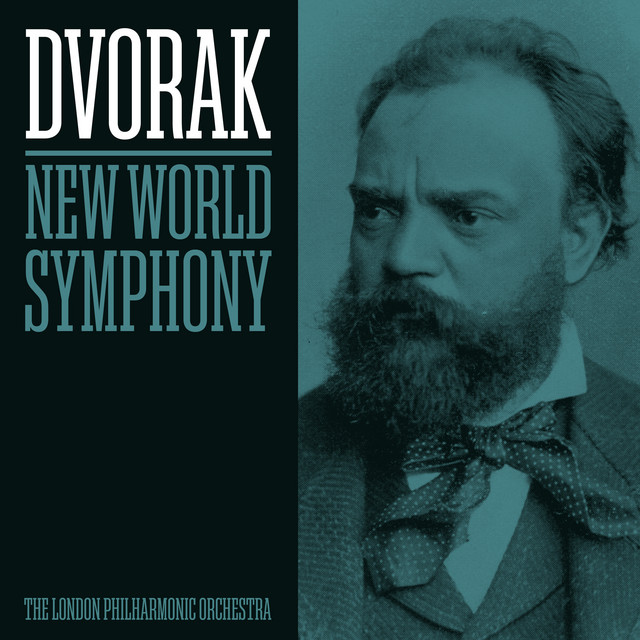
Dvorak - New World Symphony
London Philharmonic Orchestra
Opera
2011
3
/5
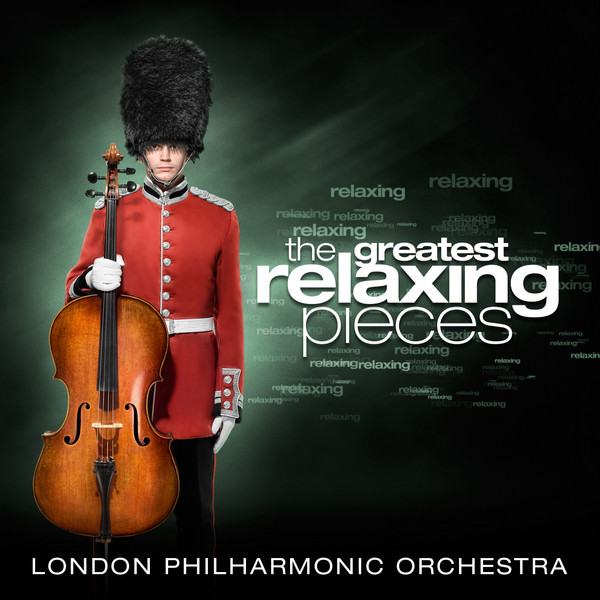
The Greatest Relaxing Pieces
London Philharmonic Orchestra
Opera
1999
1
/5
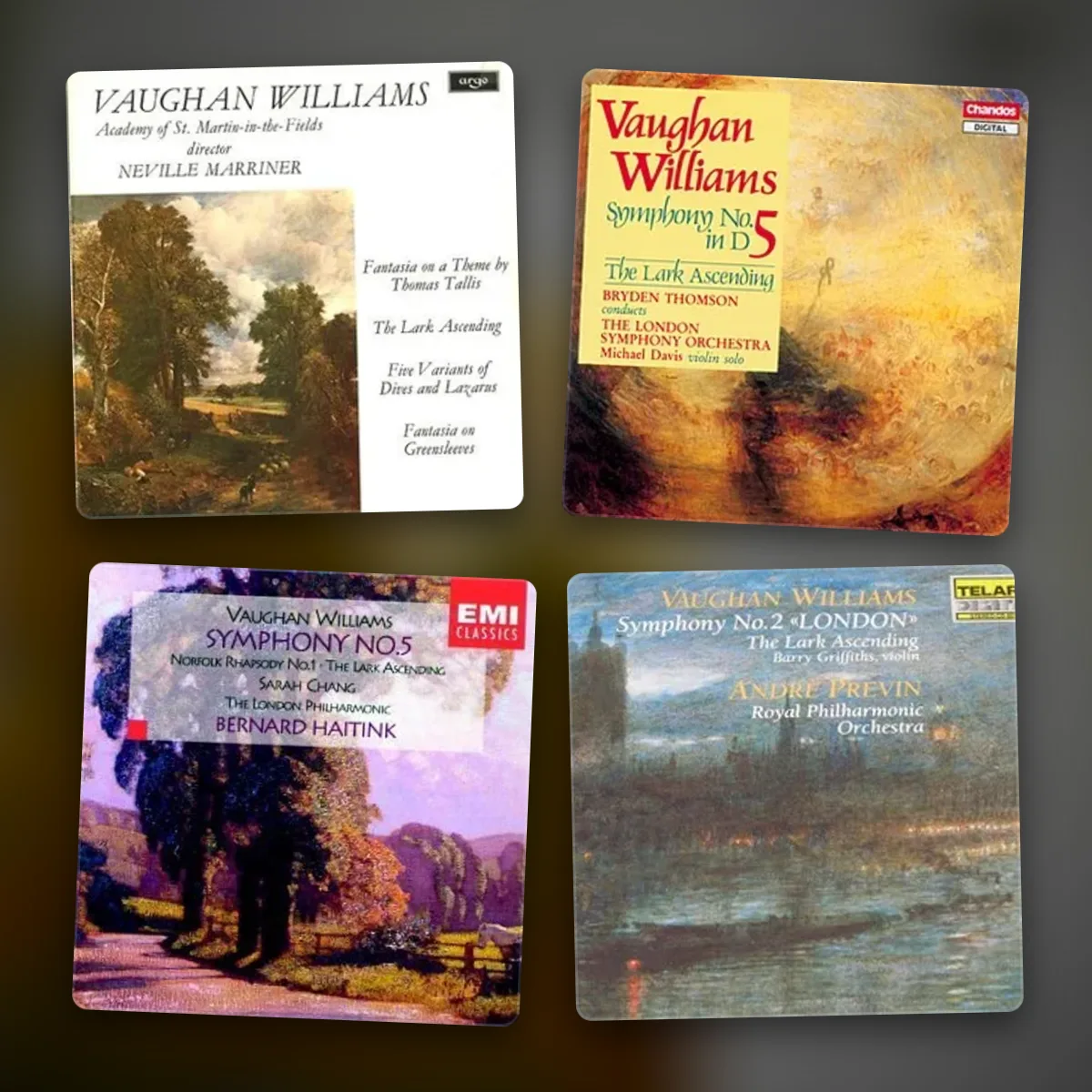
Symphony No.6; In the Fen Country; On Wenlock Edge
Ralph Vaughan Williams
English Pastoral School
1995
1
/5
Symphony No.5; Norfolk Rhapsody No.1; The Lark Ascending
Ralph Vaughan Williams
English Pastoral School
1982
2
/5
Le nozze di Figaro
Wolfgang Amadeus Mozart
Opera Buffa
1980
1
/5
Bluebeard's Castle
Béla Bartók
Expressionism
1975
2
/5
Carmen
Georges Bizet
Opéra Comique
Similar artists
4
/5
London Symphony Orchestra
Classical
Ballet
Concerto
4
/5
Wolfgang Amadeus Mozart
Classical
Requiem
Classical Period
3
/5
Richard Wagner
New German School
Romantische Oper
Classical
3
/5
Munich Radio Orchestra
Classical
Opera
Orchestral
4
/5
Berliner Philharmoniker
Classical
Romantic Classical
Romanticism
4
/5
Herbert von Karajan
Classical
Symphonic Poem
Symphony
3
/5
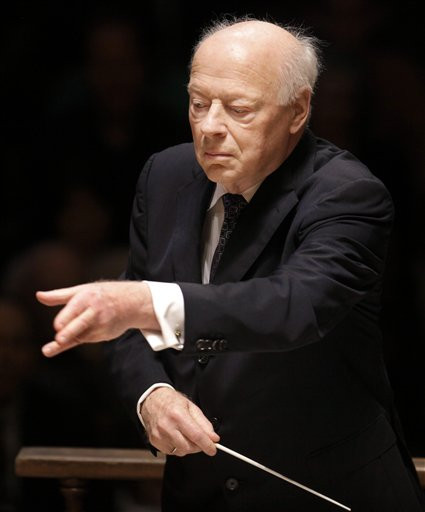
Bernard Haitink
Classical
English Pastoral School
Opera
4
/5
Royal Philharmonic Orchestra
Calming Instrumental
Classical
Deep Soundtrack
4
/5
Academy of St. Martin in the Fields
Classical
Classical Performance
Baroque
4
/5
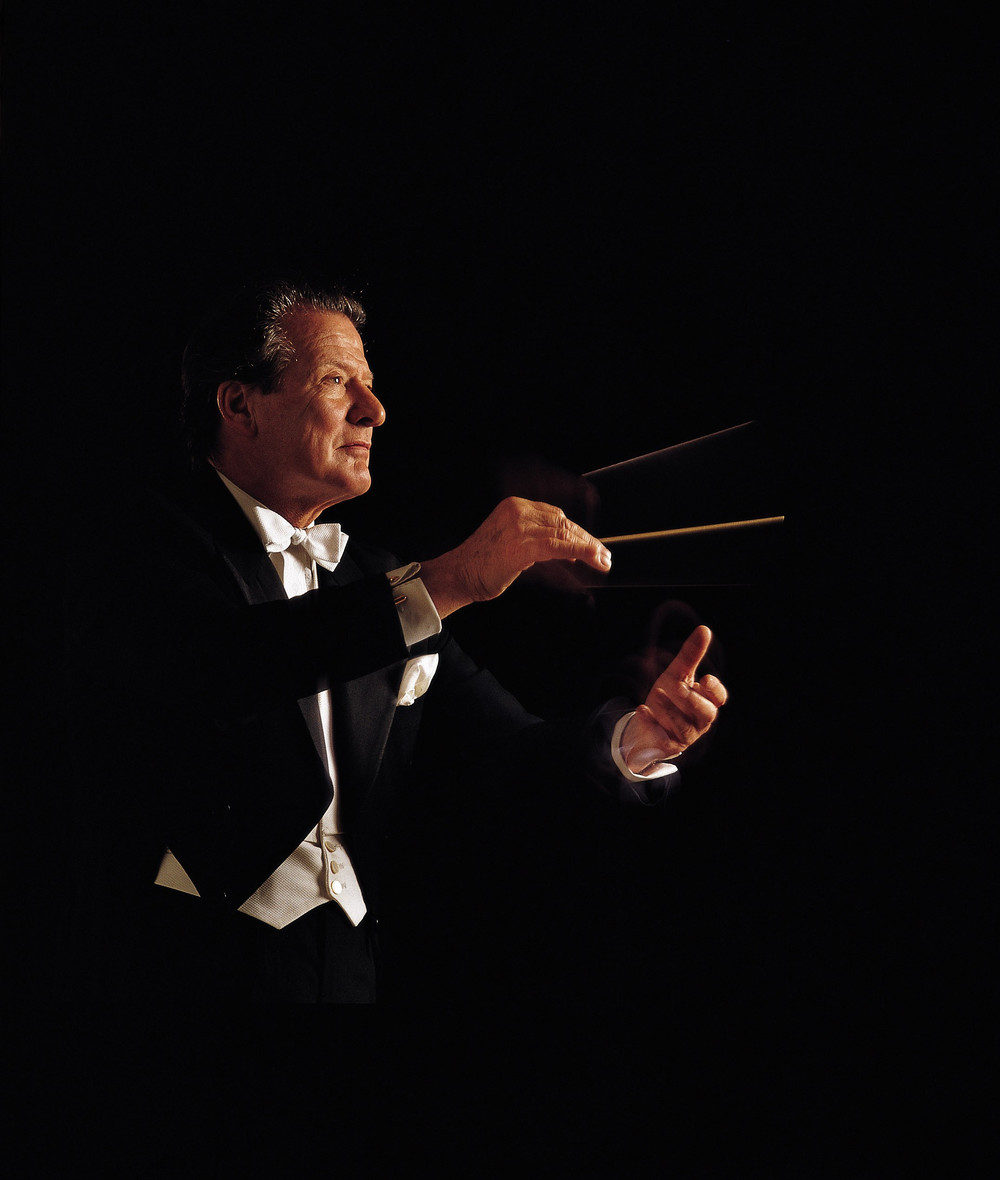
Sir Neville Marriner
Classical
Baroque
Classical Performance
Download our mobile app
Get the Melodigging app and start digging for new genres on the go
Download on the App Store
Get it on Google Play
© 2026 Melodigging
Give feedback
Legal
Melodding was created as a tribute to
Every Noise at Once
, which inspired us to help curious minds keep digging into music's ever-evolving genres.