Genres
Artists
Albums
Make Music
Sign in
Sign in
Artists
K-Pop
Artists
K-Pop
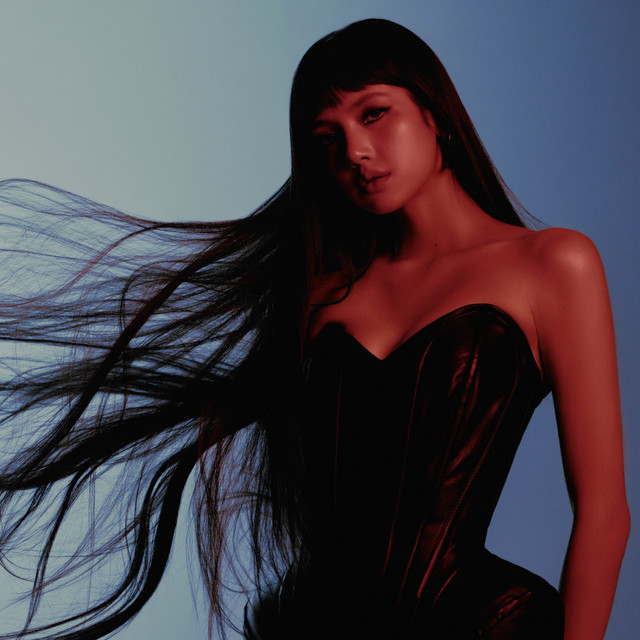
LISA
2024–2025
·
2 albums
Listen
5
/5
Genres
5th Gen K-Pop
“5th gen k-pop” refers to South Korea’s fifth wave of idol-led pop that emerged in the early–mid 2020s. It is characterized by short-form, hook-forward songwriting, hybrid production that borrows from global club styles (jersey club, future bass, drum & bass), and highly visual concepts designed for instant virality. Musically, it blends crisp electropop and dance-pop chassis with trap/hip‑hop cadences, R&B vocal stacking, and minimalist, percussive drops meant to spotlight choreography. Conceptually, it leans into everyday youth aesthetics and Y2K/retro nostalgia, prioritizing authenticity and approachable styling over the maximalist “lore” of earlier generations. Releases are optimized for social media cycles—multiple title tracks or rapid follow-ups, performance videos, and challenge-ready dance breaks—while still maintaining the polished vocal production, tight group synchronization, and high-end visuals that define k-pop.
Discover
Listen
Chill Pop
Chill pop is a contemporary pop micro‑genre that blends radio‑friendly songwriting with the mellow textures of chillout and lo‑fi aesthetics. It favors soft vocals, smooth synths, clean guitar plucks, understated bass, and relaxed, mid‑tempo grooves. Instead of big, bombastic hooks, chill pop tends toward intimate, conversational melodies and minimal, airy arrangements. Production often borrows from bedroom pop and alternative R&B—subtle trap hi‑hats, warm saturation, roomy reverbs, and gentle side‑chain compression—to create a breezy, pastel sound palette well suited to playlists and late‑night listening. Lyrically, chill pop is introspective and relatable: romance, longing, gentle optimism, and coming‑of‑age themes delivered in a plain‑spoken, whisper‑close tone. The result sits between indie pop’s understated cool and mainstream pop’s catchy structures, optimized for the streaming era’s mood‑driven consumption.
Discover
Listen
Hard Motivation
Hard motivation is a functional, high-intensity micro-scene that blends the most powerful strains of modern EDM (hardstyle, big-room, trap, and dubstep) with an overt motivational ethos aimed at training, sports, and peak-performance contexts. It privileges explosive drops, distorted kicks, supersaw and screech leads, alarm-like stabs, and stadium-scale builds, often topped by hyped crowd chants or short motivational speeches. The result is music engineered to raise heart rate, focus, and determination—equally at home in the gym, combat sports warm‑ups, esports walk-ins, or highlight reels. While not a traditional genre with strict stylistic boundaries, hard motivation has coalesced online (YouTube, TikTok, streaming playlists) as a recognizable aesthetic that curates the "hardest" moments of EDM into a single, purpose-built sound.
Discover
Listen
High Vibe
High vibe is a contemporary, wellness-oriented microgenre that blends uplifting pop songwriting with gentle electronic textures and spiritually tinged lyrics. It emphasizes positivity, gratitude, self-empowerment, and connection to nature, often employing soothing vocal timbres, airy pads, acoustic guitars or piano, and light, mid-tempo grooves. The production is spacious and warm, favoring reverb-washed atmospheres, soft percussion, and subtle world-influenced instrumentation to create a sense of calm elevation. While rooted in pop accessibility, high vibe draws on new age and devotional traditions, bringing mantra-like hooks and affirmational refrains into modern indie and electronic frameworks.
Discover
Listen
Pop Edm
Pop EDM (often written as pop-EDM) is a crossover style that fuses the song-centric writing, hooks, and structure of mainstream pop with the sound design, drops, and production techniques of modern electronic dance music. It typically features verse–pre‑chorus–chorus forms, radio-friendly toplines, and polished vocals, but replaces a traditional instrumental chorus with an EDM-style drop built from synth leads, vocal chops, or rhythmic bass. Tempos commonly range from 100–128 BPM, with harmonic language that favors diatonic, feel‑good progressions and bright, euphoric timbres. Commercially oriented and festival‑compatible, pop EDM is designed to work on both radio/streaming and the dancefloor, prioritizing memorable hooks, high-impact drops, and a glossy, sidechained mix.
Discover
Listen
Shib
Shib is an internet-born microgenre that blends lo‑fi hip hop, cloud rap, and alt‑R&B sensibilities into short, emotionally direct songs. It favors intimate vocals (sung, whispered, or half‑rapped), warm and dusty textures, and compact forms optimized for streaming and social media discovery. Typical productions feature looped guitar or piano motifs, soft trap drums, vinyl crackle or room noise, and reverbs/delays that create a late‑night, confessional atmosphere. Lyrically, shib gravitates toward nostalgia, heartbreak, and private reflection—music made to sound like messages recorded in a bedroom at 2 a.m.
Discover
Listen
Ratchet Music
Ratchet music is a minimalist, club-focused strain of West Coast hip hop that coalesced in the early 2010s, most closely associated with Los Angeles producer DJ Mustard. It emphasizes sparse drum programming built from 808 kicks, handclaps, crisp hi‑hats, and simple percussive fills; bouncy tempos around 95–105 BPM; short, catchy synth or piano stabs; and a weighty sub‑bass that leaves ample space for vocals. Culturally and lyrically, it channels “ratchet” party culture and slang—rooted in Louisiana (notably Shreveport’s nickname “Ratchet City”) and amplified by the L.A. party scene—favoring braggadocio, nightlife, flirtation, and chant‑able hooks over dense lyricism. The result is a stripped‑down, hook‑driven sound engineered for dance floors and radio rotation.
Discover
Listen
Bossbeat
Bossbeat is an internet‑born, high‑octane branch of EDM tailored to evoke the intensity of a video‑game “boss fight.” Producers fuse modern dubstep and trap sound design with melodic, leitmotif‑driven writing borrowed from video game music and film scoring, aiming for cinematic build‑ups and explosive, riff‑like drops. Characteristic features include minor‑key motifs, fast and syncopated percussion, halftime switch‑ups, aggressive bass design (growls, reeses, metallic FM), and hybrid orchestral layers (brass stabs, choirs, epic drums). The result is music that feels both dance‑floor ready and narratively dramatic—perfect for action montages, game content, and creator culture.
Discover
Listen
Candy Pop
Candy pop is a super-bright, hook-forward branch of contemporary pop that emphasizes sweetness in both sound and theme. It blends bubblegum-style melodies with modern, glossy production, favoring catchy toplines, clean harmonies, and playful textures. Arrangements lean on glittery synths, claps, hand-percussion, and buoyant four-on-the-floor or bouncy half-time beats. Lyrics typically revolve around crushes, friendship, first love, and carefree fun, delivered with enthusiastic, youthful vocals. Compared with classic bubblegum pop, candy pop adopts current pop techniques (EDM builds, post-chorus hooks, subtle trap-lite percussion) and borrows visual and melodic cues from J-pop and K-pop’s “kawaii” aesthetics.
Discover
Listen
Draga
Draga is a Spanish‑language drag‑pop scene centered in Mexican queer nightlife and online culture. It blends high‑camp theatrics, witty and often satirical lyrics, and club‑ready production informed by electropop, reggaeton/dembow, moombahton, and ballroom vogue aesthetics. Tracks are typically hook‑driven and performance‑oriented—designed to work both as standalone pop singles and as lip‑sync or live show centerpieces. Vocals often mix melodic choruses with spoken attitude, ad‑libs, and punchline‑style one‑liners. The sound palette favors glossy synths, bouncy low‑end, clap‑heavy reggaeton grooves, and big, glittering drops, while visuals and persona are inseparable from the music’s meaning and impact.
Discover
Listen
Fake
“Fake” is an informal, streaming-era genre tag used for sound‑alike covers, karaoke takes, tribute recordings, and generic instrumental remakes that closely mimic current or classic hits. Rather than foregrounding the original songwriter’s concept, these recordings prioritize recognizability, search optimization, and fast turnaround. Session singers and studio players reproduce the hook, tempo, and arrangement with minimal reinterpretation; track and artist names often echo the original title or lyrical catchphrase to capture search traffic.
Discover
Listen
Latin Afrobeats
Latin Afrobeats is a hybrid of West African Afrobeats and Latin urban pop in which Spanish (and sometimes Portuguese) lyrics ride syncopated, polyrhythmic grooves. It marries Afrobeats’ swung shakers, off‑beat hi‑hats, guitar licks, and buoyant bass with dembow and dancehall drum patterns common to reggaeton and Latin pop. The result is a bright, dance‑forward style with catchy toplines, call‑and‑response hooks, and concise song forms tailored to streaming. Production tends to be minimal yet percussive, with Afro‑percussion (shekere, conga/bongo colors), plucked guitars or synth plucks, and warm sub‑bass supporting melodies that often draw on pentatonic or natural minor scales. Themes revolve around romance, partying, and feel‑good celebration, making the music equally at home in clubs and playlists.
Discover
Listen
Motivation
Motivation is a functional, cross-genre style designed to inspire action, confidence, and perseverance. It blends modern pop and EDM energy with cinematic/orchestral builds and post-rock textures to create an uplifting, triumphant arc. Arrangements typically move from a sparse, contemplative opening (piano, pads, delayed guitars) into steadily layered drums, rhythmic ostinatos, and wide, anthemic choruses. Major keys, bright synths, claps, stomps, and chantable hooks are common, while harmonic progressions favor familiar, optimistic cycles (e.g., I–V–vi–IV) that signal resolve and forward motion. Originally tied to production and library music for promos, sports, tech launches, and YouTube storytelling, Motivation has become a recognizable aesthetic across advertising, fitness culture, and personal development media.
Discover
Listen
Big Room House
Big room house is a festival-focused strain of EDM built for massive sound systems and outdoor main stages. It typically runs around 126–132 BPM (most commonly 128), uses four-on-the-floor kick patterns, and features huge, simple lead riffs designed to be instantly memorable to large crowds. A defining trait is the contrast between cinematic, reverb-washed breakdowns and ultra-dry, percussive drops driven by a powerful kick, sub, and a few bold supersaw or horn-like synth stabs. Arrangements lean on dramatic builds with snare rolls, risers, and crowd-hyping vocal chops, culminating in drops that emphasize impact over harmonic complexity.
Discover
Listen
Joseon Pop
Joseon pop is a contemporary Korean fusion style that reimagines traditional gugak (Korean traditional music) aesthetics—especially vocal and rhythmic idioms—from the Joseon dynasty era within modern pop, rock, funk, and electronic frameworks. Typical markers include pansori-leaning vocals with expressive ornamentation (sigimsae), use of traditional modes (ujo, gyemyeonjo), and adaptation of jangdan rhythmic cycles (e.g., gutgeori, jungmori, jajinmori, hwimori) into drum-kit or electronic grooves. Instrumentation often blends gayageum, geomungo, haegeum, daegeum, piri, taepyeongso, janggu, and buk with bass guitar, synthesizers, and modern production. The result is music that feels simultaneously folk-rooted and danceable, ceremonial yet pop-forward.
Discover
Listen
Musica Urbana Oaxaquena
Musica urbana oaxaqueña (Oaxacan urban music) is a contemporary, grassroots blend of Latin urban styles—reggaeton, Latin trap, dancehall and hip‑hop—with regional sounds and languages from the state of Oaxaca, Mexico. It often mixes Spanish with Indigenous languages such as Zapotec, Mixtec, Mixe, Mazatec, and Triqui, foregrounding local identity alongside global club aesthetics. Production typically marries dembow or halftime trap drums with timbres and melodic turns inspired by Oaxacan brass band traditions (bandas de viento), chilena costeña (6/8–3/4 hemiola swing), son istmeño motifs, and cumbia keyboards or guitars. Lyrically, it ranges from party and romance to migration, pride, and community narratives tied to fiestas patronales, tequio (communal work), and Oaxacan diasporic life.
Discover
Listen
Azontobeats
Azontobeats is a high-energy Ghanaian club sound built to power the Azonto dance craze of the early 2010s. It blends the melodic sensibility of highlife and the rap-forward urgency of hiplife with contemporary Afrobeats pop gloss, dancehall swagger, and UK club rhythms. Typically sitting around 118–128 BPM, the style features punchy, dance-focused drum programming, bright synth hooks, and recurring call-and-response chants in Ghanaian languages (especially Twi and Ga) and Ghanaian Pidgin English. Percussion draws on kpanlogo-inspired bell and drum patterns, while arrangements prioritize catchy toplines and hooky, instruction-style lyrics that cue dance moves. More than just a beat, Azontobeats became a cultural wave that helped push Ghana’s sound onto global dance floors, laying a pathway for later diasporic Afrobeats and UK Afroswing crossovers.
Discover
Listen
Nu Disco
Nu disco is a 21st‑century reinterpretation of 1970s/early‑1980s disco, post‑disco, and Italo‑disco aesthetics filtered through modern house production. It favors warm analog timbres, live‑sounding basslines, four‑on‑the‑floor drums, and lush chords, but with contemporary clarity, arrangement discipline, and low‑end weight. Compared with classic disco or disco house, nu disco typically runs a touch slower and groovier, leans into Balearic and space‑disco atmospheres, and often blends boogie/funk instrumentation with synth‑pop and French‑house sensibilities. It is equally at home on sunset terraces and peak‑time dancefloors, embracing both nostalgia and modern dance utility.
Discover
Listen
K-Pop
K-pop is a contemporary popular music genre from South Korea that blends Western pop, hip hop, R&B, electronic dance music, and local sensibilities into highly polished, multimedia-driven productions. It is characterized by hook-heavy songwriting, modular song structures with dynamic section changes, crisp choreography, concept-driven visuals, and intensive idol training systems. Songs frequently mix Korean with English phrases, employ layered vocal harmonies and rap breaks, and are supported by elaborate music videos and synchronized stage performances that are integral to the genre’s identity.
Discover
Listen
Dance-Pop
Dance-pop is a mainstream-oriented pop style built for both radio and the dancefloor. It blends hook-driven songwriting with club-ready rhythms, typically using a steady four-on-the-floor kick, bright synthesizers, and punchy, polished production. Tempos usually sit in the 110–128 BPM range, and arrangements emphasize memorable choruses, clear verses and pre-choruses, and concise structures suitable for radio edits. Compared with club genres like house or techno, dance-pop prioritizes song form, vocal presence, and accessible harmonies, while still retaining an energetic groove. The sound palette often includes layered synths, sampled or electronic drums, tight bass lines, ear-catching toplines, and modern production techniques such as sidechain compression and stacked vocal harmonies.
Discover
Listen
Hip Hop
Hip hop is a cultural and musical movement that emerged from Black, Latino, and Caribbean communities, centering around rapping (MCing), DJing/turntablism, sampling-based production, and rhythmic speech over beats. It prioritizes groove, wordplay, and storytelling, often reflecting the social realities of urban life. Musically, hip hop is built on drum-centric rhythms (from breakbeats to 808 patterns), looped samples, and bass-forward mixes. Lyrically, it ranges from party anthems and braggadocio to political commentary and intricate poetic forms, with flow, cadence, and rhyme density as core expressive tools. Beyond music, hip hop encompasses a broader culture, historically intertwined with graffiti, b-boying/b-girling (breakdance), fashion, and street entrepreneurship, making it both an art form and a global social language.
Discover
Listen
Electropop
Electropop is a branch of pop music that foregrounds electronic instruments—especially synthesizers, drum machines, and sequencers—to deliver catchy, hook-driven songs. It preserves the verse–pre-chorus–chorus architecture and melodic immediacy of pop while replacing most traditional band instrumentation with programmed rhythms, synthetic bass lines, and glossy textures. The style emphasizes earworm toplines, precise rhythmic grids, and tightly produced arrangements that often highlight contrast between minimal, punchy verses and expansive, anthemic choruses. Timbres range from warm analog pads and arpeggiators reminiscent of the late 1970s/early 1980s to ultra-modern, hyper-detailed sound design, making electropop both retro-leaning and future-facing depending on the artist.
Discover
Listen
T-Pop
T-pop is the umbrella term for contemporary Thai popular music. It blends Western pop structures and production with local Thai sensibilities, including melodic turns from luk thung/luk krung and regional styles like mor lam. In practice, T-pop ranges from glossy dance-pop and synth-pop to guitar-led pop-rock and tender ballads, often featuring bilingual Thai–English hooks, rap breaks, and choreography-friendly arrangements. Since the late 2010s, a renewed "T-pop" branding has highlighted idol groups and highly visual, social media–driven campaigns, while a parallel stream of singer–songwriters and pop-rock bands maintains the genre’s breadth.
Discover
Listen
Pop
Pop is a broad, hook-driven style of popular music designed for wide appeal. It emphasizes memorable melodies, concise song structures, polished vocals, and production intended for radio, charts, and mass media. While pop continually absorbs elements from other styles, its core remains singable choruses, accessible harmonies, and rhythmic clarity. Typical forms include verse–pre-chorus–chorus, frequent use of bridges and middle-eights, and ear-catching intros and outros. Pop is not defined by a single instrumentation. It flexibly incorporates acoustic and electric instruments, drum machines, synthesizers, and increasingly digital production techniques, always in service of the song and the hook.
Discover
Listen
Show all 24 genres
Albums
2025
Alter Ego
LISA
Hip Hop
K-Pop
Pop
2024
4
/5
Moonlit Floor
LISA
K-Pop
Dance-Pop
Nu Disco
Similar artists
5
/5
BTS
K-Pop
K-Pop Boy Group
Pop
5
/5
BLACKPINK
K-Pop
K-Pop Girl Group
Pop
5
/5
Post Malone
Melodic Rap
Hip Hop
Pop
5
/5
Nicki Minaj
Hip Hop
Hip Pop
Rap
5
/5
Tinashe
Alternative R&b
Contemporary R&b
Trap Soul
5
/5
Rihanna
Barbadian Pop
Contemporary R&b
Electronic
5
/5
Black Eyed Peas
Pop Rap
Dance-Pop
Hip Hop
5
/5
JENNIE
K-Pop
Bedroom R&b
Chill Pop
5
/5
Pharrell Williams
Soundtrack
Edm
Post-Teen Pop
5
/5
aespa
K-Pop Girl Group
K-Pop
Experimental Club Music
Download our mobile app
Get the Melodigging app and start digging for new genres on the go
Download on the App Store
Get it on Google Play
© 2026 Melodigging
Give feedback
Legal
Melodding was created as a tribute to
Every Noise at Once
, which inspired us to help curious minds keep digging into music's ever-evolving genres.