Your digging level

For this genre
0/8
🏆
Sign in, then listen to this genre to level up

Description

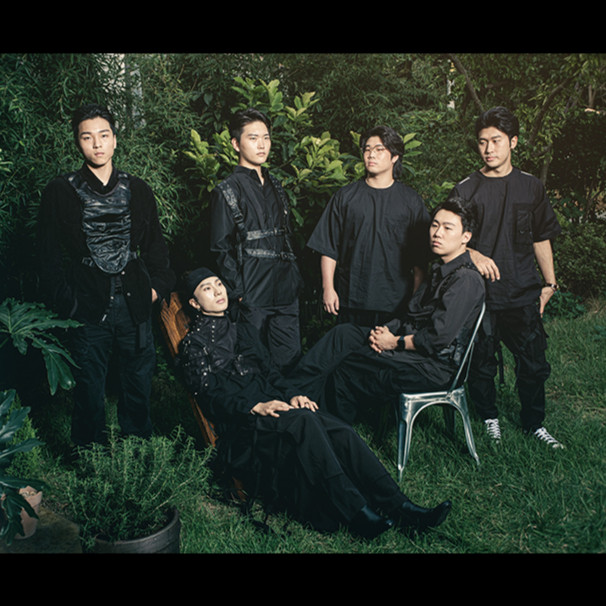
Joseon pop is a contemporary Korean fusion style that reimagines traditional gugak (Korean traditional music) aesthetics—especially vocal and rhythmic idioms—from the Joseon dynasty era within modern pop, rock, funk, and electronic frameworks.

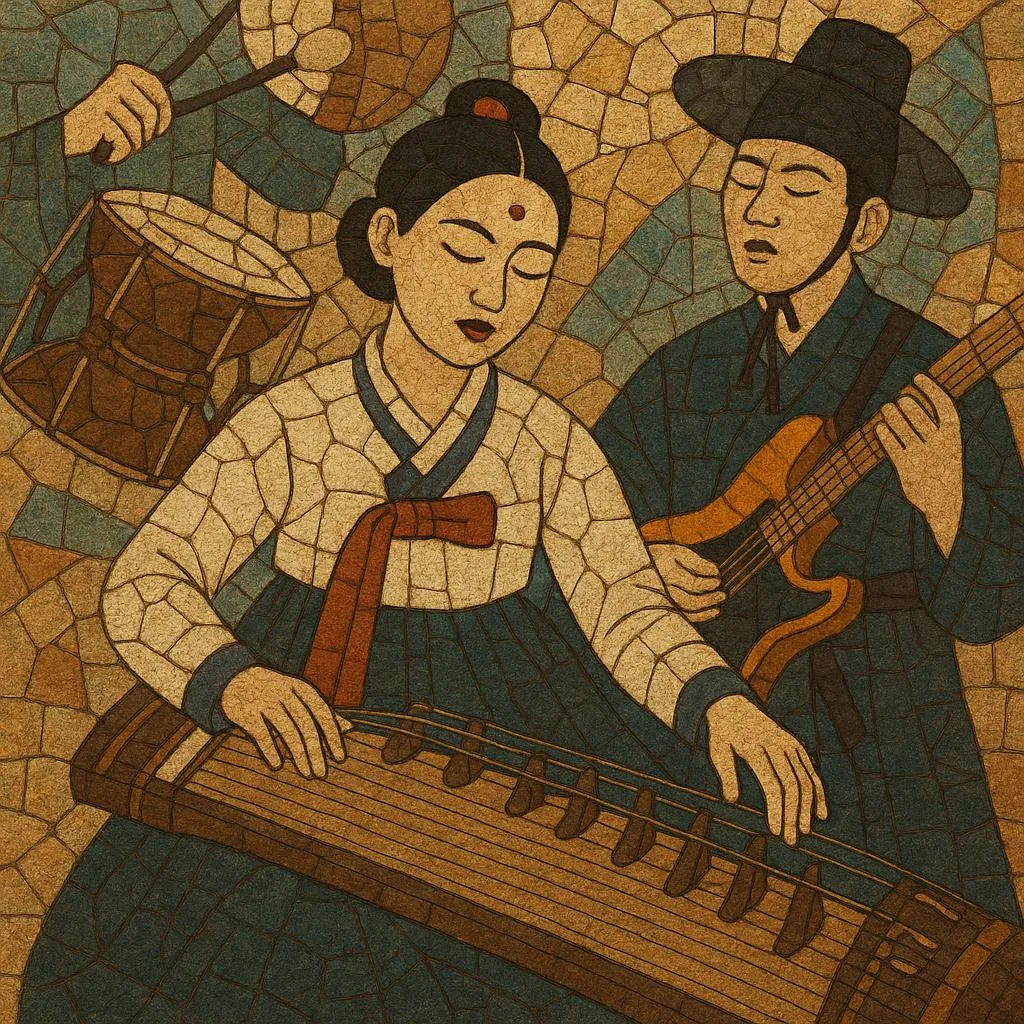
Typical markers include pansori-leaning vocals with expressive ornamentation (sigimsae), use of traditional modes (ujo, gyemyeonjo), and adaptation of jangdan rhythmic cycles (e.g., gutgeori, jungmori, jajinmori, hwimori) into drum-kit or electronic grooves. Instrumentation often blends gayageum, geomungo, haegeum, daegeum, piri, taepyeongso, janggu, and buk with bass guitar, synthesizers, and modern production. The result is music that feels simultaneously folk-rooted and danceable, ceremonial yet pop-forward.


Sources: Spotify, Wikipedia, Discogs, RYM, MB, user feedback and other online sources

History

Roots and Aesthetic Premise

“Joseon pop” draws on the timbres, modes, and narrative practices of Korean traditional music associated with the Joseon period—pansori narratives, folk songs (minyo), shamanic sinawi textures, and percussion-driven samulnori—while reframing them with contemporary songcraft. A key conceptual thread is the respect for gugak’s vocal inflections (sigimsae) and cyclical rhythms (jangdan), translated into arrangements that resonate with global pop audiences.

Early 2010s: Seeds of a Crossover

In the early 2010s, a cohort of young gugak-trained artists and mixed-genre bands began presenting folk melodies and pansori themes in club and festival venues rather than strictly on traditional stages. Their work paralleled broader world-fusion trends but retained decidedly Korean modal and rhythmic signatures, setting the stage for a recognizable “Joseon pop” identity.

Late 2010s–2020s: Name and Momentum

By the late 2010s, the label “Joseon pop” gained traction as media and public campaigns spotlighted acts that made traditional Korean sound immediately catchy and visually compelling. Viral performance videos and high-profile festival appearances helped establish the style as a pop-facing gateway to gugak, encouraging both domestic and international listeners to explore Korean traditional forms.

Consolidation and Global Reach

Through the 2020s, the genre matured: bands refined hybrid ensembles (gayageum or haegeum beside electric bass and synths), vocalists foregrounded pansori-derived technique in pop hooks, and producers translated jangdan cycles into club-ready meters. International showcases, awards, and cross-genre collaborations expanded the audience, cementing Joseon pop as a living, exportable folk-pop language.

Today

Joseon pop now functions as a flexible platform for cultural storytelling—drawing on classic folktales, work songs, and ceremonial motifs—while embracing modern songwriting forms, lush production, and danceable grooves. It serves both as heritage preservation-through-pop and as a forward-looking scene that keeps gugak sonically current.

How to make a track in this genre

Core Palette
•   Combine a gugak lead (pansori-tinged vocalist or a primary traditional instrument such as haegeum, gayageum, or piri) with a modern rhythm section (drum kit or programmed drums, bass, guitar/synths). •   Use timbres like taepyeongso, daegeum, janggu, and buk for color, and contrast them with contemporary pads, arpeggiators, and effects.
Rhythm & Groove (Jangdan to Pop Meters)
•   Start from a traditional cycle (e.g., gutgeori or jungmori in 12/8; jajinmori or hwimori for faster, driving feels). •   Map these into 4/4 or 12/8 grooves with syncopated kick/snare patterns; let percussion (janggu, buk) shadow or dialog with the drum kit. •   Layer hand percussion or sampled nol-to (improvised shouts) for energy.
Melody, Modes, and Vocals
•   Compose melodies in ujo or gyemyeonjo modal flavors; favor pentatonic contours and flexible intonation. •   Use sigimsae (ornamentation: slides, grace turns, vibrato) and wide dynamic phrasing inspired by pansori. •   Call-and-response hooks between voice and a lead instrument (haegeum/gayageum) help spotlight tradition within a pop chorus.
Harmony & Form
•   Keep harmony supportive: modal drones, parallel fourths/fifths, or sparse triads that leave room for ornaments. •   Build standard pop forms (verse–pre–chorus–chorus–bridge) but allow for rubato introductions or interludes evoking sinawi. •   Use breakdowns where jangdan pulse is implied by percussion while bass and synths thin out—then return with a fuller, danceable drop.
Lyrics & Storytelling
•   Recast folk narratives, idioms, and characters; juxtapose ancient imagery with contemporary themes. •   Employ refrains that adapt traditional texts or proverbs into memorable choruses.
Production Tips
•   Close-mic traditional instruments for presence; add room mics or convolution reverb to evoke court or outdoor ritual spaces. •   Blend saturated bass and side-chained synth pads with acoustic strings/winds; automate dynamics to mirror pansori’s dramatic arcs. •   Master with modern loudness but preserve transient clarity on percussion and vocal ornaments.

Top tracks

Locked
Share your favorite track to unlock other users’ top tracks

Upcoming concerts

in this genre
Influenced by
Has influenced
No genres found

Download our mobile app

Get the Melodigging app and start digging for new genres on the go
© 2026 Melodigging
Melodding was created as a tribute to Every Noise at Once, which inspired us to help curious minds keep digging into music's ever-evolving genres.
Buy me a coffee for Melodigging