Genres
Artists
Albums
Make Music
Sign in
Sign in
Artists
Electroclash
Artists
Electroclash
Kill Eva
2024
·
1 album
Listen
3
/5
Genres
Sped-Up Music
Sped-up music is the practice of releasing or circulating versions of existing tracks that have been deliberately accelerated, often with a corresponding pitch raise that produces the classic "chipmunk" timbre. These versions are typically 10–35% faster than the original and are optimized for short‑form video platforms, where quick hooks and heightened energy improve replayability and engagement. While the aesthetic traces back to 2000s nightcore and fan edits on YouTube, the 2020s saw a commercial normalization: labels and artists now issue official “sped up” (and often “slowed”) versions on streaming services. The result is a micro‑genre defined less by unique compositional vocabulary than by a production treatment that recontextualizes mainstream pop, R&B, hip hop, and dance records for viral, danceable, hook‑forward consumption.
Discover
Listen
Zxc
ZXC is a Russian/CIS internet-native micro‑genre and scene label that emerged on VK, Telegram, and TikTok to group a melancholic, guitar‑tinged strain of emo‑rap and trap. Rather than a rigid stylistic rulebook, “zxc” signals a shared aesthetic: minor‑key melodies, soft overdriven guitars or hazy synth pads atop 808-heavy trap drums, half‑sung/half‑rapped hooks, and diaristic Russian‑language lyrics about alienation, late‑night cityscapes, romance, and online life. Production is intentionally lo‑fi or dreamlike—washed in chorus, reverb, and tape‑like saturation—blending cloud‑rap softness with post‑Soviet cold‑wave/post‑punk moods. The tag functions both as a sound and a subcultural marker: hoodies and VHS textures, retro phone cameras, pixel art, and gaming/server culture references, all orbiting short, hooky tracks optimized for social feeds and stories.
Discover
Listen
Gym Phonk
Gym phonk is a high-energy, modern offshoot of phonk that is tailored for workout edits, lifting montages, and short‑form video clips. It merges the gritty, lo‑fi Memphis rap sampling of classic phonk with the clipped, overdriven bass, cowbell leads, and fast tempos popularized by drift phonk. Producers aim for immediate impact: hard 808 slides, distorted low end, and chant‑like vocal chops are arranged for quick drops and clear, repeatable hooks. Compared to earlier, moodier phonk, gym phonk emphasizes intensity and propulsion—often sitting around 150–170 BPM—and frequently draws from a 4‑on‑the‑floor “phonk house” feel or a halftime trap bounce. The sound went viral across TikTok, YouTube, and gym playlists, driven by Russian/Eastern European and global producers who optimized the style for heavy training and motivational edits.
Discover
Listen
Gymcore
Gymcore is an internet-born, high-intensity microgenre optimized for workout videos, lifting edits, and short-form fitness content. It blends the hard-hitting percussion and distorted 808s of trap and trap metal with the galloping, cowbell-driven momentum of drift phonk and the relentless drive of modern hardstyle and hardwave. Designed to feel maximal and adrenalizing, gymcore favors minor-mode riffs, crunchy saturation, clipped masters, and halftime grooves that translate into massive head-nod energy at the gym. The result is a dense, bass-forward sound that punches through phone speakers and gym PAs alike, making it a staple soundtrack for PR attempts, sprint sets, and combat-sport highlight edits.
Discover
Listen
Pixie
Pixie is a Gen‑Z, internet‑native microgenre that sits at the bright, whimsical end of the hyperpop/digicore spectrum. It favors sparkling, “fairy‑like” sound design: glassy arpeggios, glittering supersaws, twinkling bells, and breathy, often pitched‑up or formant‑shifted vocals. Songs tend to be short and hook‑forward, balancing innocent, daydreamy textures with maximal drops and elastic rhythms. Lyrically it blends diaristic vulnerability, romance, and coming‑of‑age themes with online culture references and a playful sense of fantasy. Aesthetically, pixie borrows the cute/kawaii visual language (soft pastels, magical motifs) while keeping the DIY, Discord‑server ethos of the hyperpop underground. Production is fast, DAW‑focused (FL Studio/Ableton), and built for streaming, TikTok loops, and community playlists.
Discover
Listen
Pumpcore
Pumpcore is a hyper-energetic, gym-oriented microgenre that blends blown-out bass, sped-up hooks, and hard-hitting drops tailored for workout intensity and short-form video edits. It borrows from trap (and EDM-trap), phonk’s gritty timbres, hardstyle’s festival-scale builds, and nightcore-style acceleration, then pushes everything through aggressive saturation and sidechain “pump” to create a relentless, motivational surge. Tracks typically revolve around a memorable vocal or lead riff that has been time-stretched, pitch-shifted, and looped to maximize adrenaline and impact.
Discover
Listen
Rage
Rage is a high-energy, synth-forward trap production style characterized by bright, detuned supersaw leads, pounding 808s, and fast, looping drum patterns built for explosive rap performances. It emphasizes instant-impact hooks, minimal chord movement, and anthemic drops that feel closer to festival EDM crescendos than traditional hip hop breakdowns. The sound rose from the post–SoundCloud, punk-influenced branch of trap, drawing on the icy simplicity of Playboi Carti’s late-2010s palette and marrying it with trance/eurodance-styled leads and EDM trap dynamics. The result is a glossy, adrenalized bed for shouted, rebellious vocals—music designed for mosh pits, arena stages, and viral snippets alike.
Discover
Listen
Rave Funk
Rave funk is a contemporary Brazilian club style that fuses the raw percussion, call‑and‑response vocals, and gritty bass of funk carioca with the supersaws, hoover stabs, white‑noise risers, and big‑room drops of EDM and rave. Typically sitting between 140–150 BPM (often at the Brazilian "150 BPM" pace), it uses the tamborzão or mandelão drum feel under festival‑scale synth builds and DJ‑friendly drops. The result is a high‑impact, dance‑floor sound that keeps the street energy of funk while adopting the dramatic structures of modern rave.
Discover
Listen
Stutter House
Stutter house is a contemporary house microgenre defined by the percussive use of chopped and rapidly re-triggered vocal fragments that “stutter” rhythmically over a four-on-the-floor groove. Producers slice a short vocal phrase into tiny grains (often 1/8–1/32 notes), gate or retrigger them in syncopated patterns, and then pitch-, formant-, or time-shift the pieces to create a hook that functions as both melody and rhythm. The style typically runs at 124–130 BPM, pairs a tight, sidechained low-end with crisp tech house drums, and relies on minimalist arrangement so the stuttering vocal lead remains the focal point. It borrows the tactile, loop-centric immediacy of tech house and the glitchy ear-candy of modern EDM while keeping club mixing and dancefloor momentum in mind.
Discover
Listen
Digital Horror
Digital horror is a contemporary horror aesthetic that focuses on dread emerging from networked technologies, software, and always‑on media. Narratives and sound worlds revolve around screens, social platforms, livestreams, malware, deepfakes, and the uncanny presence of algorithmic systems. In music and sound design, the style translates this fear of the digital into glitching textures, corrupted audio artifacts, synthetic drones, and the weaponization of familiar interface sounds (alerts, keyboards, notification pings). It often blends dark ambient, industrial noise, and hauntological sampling to suggest threats that live inside code, clouds, and data centers—consistent with the wider definition that emphasizes anxiety and supernatural menace arising from the Internet and modern media.
Discover
Listen
Doomshop Phonk
Doomshop phonk is a darker, grittier branch of phonk rooted in 1990s Memphis underground hip hop aesthetics and horrorcore imagery. It emphasizes slowed, pitched‑down rap vocals, eerie melodic loops, blown‑out 808 subs, and lo‑fi textures (tape hiss, vinyl crackle) to evoke a sinister, nocturnal atmosphere. The style was popularized online in the mid‑2010s through the Doom Shop/Doomshop collective, YouTube mixtapes, and SoundCloud communities. Compared with mainstream or drift phonk, doomshop phonk keeps tempos slower, mixes dirtier, and samples and programming closer to chopped‑and‑screwed and early Memphis traditions.
Discover
Listen
Grave Wave
Grave wave is a modern, goth-leaning strain of darkwave and synth-driven post-punk that emerged in the early 2010s. It blends the icier textures of 1980s coldwave and minimal wave with pulsing drum machines, brooding basslines, and spectral vocals drenched in reverb. The style favors analog and retro-styled synthesizers, chorus-laden guitars, and tightly programmed rhythms that evoke nocturnal cityscapes, underground clubs, and cinematic horror aesthetics. Lyrically it leans toward themes of alienation, desire, memory, and the uncanny—often delivered in low, detached croons or ethereal whispers. Sonically, grave wave sits between darkwave and synth-pop: more driving and danceable than pure coldwave, but more shadowy and melancholic than mainstream synth-pop. Its atmosphere is moody yet propulsive, making it equally at home on a dim dancefloor or in headphones on a late-night walk.
Discover
Listen
Modern Downshift
Modern downshift is a contemporary, playlist-era microgenre that blends hushed alternative pop and alt‑R&B sensibilities with the spaciousness of downtempo and ambient pop. Songs are typically slow to mid‑tempo, minimal in arrangement, and intimate in vocal delivery—often breathy, close‑miked, and confessional. Production emphasizes warmth and negative space: soft sub‑bass, restrained percussion, reverb‑washed pads or guitars, and gentle saturation that keeps the overall texture velvety and nocturnal. Lyrically, the style skews introspective and late‑night: relationships, vulnerability, quiet self‑reflection, and the emotional afterglow of parties or city drives. The result is music that feels low‑key and cinematic—designed as much for solitary listening as for low‑light social settings.
Discover
Listen
Outsider House
Outsider house is a strain of house music that embraces lo‑fi production, raw textures, and a DIY ethos. Instead of the sleek, club‑polished sound of mainstream house, it foregrounds tape hiss, distortion, and gritty machine funk to create a hazy, intimate atmosphere. Often associated with early‑2010s labels and scenes that prized hardware jams and cassette aesthetics, outsider house sits at the fringes of house and techno while retaining steady 4/4 rhythms for dancefloor use. Tracks tend to be hypnotic and repetitive, with detuned pads, muffled drums, and understated basslines that feel both nostalgic and nocturnal.
Discover
Listen
Glitchcore
Glitchcore is an internet-born microgenre that fuses pop-forward songwriting with hyperactive, digitally mangled sound design. It is characterized by bitcrushed and over-distorted synths, stuttered edits, sudden beat-switches, and heavily pitch-shifted, Auto-Tuned vocals. Arrangements tend to be short, hook-centric, and maximalist, often compressing multiple sections and textures into tracks that last 90–150 seconds. The genre borrows the emotive directness of emo rap and bedroom pop, the rhythmic backbone of trap, and the candy-coated sheen of hyperpop and bubblegum bass, while leaning into deliberate digital artifacts—glitches, dropouts, resampling, and hard clip distortion—as expressive tools. Culturally, glitchcore is inseparable from online communities (Discord, SoundCloud, TikTok), where rapid iteration, meme literacy, and DIY production workflows shaped its sound and aesthetics.
Discover
Listen
Krushclub
Krushclub is a SoundCloud-born microgenre that fuses trap and club music with the distorted, post-internet aesthetics popularized by sigilkore. Its signature sound centers on bitcrushed synths, heavy post-processing of vocals (pitch-shifting, formant play, and hard clipping), and energetic, Jersey Club–derived kick patterns and bounce. Producers stack layers of digital artifacts—bitcrush, sample-rate reduction, tape-warp, and brickwall limiting—over cloud-rap-adjacent melodies and pads. The result is a hyper-digital, high-contrast mix: glossy top-end grit over booming 808s, chopped call‑and‑response vocal hooks, and edits that nod to slowed+reverb culture, nightcore acceleration, and DJ-style mash layering.
Discover
Listen
Motivation
Motivation is a functional, cross-genre style designed to inspire action, confidence, and perseverance. It blends modern pop and EDM energy with cinematic/orchestral builds and post-rock textures to create an uplifting, triumphant arc. Arrangements typically move from a sparse, contemplative opening (piano, pads, delayed guitars) into steadily layered drums, rhythmic ostinatos, and wide, anthemic choruses. Major keys, bright synths, claps, stomps, and chantable hooks are common, while harmonic progressions favor familiar, optimistic cycles (e.g., I–V–vi–IV) that signal resolve and forward motion. Originally tied to production and library music for promos, sports, tech launches, and YouTube storytelling, Motivation has become a recognizable aesthetic across advertising, fitness culture, and personal development media.
Discover
Listen
Electronic Trap
Electronic trap is a club-oriented hybrid that fuses modern trap’s drum language (punchy 808 kicks, snappy snares, fast hi-hat rolls) with EDM sound design and festival-style arrangement. Compared to rap-first trap, electronic trap is typically more instrumental and drop-driven, with dramatic buildups, heavy bass drops, and highly processed synths. Common sonic traits include distorted 808 subs, aggressive lead synths, chopped or pitched vocal samples, and big FX transitions (risers, impacts, sweeps). The overall focus is energy, bass weight, and crowd impact on large sound systems.
Discover
Listen
Emo Trap
Emo trap is a mid‑2010s fusion of trap production and the melodic, confessional sensibility of 2000s emo and pop‑punk. Built around minor‑key guitar or piano loops, blown‑out 808s, and half‑time trap drums, it favors short, hook‑heavy songs that blur singing and rapping through Auto‑Tune. Lyrically it is candid and diaristic—heartbreak, anxiety, alienation, substance use/recovery, and late‑night introspection are common themes. The sound crystallized on SoundCloud’s DIY ecosystem: rough‑edged mixes, clipped masters, and bedroom workflows that prioritized immediacy over polish, later crossing into the mainstream via viral singles and post‑blog discovery platforms.
Discover
Listen
Glitch Hop Edm
Glitch hop EDM is a bass-heavy, midtempo offshoot of glitch and hip-hop that adopts the large-scale sound design, drops, and festival-ready structures of contemporary EDM. It typically runs around 90–115 BPM with a swung or syncopated hip-hop groove, while employing stutter edits, tape stops, bitcrushing, buffer repeats, granular chops, and intricate automation to create the characteristic "glitched" feel. Tracks often feature thick, modulated basslines; punchy, off-kilter drums; chopped vocals and foley; and harmonies that borrow from jazz, funk, and soul, all arranged in EDM-style buildups and drops.
Discover
Listen
Hexd
HexD is a net-native microgenre of hip‑hop and electronic music defined by extreme bitcrushing, aggressive down/upsampling, hard clipping, and compression applied to beats and especially to vocals. Tracks often feature sped‑up and pitched‑up (sometimes formant‑shifted) vocal edits over trap‑leaning drums or breakbeat fragments, creating a distorted, digital, hazy, and psychedelic texture. Many releases are edits or reworks of existing material from rap, emo rap, and digicore/hyperpop, treated as raw sound to be “hexxed” with digital artifacts. Aesthetically, the scene is tightly tied to online platforms and DIY collectives, embracing early‑web, anime, and lo‑fi internet visuals while prioritizing mood, texture, and immediacy over fidelity.
Discover
Listen
Neoperreo
Neoperreo is a 2010s, internet-native reboot of reggaeton’s perreo culture, spearheaded by a DIY, club-oriented scene that embraces queer, feminist, and body-positive values. It keeps the genre’s dembow backbone while pushing sound design into heavier 808s, crisp digital percussion, and glossy autotuned vocals. Aesthetically, it borrows from global/experimental club currents, moombahton’s mid-tempo thump, and hyperpop’s online sensibility, yielding tracks that are minimal yet hard-hitting, hooky but adventurous. Neoperreo thrives in parties, YouTube/SoundCloud ecosystems, and pop-up scenes across Latin America, Spain, and the diaspora—designed first and foremost for the dancefloor and for perreo.
Discover
Listen
Electroclash
Electroclash is a late-1990s/early-2000s fusion of 1980s synth-pop and new wave aesthetics with contemporary club-ready electro, techno, and house production. It pairs deadpan or detached vocals, sexually charged and ironic lyrics, and fashion-forward performance art with analog-sounding drum machines, biting synth basslines, and minimal, mechanical grooves. The style’s signature sound emphasizes retro timbres (saw/square leads, arpeggiators, vocoders), rigid four-on-the-floor or electro-funk rhythms, and a cool, decadent attitude that blurs underground club culture with pop spectacle.
Discover
Listen
Show all 23 genres
Albums
2024
1
/5
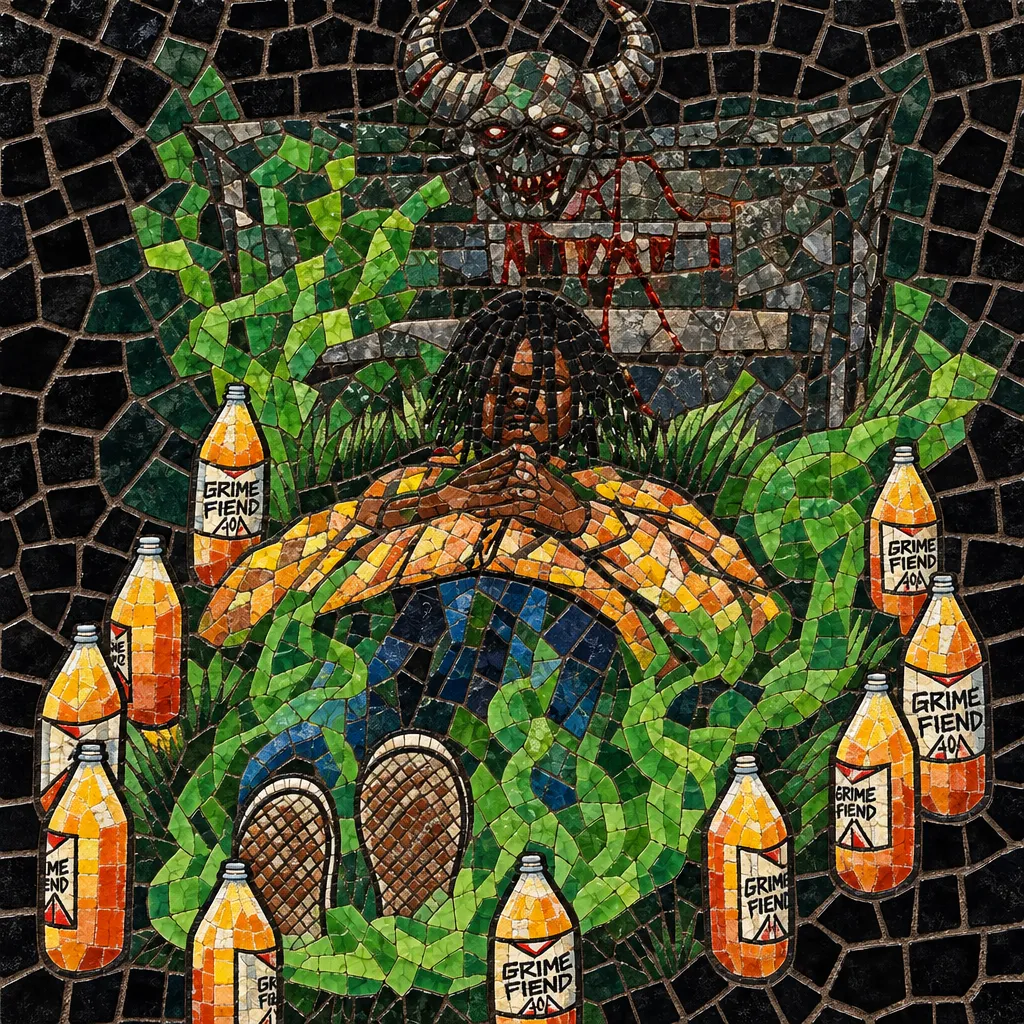
Pray for Poshlaya Molly
Kill Eva
Electroclash
Similar artists
4
/5
Crystal Castles
Bitpop
Digital Hardcore
Nintendocore
4
/5
LONOWN
Electroclash
Witch House
Phonk
4
/5
Snow Strippers
Electroclash
Witch House
Chill Phonk
4
/5
riserayss
Chill Phonk
Doomshop Phonk
Electroclash
4
/5
akiaura
Dreampunk
Wave
Chill Phonk
3
/5
STM
Chill Phonk
Dark Pop
Doomshop Phonk
3
/5
rivoices
Electroclash
Witch House
Flint Sound
3
/5
DVRKLXGHT
Chill Phonk
Electroclash
Witch House
5
/5
Drake
Canadian Hip Hop
Hip Hop
Rap
5
/5
Kendrick Lamar
Conscious Hip Hop
Hip Hop
West Coast Hip Hop
Download our mobile app
Get the Melodigging app and start digging for new genres on the go
Download on the App Store
Get it on Google Play
© 2026 Melodigging
Give feedback
Legal
Melodding was created as a tribute to
Every Noise at Once
, which inspired us to help curious minds keep digging into music's ever-evolving genres.