Genres
Artists
Albums
Make Music
Sign in
Sign in
Artists
Bitpop
Artists
Bitpop
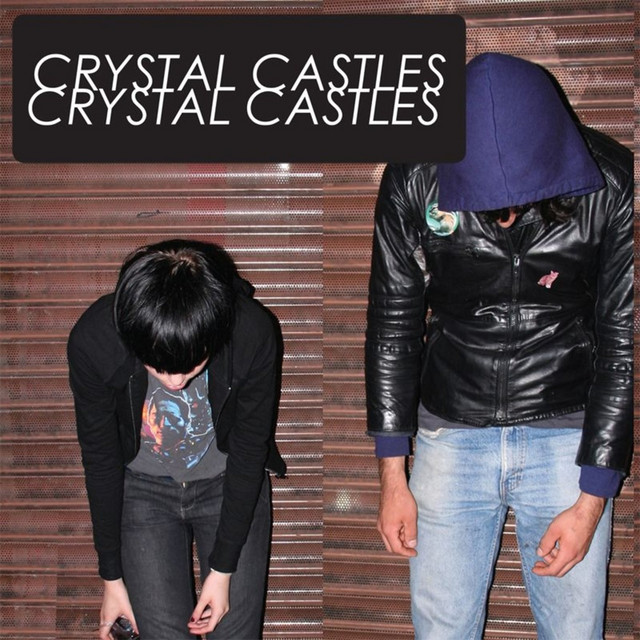
Crystal Castles
2008–2021
·
18 albums
Listen
4
/5
Genres
Analog Horror
Analog horror is an internet-born horror style that foregrounds the texture and limits of obsolete media. It is characterized by lo‑fi, band‑limited sound, tape hiss, wow and flutter, and the sonic vocabulary of public‑access TV, VHS cassettes, emergency broadcast signals, and numbers stations. In narrative terms, it tends toward cryptic, surreal plots presented as faux archival broadcasts, training films, or interrupted transmissions. Musically, the idiom leans on drones, minimal motifs, degraded samples, and detuned analog synths, using period‑authentic processing to evoke dread, nostalgia, and the uncanny.
Discover
Listen
Dark Pop
Dark pop is a moody, minor‑key strain of pop that blends the hooks and structure of mainstream pop with the shadowy timbres of dark wave, trip hop, and alternative electronic music. It favors intimate, close‑mic vocals, cinematic ambience, and lyrics that explore vulnerability, power, and the unsettling edges of modern life. Production often leans on sub‑bass, sparse trap‑influenced drums, and glossy yet ominous synths, creating a high‑contrast sound that feels both confessional and theatrical. While radio‑friendly in form, dark pop emphasizes tension over euphoria: melodies linger in lower registers, harmonies use modal mixture, and textures deploy reverb, distortion, and sound‑design flourishes to evoke unease and melancholy.
Discover
Listen
Digital Horror
Digital horror is a contemporary horror aesthetic that focuses on dread emerging from networked technologies, software, and always‑on media. Narratives and sound worlds revolve around screens, social platforms, livestreams, malware, deepfakes, and the uncanny presence of algorithmic systems. In music and sound design, the style translates this fear of the digital into glitching textures, corrupted audio artifacts, synthetic drones, and the weaponization of familiar interface sounds (alerts, keyboards, notification pings). It often blends dark ambient, industrial noise, and hauntological sampling to suggest threats that live inside code, clouds, and data centers—consistent with the wider definition that emphasizes anxiety and supernatural menace arising from the Internet and modern media.
Discover
Listen
Doomshop Phonk
Doomshop phonk is a darker, grittier branch of phonk rooted in 1990s Memphis underground hip hop aesthetics and horrorcore imagery. It emphasizes slowed, pitched‑down rap vocals, eerie melodic loops, blown‑out 808 subs, and lo‑fi textures (tape hiss, vinyl crackle) to evoke a sinister, nocturnal atmosphere. The style was popularized online in the mid‑2010s through the Doom Shop/Doomshop collective, YouTube mixtapes, and SoundCloud communities. Compared with mainstream or drift phonk, doomshop phonk keeps tempos slower, mixes dirtier, and samples and programming closer to chopped‑and‑screwed and early Memphis traditions.
Discover
Listen
Experimental Club Music
Experimental club music (often called post-club or deconstructed club) is a hybrid, avant‑garde approach to club production and performance that treats the dancefloor as a laboratory. It uses the grammar of contemporary club forms—heavy sub‑bass, kick patterns, samples, MC or chopped vocals—as raw material to be cut apart, collaged, and reassembled. Instead of four‑to‑the‑floor regularity, it favors asymmetry, abrupt contrasts, negative space, and extreme sound design drawn from noise, industrial, grime, ballroom/vogue, reggaeton, and internet culture. The result ranges from skeletal, percussive workouts to dense, cinematic soundscapes that can be as confrontational as they are cathartic. Just as importantly, the scene has been a site of diasporic, queer, and trans expression, where identity and politics are embedded in sonic choices and performance practice.
Discover
Listen
Experimental Indie
Experimental indie is a broad, exploratory wing of independent rock and pop that prioritizes curiosity over convention. It blends DIY recording practices with off‑kilter song forms, unusual timbres, and a willingness to fold in ideas from avant‑pop, noise, electronic music, and psych. Rather than a fixed sound, it is a method and attitude: use the tools at hand (bedroom rigs, pedals, samplers, tape, software) to push past genre borders, while keeping the immediacy and intimacy of indie. Expect jagged rhythms, warped hooks, collage‑like arrangements, and production choices that foreground texture as much as melody.
Discover
Listen
Flint Sound
Flint sound is a contemporary Michigan rap style centered in Flint, United States. It is characterized by fast, minimal, piano- or organ-led beats, dry and upfront vocals, and bar-by-bar “punch‑in” delivery that often rides slightly ahead of or behind the grid for a conversational, off‑kilter feel. The production typically favors bright piano loops, staccato 808 slides, crisp claps or rimshots, and sparse percussion, leaving plenty of space for relentless punchlines, gritty street reportage, and mischievous humor. While hard-edged and streetwise, the style frequently leans into charismatic personality and wit, making it both aggressive and infectious for dancing.
Discover
Listen
Grave Wave
Grave wave is a modern, goth-leaning strain of darkwave and synth-driven post-punk that emerged in the early 2010s. It blends the icier textures of 1980s coldwave and minimal wave with pulsing drum machines, brooding basslines, and spectral vocals drenched in reverb. The style favors analog and retro-styled synthesizers, chorus-laden guitars, and tightly programmed rhythms that evoke nocturnal cityscapes, underground clubs, and cinematic horror aesthetics. Lyrically it leans toward themes of alienation, desire, memory, and the uncanny—often delivered in low, detached croons or ethereal whispers. Sonically, grave wave sits between darkwave and synth-pop: more driving and danceable than pure coldwave, but more shadowy and melancholic than mainstream synth-pop. Its atmosphere is moody yet propulsive, making it equally at home on a dim dancefloor or in headphones on a late-night walk.
Discover
Listen
Indie Dream Pop
Indie dream pop blends the hazy, reverb-heavy atmospheres of classic dream pop with the songwriting sensibilities and DIY production ethos of indie music. Typical tracks feature soft, breathy vocals floating over lush guitar textures, analog-leaning synth pads, and understated drum grooves. The sound privileges mood and texture—chorus- and delay-washed guitars, shimmering synths, and gauzy reverbs—while keeping melodies tuneful and intimate. Compared with 1980s dream pop, the "indie" strand leans more on bedroom production, compact song forms, and approachable hooks. Lyrically, themes often center on memory, longing, youth, and small emotional details, delivered in a close-mic, confessional style. The overall aesthetic is nocturnal, nostalgic, and gently hypnotic.
Discover
Listen
Indie Pop Rap
Indie pop rap blends the melodic hooks and DIY aesthetic of indie pop with conversational, often introspective rap delivery. The production favors warm, guitar- or synth-led beats, understated drums, and lo‑fi textures over bombastic trap maximalism. Lyrically, it leans personal and relatable—relationships, coming of age, mental health, and day-to-day vignettes—delivered in a half-sung, half-rapped style. The sound was shaped by bedroom producers and the streaming era, where low-stakes, catchy songs with intimate vocals thrive on playlists and social media.
Discover
Listen
Post-Dubstep
Post-dubstep is a loosely defined wave of UK-born electronic music that grew out of dubstep but moved away from its rigid 140 BPM wobble-bass formula. It keeps the bass-weight, sound-system focus, and rhythmic syncopation of dubstep and UK garage, but folds in house and techno tempos, R&B vocal chops, ambient space, and experimental production. Typical tracks explore 120–135 BPM (not fixed at 140), use broken 2‑step/garage swing instead of 4/4, and favor detailed sound design over maximal drops. You’ll often hear hushed, intimate vocals (sampled or original), neo-soul/jazz-influenced chords, and micro-edited percussion with lots of negative space. The mood is frequently introspective, melancholic, and textural—more headphone-oriented than festival-leaning—yet still rooted in club culture.
Discover
Listen
Bitpop
Bitpop is a pop-oriented offshoot of the chiptune/chipmusic scene that marries hook-driven songwriting with the timbres of vintage 8‑bit and 16‑bit game hardware. Typical sound sources include the pulse, triangle, and noise generators of consoles like the Nintendo Game Boy, NES/Famicom, and Commodore 64 SID, sequenced in trackers and layered with modern drums, bass, guitars, and vocals. The style favors bright, catchy melodies, ultra-quantized rhythms, rapid arpeggios (to imply chords on limited sound chips), and bitcrushed or downsampled textures. Songs usually follow contemporary pop structures (verse–chorus–bridge), aim for danceable tempos, and evoke playful, nostalgic "video‑game" aesthetics while maintaining the polish of modern pop production.
Discover
Listen
Nintendocore
Nintendocore is a fusion of chiptune/video‑game aesthetics with the aggression and structures of hardcore, metalcore, and related heavy styles. It pairs 8‑bit timbres reminiscent of NES and Game Boy sound chips with distorted guitars, screamed or shouted vocals, breakdowns, and high‑energy drumming. Typical sonic markers include square‑wave leads, triangle‑wave bass lines, noise‑channel snares and hi‑hats, rapid arpeggios, and modal melodies that evoke classic game soundtracks. These are integrated into punk/metal frameworks featuring blast beats, mathy syncopations, and dynamic stop‑starts. While some bands directly quote game themes, many write original material that channels the same nostalgic, pixelated character. Culturally, the genre emerged from early‑2000s internet communities and DIY scenes (forums, MySpace, netlabels) where hardware hacking, tracker composition, and hardcore touring circuits overlapped.
Discover
Listen
Witch House
Witch house is an occult‑themed, nocturnal strain of dark electronic music that emerged in the late 2000s and early 2010s. It blends slow, hip hop–derived drum programming with droning, dense synthesizers, layered bass, and high‑pitched or detuned keyboard motifs. The style is defined by heavily processed, often indiscernible vocals, obscure or horror‑leaning samples, and a hazy, lo‑fi atmosphere. Aesthetically it draws on goth and horror iconography—triangles, Unicode symbols, VHS decay—and favors a murky, ritualistic mood over club‑ready shine.
Discover
Listen
New Rave
New rave is a mid‑2000s British-born fusion of indie rock energy and 1990s rave sonics, dressed in day‑glo aesthetics and festival‑size hooks. It pairs live drums, guitars, and chant‑ready vocals with club‑minded synths, sawtooth leads, and heavily sidechained kicks to produce high‑octane, dance‑floor‑friendly songs. Propelled by blogs, MySpace, and hype magazines, the style emphasized communal euphoria and neon futurism while borrowing breakbeats, acid squelches, and rave stabs from earlier UK dance culture. The result is a glossy, maximal sound that feels both nostalgically 90s and distinctly 2000s in its pop-savvy immediacy.
Discover
Listen
Neo-Synthpop
Neo-synthpop is a 21st‑century revival of 1980s synth‑driven pop that blends vintage analog timbres with modern pop songwriting and contemporary production polish. It retains the genre’s hallmark qualities—catchy hooks, prominent synthesizer leads, arpeggiators, and drum‑machine grooves—while adopting today’s mixing standards, wider stereo imaging, and louder, cleaner masters. Artists in neo-synthpop typically draw on shimmering pads, propulsive eighth‑note basslines, and glossy, reverb‑kissed snares. Lyrically, it often balances youthful romanticism and introspection with a subtly wistful, nostalgic tone, evoking neon‑lit nights, urban melancholia, and bittersweet euphoria. The result feels both retro and new: the immediacy of classic synthpop reframed for modern streaming and live festival contexts.
Discover
Listen
Digital Hardcore
Digital hardcore is a high‑intensity fusion of hardcore punk’s speed and confrontation with the distorted, overdriven sonics of hardcore techno, gabber, and breakbeat. It is typically characterized by clipped and bit‑crushed drums, blown‑out 909/amen breaks, harsh noise layers, shouted anti‑authoritarian vocals, and an aesthetic rooted in DIY punk and rave culture. The style favors saturation, extreme dynamic compression, sudden structural cuts, and political urgency over harmonic complexity, often resulting in a cathartic, chaotic wall of sound.
Discover
Listen
Electroclash
Electroclash is a late-1990s/early-2000s fusion of 1980s synth-pop and new wave aesthetics with contemporary club-ready electro, techno, and house production. It pairs deadpan or detached vocals, sexually charged and ironic lyrics, and fashion-forward performance art with analog-sounding drum machines, biting synth basslines, and minimal, mechanical grooves. The style’s signature sound emphasizes retro timbres (saw/square leads, arpeggiators, vocoders), rigid four-on-the-floor or electro-funk rhythms, and a cool, decadent attitude that blurs underground club culture with pop spectacle.
Discover
Listen
Alternative Dance
Alternative dance blends the textures and songwriting of alternative rock and post‑punk with club‑oriented rhythms and production. Born in the UK at the cusp of the late 1980s “Second Summer of Love,” it embraced house/acid house grooves, sequenced bass lines, and sampling while keeping indie sensibilities, guitars, and song structures. The result is music that works on a dancefloor but still reads like an alternative single. Typical hallmarks include four‑on‑the‑floor or breakbeat drums, jangly or funky guitars, prominent bass (often synth), euphoric pads, and hook‑forward vocals. Landmark albums like New Order’s Technique and Primal Scream’s Screamadelica helped define its palette and ethos.
Discover
Listen
Electro
Electro is an early 1980s machine-funk style built around drum machines (especially the Roland TR-808), sequenced basslines, and a futuristic, robotic aesthetic. It emphasizes syncopated rhythms, sparse arrangements, and timbres drawn from analog and early digital synthesizers. Vocals, when present, are often delivered via vocoder or rap-style chants, reinforcing a sci‑fi, cyborg persona. Electro’s grooves powered breakdance culture, and its sonic palette—crisp 808 kicks, snappy snares, dry claps, cowbells, and squelchy bass—became foundational to later techno and bass music.
Discover
Listen
Synth-Pop
Synth-pop is a pop-oriented style that foregrounds the synthesizer as its primary instrument, often paired with drum machines and sequencers. It favors clean, melodic hooks, concise song structures, and a sleek, modernist sound that ranges from cool and minimal to lush and romantic. Emerging at the turn of the 1980s from the UK new wave and post-punk scenes, synth-pop leveraged affordable analog and then digital keyboards to bring electronic textures into the mainstream. Its sonic palette includes arpeggiated basslines, shimmering pads, bright leads, gated or machine-driven drums, and polished vocals that convey both futuristic detachment and emotional immediacy.
Discover
Listen
Electropop
Electropop is a branch of pop music that foregrounds electronic instruments—especially synthesizers, drum machines, and sequencers—to deliver catchy, hook-driven songs. It preserves the verse–pre-chorus–chorus architecture and melodic immediacy of pop while replacing most traditional band instrumentation with programmed rhythms, synthetic bass lines, and glossy textures. The style emphasizes earworm toplines, precise rhythmic grids, and tightly produced arrangements that often highlight contrast between minimal, punchy verses and expansive, anthemic choruses. Timbres range from warm analog pads and arpeggiators reminiscent of the late 1970s/early 1980s to ultra-modern, hyper-detailed sound design, making electropop both retro-leaning and future-facing depending on the artist.
Discover
Listen
Electropunk
Electropunk fuses the confrontational energy and DIY ethos of punk with the timbres and machinery of electronic music. Instead of guitars and live drums, it leans on aggressive synthesizers, drum machines, samplers, and effects, delivering short, high-impact songs with shouted or sneered vocals. The sound is raw, minimal, and often deliberately abrasive: distorted basslines, square- and saw-tooth leads, clipped claps and snares, and overdriven mixes that prize attitude over polish. Tempos typically range from mid-tempo stomp to frenetic club pace, and arrangements favor tight verse–chorus forms, sudden breaks, and noise-washed codas. The aesthetics are anti-virtuosic, performance-art friendly, and intensely physical—made to be felt as much as heard.
Discover
Listen
Electronic
Electronic is a broad umbrella genre defined by the primary use of electronically generated or electronically processed sound. It encompasses music made with synthesizers, drum machines, samplers, computers, and studio/tape techniques, as well as electroacoustic manipulation of recorded or synthetic sources. The genre ranges from academic and experimental traditions to popular and dance-oriented forms. While its sonic palette is rooted in electricity and circuitry, its aesthetics span minimal and textural explorations, structured song forms, and beat-driven club permutations. Electronic emphasizes sound design, timbre, and studio-as-instrument practices as much as melody and harmony.
Discover
Listen
Show all 24 genres
Albums
2021
2
/5
Witching Hour
Crystal Castles
Nintendocore
Digital Hardcore
Bitpop
2016
2
/5
Char
Crystal Castles
Nintendocore
Digital Hardcore
Bitpop
2016
4
/5
Amnesty (I)
Crystal Castles
Digital Hardcore
Nintendocore
Bitpop
2016
1
/5
Amnesty (I)
Crystal Castles
Witch House
Digital Hardcore
Electro
2016
2
/5
Fleece
Crystal Castles
Digital Hardcore
Bitpop
Nintendocore
2016
1
/5
Char
Crystal Castles
Digital Hardcore
Bitpop
Nintendocore
2016
2
/5
Concrete
Crystal Castles
Digital Hardcore
2015
1
/5
Frail
Crystal Castles
Digital Hardcore
Nintendocore
Electronic
2012
4
/5
(III)
Crystal Castles
Witch House
Nintendocore
Digital Hardcore
2012
2
/5
(III)
Crystal Castles
Bitpop
Nintendocore
Digital Hardcore
2011
3
/5
(II)
Crystal Castles
Digital Hardcore
Bitpop
Nintendocore
2011
1
/5
Crystal Castles (II)
Crystal Castles
Electropop
Electro
Electronic
2010
1
/5
Crystal Castles (II)
Crystal Castles
Digital Hardcore
2010
3
/5
Celestica
Crystal Castles
Digital Hardcore
Bitpop
Nintendocore
2010
4
/5
Crystal Castles (II)
Crystal Castles
Digital Hardcore
Bitpop
Nintendocore
2010
4
/5
Crystal Castles (II)
Crystal Castles
Digital Hardcore
Nintendocore
Bitpop
2008
5
/5
Crystal Castles
Crystal Castles
Digital Hardcore
Nintendocore
Bitpop
2008
1
/5
Crystal Castles
Crystal Castles
Bitpop
Bloghouse
Digital Hardcore
Similar artists
1
/5
Various Artists
Afro-Funk
Alternative Rock
Ambient
3
/5
Anamanaguchi
Chiptune
Bitpop
Nintendocore
2
/5
Kap Bambino
Digital Hardcore
Electroclash
New Rave
2
/5
Bondage Fairies
Bitpop
Electronic
Nintendocore
3
/5
The Hellp
Synth Punk
Electroclash
New Rave
2
/5
Blind Equation
Cybergrind
Nintendocore
Chiptune
2
/5
Bubblegum Octopus
Cybergrind
Nintendocore
Mathcore
4
/5
Slayyyter
Pink Noise
Proto-Hyperpop
Escape Room
4
/5
2hollis
Electroclash
Glitchcore
Hyperpop
4
/5
Machine Girl
Digital Hardcore
Breakcore
Jungle
Download our mobile app
Get the Melodigging app and start digging for new genres on the go
Download on the App Store
Get it on Google Play
© 2026 Melodigging
Give feedback
Legal
Melodding was created as a tribute to
Every Noise at Once
, which inspired us to help curious minds keep digging into music's ever-evolving genres.