Genres
Artists
Albums
Make Music
Sign in
Sign in
Artists
Jazz
Artists
Jazz
Kalhor, Kayhan
2019
·
1 album
Listen
Genres
Jazz
Jazz is an improvisation-centered music tradition that emerged from African American communities in the early 20th century. It blends blues feeling, ragtime syncopation, European harmonic practice, and brass band instrumentation into a flexible, conversational art. Defining features include swing rhythm (a triplet-based pulse), call-and-response phrasing, blue notes, and extended harmonies built on 7ths, 9ths, 11ths, and 13ths. Jazz is as much a way of making music—spontaneous interaction, variation, and personal sound—as it is a set of forms and tunes. Across its history, jazz has continually hybridized, from New Orleans ensembles and big-band swing to bebop, cool and hard bop, modal and free jazz, fusion, and contemporary cross-genre experiments. Its influence permeates global popular and art music.
Discover
Listen
Persian Classical
Persian classical (musiqi-e asil) is the art-music tradition of Iran centered on the modal system called dastgāh and its body of canonical melodies known as the radif. Performances are typically intimate and improvisation-forward, unfolding through a succession of gusheh (short melodic pieces) within a dastgāh, guided by recognizable cadential gestures (forud) and a central tone (shāhed). Its sound world features nuanced microtonal inflections using koron (lowered) and sori (raised) accidentals, fluid rhythmic freedom in avāz (non-metric improvisation), and contrasting metered forms like pishdarāmad, chahārmezrāb, tasnif (song), and reng (dance). Core instruments include tar, setar, kamancheh, santur, ney, and tombak (tonbak), with the human voice employing elaborate ornaments (tahrir). The repertoire draws on classical Persian poetry (Hafez, Rumi, Saadi), creating a contemplative, mystical, and deeply expressive aesthetic.
Discover
Listen
Persian Music
Persian music refers broadly to the musical traditions of Iran, centered on the radif repertoire and the modal system known as the dastgāh and its related āvāz branches. It is characterized by microtonal intervals (koron and sori accidentals), fluid melodic development through short pieces called gusheh, and a performance practice that balances composition with refined improvisation (bedāheh-navāzi). Typical ensembles feature tar, setar, kamancheh, santur, ney, and frame drums such as tombak and daf, with vocals employing the distinctive ornament called tahrir. Texts often draw on classical Persian poetry (Hafez, Rumi, Saadi), yielding contemplative, romantic, and introspective moods. While the tradition’s roots reach back to pre-Islamic Persia, its courtly and urban forms crystallized from the Safavid era onward and were codified in the Qajar period, continuing to influence regional modal musics across West and Central Asia.
Discover
Listen
Albums
2019
2
/5
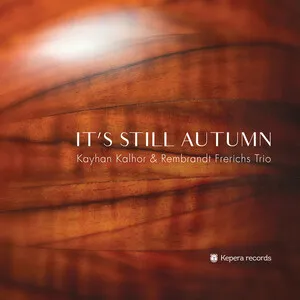
It's Still Autumn
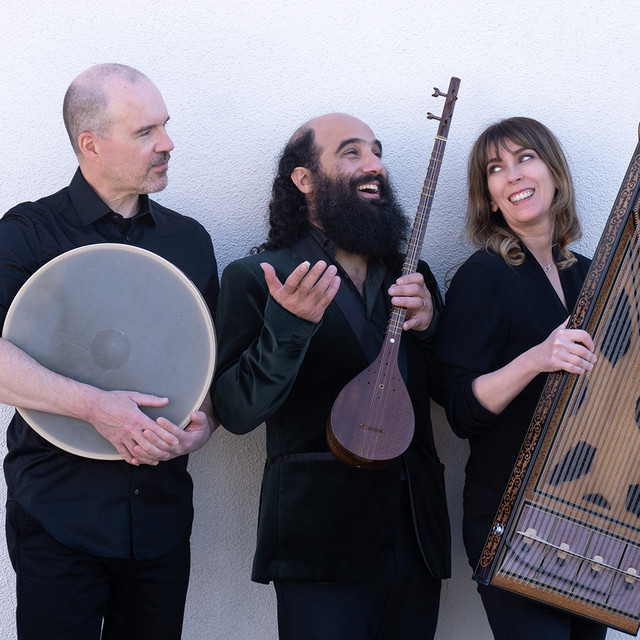
Kayhan Kalhor & Rembrandt Frerichs Trio
Persian Classical
Persian Music
Jazz
Similar artists
3
/5
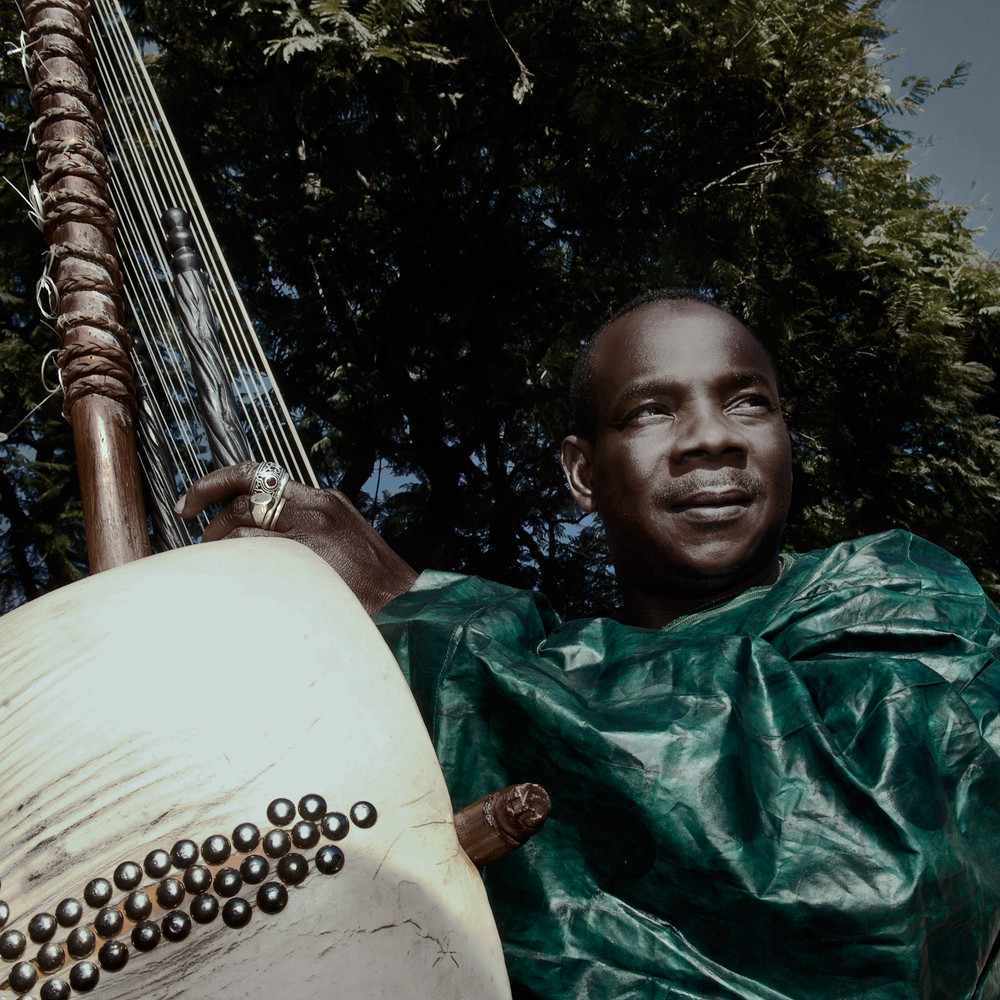
Toumani Diabaté
Griot
Mande Music
World
3
/5
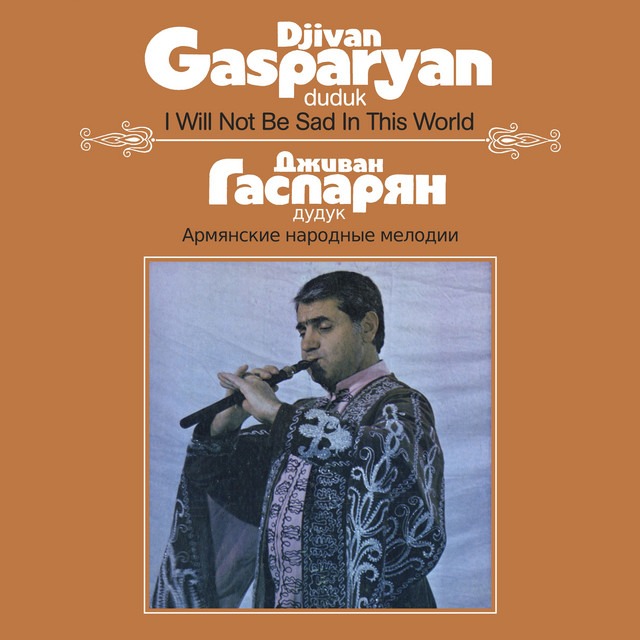
Djivan Gasparyan
Armenian Folk Music
Armenian Music
Folk
Frerichs, Rembrandt
Jazz
Persian Classical
Persian Music
Planjer, Vinsent
Jazz
Persian Classical
Persian Music
Overwater
Jazz
Persian Classical
Persian Music
4
/5
Traditional
Gregorian Chant
Spanish Classical Music
Medieval Classical Music
3
/5
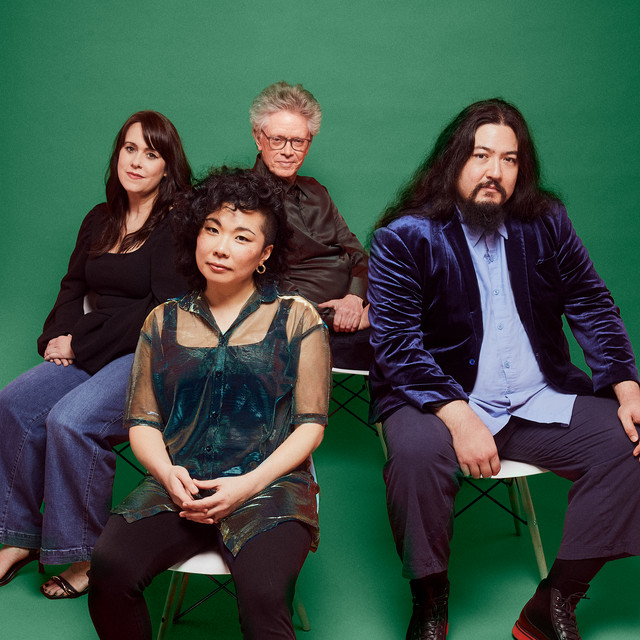
Kronos Quartet
Classical
Chamber Music
Latin American Classical Music
3
/5
Alireza Ghorbani
Traditional Music
Sufi
Persian Classical
3
/5
Aynur
Kurdish Music
Azerbaijani Music
Jazz Mugham
3
/5
Constantinople
Medieval
Renaissance
Andalusian Classical
Download our mobile app
Get the Melodigging app and start digging for new genres on the go
Download on the App Store
Get it on Google Play
© 2026 Melodigging
Give feedback
Legal
Melodding was created as a tribute to
Every Noise at Once
, which inspired us to help curious minds keep digging into music's ever-evolving genres.