Genres
Artists
Albums
Make Music
Sign in
Sign in
Artists
Vocaloid
Artists
Vocaloid
Hatsune Miku
2013–2023
·
5 albums
Listen
4
/5
Genres
Yakousei
Yakousei is an eclectic, internet-native strain of J‑Pop that coalesced in the late 2010s. It blends Vocaloid-informed songwriting with indie pop sensibilities, bright electropop textures, and danceable, club‑ready grooves. Lyrically, the style leans inward: songs often explore sleepless nights, urban solitude, and coming‑of‑age anxieties, pairing intimate narratives with big, melodic hooks. Production favors glossy synths, clean guitars, and tightly programmed drums, while vocals—human or software‑assisted—trace agile, hook‑dense lines that feel both nostalgic and contemporary.
Discover
Listen
Digital Horror
Digital horror is a contemporary horror aesthetic that focuses on dread emerging from networked technologies, software, and always‑on media. Narratives and sound worlds revolve around screens, social platforms, livestreams, malware, deepfakes, and the uncanny presence of algorithmic systems. In music and sound design, the style translates this fear of the digital into glitching textures, corrupted audio artifacts, synthetic drones, and the weaponization of familiar interface sounds (alerts, keyboards, notification pings). It often blends dark ambient, industrial noise, and hauntological sampling to suggest threats that live inside code, clouds, and data centers—consistent with the wider definition that emphasizes anxiety and supernatural menace arising from the Internet and modern media.
Discover
Listen
Gamecore
Gamecore is an internet-native electronic microgenre that fuses the timbres, melodies, and narrative tropes of classic and modern video game music with contemporary EDM songcraft. Its palette leans heavily on chiptune waveforms (square, triangle, noise), retro console/arcade sound effects, and leitmotif-style hooks, but frames them within club-forward rhythms and sound design drawn from electro house, future bass, glitch hop, dubstep, and drum & bass. The result is a bright, kinetic, and often nostalgic sound that feels like a “boss battle” drop or a euphoric level clear. Scenes and labels tied to VGM remix culture, doujin circles, and demoscene aesthetics helped codify the style, while streamers, esports content, and indie game culture amplified its reach.
Discover
Listen
Gaming Edm
Gaming EDM is a bright, hook‑driven branch of electronic dance music tailored for online gaming, streaming, and creator culture. It blends festival‑ready drops and sidechained supersaws with melodic, video‑game–friendly timbres (arpeggiated leads, chip/8‑bit flourishes) and clean royalty-friendly production that sits well under voice chat or commentary. The songs are typically concise, high‑energy, and instantly catchy, engineered to loop well on streams and to sync to highlight reels and esports content.
Discover
Listen
Men Chika
Men chika (メン地下) is the Japanese underground male idol scene, made up of boy groups who perform high-energy J‑pop and dance-pop in small live houses, theaters, and idol events rather than on major mainstream stages. Musically it blends glossy J‑pop songwriting with club-ready EDM/electropop production, punchy hooks built for call-and-response, and chant breaks designed for wotagei/fan MIX participation. Songs commonly feature bright synths, four-on-the-floor or trap-inflected grooves, stacked gang shouts, and key‑change finales. Lyrically the focus is on youth, dreams, devotion, and intimacy with fans—reinforced by close-contact fan practices like cheki (instax photos) and meet-and-greets. Culturally, men chika parallels the long-running “chika idol” (underground idol) movement on the women’s side, but orients to a largely female fanbase and a circuit centered on Tokyo live houses and regional circuits. It is as much a participatory fan culture as it is a sound, shaping how songs are arranged, staged, and monetized.
Discover
Listen
Neru
Neru (寝る—“to sleep” in Japanese) is a Japanese-born microgenre of sleep and relaxation music that coalesced online in the 2010s. It blends ultra-soft ambient textures, hush‑toned lo‑fi beats, and environmental soundscapes (rain, night insects, room tone) designed to lull the listener toward rest, study focus, or meditative calm. Musically, neru favors slow tempos (or no pulse at all), warm tape‑like coloration, soft piano or electric piano, airy synth pads, and field recordings, with frequent use of gentle modal or pentatonic figures and extended jazz‑pop chords (maj7, add9). Producers often incorporate binaural/isochronic elements, very wide stereo fields, and long reverbs to evoke a cocoon of sound. Aesthetically and in platform culture, neru sits at the intersection of Japanese kankyō ongaku (environmental music), modern ambient/new age, lo‑fi hip hop’s cozy visual world, and the streaming era’s “sleep/focus” ecosystem (YouTube, NicoNico, Spotify, Apple Music), where it appears in bedtime and overnight playlists, frequently labeled with Japanese tags such as 寝る or おやすみ.
Discover
Listen
Social Media Pop
Social media pop is contemporary pop music engineered for discovery, consumption, and participation on social platforms such as YouTube, Vine, Musical.ly/TikTok, Instagram Reels, and Shorts. It prioritizes instantly memorable hooks, trend‑friendly beats, and highly quotable one‑liners that can be clipped into 10–30 second moments. Sonically, it blends glossy dance‑pop and electropop with bedroom‑pop intimacy, trap‑leaning drums, and hyperpop‑adjacent vocal processing (pitch shifts, formant play, layered doubles). Tracks are short (often 2–3 minutes), introduce the chorus or a micro‑hook within the first 5–15 seconds, and often arrive in multiple versions (sped‑up, slowed + reverb, acoustic, “performance” edits) tailored to platform algorithms. Lyrically it favors diaristic, first‑person writing and parasocial immediacy—relatable snapshots of romance, self‑doubt, glow‑ups, and nostalgia—crafted to soundtrack dances, memes, POV skits, and other user‑generated trends.
Discover
Listen
Workout Product
Workout product is a functional, production-oriented music micro-genre built for high-energy exercise contexts—HIIT, cardio, strength circuits, spin, and bootcamps. Rather than being artist-led, it is library- and catalog-driven: concise, loop-friendly tracks emphasize a steady, powerful four-on-the-floor pulse, simple hyping hooks, and drop-focused structures that sustain intensity. Typical tempos fall in the 120–150 BPM range (often synced to rep cadence or interval timers), with bright, compressed sonics, sidechained bass, and clear transitional cues for work/rest blocks. It draws from mainstream EDM and dance-pop (big-room builds, future-bass lift, electro-house grit) and modern pop/rap percussion. The result is highly motivational, durable background music that helps pace workouts and energize group classes, digital fitness content, and gym environments.
Discover
Listen
Jirai Kei
Jirai kei is a recent Japanese internet-born pop micro‑genre and aesthetic that blends cute, sugary sounds with darker, obsessive and self‑destructive themes. The term comes from a fashion/aesthetic scene associated with yamikawaii and menhera culture, and in music it describes songs that sound soft and adorable on the surface but conceal lyrics about toxic love, dependency, jealousy, and emotional volatility. Sonically, jirai kei draws from J‑pop and Vocaloid traditions (denpa/picopop brightness, catchy hooks) while adopting modern hyperpop gloss, trap/EDM percussion, and highly edited, youthful vocals. The contrast between childlike, pastel timbres and intense, confessional writing is central to the style, making it both immediately hooky and emotionally sharp—an audio embodiment of “cute but dangerous.”
Discover
Listen
Kawaii Edm
Kawaii EDM is a Japanese-born microgenre of electronic dance music that blends bright, "cute" pop aesthetics with modern club production. It emphasizes sparkling timbres, buoyant melodies, and animated sound design (glissando "chirps," toy-like mallets, chip-bleeps, and airy vocal chops) while keeping EDM’s sidechained punch and dance-floor momentum. Stylistically, it sits at the intersection of J‑pop songwriting and future-bass/EDM frameworks: major or Lydian-leaning harmonies, jazzy 7ths/9ths, catchy hooks, and half‑time drops with supersaw stacks or bell/pluck arpeggios. Visually and culturally, it is inseparable from anime, doujin/otaku culture, and internet netlabel communities, pairing sugar‑rush optimism with a polished, hyper-detailed mix.
Discover
Listen
Kawaii Future Bass
Kawaii future bass is a Japanese-born microgenre that blends the sidechained, chord-heavy drops of future bass with the cheery melodies, cute sound design, and pop sensibilities of J-pop, anime music, and game-inspired chiptune. It typically features bright supersaw stacks, bell and mallet plucks, high-pitched vocal chops (often from Vocaloid or J-pop/utaite sources), and sugary melodies in major or Lydian modes. Drums follow a half-time trap groove with crisp snares on beat three, while heavy sidechain compression creates a buoyant, bouncy feel. The aesthetic emphasizes “kawaii” (cute) culture—pastel tones, playful samples, and whimsical ear-candy—resulting in upbeat, feel-good tracks that are as much about personality and texture as they are about harmony and rhythm.
Discover
Listen
Vocaloid
Vocaloid is a music genre and production culture centered on songs performed by synthesized singing voices, most famously the virtual singer Hatsune Miku. Producers compose and arrange tracks, then program lyrics and melodies into voicebanks to create lead vocals that sound like human singers. While the repertoire spans many styles, Vocaloid is strongly associated with Japanese pop, rock, and electronic dance music aesthetics. Songs are often released online with striking illustrated artwork and animated "PV" videos, and they are disseminated through platforms such as Nico Nico Douga and YouTube by independent creators and labels. The genre’s hallmark is the combination of catchy, hyper-bright melodies, energetic rhythm sections, and expressive vocal programming (tuning) that leverages timbral artifacts unique to synthesized voices. A vibrant fan community drives remixes, covers, live concerts with virtual avatars, and continual evolution of stylistic norms.
Discover
Listen
Glitch Pop
Glitch pop is a strain of pop music that foregrounds digital errors and micro-edits as expressive hooks, fusing the tuneful structures of mainstream pop with the textural play of experimental electronica. Producers chop, stutter, and time-stretch vocals; sprinkle in clicks, cuts, and buffer-skip artifacts; and use bit-crushing or granular resynthesis alongside bright synths and catchy choruses. Despite its love of sonic fragmentation, the genre remains song-first: verses and choruses are clearly defined, melodies are memorable, and harmonies tend to be consonant. The friction between pristine songwriting and intentionally broken sound design creates a delicate, intimate, and often melancholic shimmer that feels both futuristic and warmly human.
Discover
Listen
Synthwave
Synthwave is a retro-futurist electronic genre that revives and reimagines the sound, texture, and visual culture of 1980s film scores, television themes, arcade games, and synth-pop. Characterized by analog-style synthesizers, arpeggiated basslines, neon-soaked melodies, and gated-reverb drums, it blends nostalgia with cinematic drama. Substyles include the uplifting, driving "outrun" sound, the softer and romantic "dreamwave/chillsynth," and the heavier, horror-tinged "darksynth." Typical sound palettes reference instruments like the Roland Juno series, Yamaha DX7, Oberheim and Prophet polysynths, with drum machines such as the LinnDrum, TR-707, and 909 (or their modern emulations).
Discover
Listen
Vocaloid Metal
Vocaloid metal is a fusion of heavy metal and the Japanese vocal-synth scene, built around voicebanks such as Hatsune Miku, Megurine Luka, GUMI, IA, and Yuzuki Yukari. Producers program lead vocals using Vocaloid (or related vocal-synths/UTAU), then arrange them over guitars, bass, and metal drumming ranging from power-metal gallops to metalcore breakdowns. The style mirrors the broad spectrum of metal: from melodic power and symphonic strains to djent and metalcore aggression. Because the lead voice is synthetic, precise micro-edits to pitch, timbre, vibrato, phonemes, and dynamics are possible, enabling acrobatic melodies at extreme tempos, theatrical character songs, and even approximations of screams via sound design. Emerging from the Nico Nico Douga and dōjin circles, Vocaloid metal flourished online, where producers, illustrators, and fan communities co-create songs, PVs, and concept albums. Its sound sits at the crossroads of otaku culture, internet-native production, and modern Japanese metal.
Discover
Listen
Glitch
Glitch is an experimental electronic music genre that foregrounds the sounds of technological error—digital clicks, pops, clipping, buffer underruns, CD skipping, software crashes, and bit‑reduction. Rather than hiding artifacts, producers use them as primary musical material, often arranged through extreme micro‑editing and non‑linear sequencing. Texturally, glitch spans austere minimalism to warm, hazy ambience. Rhythms tend to be fragmented and asymmetrical, with sudden cuts, stutters, and silences that create tension and negative space. The palette commonly includes sine‑tone grains, granular clouds, filtered noise, and hyper‑detailed percussive fragments, sometimes sitting over subdued drones or dub‑inflected low end. The style emerged in the late 1990s around labels such as Mille Plateaux, influenced by IDM, minimal techno, and the aesthetics of failure in digital media. It later permeated pop and beat‑driven styles through sound‑design techniques that evoke imperfection and transience.
Discover
Listen
Rhythm Game
Rhythm game music is a high-energy, precision-oriented style written to synchronize tightly with interactive note charts in music and rhythm video games. It blends club-ready electronic subgenres (trance, happy hardcore, Eurobeat, drum and bass, techno, house) with bright J‑pop/anison sensibilities, catchy motifs, and sound-design flourishes derived from game audio. Tracks favor clear, quantized rhythms, sectional contrast, and dramatic builds/drops so players can read and perform complex patterns. Producers often incorporate tempo shifts, stop effects, meter play, and FX hits that mirror gameplay cues. Melodies are hooky and memorable, while percussion is punchy and forward to make timing windows feel satisfying.
Discover
Listen
J-Pop
J-pop (Japanese pop) is a broad umbrella for mainstream Japanese popular music that blends Western pop/rock, dance, and R&B with distinctly Japanese songwriting, vocal delivery, and industry practices. It is characterized by strong hooks, polished production, bright synths and guitars, frequent key changes and modulatory bridges, and chorus-first or chorus-centric structures. J-pop spans idol groups, singer-songwriters, band-oriented pop-rock, electronic dance-pop, and R&B ballads, while remaining closely tied to television, advertising, video games, and anime tie-ins (anisong).
Discover
Listen
Electro
Electro is an early 1980s machine-funk style built around drum machines (especially the Roland TR-808), sequenced basslines, and a futuristic, robotic aesthetic. It emphasizes syncopated rhythms, sparse arrangements, and timbres drawn from analog and early digital synthesizers. Vocals, when present, are often delivered via vocoder or rap-style chants, reinforcing a sci‑fi, cyborg persona. Electro’s grooves powered breakdance culture, and its sonic palette—crisp 808 kicks, snappy snares, dry claps, cowbells, and squelchy bass—became foundational to later techno and bass music.
Discover
Listen
Ambient
Ambient is a form of electronic and electroacoustic music that prioritizes tone, atmosphere, and texture over conventional song structures and rhythmic drive. It typically features slow-moving harmonies, sustained drones, gentle timbral shifts, and extensive use of space and silence. Rather than drawing attention to itself through hooks or beats, ambient is designed to be as ignorable as it is interesting, rewarding both background listening and focused immersion. Artists often employ synthesizers, samplers, tape loops, field recordings, and subtle acoustic instruments, with reverb and delay creating a sense of place. Substyles range from luminous, consonant soundscapes to darker, more dissonant atmospheres.
Discover
Listen
Synth-Pop
Synth-pop is a pop-oriented style that foregrounds the synthesizer as its primary instrument, often paired with drum machines and sequencers. It favors clean, melodic hooks, concise song structures, and a sleek, modernist sound that ranges from cool and minimal to lush and romantic. Emerging at the turn of the 1980s from the UK new wave and post-punk scenes, synth-pop leveraged affordable analog and then digital keyboards to bring electronic textures into the mainstream. Its sonic palette includes arpeggiated basslines, shimmering pads, bright leads, gated or machine-driven drums, and polished vocals that convey both futuristic detachment and emotional immediacy.
Discover
Listen
J-Rock
J-rock (Japanese rock) is the umbrella term for rock music created in Japan, spanning everything from classic rock, punk, and metal to alternative, indie, and progressive strains. It blends Western rock instrumentation and songcraft with Japanese melodic sensibilities, crisp production, and lyrics primarily in Japanese (often mixed with some English phrases). Typical features include hook-forward choruses, expressive guitar leads, tight rhythm sections, and dynamic arrangements that can pivot from delicate verses to big, anthemic refrains. Because of Japan’s media ecosystem, J-rock frequently intersects with anime, TV dramas, and video games, which helps bands reach mainstream audiences while retaining a band-centric, live-performance identity. Although stylistically diverse, J-rock commonly emphasizes memorable melodies, emotional catharsis, and precise musicianship, with influences ranging from British Invasion and classic rock to punk/new wave, progressive rock, and heavy metal.
Discover
Listen
Pop
Pop is a broad, hook-driven style of popular music designed for wide appeal. It emphasizes memorable melodies, concise song structures, polished vocals, and production intended for radio, charts, and mass media. While pop continually absorbs elements from other styles, its core remains singable choruses, accessible harmonies, and rhythmic clarity. Typical forms include verse–pre-chorus–chorus, frequent use of bridges and middle-eights, and ear-catching intros and outros. Pop is not defined by a single instrumentation. It flexibly incorporates acoustic and electric instruments, drum machines, synthesizers, and increasingly digital production techniques, always in service of the song and the hook.
Discover
Listen
Electronic
Electronic is a broad umbrella genre defined by the primary use of electronically generated or electronically processed sound. It encompasses music made with synthesizers, drum machines, samplers, computers, and studio/tape techniques, as well as electroacoustic manipulation of recorded or synthetic sources. The genre ranges from academic and experimental traditions to popular and dance-oriented forms. While its sonic palette is rooted in electricity and circuitry, its aesthetics span minimal and textural explorations, structured song forms, and beat-driven club permutations. Electronic emphasizes sound design, timbre, and studio-as-instrument practices as much as melody and harmony.
Discover
Listen
Show all 24 genres
Albums
2023
2
/5
The First Sound of the Future Past
Astrophysics / Hatsune Miku 初音ミク
Synthwave
Electronic
Synth-Pop
2022
2
/5
Eve Vocaloid 01
Eve & Hatsune Miku 初音ミク
Yakousei
Vocaloid
2021
3
/5
Exit Tunes Presents Vocalodelight feat. Hatsune Miku-Digital Edition-
Mikito P
Rhythm Game
Vocaloid
2021
1
/5
デスロウ
Utsu-P
Vocaloid Metal
2013
1
/5
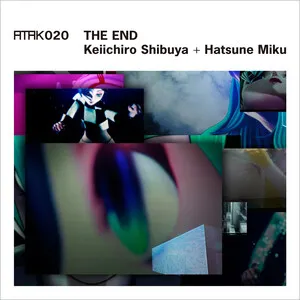
The End
Keiichiro Shibuya 渋谷慶一郎 & Hatsune Miku 初音ミク
Glitch
Glitch Pop
Ambient
Similar artists
4
/5
Ado
Vocaloid
J-Pop
J-Rock
5
/5
Charli xcx
Hyperpop
Candy Pop
Art Pop
5
/5
Alan Walker
Electro House
Electronic
Future Bass
4
/5
Kikuo
Doujin Music
Electronic
Pop
5
/5
League of Legends
Blues Rock
Chamber Pop
Modern Blues
3
/5
Siinamota
Vocaloid
Electronic
J-Pop
4
/5
FLAVOR FOLEY
Vocaloid
Pop
Electronic
4
/5
Camellia
Denpa-Kei
Electronic
J-Core
4
/5
Eve
Yakousei
J-Pop
Utaite
3
/5
稲葉曇
J-Pop
Vocaloid
Yakousei
Download our mobile app
Get the Melodigging app and start digging for new genres on the go
Download on the App Store
Get it on Google Play
© 2026 Melodigging
Give feedback
Legal
Melodding was created as a tribute to
Every Noise at Once
, which inspired us to help curious minds keep digging into music's ever-evolving genres.