Your digging level
Description
Neru (寝る—“to sleep” in Japanese) is a Japanese-born microgenre of sleep and relaxation music that coalesced online in the 2010s. It blends ultra-soft ambient textures, hush‑toned lo‑fi beats, and environmental soundscapes (rain, night insects, room tone) designed to lull the listener toward rest, study focus, or meditative calm.
Musically, neru favors slow tempos (or no pulse at all), warm tape‑like coloration, soft piano or electric piano, airy synth pads, and field recordings, with frequent use of gentle modal or pentatonic figures and extended jazz‑pop chords (maj7, add9). Producers often incorporate binaural/isochronic elements, very wide stereo fields, and long reverbs to evoke a cocoon of sound.
Aesthetically and in platform culture, neru sits at the intersection of Japanese kankyō ongaku (environmental music), modern ambient/new age, lo‑fi hip hop’s cozy visual world, and the streaming era’s “sleep/focus” ecosystem (YouTube, NicoNico, Spotify, Apple Music), where it appears in bedtime and overnight playlists, frequently labeled with Japanese tags such as 寝る or おやすみ.

History
Neru’s sonic DNA reaches back to Japan’s kankyō ongaku (environmental music) boom of the 1980s, where artists created calm, functional music for living spaces. Parallel strands included new age, minimalism, and nature‑recording culture. By the 2000s, laptop production, soft synths, and portable recorders made quietly textured ambient pieces accessible to bedroom creators.
The term “neru” (寝る—sleep) began appearing as a functional tag and playlist label on Japanese platforms (e.g., NicoNico, YouTube) and then global DSPs, grouping tracks optimized for bedtime listening. Lo‑fi hip hop’s visual language (muted palettes, late‑night cityscapes, animated loops) and the internet’s 24/7 focus/sleep channels helped consolidate neru’s aesthetic: extremely soft dynamics, low‑contrast timbres, long pads and pianos, and environmental noise as musical material.
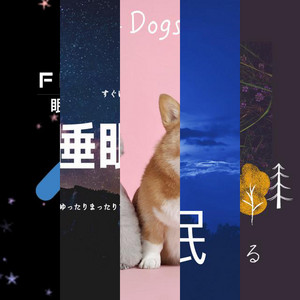
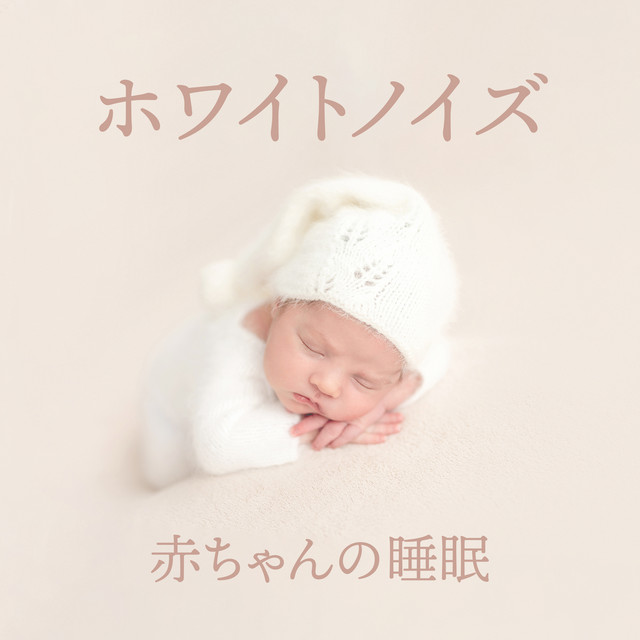
As “sleep/relax” verticals exploded on Spotify, Apple Music, and YouTube, neru became a recognizable micro‑scene: Japanese titles/tags, kawaii‑minimal cover art, and production choices aimed at comfort. International ambient and lo‑fi communities adopted the approach, while Japanese artists connected it back to environmental music traditions. Binaural beats and ASMR cross‑pollinated, further codifying neru’s psychoacoustic emphasis on calm.
Today, neru sits within a wider ecosystem of “sleep,” “study,” and “focus” playlists. It remains defined more by function and sound design than by strict form—valuing restraint, warmth, and a caring “room” around the listener.