Genres
Artists
Albums
Make Music
Sign in
Sign in
Artists
Denpa-Kei
Artists
Denpa-Kei
Camellia
2010–2026
·
45 albums
Listen
4
/5
Genres
Edm
EDM (Electronic Dance Music) refers to the mainstream, festival-oriented wave of electronic dance styles that rose to global prominence in the early 2010s. It emphasizes high-energy drops, ear-catching toplines, and crowd-pleasing arrangements designed for large stages and mass audiences. Musically, EDM typically sits around 124–130 BPM with a strong four-on-the-floor kick, wide supersaw leads, bright plucks, and heavily sidechained pads and basses for a pumping feel. Tracks are structured around tension-and-release: intros and builds lead to explosive drops, followed by breakdowns that rebuild energy. Vocals and pop-style songwriting frequently appear, enabling crossover success on radio and streaming platforms.
Discover
Listen
Brostep
Brostep is a high-intensity, EDM-leaning strain of dubstep that foregrounds aggressively modulated midrange basses, dramatic builds, and arena-sized drops. Where classic UK dubstep emphasizes sub-bass weight, spaciousness, and dubwise minimalism, brostep shifts the focus to bright, distorted, and highly articulated bass sound design, often supported by festival-ready structures and glossy, loud mastering. Typical tempos sit around 140 BPM (often presented in half-time), with snare on beat 3, punchy kick patterns, and dense fills. Signature sounds include vowel/formant "talking" basses, metallic growls, comb-filtered screeches, and heavy multiband distortion, arranged in call-and-response riffs that drive the drop.
Discover
Listen
Drumstep
Drumstep is a hybrid of drum and bass and dubstep that keeps the high energy and bass design of dubstep while adopting the tempo and rhythmic vocabulary of drum and bass. Typically written around 170–176 BPM but felt in halftime, drumstep places the snare on beat 3, creating a loping, head-nodding feel while preserving the pace and tension of fast DnB. Sound design favors aggressive midrange basses (reese variations, growls, wubs), heavy sub-bass, crisp snares, and densely syncopated hi-hats and percussion. In DJ contexts, drumstep bridges 140 BPM dubstep and 174 BPM drum and bass, allowing seamless genre-switching within high-energy sets. It’s punchy, festival-ready, and often minimal melodically, focusing on impact, groove, and sound design fireworks.
Discover
Listen
Tearout Brostep
Tearout brostep is a hyper-aggressive strain of brostep that emphasizes violently modulated midrange basses, high-impact drops, and rapid-fire switch‑ups. It typically runs at 140–150 BPM in half‑time, pairing chest‑punching snares with seismic subs and screeching or growling lead basses. Producers lean heavily on advanced wavetable/FMX sound design, serial resampling, multiband distortion, OTT-style compression, and tight sidechaining to create a wall of kinetic, metallic energy. Arrangements often feature cinematic intros, tension‑building risers, and whiplash-inducing call‑and‑response bass phrases designed for headbanging festival crowds.
Discover
Listen
Denpa-Kei
Denpa-kei is a hyper-cute, high-energy style of Japanese pop associated with otaku culture, Akihabara, and the aesthetic of "moe." The music is intentionally maximalist and slightly surreal, often featuring rapid-fire melodies, childlike or high-pitched vocals, dense layers of synths, and sudden key or tempo shifts that heighten a sugar-rush mood. Arrangements commonly draw on chiptune timbres, toy-like sound effects, and catchy, call-and-response hooks. Lyrics lean into absurd humor, onomatopoeia, and otaku in-jokes, referencing maids, anime tropes, visual novels, and games. While playful on the surface, the style is highly crafted, using advanced modulation, tight vocal stacking, and brisk BPMs to create an over-the-top, euphoric impact.
Discover
Listen
J-Core
J-core is a Japanese take on hardcore techno that fuses high-BPM club structures with otaku culture, game/anime sampling, and brightly melodic writing. It typically sits in the 160–200+ BPM range, using pounding four-on-the-floor kicks, gabber-style distorted low-end, or layered breakbeats. The style is defined by hyper-melodic leads (often supersaws), euphoric trance harmonies, and chopped/processed voice clips from anime, games, denpa songs, or Vocaloid. Aesthetically it leans kawaii/cute but can swing toward intense, chaotic, or even speedcore extremes. J-core flourished in Japan’s doujin scene and rhythm-game ecosystem, with circles and labels releasing compilations and event-driven tracks.
Discover
Listen
Dubstep
Dubstep is a bass‑centric electronic dance music genre that emerged in South London in the early 2000s. It is typically around 140 BPM and is defined by a half‑time rhythmic feel, sub‑heavy basslines, sparse yet impactful drums, and a strong emphasis on space, tension, and sound system weight. Hallmark traits include syncopated kick patterns, snares on the third beat of the bar, swung/shuffly hi‑hats inherited from UK garage, and modulated low‑frequency bass (“wobbles”) shaped with LFOs, filters, and distortion. Influences from dub reggae (echo, delay, and minimalism), jungle/drum & bass (bass science and sound system culture), and 2‑step garage (rhythmic swing and shuffles) are central. The style ranges from deep, meditative “dub” aesthetics (often called deep dubstep) to more aggressive, midrange‑driven variants that later informed brostep and festival bass. Atmosphere, negative space, and subwoofer translation are as important as melody or harmony.
Discover
Listen
Denpa
Denpa is a hyper-cute, deliberately "weird" branch of Japanese pop associated with Akihabara otaku culture, eroge/visual novel theme songs, and doujin circles. Its name comes from denpa-kei ("radio-wave type"), a tongue‑in‑cheek label implying a brain‑melting, nonsensical, or deliriously catchy quality. Musically, denpa blends sugary idol-style melodies, high-pitched vocals, and toy-like synth timbres with chiptune bleeps, game sound effects, and rapid-fire call‑and‑response hooks. Lyrics lean into surreal wordplay, onomatopoeia, otaku in-jokes, and cute character personas. Arrangements are maximalist and colorful, often with sudden modulation “key-ups,” dense countermelodies, and an anime‑OP sense of instant memorability.
Discover
Listen
Vocaloid
Vocaloid is a music genre and production culture centered on songs performed by synthesized singing voices, most famously the virtual singer Hatsune Miku. Producers compose and arrange tracks, then program lyrics and melodies into voicebanks to create lead vocals that sound like human singers. While the repertoire spans many styles, Vocaloid is strongly associated with Japanese pop, rock, and electronic dance music aesthetics. Songs are often released online with striking illustrated artwork and animated "PV" videos, and they are disseminated through platforms such as Nico Nico Douga and YouTube by independent creators and labels. The genre’s hallmark is the combination of catchy, hyper-bright melodies, energetic rhythm sections, and expressive vocal programming (tuning) that leverages timbral artifacts unique to synthesized voices. A vibrant fan community drives remixes, covers, live concerts with virtual avatars, and continual evolution of stylistic norms.
Discover
Listen
Electro House
Electro house is a high-energy branch of house music characterized by distorted, buzzing bass leads, crisp four‑on‑the‑floor drums, and dramatic, festival-ready drops. It typically runs around 125–130 BPM, favoring aggressive, sawtooth-based synth timbres, heavy sidechain compression, and big, riff-like hooks over lush chord progressions. Production emphasizes powerful low-end, gritty midrange textures, noise sweeps and risers, and tightly structured builds and breakdowns that set up explosive drops. While rooted in house and electro traditions, its sound design borrows from techno’s intensity and big beat’s punch, resulting in a bold, modern, and club-focused aesthetic.
Discover
Listen
Speedcore
Speedcore is an extreme form of hardcore techno distinguished by exceedingly fast tempos—commonly 300 BPM and above—and an abrasive, aggressive sound palette. It emphasizes pounding, distorted kick drums (often from overdriven 909s), clipped transients, harsh noise textures, and confrontational sampling. Emerging in the early to mid‑1990s from European hardcore and gabber scenes, speedcore pushes rhythm and intensity beyond conventional dance‑floor boundaries. Tracks frequently feature relentless four‑on‑the‑floor kicks at double or quadruple time, interspersed with breakneck fills, industrial feedback, and horror or shock‑oriented samples. The style’s extremity spawned even faster micro‑styles such as splittercore and extratone.
Discover
Listen
Hardcore Techno
Hardcore techno is a high‑tempo, aggressively produced branch of techno characterized by distorted, punchy four‑on‑the‑floor kicks, abrasive sound design, and relentless rhythmic drive. Typical tempos range from about 160 to 190 BPM (and can go even faster in some scenes), creating an intense, physically demanding dance experience. The style emphasizes saturated 909‑style kick drums with clipped/transient "click" and long distorted tails, industrial textures, harsh stabs (including classic "hoover" tones), alarming FX, and short shouted or sampled vocals. Harmony is sparse and often minor, with dissonant intervals or horror/industrial atmospheres. The overall aesthetic is raw, dark, and functional for large rave systems, designed to evoke catharsis and high energy on the dancefloor.
Discover
Listen
Hardstyle
Hardstyle is a high-energy form of electronic dance music built around a hard, four‑on‑the‑floor kick, tempos around 150 BPM, and a signature "reverse bass" that drives the groove. Sound design centers on heavily distorted, layered kicks that are pitched melodically, alongside harsh screeches and bright supersaw leads. Emerging at the turn of the millennium from the Netherlands with parallel scenes in Belgium and Italy, hardstyle fuses elements of techno, new beat, and hardcore/gabber with the euphoric breakdowns of trance. Over time it split into distinct currents, from euphoric, melody‑forward anthems to raw, industrial‑edged variations that emphasize aggression and texture.
Discover
Listen
J-Pop
J-pop (Japanese pop) is a broad umbrella for mainstream Japanese popular music that blends Western pop/rock, dance, and R&B with distinctly Japanese songwriting, vocal delivery, and industry practices. It is characterized by strong hooks, polished production, bright synths and guitars, frequent key changes and modulatory bridges, and chorus-first or chorus-centric structures. J-pop spans idol groups, singer-songwriters, band-oriented pop-rock, electronic dance-pop, and R&B ballads, while remaining closely tied to television, advertising, video games, and anime tie-ins (anisong).
Discover
Listen
Breakcore
Breakcore is a high-intensity electronic music genre built around hyper-edited breakbeats, extreme dynamics, and a deliberately transgressive, collage-like approach to sampling. It prioritizes rhythmic complexity, abrupt structural shifts, and heavy sound design over smooth continuity. Typical tempos range from 160 to 220 BPM (and beyond), with the Amen break, Think break, and other classic breakbeats chopped into micro-fragments, re-sequenced, and processed with distortion, compression, and glitch edits. The palette freely fuses elements from jungle and drum and bass with gabber kicks, industrial noise, classical or choral snippets, ragga vocals, metal guitar samples, and odd-meter patterns. More than a single “sound,” breakcore is a methodology: confrontational energy, maximalist editing, and anti-formalist structures that often subvert dance-music expectations. It thrives in DIY scenes, warehouse parties, and netlabel cultures, where forward-pushing experimentation and boundary-blurring sampling are central values.
Discover
Listen
Doujin Music
Doujin music is the self-published, grassroots music ecosystem of Japan’s doujin (fan-made/independent) culture. It is created by individuals or small “circles” and released directly to fans, most famously at events like Comiket, M3, and Hakurei Jinja Reitaisai. Stylistically, it is genre-agnostic: you will find high-energy club styles (J-core, trance, eurobeat), cute and eccentric pop (denpa), rock/metal bands, orchestral and piano works, and an enormous number of fan arrangements of game and anime music—especially from the Touhou Project. Many releases use vocal synthesizers (Vocaloid/UTAU) or utaite singers from video platforms like Niconico Douga. Distribution is typically physical CDs and merch at events alongside digital storefronts (BOOTH, Bandcamp) and video platforms. The scene values rapid iteration, strong visual identity, and community feedback, resulting in a distinct “otaku-centric” aesthetic and a remarkably prolific catalog.
Discover
Listen
Drum And Bass
Drum and bass (DnB) is a fast, rhythmically intricate form of electronic dance music centered on breakbeats at roughly 160–180 BPM and powerful, sub‑heavy basslines. It grew out of the UK’s early ’90s rave and jungle scenes, combining chopped funk breaks (most famously the Amen break), dub and reggae sound‑system aesthetics, hip‑hop sampling, and techno’s futurist sound design. Across its many substyles—liquid funk’s soulful harmonies, techstep and neurofunk’s cold, machine‑like bass engineering, jump‑up’s hooky bass riffs, atmospheric DnB’s pads and space—drum and bass remains a DJ‑oriented, dancefloor‑driven genre that prizes tight drum programming, deep low end, and precise arrangement for mixing.
Discover
Listen
Happy Hardcore
Happy hardcore is a fast, euphoric branch of the early UK rave continuum characterized by brisk tempos, 4/4 kicks, bright piano stabs, supersaw leads, and pitched-up “chipmunk” vocals. It emphasizes major-key harmony, catchy melodies, and ecstatic breakdowns, aiming for maximum uplift on the dancefloor. Compared to darker hardcore and gabber, happy hardcore favors feel-good hooks, singalong choruses, and sentimental atmospheres while retaining the relentless energy and drive of hardcore techno.
Discover
Listen
J-Dance
J‑dance is a Japanese strand of dance‑pop that fuses Western club styles with the songwriting, melodies, and production aesthetics of J‑pop. It emphasizes hook‑forward choruses, choreographable grooves, and glossy, radio‑ready arrangements built for both clubs and television variety shows. The sound draws heavily from Eurobeat, house, and new jack swing, later absorbing techno, electropop, and trance elements during the late 1990s and 2000s. Catchy English taglines, key‑modulated finales, and tightly structured A‑melody/B‑melody → pre‑chorus → chorus forms are common signatures.
Discover
Listen
Rhythm Game
Rhythm game music is a high-energy, precision-oriented style written to synchronize tightly with interactive note charts in music and rhythm video games. It blends club-ready electronic subgenres (trance, happy hardcore, Eurobeat, drum and bass, techno, house) with bright J‑pop/anison sensibilities, catchy motifs, and sound-design flourishes derived from game audio. Tracks favor clear, quantized rhythms, sectional contrast, and dramatic builds/drops so players can read and perform complex patterns. Producers often incorporate tempo shifts, stop effects, meter play, and FX hits that mirror gameplay cues. Melodies are hooky and memorable, while percussion is punchy and forward to make timing windows feel satisfying.
Discover
Listen
Electro
Electro is an early 1980s machine-funk style built around drum machines (especially the Roland TR-808), sequenced basslines, and a futuristic, robotic aesthetic. It emphasizes syncopated rhythms, sparse arrangements, and timbres drawn from analog and early digital synthesizers. Vocals, when present, are often delivered via vocoder or rap-style chants, reinforcing a sci‑fi, cyborg persona. Electro’s grooves powered breakdance culture, and its sonic palette—crisp 808 kicks, snappy snares, dry claps, cowbells, and squelchy bass—became foundational to later techno and bass music.
Discover
Listen
Pop
Pop is a broad, hook-driven style of popular music designed for wide appeal. It emphasizes memorable melodies, concise song structures, polished vocals, and production intended for radio, charts, and mass media. While pop continually absorbs elements from other styles, its core remains singable choruses, accessible harmonies, and rhythmic clarity. Typical forms include verse–pre-chorus–chorus, frequent use of bridges and middle-eights, and ear-catching intros and outros. Pop is not defined by a single instrumentation. It flexibly incorporates acoustic and electric instruments, drum machines, synthesizers, and increasingly digital production techniques, always in service of the song and the hook.
Discover
Listen
Rock
Rock is a broad family of popular music centered on amplified instruments, a strong backbeat, and song forms that foreground riffs, choruses, and anthemic hooks. Emerging from mid‑20th‑century American styles like rhythm & blues, country, and gospel-inflected rock and roll, rock quickly expanded in scope—absorbing folk, blues, and psychedelic ideas—while shaping global youth culture. Core sonic markers include electric guitar (often overdriven), electric bass, drum kit emphasizing beats 2 and 4, and emotive lead vocals. Rock songs commonly use verse–chorus structures, blues-derived harmony, and memorable melodic motifs, ranging from intimate ballads to high‑energy, stadium‑sized performances.
Discover
Listen
Electronic
Electronic is a broad umbrella genre defined by the primary use of electronically generated or electronically processed sound. It encompasses music made with synthesizers, drum machines, samplers, computers, and studio/tape techniques, as well as electroacoustic manipulation of recorded or synthetic sources. The genre ranges from academic and experimental traditions to popular and dance-oriented forms. While its sonic palette is rooted in electricity and circuitry, its aesthetics span minimal and textural explorations, structured song forms, and beat-driven club permutations. Electronic emphasizes sound design, timbre, and studio-as-instrument practices as much as melody and harmony.
Discover
Listen
Show all 24 genres
Albums
2026
マヨナカヒコウ
かめりあ×初音ミク
Vocaloid
2025
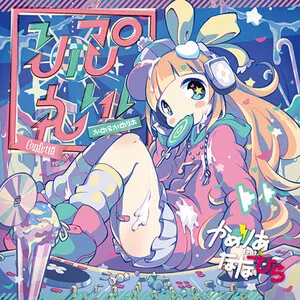
むーびんぐ!
かめりあ feat. ななひら
Denpa
J-Pop
2025
3
/5
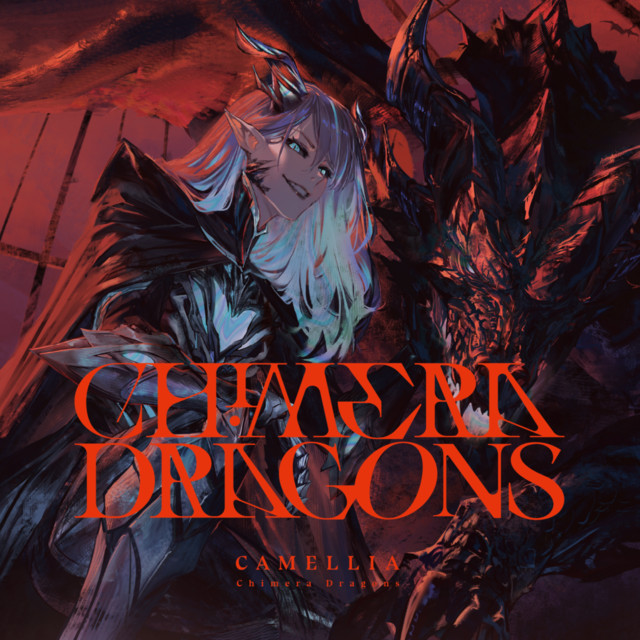
Chimera Dragons
Camellia かめりあ
J-Core
Denpa-Kei
Electronic
2023
2
/5
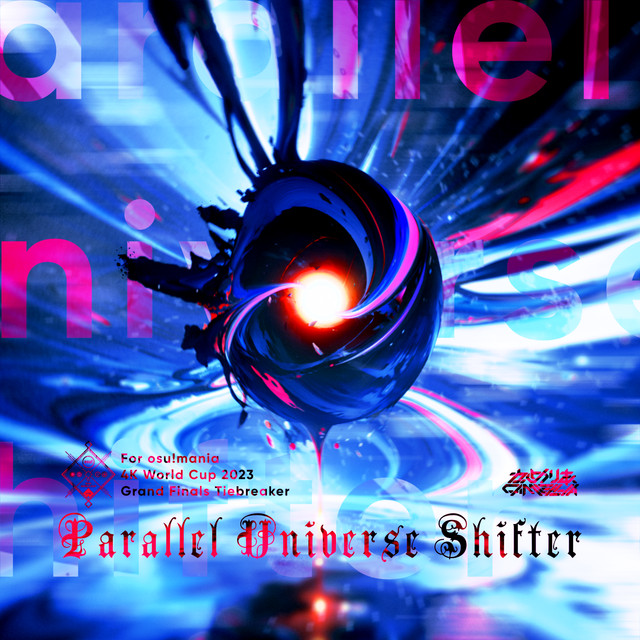
Parallel Universe Shifter
Camellia
Denpa-Kei
2023
2
/5
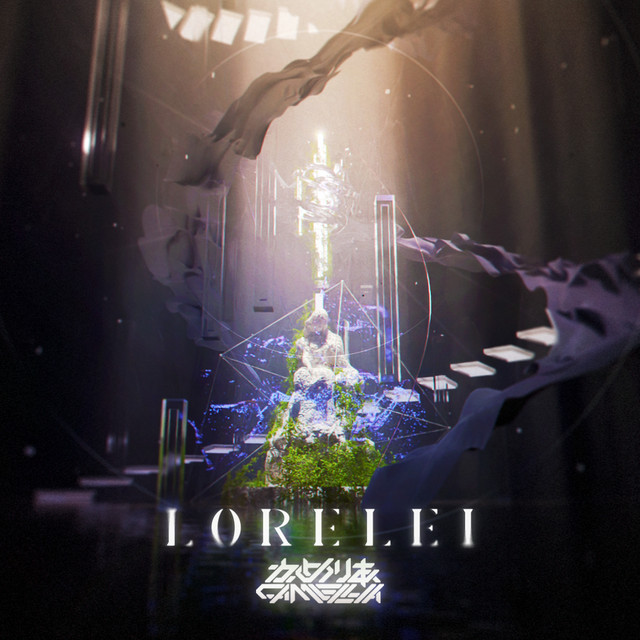
Lorelei
Camellia
Denpa-Kei
2023
2
/5
Ashed Wings 灰の羽搏
Camellia かめりあ
J-Core
2022
3
/5
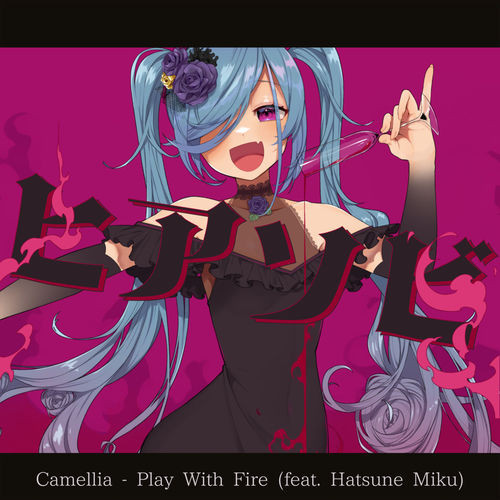
ヒアソビ
Camellia
Denpa-Kei
J-Dance
Rhythm Game
2022
2
/5
Final-Boss-Chan
Camellia
Denpa-Kei
Edm
Melodic Metalcore
2021
3
/5
U.U.F.O.
Camellia かめりあ
J-Core
Hardcore Techno
Doujin Music
2021
3
/5
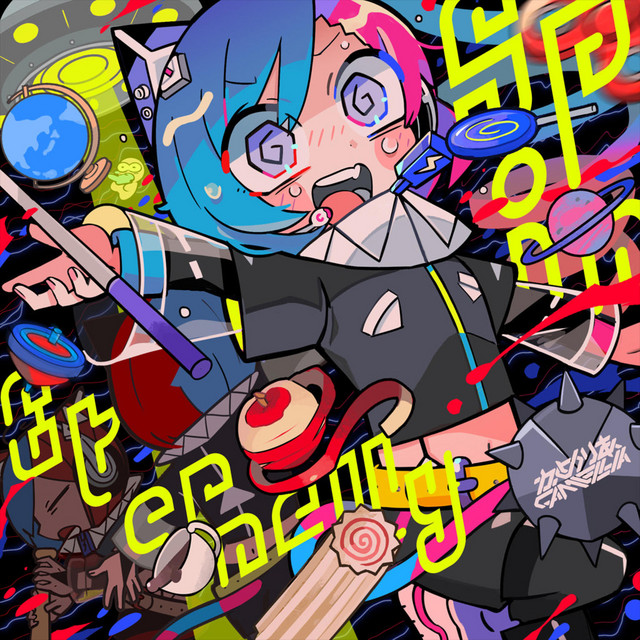
Spin Eternally
Camellia
Denpa-Kei
J-Dance
Rhythm Game
2020
2
/5
ΩΩPARTS
Camellia
Denpa-Kei
Dubstep
Electro
2020
3
/5
Tera I / O
Camellia
Denpa-Kei
Electronic
Hardcore Techno
2020
2
/5
Tera I/O
Camellia かめりあ
J-Core
2020
2
/5
Nacreous Snowmelt
Camellia
Denpa-Kei
Electronic
Hardcore Techno
2020
Xroniàl Xéro
かめりあ
Electronic
J-Core
Speedcore
2020
1
/5
Xroniàl Xéro
Camellia かめりあ
Speedcore
J-Core
2019
2
/5
Go-In! ごーいん!
Camellia feat. Nanahira かめりあ feat. ななひら
Denpa
Electronic
Happy Hardcore
2019
3
/5
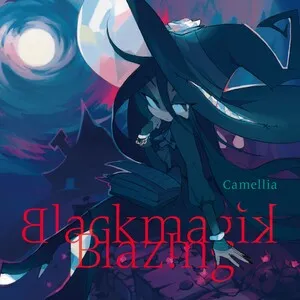
Blackmagik Blazing
Camellia かめりあ
J-Core
Hardcore Techno
2019
Blackmagik Blazing
かめりあ
Electronic
Hardstyle
Speedcore
2018
ふわもふはぴねす24/7!!
p19 × ななひら × かめりあ
Denpa-Kei
Electronic
J-Core
2018
3
/5
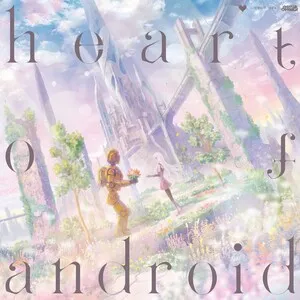
Heart of Android
Camellia かめりあ
Doujin Music
Breakcore
Chiptune
2018
1
/5
4orce! ふぉーす!
Camellia feat. Nanahira かめりあ feat. ななひら
Denpa
Electronic
Happy Hardcore
2018
GALAXY BURST
かめりあ
Dubstep
Electronic
J-Core
2017
いんふぃにてぃ🐰もふりてぃ!
p19 × ななひら × かめりあ
Denpa-Kei
Electronic
J-Core
2017
INVAIDAS FROM DA JUNGLE
かめりあ
Dubstep
Electronic
Hardstyle
2017
1
/5
3leep! すりーぷ!
Camellia feat. Nanahira かめりあ feat. ななひら
Denpa
Electro House
J-Pop
2016
REALITY DISTORTION
かめりあ vs Akira Complex
Dubstep
Electronic
Future Bass
2016
MEGANTO METEOR
かめりあ
Breakcore
Dubstep
Electronic
2016
INSANE INFLAME
かめりあ
Drum And Bass
Dubstep
Electronic
2015
crystallized
かめりあ
Dubstep
Electronic
Melodic Dubstep
2015
りぷれい!
かめりあ feat. ななひら
Denpa
Electro
Electro House
2015
PLANET//SHAPER
かめりあ
Dubstep
Electronic
Hardstyle
2015
3
/5
Planet//Shaper
Camellia かめりあ
Brostep
Dubstep
2015
2
/5
Replay! りぷれい!
Camellia feat. Nanahira かめりあ feat. ななひら
Denpa
2015
2
/5
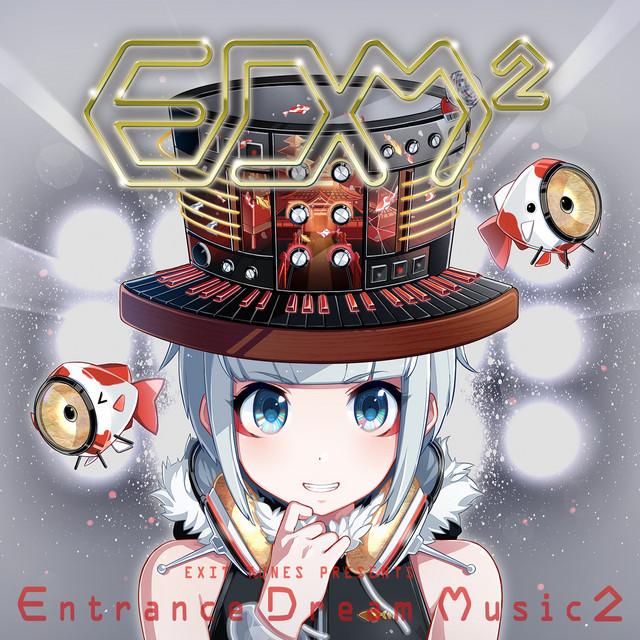
Exit Tunes Presents Entrance Dream Music2
Camellia
Denpa-Kei
2014
dreamless wanderer
かめりあ
Dubstep
Electronic
Hardstyle
2014
2
/5
Dreamless Wanderer
Camellia かめりあ
Drumstep
Complextro
Brostep
2014
sudden shower
かめりあ
Drum And Bass
Drumstep
Dubstep
2014
2
/5
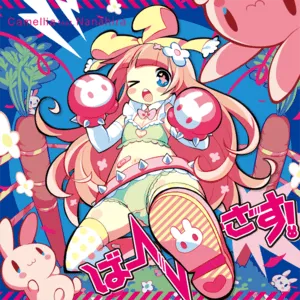
Versus! ばーさす!
Camellia feat. Nanahira かめりあ feat. ななひら
Denpa
Electronic
Pop
2013
paroxysm
かめりあ
Dubstep
Electro House
Electronic
2013
Stance on Wave
かめりあ
Dubstep
Electro House
Electronic
2012
Michno-Sequence
かめりあ
Dubstep
Electronic
Schranz
2011
mikUbiquity
かめりあ
Electronic
J-Pop
Pop
2011
TRIPPERS
かめりあ
Breakcore
Electronic
J-Pop
2010
ハニージンジャーエール
かめりあ
Jazz
Rock
Similar artists
1
/5
Various Artists
Afro-Funk
Alternative Rock
Ambient
3
/5
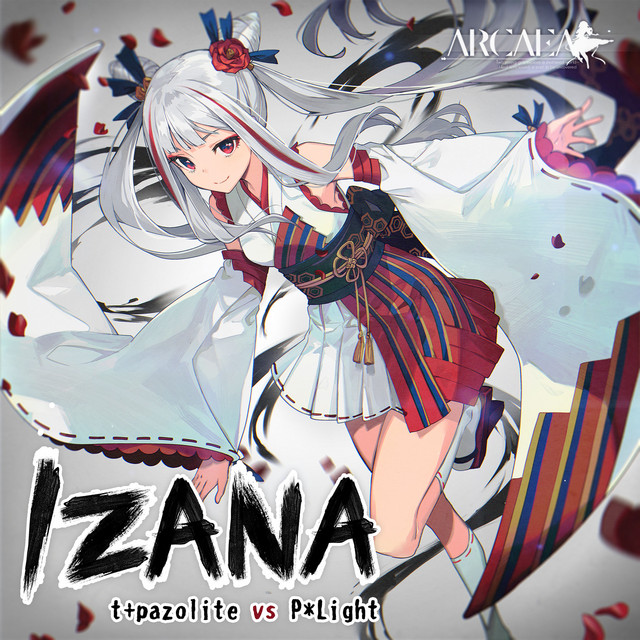
t+pazolite
J-Core
Denpa-Kei
Kawaii Future Bass
3
/5
USAO
J-Core
Frenchcore
Nustyle
3
/5
Laur
J-Core
Artcore
Gamecore
3
/5
Kobaryo
Speedcore
J-Core
Gabber
2
/5
P*Light
J-Core
Denpa-Kei
Happy Hardcore
3
/5
Sakuzyo
Artcore
Electronic
Trance
2
/5
REDALiCE
Hardcore Techno
J-Core
Electronic
3
/5
DJ Myosuke
Gabber
Frenchcore
J-Core
2
/5
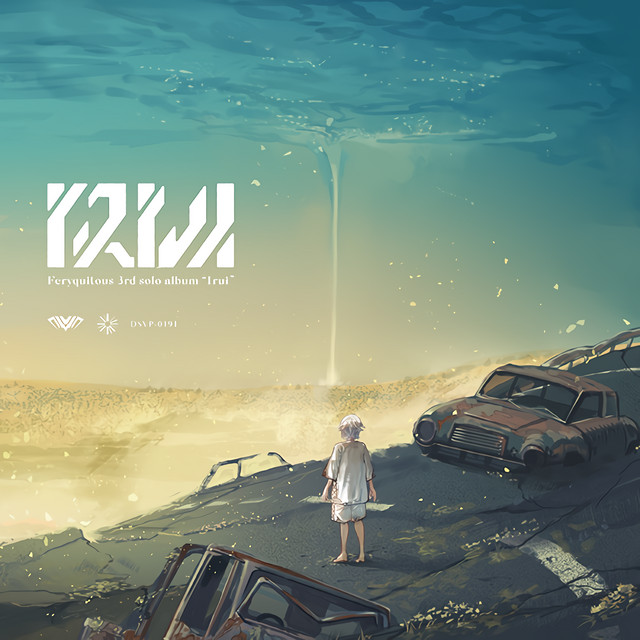
Feryquitous
Artcore
Electronic
Trance
Download our mobile app
Get the Melodigging app and start digging for new genres on the go
Download on the App Store
Get it on Google Play
© 2026 Melodigging
Give feedback
Legal
Melodding was created as a tribute to
Every Noise at Once
, which inspired us to help curious minds keep digging into music's ever-evolving genres.