Genres
Make Music
Artists
Albums
Challenges
Sign in
Sign in
Albums
By Camellia
Albums
By Camellia
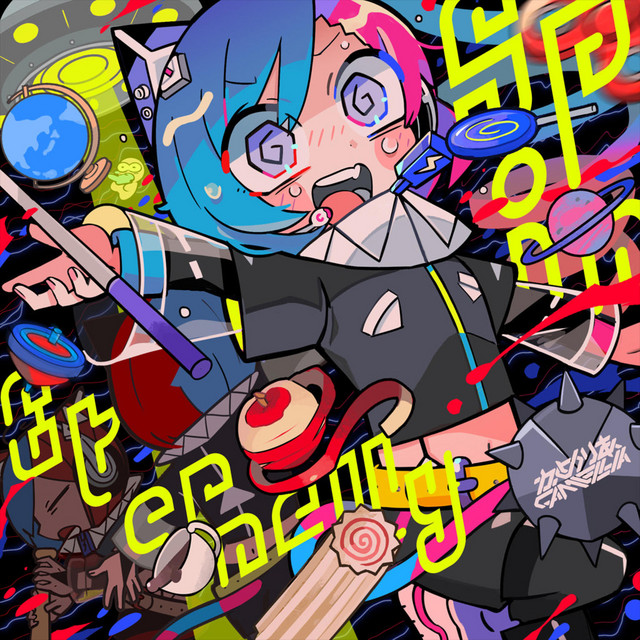
Spin Eternally
March 18, 2021
Listen
3
/5
Genres
Drumstep
Drumstep is a hybrid of drum and bass and dubstep that keeps the high energy and bass design of dubstep while adopting the tempo and rhythmic vocabulary of drum and bass. Typically written around 170–176 BPM but felt in halftime, drumstep places the snare on beat 3, creating a loping, head-nodding feel while preserving the pace and tension of fast DnB. Sound design favors aggressive midrange basses (reese variations, growls, wubs), heavy sub-bass, crisp snares, and densely syncopated hi-hats and percussion. In DJ contexts, drumstep bridges 140 BPM dubstep and 174 BPM drum and bass, allowing seamless genre-switching within high-energy sets. It’s punchy, festival-ready, and often minimal melodically, focusing on impact, groove, and sound design fireworks.
Discover
Listen
Edm
EDM (Electronic Dance Music) refers to the mainstream, festival-oriented wave of electronic dance styles that rose to global prominence in the early 2010s. It emphasizes high-energy drops, ear-catching toplines, and crowd-pleasing arrangements designed for large stages and mass audiences. Musically, EDM typically sits around 124–130 BPM with a strong four-on-the-floor kick, wide supersaw leads, bright plucks, and heavily sidechained pads and basses for a pumping feel. Tracks are structured around tension-and-release: intros and builds lead to explosive drops, followed by breakdowns that rebuild energy. Vocals and pop-style songwriting frequently appear, enabling crossover success on radio and streaming platforms.
Discover
Listen
Denpa-Kei
Denpa-kei is a hyper-cute, high-energy style of Japanese pop associated with otaku culture, Akihabara, and the aesthetic of "moe." The music is intentionally maximalist and slightly surreal, often featuring rapid-fire melodies, childlike or high-pitched vocals, dense layers of synths, and sudden key or tempo shifts that heighten a sugar-rush mood. Arrangements commonly draw on chiptune timbres, toy-like sound effects, and catchy, call-and-response hooks. Lyrics lean into absurd humor, onomatopoeia, and otaku in-jokes, referencing maids, anime tropes, visual novels, and games. While playful on the surface, the style is highly crafted, using advanced modulation, tight vocal stacking, and brisk BPMs to create an over-the-top, euphoric impact.
Discover
Listen
J-Core
J-core is a Japanese take on hardcore techno that fuses high-BPM club structures with otaku culture, game/anime sampling, and brightly melodic writing. It typically sits in the 160–200+ BPM range, using pounding four-on-the-floor kicks, gabber-style distorted low-end, or layered breakbeats. The style is defined by hyper-melodic leads (often supersaws), euphoric trance harmonies, and chopped/processed voice clips from anime, games, denpa songs, or Vocaloid. Aesthetically it leans kawaii/cute but can swing toward intense, chaotic, or even speedcore extremes. J-core flourished in Japan’s doujin scene and rhythm-game ecosystem, with circles and labels releasing compilations and event-driven tracks.
Discover
Listen
J-Dance
J‑dance is a Japanese strand of dance‑pop that fuses Western club styles with the songwriting, melodies, and production aesthetics of J‑pop. It emphasizes hook‑forward choruses, choreographable grooves, and glossy, radio‑ready arrangements built for both clubs and television variety shows. The sound draws heavily from Eurobeat, house, and new jack swing, later absorbing techno, electropop, and trance elements during the late 1990s and 2000s. Catchy English taglines, key‑modulated finales, and tightly structured A‑melody/B‑melody → pre‑chorus → chorus forms are common signatures.
Discover
Listen
Rhythm Game
Rhythm game music is a high-energy, precision-oriented style written to synchronize tightly with interactive note charts in music and rhythm video games. It blends club-ready electronic subgenres (trance, happy hardcore, Eurobeat, drum and bass, techno, house) with bright J‑pop/anison sensibilities, catchy motifs, and sound-design flourishes derived from game audio. Tracks favor clear, quantized rhythms, sectional contrast, and dramatic builds/drops so players can read and perform complex patterns. Producers often incorporate tempo shifts, stop effects, meter play, and FX hits that mirror gameplay cues. Melodies are hooky and memorable, while percussion is punchy and forward to make timing windows feel satisfying.
Discover
Listen
Similar albums
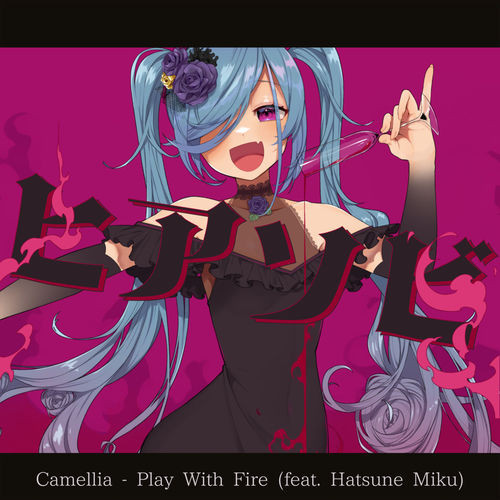
2022
ヒアソビ
Camellia
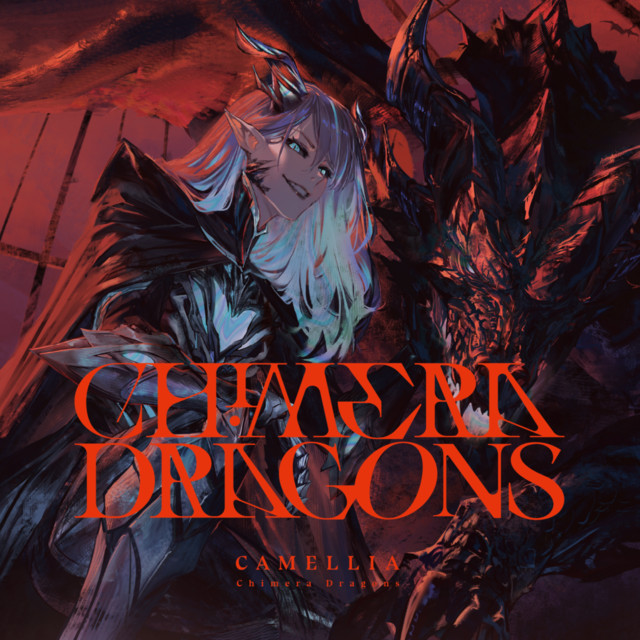
2025
Chimera Dragons
Camellia かめりあ
2016
Time Leaper
Hinkik
2020
Tempestissimo
t+pazolite
2018
HYPER4ID
t+pazolite
2022
Final-Boss-Chan
Camellia
2025
Gumbarlzo!
topazolite, topazolite, topazolite, topazolite, TRI▼FORCE, topazolite, topazoli…
2023
Prism Fountain
t+pazolite
2024
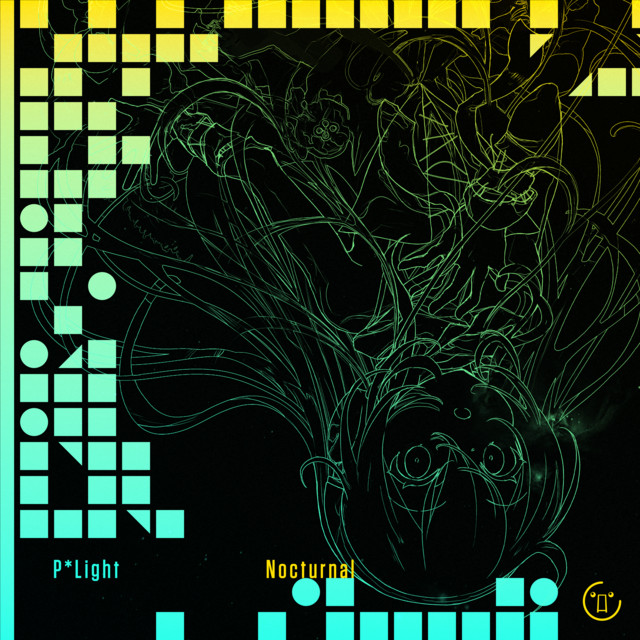
Nocturnal
P*Light
2025
Perfect Profanation
t+pazolite
Download our mobile app
Get the Melodigging app and start digging for new genres on the go
Download on the App Store
Get it on Google Play
© 2026 Melodigging
Give feedback
Legal
Melodding was created as a tribute to
Every Noise at Once
, which inspired us to help curious minds keep digging into music's ever-evolving genres.